Understanding the Role of Outdoor Lighting Bollards
Outdoor lighting bollards are more than just decorative elements lining pathways or parking lots. They serve critical functions—defining spaces, enhancing safety, and contributing to the overall ambiance of an outdoor environment. For lighting contractors, recognizing the multifaceted role of bollards is the first step toward delivering installations that meet client expectations and comply with safety standards.
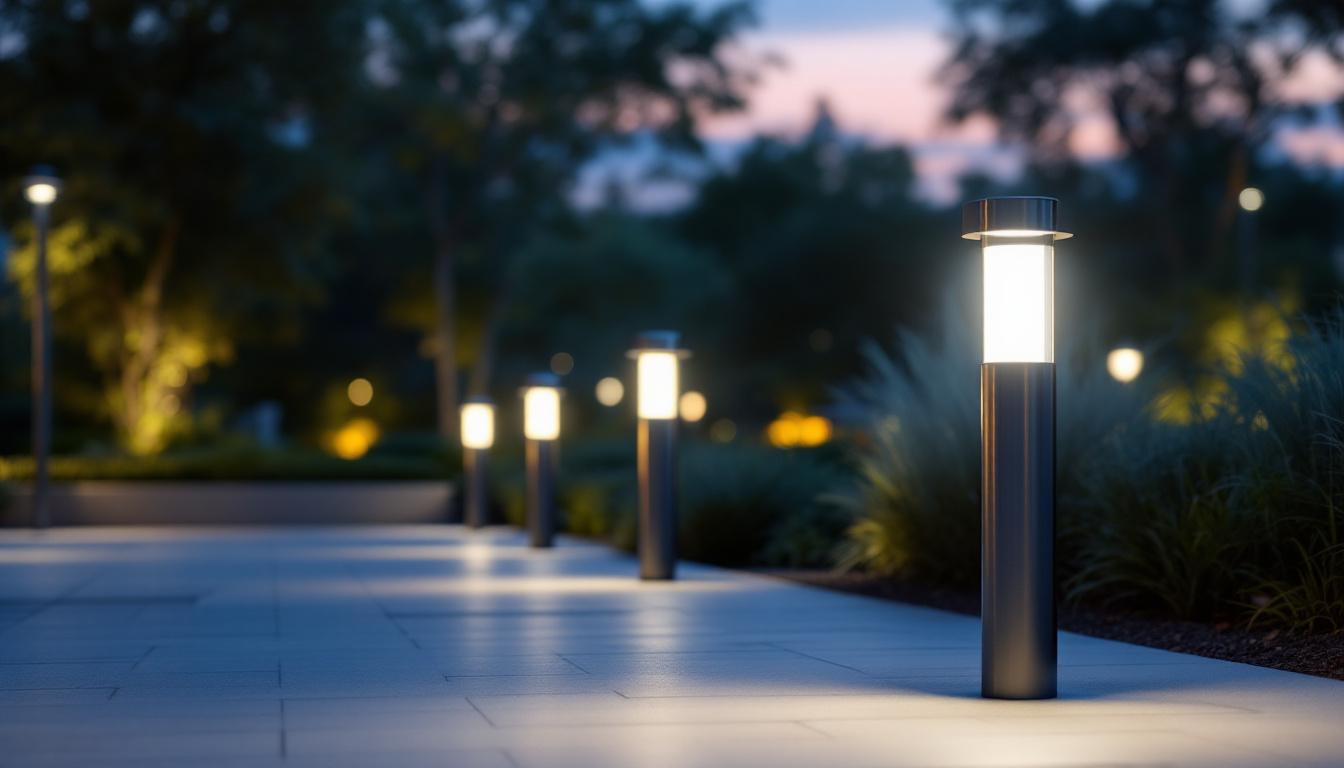
These fixtures are typically short, sturdy posts that house lighting elements at or near ground level. Their placement guides pedestrian traffic, highlights landscape features, and increases visibility in low-light conditions. However, bollards also come with unique challenges that can trip up even experienced contractors if overlooked.
In addition to their practical applications, outdoor lighting bollards can also play a significant role in sustainability efforts. Many modern bollards are designed to accommodate energy-efficient LED lighting, which not only reduces electricity consumption but also lowers maintenance costs due to their longer lifespan compared to traditional bulbs. Furthermore, some bollards are equipped with solar panels, allowing them to harness renewable energy, making them an eco-friendly choice for parks, commercial properties, and residential areas alike. This integration of technology not only enhances the functionality of the bollards but also aligns with the growing demand for environmentally responsible lighting solutions.
Moreover, the aesthetic versatility of bollards cannot be understated. Available in a variety of styles, materials, and finishes, they can complement the architectural design of any space, from sleek modern environments to rustic outdoor settings. Customization options allow for branding opportunities, where businesses can incorporate their logos or color schemes into the bollard designs, further enhancing their visibility and appeal. This blend of form and function ensures that bollards are not only practical lighting solutions but also integral components of the overall landscape design, contributing to a cohesive and inviting outdoor atmosphere.
Common Pitfalls in Bollard Lighting Projects
Ignoring Site-Specific Requirements
Every project site has its own set of conditions—soil type, moisture levels, foot traffic patterns, and existing infrastructure. Overlooking these factors can lead to premature fixture failure or suboptimal lighting performance. For example, installing bollards in poorly drained areas without adequate waterproofing or drainage considerations often results in corrosion or electrical issues.
Before installation, conduct a thorough site assessment. Consult with landscape architects or civil engineers when necessary to understand underground utilities and soil composition. This upfront diligence prevents costly rework and enhances the longevity of the lighting system. Additionally, consider seasonal variations that may affect site conditions, such as heavy rainfall or snow accumulation, which could impact both the installation process and the performance of the lighting fixtures over time. By addressing these site-specific requirements, you create a more resilient and effective lighting solution that adapts to its environment.
Underestimating the Importance of Proper Foundation
Bollards must be securely anchored to withstand environmental stresses such as wind, accidental impacts, or vandalism. A common mistake is using inadequate foundations or skipping anchoring altogether. This oversight can cause fixtures to tilt, loosen, or even become safety hazards.
Concrete footings are standard, but their depth and diameter should be tailored to the bollard’s size and local conditions. In areas prone to frost heave, foundations must extend below the frost line to prevent shifting. Consulting local building codes and standards is essential to ensure compliance and durability. Furthermore, consider incorporating reinforcement materials, such as rebar, into the concrete mix to enhance stability. This additional layer of protection can be particularly beneficial in high-traffic areas where the risk of impact is greater, ensuring that your lighting remains functional and safe for years to come.
Choosing the Wrong Luminaire or Light Source
Not all bollard lights are created equal. Selecting fixtures with inappropriate light output, color temperature, or beam angles can result in glare, light pollution, or insufficient illumination. For instance, overly bright bollards can cause discomfort to pedestrians or drivers, while dim fixtures may fail to provide adequate safety.
LED technology has become the preferred choice due to its energy efficiency and long lifespan. However, pay close attention to the fixture’s optical design. Opt for luminaires with cutoff shields or diffusers that minimize glare and direct light precisely where needed. Matching color temperature to the surrounding environment—typically between 2700K and 3000K for warm, inviting tones—is also critical. Additionally, consider the aesthetic integration of the fixtures with the surrounding landscape. The design and finish of the bollards should complement the architecture and natural elements of the area, enhancing not only functionality but also the overall visual appeal of the space. This thoughtful consideration can elevate the project from a mere lighting solution to a cohesive element of urban design.
Installation Best Practices for Lighting Contractors
Planning the Layout for Optimal Coverage
Effective bollard lighting hinges on thoughtful layout planning. Spacing, height, and orientation all influence how well the area is illuminated and how the bollards integrate visually with the landscape.
Standard spacing ranges from 6 to 10 feet, but this varies depending on the bollard’s lumen output and the desired lighting effect. Closer spacing creates more uniform illumination, ideal for pathways with heavy foot traffic. Wider spacing might suffice for decorative or accent lighting.
Consider the bollard height relative to surrounding elements. Taller bollards provide broader light distribution but can dominate the landscape. Shorter fixtures offer subtle guidance without overwhelming the scene. Additionally, the choice of bollard design can enhance the aesthetic appeal; sleek, modern designs may complement contemporary architecture, while more traditional styles can harmonize with historic settings. The color temperature of the light emitted also plays a significant role in the ambiance, with warmer tones creating a cozy atmosphere and cooler tones offering a more vibrant, alert environment.
Ensuring Electrical Safety and Code Compliance
Electrical safety is non-negotiable. Bollards are often installed outdoors where moisture and physical contact are concerns. Use weatherproof wiring, connectors, and fixtures rated for outdoor use. Ground-fault circuit interrupters (GFCIs) should be integrated into the circuit to protect against electrical shock.
Adhering to local electrical codes and the National Electrical Code (NEC) is mandatory. This includes proper conduit installation, grounding, and circuit protection. Failure to comply can lead to inspection failures, liability issues, or dangerous conditions. Furthermore, it is wise to stay informed about any updates to the codes, as regulations can evolve to enhance safety and efficiency. Engaging with local building inspectors early in the project can provide insights into specific requirements and help avoid costly modifications later in the installation process.
Testing and Commissioning
After installation, thorough testing ensures the system operates as intended. Check each bollard for proper illumination, secure mounting, and electrical integrity. Test controls such as timers, photocells, or motion sensors if installed.
Documenting the commissioning process and providing clients with maintenance guidelines can extend the system’s lifespan and reduce service calls. Clear communication about expected performance and upkeep responsibilities builds trust and professional credibility. Additionally, consider offering a follow-up service to assess the lighting’s effectiveness after a few months of use. This not only reinforces your commitment to quality but also allows for adjustments based on user feedback, ensuring that the lighting continues to meet the needs of the space as it evolves over time. Regular maintenance checks can also help identify potential issues before they escalate, ensuring a reliable lighting solution for years to come.
Maintenance Considerations and Longevity
Routine Inspection and Cleaning
Dirt, debris, and insect buildup can degrade light output and fixture appearance. Schedule regular inspections to clean lenses, check for damage, and verify electrical connections. This proactive approach prevents minor issues from escalating into costly repairs.
Addressing Environmental Challenges
Outdoor bollards face diverse environmental stresses-UV exposure, temperature fluctuations, moisture, and physical impacts. Selecting materials like powder-coated aluminum or stainless steel can enhance resistance to corrosion and wear.
In coastal or industrial areas, extra protective coatings or specialized fixtures may be necessary to combat harsh conditions. Understanding the environment where the bollards will operate informs material and finish choices that maximize durability.
Planning for Upgrades and Energy Efficiency
Technology evolves rapidly. Lighting contractors should anticipate future upgrades by installing fixtures compatible with smart controls or energy management systems. This foresight allows clients to benefit from advances like adaptive lighting or remote monitoring without replacing entire installations.
Energy-efficient designs not only reduce operational costs but also appeal to environmentally conscious clients. Highlighting these benefits during project proposals can differentiate your services in a competitive market.
Case Studies: Lessons from Real-World Installations
Urban Park Pathway Lighting
A municipal park project involved installing bollards along winding pathways to improve nighttime safety. Early in the process, the contractor conducted soil testing and discovered high clay content with poor drainage. They adjusted the foundation design to include drainage pipes and deeper footings, preventing future settling issues.
Choosing bollards with diffused warm white LEDs minimized glare for pedestrians while enhancing the park’s aesthetic. Regular maintenance contracts were established with the city to ensure long-term performance. This project underscores the value of thorough site evaluation and client collaboration.
Commercial Parking Lot Bollards
In a large retail parking lot, bollards were installed to delineate pedestrian zones and protect landscaping. The contractor selected vandal-resistant fixtures with robust steel construction and impact-resistant lenses. Electrical circuits were equipped with GFCI protection and surge suppressors to handle frequent power fluctuations.
Despite initial higher costs, these choices reduced maintenance calls and fixture replacements over time, delivering a cost-effective solution. The project demonstrated how investing in quality upfront pays dividends in durability and client satisfaction.
Final Thoughts for Lighting Contractors
Outdoor lighting bollards are deceptively simple elements that require careful consideration to avoid common pitfalls. Understanding site conditions, selecting appropriate fixtures, adhering to safety codes, and planning for maintenance are pillars of successful installations.
Contractors who approach bollard lighting with a comprehensive, detail-oriented mindset not only enhance the safety and beauty of outdoor spaces but also build lasting client relationships and professional reputations. Every bollard installed is an opportunity to showcase expertise and commitment to quality.
Illuminate Your Projects with LumenWholesale
Ready to elevate your outdoor lighting projects with the best in spec-grade bollards? At LumenWholesale, we provide lighting contractors with the highest quality products at unbeatable wholesale prices. Say goodbye to middleman markups and hello to a vast selection of reliable, high-performance lighting that meets the strictest industry standards. Plus, with free shipping on bulk orders, you can rest assured that you’re getting premium lighting at the best value — without any hidden fees. Enhance the safety, beauty, and sustainability of your installations with the perfect blend of quality, affordability, and convenience. Wholesale Lighting at the Best Value is just a click away.