Understanding the Basics: Lumens vs. Watts
When selecting light bulbs, the first question often asked is, “How bright is this bulb?” For lighting contractors, brightness isn’t about watts anymore-it’s about lumens. Watts measure energy consumption, not brightness. This distinction is crucial, especially with the rise of LED and CFL bulbs, which use far less energy to produce the same amount of light as traditional incandescent bulbs.
Lumens quantify the amount of visible light emitted by a bulb. The higher the lumens, the brighter the light. For example, a standard 60-watt incandescent bulb produces around 800 lumens. An LED bulb that uses only 10 watts can produce the same 800 lumens, making it far more energy-efficient. This shift means contractors must focus on lumens to accurately gauge brightness and meet client expectations.
Moreover, understanding lumens can significantly impact the overall design and functionality of a space. For instance, in a living room, a cozy ambiance may require softer lighting, typically around 1,500 to 3,000 lumens, while a kitchen or workspace may demand brighter illumination, ranging from 5,000 to 10,000 lumens. This knowledge allows contractors to tailor lighting solutions to the specific needs and activities of each room, enhancing both aesthetics and usability. Additionally, the color temperature of the light, measured in Kelvins, also plays a vital role in how we perceive brightness and warmth, further complicating the decision-making process for lighting professionals.
As the market continues to evolve, it’s essential for contractors to stay informed about the latest advancements in lighting technology. Smart bulbs, for example, offer not only energy efficiency but also the ability to adjust brightness and color temperature through smartphone apps or voice commands. This innovation adds a layer of convenience and customization that modern consumers increasingly expect. By embracing these new technologies, contractors can provide more comprehensive lighting solutions that cater to the diverse preferences of their clients, ensuring satisfaction and enhancing the overall quality of their projects.
Why Lumens Matter for Lighting Contractors
Clients often request bulbs based on wattage, assuming higher wattage means brighter light. Educating clients about lumens simplifies the decision-making process and ensures the right brightness for each space. For contractors, understanding lumens allows for precise lighting designs that balance brightness, energy consumption, and cost.
Moreover, lumens help in comparing different types of bulbs. LEDs, halogens, and fluorescents vary widely in energy use but can emit similar lumens. Knowing this helps contractors recommend the best bulb type for the project’s needs, whether it’s a residential kitchen, a commercial office, or an industrial warehouse.
Understanding the concept of lumens also aids in creating the desired ambiance in various settings. For instance, a cozy restaurant may benefit from warm, dim lighting that enhances the dining experience, while a retail store might require bright, clear illumination to showcase products effectively. By tailoring the lumen output to the specific environment, contractors can significantly influence the functionality and aesthetic appeal of a space, leading to higher client satisfaction and repeat business.
Additionally, as energy efficiency becomes increasingly important, many clients are looking for sustainable lighting solutions that not only meet their brightness needs but also reduce energy consumption and costs. By focusing on lumens, contractors can guide clients towards energy-efficient options that provide the same level of brightness while using fewer watts. This not only contributes to lower utility bills but also aligns with environmentally conscious practices, making it a win-win for both the contractor and the client.
Practical Tip:
Always check the packaging or product specifications for lumens rather than watts. When clients ask for brightness, translate their watt-based expectations into lumens to avoid confusion and ensure satisfaction.
Color Temperature and Its Impact on Perceived Brightness
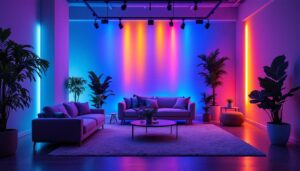
Brightness isn’t just about lumens. Color temperature, measured in Kelvins (K), affects how bright a light appears to the human eye. A bulb with a higher color temperature (around 5000K to 6500K) emits a cooler, bluish light that tends to appear brighter and more clinical. Lower color temperatures (2700K to 3000K) produce warmer, yellowish light, which feels softer and cozier but may seem less bright even at the same lumen level.
For lighting contractors, this means choosing the right color temperature is as important as selecting the right lumen output. For instance, retail environments often benefit from cooler, brighter light to highlight products, while restaurants and lounges prefer warmer tones for ambiance. The choice of color temperature can also influence customer behavior; studies have shown that cooler light can increase alertness and productivity, making it ideal for office spaces, while warmer light can enhance relaxation and comfort, perfect for home settings.
Moreover, the impact of color temperature extends beyond mere aesthetics; it can also affect mood and well-being. Research indicates that exposure to cooler light during the day can help regulate circadian rhythms, promoting alertness and focus, while warmer light in the evening can signal to the body that it’s time to wind down. Understanding these nuances can empower lighting professionals to create spaces that not only look good but also support the physical and emotional needs of their clients.
Quick Advice:
When clients want “bright” light, ask about the atmosphere they want to create. A 3000K bulb at 1000 lumens will feel different than a 5000K bulb at the same lumens. Tailor your recommendations accordingly. Additionally, consider the color rendering index (CRI) of the bulbs you recommend, as this will affect how colors appear under different lighting conditions. A higher CRI means more accurate color representation, which can be crucial in settings like art galleries or fashion boutiques where color fidelity is essential.
Measuring Brightness on the Job: Tools and Techniques
While lumens provide a standardized measure, real-world brightness depends on many factors, including fixture design, bulb placement, and room characteristics. Lighting contractors often use light meters, or lux meters, to measure illuminance-the amount of light falling on a surface. Lux is lumens per square meter and helps verify that lighting meets design requirements.
Using a lux meter on-site allows contractors to adjust fixture positions or bulb choices to achieve desired brightness levels. For example, office spaces typically require 300 to 500 lux on work surfaces, while warehouses might need 100 lux or less. Measuring illuminance ensures compliance with industry standards and client expectations.
Pro Tip:
Carry a calibrated lux meter on every job. It’s a quick way to validate lighting performance and avoid costly rework. Remember, even the brightest bulb won’t deliver adequate light if fixtures or room layout impede distribution.
How Fixture and Room Design Affect Brightness
Brightness is not only about the bulb. Fixtures, reflectors, and room surfaces play a huge role in how light is distributed and perceived. A bulb rated at 1000 lumens can seem dim in a large, dark room with matte walls but very bright in a small room with white or reflective surfaces.
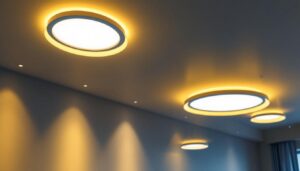
Lighting contractors must consider fixture types-open, enclosed, directional, or diffused-and their impact on light output. For example, recessed fixtures with narrow beam angles focus light in specific areas, increasing perceived brightness there but reducing overall room illumination. Conversely, diffused fixtures spread light evenly but may reduce intensity.
Key Insight:
Always factor in room size, wall color, and fixture design when planning brightness. Use photometric data from manufacturers to predict how light will behave in the space. This approach helps avoid under- or over-lighting.
Energy Efficiency and Brightness: Balancing Both
Clients increasingly demand energy-efficient lighting without sacrificing brightness. LEDs dominate this space, offering high lumens per watt ratios. For contractors, recommending LED bulbs that meet lumen requirements while minimizing energy use is a win-win.
However, not all LEDs are created equal. Some cheaper models may advertise high lumens but suffer from poor color rendering or shorter lifespans. Quality matters. Look for bulbs with reliable certifications and good warranty coverage to ensure clients get consistent brightness over time.
Contractor’s Checklist:
- Verify lumen output matches client needs.
- Check color rendering index (CRI); aim for 80 or above for most applications.
- Consider bulb lifespan and warranty.
- Factor in dimming capabilities if required.
Special Considerations for Outdoor and Specialty Lighting
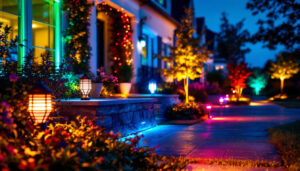
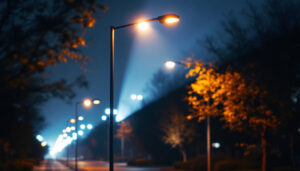
Outdoor lighting presents unique challenges in brightness measurement. Weather conditions, fixture shields, and light pollution regulations affect how brightness is perceived and measured. Lighting contractors should use lumens as a baseline but also consider beam angle and shielding to avoid glare and ensure effective illumination.
Specialty lighting, such as grow lights or theatrical lighting, uses different metrics and standards. For example, photosynthetically active radiation (PAR) is critical for horticultural lighting, while lux and lumens remain relevant for general illumination. Understanding these nuances helps contractors provide expert guidance tailored to specific applications.
Final Thoughts: Brightness Is More Than a Number
Measuring light bulb brightness involves more than just checking lumens. It requires understanding how lumens, color temperature, fixture design, and room characteristics interact. For lighting contractors, mastering these elements ensures that every project delivers the right light-bright enough, energy-efficient, and perfectly suited to the space.
Clients rely on contractors not just to install bulbs but to create environments where lighting enhances comfort, productivity, and aesthetics. Using lumens as the foundation for brightness measurement, combined with practical tools like lux meters and knowledge of color temperature, empowers contractors to exceed expectations every time.
Illuminate Your Projects with LumenWholesale
Ready to bring your lighting projects to life with the right brightness, energy efficiency, and cost-effectiveness? At LumenWholesale, we provide lighting contractors like you with the highest quality, spec-grade lighting products at wholesale prices that simply can’t be beaten. Say goodbye to middleman markups and hello to a vast selection of reliable lighting solutions that meet rigorous industry standards. Plus, with free shipping on bulk orders, you can stock up on premium lighting without worrying about hidden fees. Elevate your lighting game and ensure every space is perfectly lit by choosing Wholesale Lighting at the Best Value with LumenWholesale.