Overlooking the Importance of Layered Lighting
One of the most frequent missteps in installing recessed lights in dining rooms is relying solely on these fixtures for all lighting needs. Recessed lights offer a clean, modern look and can provide excellent general illumination, but they rarely suffice as the only light source in a dining space.
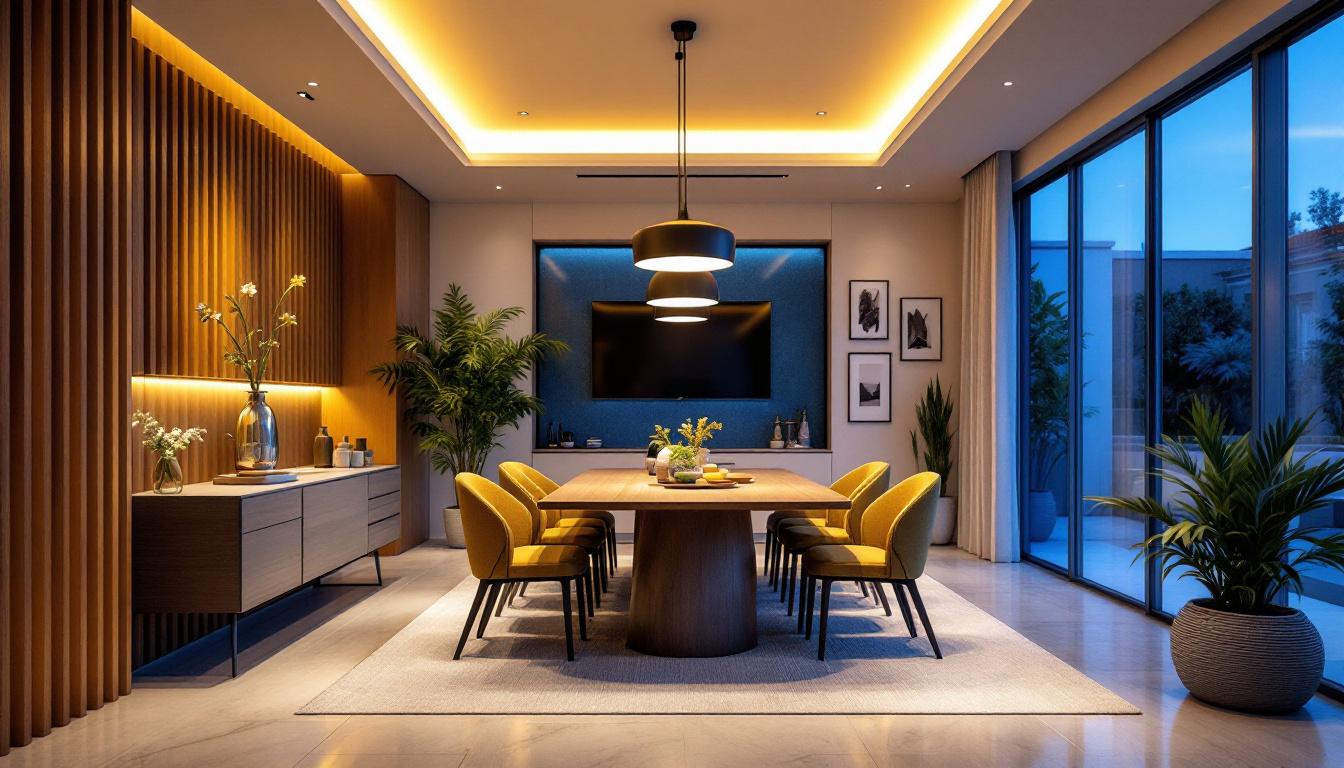
Dining rooms require a balance of ambient, task, and accent lighting to create an inviting atmosphere. Ambient lighting sets the overall mood, task lighting ensures visibility for activities like eating and cleaning, and accent lighting highlights architectural features or décor. When contractors install recessed lights without considering these layers, the room often feels flat and uninviting.
For instance, pairing recessed lights with a statement chandelier or pendant over the dining table adds focal interest and warmth. Wall sconces or dimmable lamps can introduce softer light, enhancing the room’s versatility. Ignoring this layering can lead to a dining room that’s either too bright and clinical or too dim and impractical.
Moreover, the color temperature of the lighting plays a crucial role in establishing the desired ambiance. Warmer tones can create a cozy, intimate setting perfect for family gatherings or romantic dinners, while cooler tones may be better suited for more casual or modern aesthetics. By incorporating dimmable options, homeowners can easily adjust the lighting to match the occasion, ensuring that the dining room remains adaptable for everything from festive celebrations to quiet weeknight meals.
Additionally, the placement of lighting fixtures should not be overlooked. Strategically positioning recessed lights to highlight artwork or architectural details can draw the eye and add depth to the space. Using a combination of different light sources at varying heights can create a more dynamic environment, encouraging conversation and interaction among guests. By thoughtfully considering these elements, a dining room can transform from a simple eating area into a beautifully layered and functional space that reflects personal style and enhances the dining experience.
Misjudging Fixture Placement and Spacing
Proper placement of recessed lights is critical to avoid uneven illumination and harsh shadows. A common mistake is spacing fixtures too far apart or clustering them too close, which disrupts the visual balance of the room. This misjudgment can lead to areas that are either overly bright or dimly lit, detracting from the overall ambiance and functionality of the space.
A good rule of thumb is to space recessed lights approximately 4 to 6 feet apart, depending on the size of the fixture and the ceiling height. For dining rooms, positioning lights around the perimeter rather than directly over the table helps prevent glare and creates a more natural, ambient glow. Additionally, considering the use of dimmers can enhance the versatility of recessed lighting, allowing for adjustments based on the time of day or the mood desired during gatherings.
Contractors sometimes place recessed lights directly above the dining table without considering the impact on diners’ comfort. This can cause glare on glassware or create unflattering shadows on faces. Instead, combining recessed lights with a central fixture or pendant light can distribute light more evenly and enhance the dining experience. Furthermore, incorporating adjustable fixtures can provide flexibility, enabling homeowners to direct light where it’s most needed, whether for a cozy family dinner or an elegant dinner party.
Ignoring Ceiling Height and Room Dimensions
Ceiling height significantly influences how recessed lights perform. High ceilings may require more powerful fixtures or additional lighting layers to achieve adequate brightness. Conversely, low ceilings can make recessed lights feel overwhelming if too many are installed or if the beam angle is too narrow. It’s essential to assess the scale of the room and the desired atmosphere when planning the lighting layout.
Contractors sometimes fail to adjust fixture type or placement based on room size and ceiling height, resulting in either insufficient light or a cluttered ceiling appearance. Tailoring the lighting plan to the specific dimensions of the dining room ensures both functionality and aesthetics are optimized. For instance, in rooms with vaulted ceilings, staggered placements of recessed lights can create a dynamic visual effect while ensuring that light reaches all corners of the space. Additionally, using fixtures with adjustable beam angles can help in fine-tuning the light distribution, ensuring that every area of the room is well-lit without overwhelming the senses. This thoughtful approach not only enhances the room’s usability but also elevates its overall design, making it a welcoming space for family and guests alike.
Choosing the Wrong Bulb Type and Color Temperature
Lighting contractors occasionally overlook the impact of bulb choice on the ambiance of a dining room. The color temperature and quality of light influence how food looks and how comfortable the space feels.
Warm white bulbs, typically in the 2700K to 3000K range, are ideal for dining rooms. They create a cozy and inviting atmosphere that enhances the natural colors of food and décor. Using cooler color temperatures can make the room feel sterile and unwelcoming.
Additionally, selecting bulbs with a high color rendering index (CRI) – ideally above 80 – is crucial. High CRI bulbs reveal colors more accurately, which is especially important in dining areas where food presentation matters. Contractors who prioritize energy efficiency but neglect CRI or color temperature may deliver lighting that looks efficient but fails to satisfy client expectations.
Failing to Account for Dimming Compatibility
Dimming capability is often overlooked during recessed light installation. Dining rooms benefit greatly from adjustable lighting levels, allowing homeowners to shift from bright, functional light during meals to softer, ambient light for relaxation.
Not all LED recessed lights are compatible with every dimmer switch. Contractors must verify that the fixtures, bulbs, and dimmers work seamlessly together to avoid flickering, buzzing, or limited dimming ranges. This detail, if ignored, can lead to costly callbacks and dissatisfied clients.
Neglecting Energy Efficiency and Heat Management
Energy efficiency is a top priority for many clients, yet some contractors focus too heavily on initial costs rather than long-term savings and performance. Using outdated or inefficient bulbs in recessed fixtures can increase energy consumption and raise utility bills.
LED recessed lights are the best choice for dining rooms due to their low energy use, long lifespan, and minimal heat output. However, improper installation can lead to heat buildup, especially if fixtures are not rated for insulation contact (IC-rated) or if they are installed too close to insulation materials.
Heat buildup can shorten the lifespan of LED bulbs and pose fire hazards. Contractors must select the right fixtures and ensure proper clearance from insulation and other materials. Paying attention to these details not only protects the home but also enhances the durability and reliability of the lighting system.
Overlooking Wiring and Electrical Code Compliance
While it might seem basic, improper wiring and failure to adhere to electrical codes remain common issues in recessed light installations. These mistakes can lead to safety hazards, including electrical fires or fixture failures.
Contractors must ensure all wiring connections are secure, use appropriate gauge wire, and install fixtures according to manufacturer specifications and local codes. Using junction boxes where required and protecting wiring from damage are essential steps often skipped in haste.
Additionally, lighting contractors should verify that all fixtures are rated for the environment they’re installed in, such as damp-rated fixtures for rooms prone to moisture. Compliance with codes not only guarantees safety but also prevents costly rework and liability issues.
Failing to Communicate with Clients About Lighting Goals
Sometimes the biggest mistake isn’t technical but communicative. Lighting contractors occasionally proceed without fully understanding the client’s vision for the dining room lighting. This can result in installations that don’t meet expectations or require revisions.
Discussing the desired mood, function, and style with clients before finalizing the lighting plan is crucial. Some clients want a bright, lively space for family dinners, while others prefer a soft, romantic ambiance for entertaining guests. Clarifying these preferences helps contractors select appropriate fixtures, placement, and controls.
Moreover, educating clients about the benefits and limitations of recessed lighting ensures they have realistic expectations. This transparency builds trust and reduces the likelihood of dissatisfaction after the job is complete.
Ignoring Maintenance and Accessibility Considerations
Recessed lights are often installed flush with the ceiling, which looks sleek but can complicate maintenance. Contractors sometimes neglect to plan for easy access to fixtures for bulb replacement or repairs.
Choosing fixtures with removable trims or accessible housings can save time and effort down the line. Additionally, using long-lasting LED bulbs reduces the frequency of maintenance, but eventual servicing is inevitable.
Failing to consider these factors can frustrate homeowners and lead to unnecessary service calls. Planning for maintenance access during installation enhances client satisfaction and the overall longevity of the lighting system.
Conclusion: Precision and Planning Make the Difference
Installing recessed lights in dining rooms requires more than just drilling holes and wiring fixtures. Avoiding common mistakes like poor fixture placement, wrong bulb selection, and neglecting client communication is key to delivering a lighting solution that truly enhances the space.
Contractors who approach each project with attention to detail, a clear understanding of lighting principles, and a focus on client needs will stand out in a competitive market. The dining room is a focal point of the home-lighting it well means creating an environment where memories are made and meals are enjoyed.
Illuminate Your Projects with LumenWholesale
Ready to elevate your lighting installations and avoid common pitfalls? Choose LumenWholesale for your next dining room project. Our spec-grade lighting products combine quality and affordability, ensuring you deliver exceptional results without overstepping your budget. With free shipping on bulk orders, you can stock up on the best lighting solutions and pass on the savings to your clients. Don’t let avoidable mistakes compromise your work. Wholesale Lighting at the Best Value is just a click away. Upgrade your lighting game with LumenWholesale today.