Understanding the Benefits of LED Plug-In Shop Lights
When it comes to illuminating workspaces, LED plug-in shop lights have become a game-changer for contractors. Their ease of installation, energy efficiency, and versatility make them an ideal choice for a variety of commercial and residential projects. Before diving into the specifics of installation and product selection, it’s essential to understand why these lights have taken precedence over traditional fluorescent or incandescent options.
LED shop lights consume up to 75% less energy than fluorescent fixtures, which translates into significant savings on electricity bills over time. They also boast a longer lifespan, often exceeding 50,000 hours, reducing the frequency and cost of replacements. This durability is crucial in shop environments where lighting is often left on for extended periods.
Another advantage is the quality of light. LEDs provide bright, consistent illumination with excellent color rendering, helping workers see details clearly and reducing eye strain. This is particularly important in settings like automotive shops, woodworking areas, or any space requiring precision.
In addition to their practical benefits, LED plug-in shop lights are also designed with user convenience in mind. Many models come with features such as adjustable brightness levels and color temperature settings, allowing users to customize the lighting to suit specific tasks or preferences. This adaptability can enhance productivity, as workers can create an optimal environment for various activities, whether it’s detailed assembly work or general maintenance tasks. Furthermore, the instant-on feature of LEDs eliminates the frustrating warm-up time associated with fluorescent lights, ensuring that workspaces are illuminated immediately when needed.
Moreover, the environmental impact of choosing LED lighting cannot be overlooked. Unlike traditional bulbs, LEDs do not contain harmful substances like mercury, making them a safer option for both users and the planet. Their energy efficiency contributes to a lower carbon footprint, aligning with the growing trend towards sustainable practices in construction and renovation. As more contractors and businesses prioritize eco-friendly solutions, the shift to LED technology not only meets regulatory standards but also appeals to environmentally conscious consumers who are increasingly seeking green alternatives in their projects.
Key Features to Evaluate When Selecting LED Plug-In Shop Lights
Brightness and Color Temperature
Brightness is measured in lumens, and for shop lights, a range between 3,000 to 6,000 lumens per fixture is typical. The right brightness depends on the size of the workspace and the tasks performed. For detailed work, higher lumens are preferable to ensure adequate visibility. In larger spaces, such as warehouses or automotive shops, you may find that fixtures with even higher lumen outputs are necessary to eliminate shadows and ensure safety during intricate operations.
Color temperature, measured in Kelvins (K), affects the ambiance and clarity of the light. Most contractors opt for a range between 4000K to 5000K, which offers a neutral to cool white light ideal for work environments. This range mimics daylight and helps maintain alertness and focus. Additionally, some LED shop lights offer adjustable color temperatures, allowing users to switch between warmer and cooler tones depending on the task at hand, enhancing comfort and productivity.
Energy Efficiency and Certification
Look for fixtures with ENERGY STAR certification or DLC (DesignLights Consortium) listing. These certifications guarantee that the product meets stringent energy efficiency and performance standards. Using certified products not only ensures quality but may also qualify projects for utility rebates or incentives, which can be a selling point for clients. Furthermore, energy-efficient lighting can significantly reduce operational costs over time, making it a wise investment for both small businesses and larger enterprises.
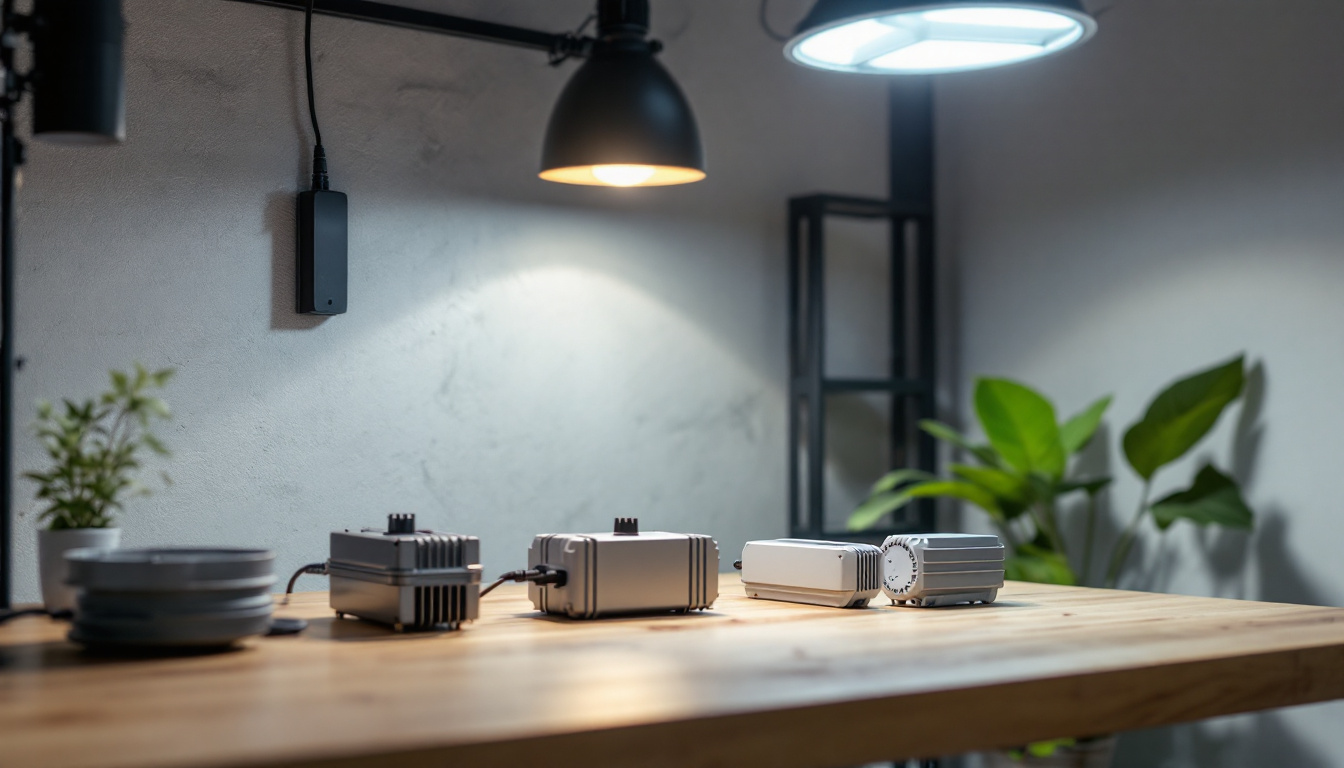
In addition to certifications, consider the wattage of the LED shop lights. Lower wattage with higher lumen output indicates advanced technology, such as the use of high-quality diodes and efficient drivers. This means you can achieve the desired brightness without consuming excessive energy, thereby contributing to a greener environment while also lowering your electricity bills.
Durability and Build Quality
Shop environments can be tough on lighting fixtures. Dust, moisture, and occasional impacts are common. Select LED shop lights with robust housings, preferably made from aluminum or high-grade plastic, and with an IP rating that suits the environment. For example, an IP65 rating indicates protection against dust and water jets, suitable for more demanding conditions. Additionally, consider the impact resistance of the fixtures; those rated with IK ratings can withstand mechanical impacts, making them ideal for busy workshops where tools and materials may be dropped or knocked over.
Moreover, the longevity of LED lights is a significant factor to consider. Many LED shop lights boast lifespans of 50,000 hours or more, which translates to years of reliable service without the need for frequent replacements. This durability not only reduces maintenance costs but also minimizes downtime in work environments, allowing operations to run smoothly and efficiently. Investing in high-quality, durable fixtures can ultimately lead to a more productive workspace, as employees can focus on their tasks without the distraction of flickering or failing lights.
Installation Essentials: What Every Contractor Should Know
Assessing the Workspace
Before installation, conduct a thorough assessment of the workspace. Measure the area to determine how many fixtures are needed to achieve uniform lighting. Consider ceiling height, existing wiring, and the presence of any obstructions that might affect light distribution.
Plan the layout to minimize shadows and glare. For larger shops, multiple fixtures spaced evenly provide the best results. In tighter spaces, adjustable or directional fixtures can help focus light where it’s needed most.
Power Source and Wiring Considerations
One of the main advantages of plug-in shop lights is their straightforward power connection. However, contractors should verify that the existing electrical outlets can handle the total wattage of the installed lights. It’s also important to ensure that cords are routed safely to prevent tripping hazards or damage.
For permanent installations, some clients may prefer hardwired options or fixtures with integrated switches. In such cases, confirm local electrical codes and obtain necessary permits. Always prioritize safety and compliance.
Mounting Options and Hardware
LED plug-in shop lights come with various mounting options: hooks, chains, brackets, or magnetic mounts. Choose the method that best suits the client’s space and preferences. For example, chain mounts provide adjustable height, which is useful in spaces with high ceilings.
Ensure that all mounting hardware is rated to support the fixture’s weight and that installation is secure. A loose fixture can be a safety hazard and reduce the effectiveness of the lighting.
Maintenance and Troubleshooting Tips for Longevity
Routine Cleaning and Inspection
Dust and grime can accumulate on fixtures, reducing light output over time. Encourage clients to clean the lights periodically using a soft cloth and mild detergent. Avoid abrasive materials or harsh chemicals that could damage the lens or housing.
Regular inspections should check for signs of wear, loose connections, or damage to cords and plugs. Early detection of issues can prevent costly repairs or replacements.
Addressing Flickering or Dim Light
Flickering or dimming can indicate several problems, from loose connections to failing drivers within the fixture. Start by checking the power source and ensuring the plug is firmly seated. If the issue persists, replacing the fixture or its components may be necessary.
Some LED shop lights include dimming capabilities. If dimming is inconsistent, verify compatibility with the dimmer switch and confirm that the fixture supports the intended dimming technology.
Cost Considerations and Client Communication
Balancing Upfront Costs with Long-Term Savings
LED plug-in shop lights often have a higher initial price compared to fluorescent alternatives. However, their energy savings and reduced maintenance costs typically offset this difference within a few years. Presenting this information clearly helps clients understand the value proposition.
Provide clients with a breakdown of expected energy savings and maintenance intervals. Use real-world examples or case studies when possible to illustrate the benefits.
Explaining Installation Options and Flexibility
Clients appreciate transparency about installation methods and potential disruptions. Explain the ease of plug-in fixtures, especially for retrofits, and the advantages of different mounting options. Highlight how these choices can affect future modifications or expansions.
Being upfront about timelines and any necessary electrical work builds trust and sets realistic expectations.
Staying Ahead: Trends and Innovations in LED Shop Lighting
Smart Controls and Automation
Smart LED shop lights with integrated sensors and wireless controls are gaining traction. Features like motion detection, daylight harvesting, and remote dimming can enhance energy efficiency and convenience. Contractors should familiarize themselves with these technologies to offer cutting-edge solutions.
Improved Color Rendering and Specialty Fixtures
Advancements in LED technology have led to fixtures with higher color rendering indexes (CRI), which better replicate natural light. This is critical in shops where color accuracy impacts quality control or craftsmanship.
Specialty fixtures designed for hazardous or wet locations are also becoming more accessible, expanding the range of applications for LED plug-in shop lights.
Final Checklist for Lighting Contractors
- Assess workspace size, ceiling height, and lighting needs.
- Choose LED fixtures with appropriate brightness (lumens) and color temperature (4000K-5000K).
- Verify ENERGY STAR or DLC certification for energy efficiency.
- Ensure fixture durability with suitable IP ratings and robust construction.
- Plan safe and code-compliant power connections and wiring.
- Select mounting hardware that fits the environment and client preferences.
- Educate clients on maintenance practices and troubleshooting common issues.
- Communicate cost benefits and installation options clearly.
- Stay informed about emerging technologies like smart controls and high-CRI LEDs.
By following this comprehensive checklist, lighting contractors can confidently specify, install, and maintain LED plug-in shop lights that meet client expectations and stand the test of time.
Illuminate Your Projects with LumenWholesale
Ready to elevate your lighting game with the best LED plug-in shop lights on the market? Look no further than LumenWholesale, where we provide contractors with exceptional, spec-grade lighting solutions at unbeatable wholesale prices. Say goodbye to local distributor markups and hello to our premium selection that meets the highest industry standards. With LumenWholesale, you’ll enjoy the convenience of bulk buying, free shipping, and the assurance of top-quality lighting for every project. Don’t settle for less—choose LumenWholesale for Wholesale Lighting at the Best Value and make every installation shine.