Understanding Retrofit LED Recessed Lights
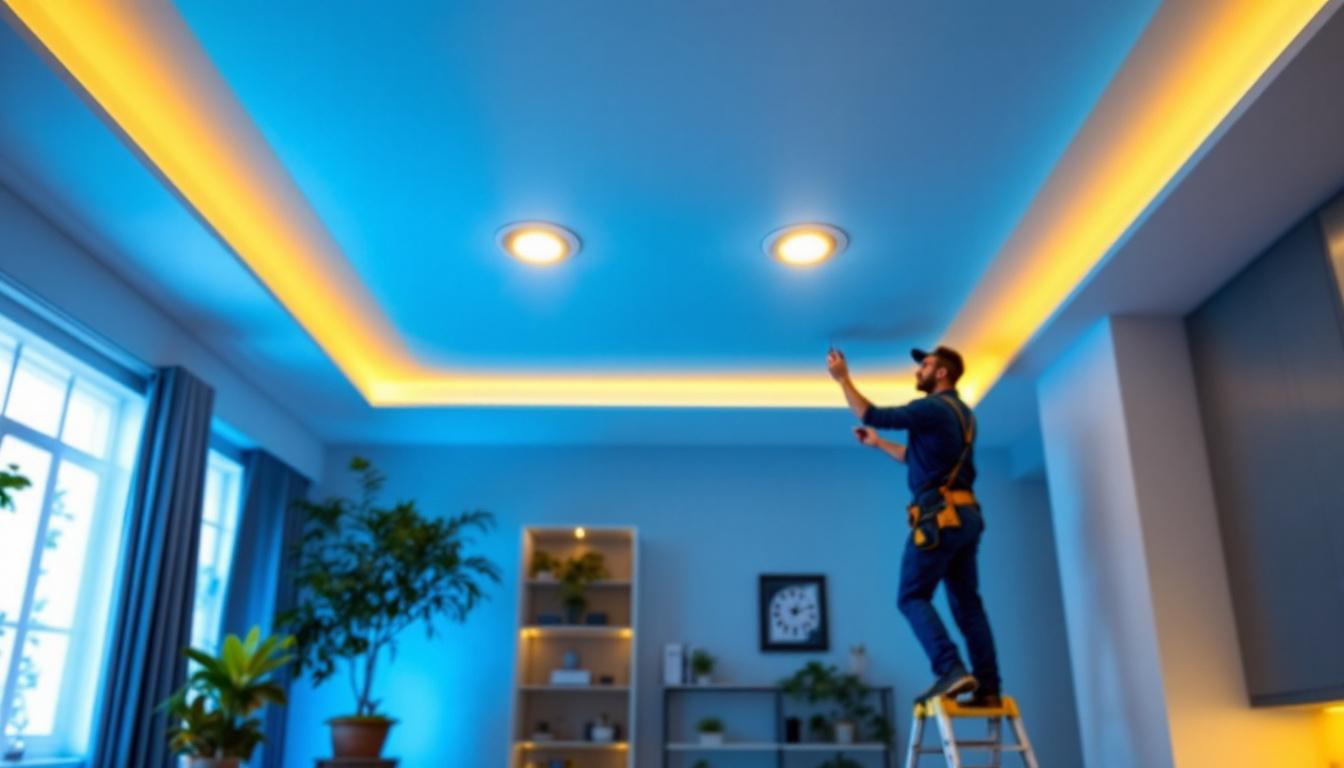
Retrofit LED recessed lights are transforming the way contractors approach lighting upgrades. These fixtures are designed to replace traditional recessed lighting without the need to alter existing housings or ceiling structures. For contractors, this means faster installations, fewer complications, and satisfied clients who want modern, energy-efficient lighting solutions.
At their core, retrofit LED recessed lights fit into the existing can or housing, offering a sleek, updated look with significantly improved energy performance. Unlike traditional incandescent or CFL bulbs, LEDs provide longer lifespans, reduced heat output, and better light quality. This combination makes them a popular choice for both residential and commercial projects.
Contractors should note that retrofit LED solutions come in various designs, including baffle trims, reflector trims, and adjustable trims. Each style serves different aesthetic and functional purposes, allowing contractors to tailor lighting to client preferences and room requirements. Additionally, many retrofit options now feature dimmable capabilities, enabling clients to create the perfect ambiance for any occasion, whether it’s a cozy family dinner or a vibrant gathering with friends.
Moreover, the energy efficiency of retrofit LED recessed lights translates into significant cost savings over time. With the ability to consume up to 80% less energy than their incandescent counterparts, these LEDs not only reduce electricity bills but also contribute to lower carbon footprints. This eco-friendly aspect is increasingly appealing to environmentally conscious consumers and businesses alike, who are looking to make sustainable choices in their lighting solutions. Furthermore, many retrofit LED products are compatible with smart home systems, allowing users to control their lighting remotely or set schedules, enhancing convenience and efficiency in everyday life.
Key Benefits for Contractors and Clients
Energy Efficiency and Cost Savings
One of the most compelling reasons to recommend retrofit LED recessed lights is their energy efficiency. LEDs consume up to 80% less energy than incandescent bulbs and around 50% less than CFLs. This translates directly into lower utility bills for clients, a strong selling point when discussing upgrades. With rising energy costs, clients are increasingly looking for sustainable solutions that not only benefit the environment but also their wallets.
For contractors, this efficiency means fewer callbacks related to overheating or bulb replacements. LEDs typically last 25,000 to 50,000 hours, reducing maintenance needs and increasing client satisfaction. Additionally, many retrofit LED products qualify for utility rebates or incentives, providing an extra layer of value. These financial incentives can significantly offset the initial investment, making it easier for clients to justify the upgrade. Furthermore, as energy efficiency becomes a priority in building codes and regulations, contractors who offer LED solutions position themselves as forward-thinking professionals in a competitive market.
Simple Installation and Retrofit Compatibility
Retrofit LED recessed lights are designed with ease of installation in mind. Most models feature quick-connect wiring and spring clips that secure the fixture within the existing housing. This eliminates the need for complex electrical work or ceiling modifications, saving time and labor costs. The straightforward installation process not only speeds up project timelines but also minimizes disruption for clients, allowing them to enjoy their upgraded lighting sooner.
Compatibility is a crucial factor. Contractors should verify that the retrofit LED fits the existing housing size—commonly 4-inch, 5-inch, or 6-inch cans. Some retrofit kits are designed to work with specific housings or require compatible dimmers, so checking specifications before purchase is essential to avoid installation issues. Additionally, many manufacturers provide detailed installation guides and customer support, further simplifying the process for contractors and ensuring a smooth transition for clients.
Improved Light Quality and Design Flexibility
LED technology offers superior light quality compared to older lighting types. Retrofit LED recessed lights provide consistent color temperatures, from warm white to daylight, allowing contractors to match lighting to the space’s ambiance. High color rendering index (CRI) options ensure colors appear natural and vibrant, an important consideration for retail or hospitality clients. This enhanced light quality not only improves the aesthetic appeal of a space but can also influence customer behavior, making it a vital aspect for businesses aiming to create inviting environments.
Design flexibility extends beyond color temperature. Many retrofit LEDs come with adjustable trims or directional features, enabling contractors to highlight artwork, architectural details, or specific zones within a room. This adaptability enhances the overall lighting design and client satisfaction. Furthermore, the slim profile of many retrofit options allows for creative applications in tight spaces where traditional fixtures may not fit. As clients increasingly seek personalized and unique designs, the ability to customize lighting solutions becomes a significant advantage for contractors, setting them apart from competitors in the industry.
Technical Considerations for Lighting Contractors
Compatibility with Existing Dimmers and Controls
Not all retrofit LED recessed lights are compatible with existing dimming systems. Contractors must verify dimmer compatibility to prevent flickering, buzzing, or reduced dimming range. LED-specific dimmers or universal dimmers designed for LEDs often provide the best performance.
In projects involving smart home or building automation systems, retrofit LEDs that support dimming and integration with controls like Zigbee, Z-Wave, or Wi-Fi can add significant value. These features allow clients to customize lighting scenes and schedules, improving energy management and convenience. Furthermore, the integration of voice control systems, such as Amazon Alexa or Google Assistant, can elevate user experience by allowing clients to adjust lighting with simple voice commands, making the space more accessible and user-friendly.
Thermal Management and Safety
LEDs generate less heat than traditional bulbs, but proper thermal management remains critical. Retrofit LED fixtures typically include heat sinks to dissipate heat and maintain performance. Contractors should ensure that fixtures are installed in housings rated for LED use and that insulation contact (IC) ratings are observed to prevent overheating.
Failing to consider thermal requirements can lead to premature fixture failure or safety hazards. Confirming that retrofit LED products meet UL or ETL safety standards is a best practice that protects both contractors and clients. Additionally, educating clients about the importance of maintaining proper airflow around fixtures can further enhance safety and longevity. This may involve advising them on the best practices for insulation placement and ensuring that any surrounding materials are non-combustible, thus minimizing fire risks and ensuring compliance with local building codes.
Light Distribution and Beam Angles
Understanding beam angles and light distribution patterns is essential for effective lighting design. Retrofit LED recessed lights come with various beam spreads, from narrow spotlights to wide floodlights. Narrow beams are ideal for accent lighting, while wider beams suit general illumination.
Contractors should evaluate the room size, ceiling height, and lighting objectives to select the appropriate beam angle. This ensures uniform lighting, reduces shadows, and enhances the space’s functionality. Moreover, considering the color temperature of the LEDs can also play a pivotal role in the overall ambiance of the space. Warmer tones (2700K-3000K) can create a cozy and inviting atmosphere, perfect for residential settings, while cooler tones (4000K-5000K) are often favored in commercial environments for their crisp and vibrant quality. By combining the right beam angle with the appropriate color temperature, contractors can significantly influence the mood and usability of the space, catering to the specific needs and preferences of their clients.
Common Challenges and How to Overcome Them
Ensuring Proper Fit and Avoiding Retrofit Pitfalls
One frequent challenge is ensuring the retrofit LED fits perfectly into the existing housing. Variations in housing dimensions or older, non-standard cans can complicate installation. Contractors should measure housings carefully and consult manufacturer guidelines before ordering retrofit kits.
In some cases, adapters or conversion kits may be necessary. Being prepared with the right tools and parts can prevent delays and additional costs.
Addressing Client Expectations on Light Appearance
Clients often expect retrofit LEDs to match or improve upon the lighting quality of their existing fixtures. Educating clients about color temperature options and CRI can help align expectations. Providing samples or demonstrating lighting differences on-site can be effective strategies.
Contractors should also discuss dimming capabilities upfront. Some retrofit LEDs may not dim as smoothly as incandescent bulbs, so setting realistic expectations can avoid dissatisfaction.
Dealing with Electrical and Code Compliance
Electrical codes and safety standards vary by region, and contractors must ensure retrofit LED installations comply with local regulations. This includes verifying that fixtures are listed for use in wet or damp locations if applicable, and that wiring methods meet code requirements.
In commercial settings, lighting upgrades may trigger additional code considerations, such as emergency lighting or occupancy sensor integration. Staying informed about these requirements helps contractors deliver compliant, safe installations.
Maximizing Business Opportunities with Retrofit LED Recessed Lights
Marketing Energy Efficiency and Sustainability
Energy efficiency is a powerful marketing tool. Contractors can highlight the environmental benefits of retrofit LED recessed lights, appealing to clients who prioritize sustainability. Demonstrating potential energy savings and reduced carbon footprint can differentiate a contractor’s services in a competitive market.
Offering energy audits or lighting assessments can open doors to retrofit projects. Clients appreciate data-driven recommendations that show clear financial and environmental returns.
Expanding Service Offerings with Smart Lighting Solutions
The rise of smart lighting presents opportunities for contractors to expand their service portfolio. Retrofit LED recessed lights compatible with smart controls enable contractors to offer advanced lighting solutions without extensive rewiring.
Training in smart home technologies and partnerships with control system providers can position contractors as experts in modern lighting systems, attracting tech-savvy clients and commercial accounts.
Building Long-Term Client Relationships
Retrofit LED recessed lighting projects often lead to repeat business. Contractors who provide thorough consultations, quality installations, and post-installation support build trust and loyalty. Offering maintenance plans or upgrades as technology evolves keeps clients engaged.
Positive word-of-mouth and referrals from satisfied clients are invaluable. Documenting successful retrofit projects with before-and-after photos and testimonials can enhance marketing efforts.
Conclusion: Essential Takeaways for Lighting Contractors
Retrofit LED recessed lights offer a compelling combination of efficiency, ease of installation, and design versatility. For contractors, understanding product specifications, installation nuances, and client expectations is key to successful projects.
Prioritizing compatibility, dimmer support, and thermal management ensures reliable, safe lighting upgrades. Addressing common challenges proactively and leveraging the sustainability and smart technology trends can boost business growth.
With the right knowledge and approach, lighting contractors can confidently recommend and install retrofit LED recessed lights, delivering value and satisfaction to every client.
Upgrade Your Projects with LumenWholesale
Ready to elevate your lighting installations with the efficiency, ease, and elegance of retrofit LED recessed lights? Look no further than LumenWholesale for all your lighting needs. Our commitment to quality and affordability ensures that you can offer your clients the best value in lighting solutions. Take advantage of our spec-grade products, wholesale pricing, and the convenience of free shipping on bulk orders. Don’t let middleman markups impact your bottom line. Choose LumenWholesale for premium lighting that meets the highest industry standards. Wholesale Lighting at the Best Value is just a click away. Transform your lighting projects today!