Understanding the Basics: Why Light Bulb Types Matter to Lighting Contractors
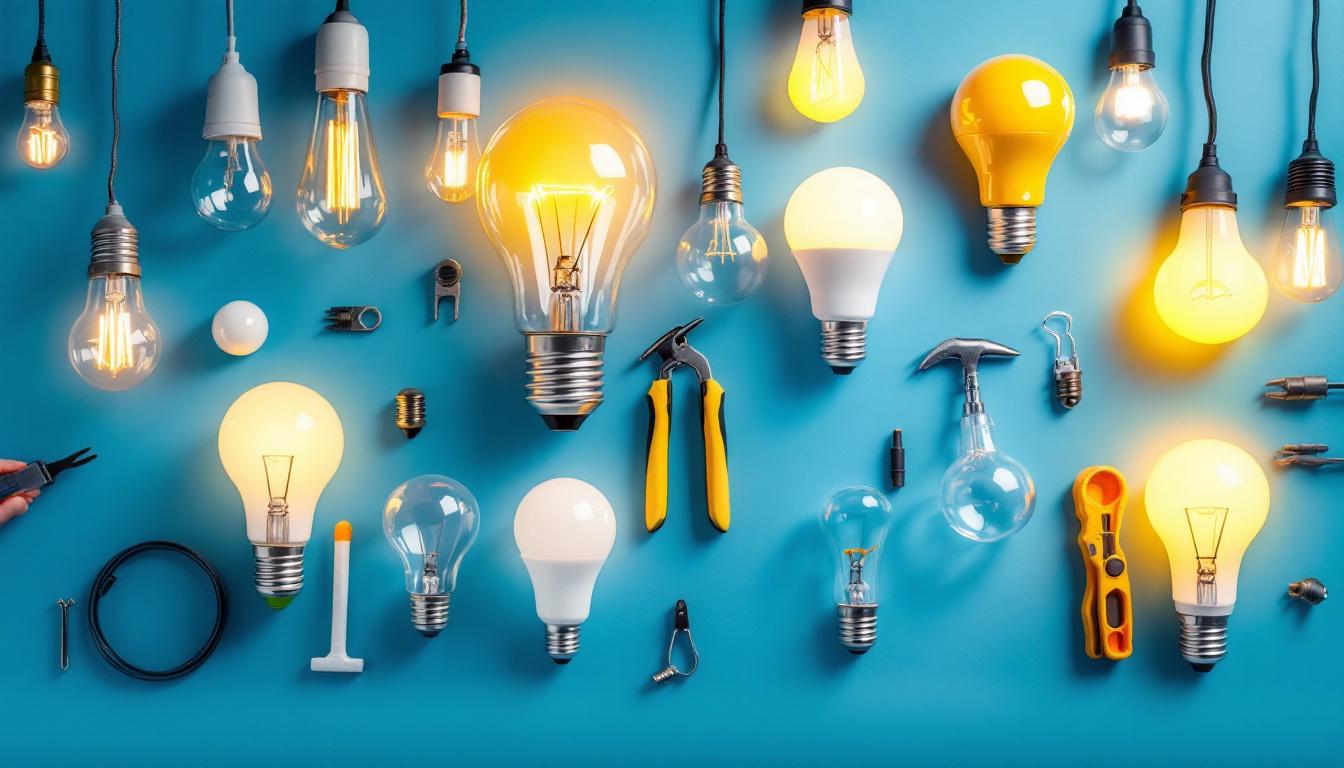
Lighting contractors face a unique set of challenges when selecting the right bulbs for a project. The choice of light bulb affects not only the aesthetics but also energy efficiency, longevity, and maintenance costs. Each type of bulb offers distinct characteristics that can either enhance or hinder a lighting design.
For professionals in the field, knowing the ins and outs of various light bulbs is crucial. It enables them to recommend solutions that meet client needs while optimizing performance and cost-effectiveness. This knowledge also helps contractors stay competitive by offering the latest lighting technologies and innovations.
One of the most significant advancements in lighting technology has been the rise of LED bulbs. These bulbs are not only energy-efficient but also have an impressive lifespan, often lasting up to 25,000 hours or more. This longevity translates into lower replacement costs and less frequent maintenance, which is a significant advantage for contractors managing large-scale projects. Furthermore, LEDs come in various color temperatures, allowing for greater flexibility in creating the desired ambiance in residential or commercial spaces. This versatility can be a game-changer for contractors looking to meet specific design goals while adhering to energy regulations.
Another important factor to consider is the environmental impact of different bulb types. With growing awareness of sustainability, many clients are now seeking eco-friendly lighting solutions. Fluorescent bulbs, for example, contain mercury and require careful disposal, whereas LEDs are free from hazardous materials and are fully recyclable. By understanding the environmental implications of their choices, lighting contractors can not only provide better options for their clients but also contribute to a greener future. This commitment to sustainability can enhance a contractor’s reputation and appeal to a broader clientele who prioritize eco-conscious practices in their projects.
Incandescent Bulbs: The Classic Choice with Limitations
Incandescent bulbs have been around for over a century and are familiar to most clients. They produce a warm, inviting light and have excellent color rendering, which means colors appear natural and vibrant under their glow. However, they are highly inefficient compared to modern alternatives, converting only about 10% of energy into visible light, with the rest lost as heat.
For lighting contractors, this inefficiency translates into higher energy costs for clients and more frequent replacements due to shorter lifespans, typically around 1,000 hours. Incandescent bulbs are now mostly phased out in many regions due to energy regulations, but they remain relevant in specialty applications where their unique light quality is desired.
One of the key advantages of incandescent bulbs is their ability to be dimmed easily, providing flexibility in creating various atmospheres. This feature is particularly valued in residential settings, where homeowners often seek to adjust lighting for different activities, from intimate dinners to lively gatherings. Additionally, the instant-on capability of incandescent bulbs means they reach full brightness immediately, unlike some modern options that may take time to warm up. This characteristic makes them a preferred choice in spaces where immediate illumination is essential, such as hallways or staircases.
Despite their drawbacks, incandescent bulbs also have a certain nostalgic charm that appeals to many consumers. Their soft, warm glow can evoke feelings of comfort and familiarity, making them popular in vintage-style fixtures and decorative applications. In cafes, restaurants, and boutique shops, the aesthetic quality of incandescent lighting can enhance the overall ambiance, drawing customers in and encouraging them to linger. As a result, while the trend is shifting towards more energy-efficient lighting solutions, incandescent bulbs continue to hold a place in the hearts of those who appreciate their timeless appeal and the unique warmth they bring to any environment.
Halogen Bulbs: Enhanced Incandescence with Improved Efficiency
Halogen bulbs are a refined version of incandescent bulbs, using halogen gas to increase efficiency and lifespan. They offer brighter, whiter light and better energy efficiency-about 20-30% more efficient than traditional incandescents. Their lifespan ranges from 2,000 to 4,000 hours, making them a more durable option.
Lighting contractors often use halogen bulbs in applications requiring crisp, bright lighting, such as retail displays or task lighting. However, they still generate significant heat and consume more energy than newer technologies, which limits their use in energy-conscious projects.
Compact Fluorescent Lamps (CFLs): A Step Toward Energy Savings
CFLs marked a significant shift toward energy-efficient lighting. They use about 70-80% less energy than incandescent bulbs and last up to 10 times longer, typically around 8,000 to 15,000 hours. CFLs achieve this by exciting mercury vapor inside the bulb, which produces ultraviolet light that then causes a phosphor coating to glow.
While CFLs offer substantial energy savings, they come with drawbacks. They contain small amounts of mercury, requiring careful disposal to avoid environmental harm. Additionally, CFLs can take time to reach full brightness and may not perform well in cold temperatures. For lighting contractors, these factors influence where CFLs are appropriate, particularly in commercial or outdoor settings.
Light Emitting Diodes (LEDs): Revolutionizing Lighting Solutions
LED technology has transformed the lighting industry, becoming the preferred choice for many contractors. LEDs are highly energy-efficient, using up to 90% less energy than incandescent bulbs and lasting 25,000 to 50,000 hours or more. Their durability and low heat emission make them ideal for a wide range of applications, from residential to industrial.
LEDs come in various color temperatures, from warm white to daylight, and offer excellent color rendering. They also provide instant full brightness without warm-up time. For lighting contractors, LEDs reduce maintenance costs and energy bills for clients, while enabling innovative design possibilities such as smart lighting controls and color tuning.
Types of LED Bulbs
Within the LED category, several subtypes exist that contractors should be familiar with:
- Standard LED bulbs: Designed to replace traditional incandescent or CFL bulbs in common fixtures.
- Directional LEDs: Used in spotlights and downlights, providing focused illumination.
- Filament LEDs: Mimic the look of classic incandescent bulbs with visible filaments, popular in decorative lighting.
- Smart LEDs: Integrated with wireless controls, allowing for dimming, color changes, and automation.
Specialty Bulbs: Tailored Solutions for Unique Needs
Lighting contractors often encounter projects requiring specialized bulbs beyond the standard types. These include:
Fluorescent Tubes
Common in commercial and industrial settings, fluorescent tubes offer efficient, broad-area lighting. They have been largely replaced by LED tube replacements but remain in use due to existing infrastructure. Contractors must understand ballast compatibility and disposal regulations when dealing with fluorescents.
High-Intensity Discharge (HID) Bulbs
HID bulbs, such as metal halide and high-pressure sodium lamps, provide intense, bright light suitable for outdoor, street, and large indoor spaces like warehouses. They have high lumen output but require warm-up time and can be less energy-efficient than LEDs. Contractors should weigh these factors when specifying lighting for large-scale projects.
UV and Infrared Bulbs
Used in specialized applications like sterilization, pest control, or heating, these bulbs serve niche markets. Contractors working in healthcare, agriculture, or manufacturing may need to integrate these bulbs into lighting systems carefully, considering safety and regulatory compliance.
How Light Bulb Choices Impact Project Outcomes
Each bulb type influences several critical factors in lighting projects:
Energy Efficiency and Cost Savings
Energy consumption directly affects operational costs for clients. LEDs offer the best return on investment due to their low wattage and long lifespan. Contractors who prioritize energy-efficient bulbs can help clients reduce utility bills and qualify for energy rebates or incentives.
Maintenance and Longevity
Frequent bulb replacements increase labor and material costs. Bulbs with longer lifespans, such as LEDs, minimize downtime and maintenance expenses. Lighting contractors should consider the environment and accessibility of fixtures when selecting bulbs to optimize maintenance schedules.
Light Quality and Application Suitability
Color temperature, color rendering index (CRI), and brightness levels affect ambiance and functionality. For example, warm light enhances comfort in residential spaces, while cooler, brighter light suits offices or retail environments. Contractors must match bulb characteristics to the intended use and client preferences.
Environmental and Regulatory Considerations
Disposal regulations for bulbs containing mercury or hazardous materials require contractors to follow proper protocols. Additionally, many regions have phased out inefficient bulbs, influencing what can be installed legally. Staying informed about local codes ensures compliance and client satisfaction.
Emerging Trends and Technologies Lighting Contractors Should Watch
The lighting industry continues to evolve with innovations that impact how contractors approach their work.
Human-Centric Lighting
Lighting designed to support human circadian rhythms is gaining traction. Adjustable color temperatures and intensities help improve well-being and productivity. Contractors integrating these systems must understand the technology and its benefits to recommend appropriate solutions.
Internet of Things (IoT) Integration
Smart lighting connected to building management systems allows for advanced control, energy monitoring, and automation. Contractors skilled in IoT can offer clients enhanced functionality and data-driven insights, transforming traditional lighting into intelligent infrastructure.
Sustainable and Recyclable Materials
As sustainability becomes a priority, manufacturers are developing bulbs with recyclable components and reduced environmental impact. Lighting contractors advocating for green solutions can differentiate themselves and meet growing client demand for eco-friendly options.
Conclusion: Mastering Light Bulb Knowledge to Elevate Your Craft
For lighting contractors, understanding the diverse types of light bulbs is more than technical knowledge-it’s a competitive advantage. Selecting the right bulb affects energy efficiency, aesthetics, maintenance, and regulatory compliance, all critical to project success.
Staying current with evolving technologies and trends empowers contractors to deliver innovative, cost-effective, and sustainable lighting solutions. This expertise builds trust with clients and positions contractors as leaders in a rapidly changing industry.
Illuminate Your Projects with LumenWholesale
Ready to elevate your lighting projects with the best in the business? At LumenWholesale, we provide lighting contractors with the highest quality, spec-grade lighting products at unbeatable wholesale prices. Say goodbye to local distributor markups and hello to superior lighting solutions that meet the highest industry standards. With our extensive selection, free shipping on bulk orders, and commitment to affordability and convenience, you’re set to impress your clients and shine in your craft. Don’t settle for less—choose LumenWholesale for Wholesale Lighting at the Best Value and light up your work with confidence and cost-efficiency.