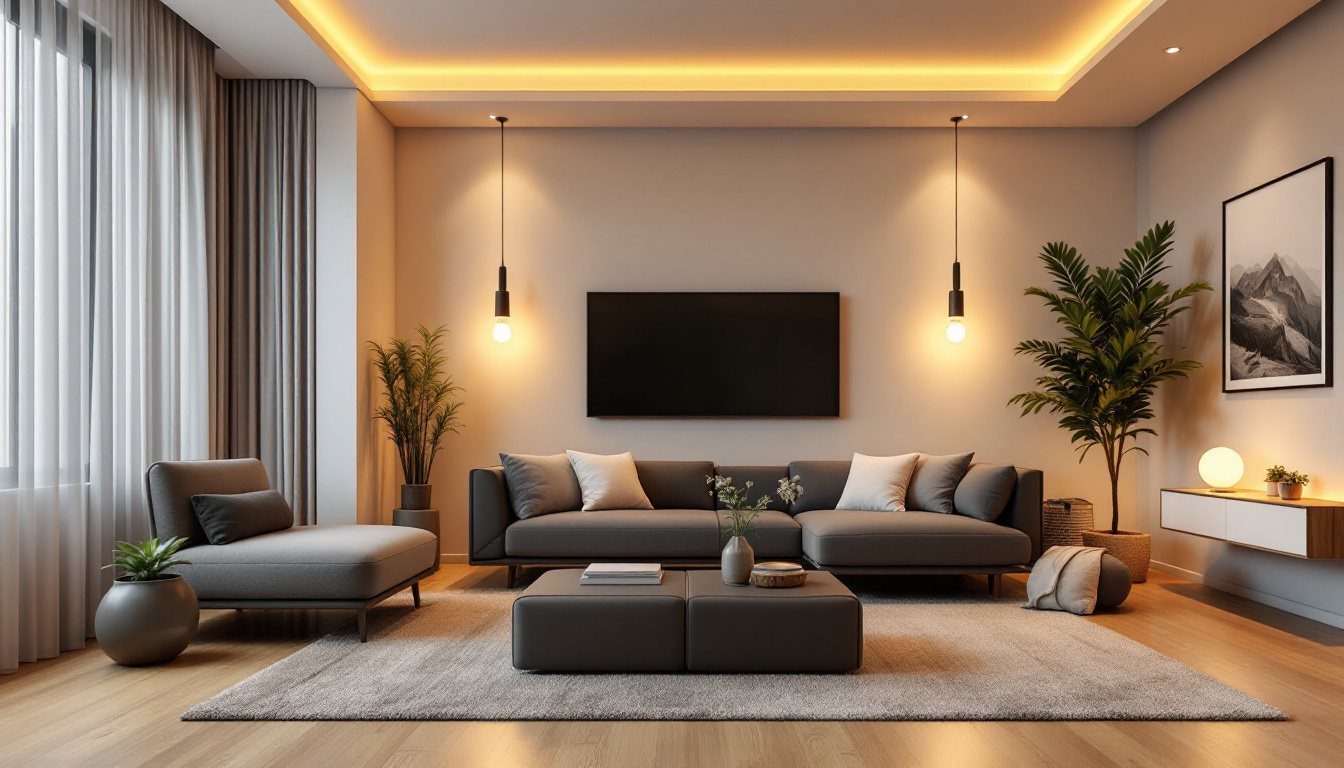
Why Basement Light Covers Matter More Than You Think
Basements often get overlooked when it comes to lighting design, yet they present unique challenges that make the choice of light covers crucial. Unlike other areas of a home or commercial space, basements tend to have lower ceilings, higher moisture levels, and limited natural light. These factors mean that lighting contractors must carefully select covers that not only protect fixtures but also enhance illumination and safety.
Light covers in basements serve multiple purposes beyond aesthetics. They shield bulbs from dust, debris, and accidental impact, which is particularly important in spaces often used for storage or mechanical equipment. Moisture resistance is another key consideration, especially in basements prone to dampness or occasional flooding. Choosing the right cover can extend the lifespan of lighting fixtures and reduce maintenance costs.
For contractors, understanding these nuances is essential. The wrong cover can lead to diminished light output, increased energy consumption, and even safety hazards. On the other hand, a well-chosen cover can improve the ambiance, functionality, and durability of basement lighting installations.
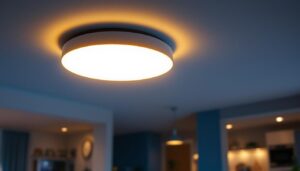
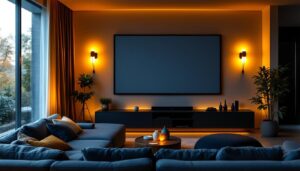
Moreover, the choice of light cover can significantly influence the overall aesthetic of the basement. With the rise of multifunctional basements that serve as entertainment areas, home gyms, or workshops, selecting stylish yet practical covers can enhance the visual appeal of these spaces. Options such as frosted or textured glass covers can diffuse light beautifully, creating a warm and inviting environment, while still providing the necessary protection against the unique challenges of basement conditions.
Additionally, energy efficiency is an increasingly important factor in lighting design. Many modern light covers are designed to work in conjunction with energy-efficient bulbs, such as LEDs, which not only reduce electricity costs but also generate less heat. This is particularly beneficial in basements, where ventilation can be limited. By opting for covers that maximize light distribution while minimizing energy consumption, homeowners and contractors can contribute to a more sustainable living environment, all while ensuring that the basement remains a functional and comfortable space.
Types of Basement Light Covers and Their Applications
Plastic and Polycarbonate Covers
Plastic covers, especially those made from polycarbonate, are popular in basement settings due to their durability and impact resistance. They are lightweight and easy to install, making them a favorite among contractors working in tight or awkward spaces.
Polycarbonate covers provide excellent protection against moisture and dust, which is vital in basements that may experience humidity fluctuations. They also offer good light diffusion, reducing glare and creating a more even illumination. However, it’s important to select UV-stabilized options to prevent yellowing over time, especially if the basement receives any indirect sunlight. Additionally, polycarbonate covers can be treated with anti-fogging coatings, which can be particularly beneficial in basements that experience temperature changes, ensuring that visibility remains clear even in humid conditions.
Glass and Acrylic Covers
Glass covers bring a more polished look to basement lighting but require careful handling during installation. They tend to be heavier and more fragile than plastic alternatives but offer superior clarity and scratch resistance.
Acrylic covers are a middle ground, offering better impact resistance than glass while maintaining good light transmission. Both glass and acrylic covers are suitable for finished basements where aesthetics are a priority. Contractors should ensure these covers are sealed properly to prevent moisture ingress. Furthermore, glass covers can be treated with coatings that enhance their energy efficiency, helping to retain heat in colder months, which can be an essential consideration in maintaining a comfortable basement environment. Acrylic options, on the other hand, can be tinted or frosted to create a softer ambiance, allowing homeowners to customize their lighting to suit various activities, from relaxing evenings to vibrant gatherings.
Metal and Mesh Covers
In utility or workshop-style basements, metal or mesh covers are often preferred. These covers protect bulbs from physical damage without significantly obstructing light. They are typically made from steel or aluminum and can be powder-coated for corrosion resistance.
While metal covers don’t diffuse light, they are excellent for areas where durability is paramount. Contractors should consider the trade-off between protection and light quality when specifying these covers. Moreover, mesh covers can provide additional ventilation, which can be advantageous in basements that house equipment generating heat. This airflow helps to maintain a stable temperature, preventing overheating of fixtures and prolonging their lifespan. Additionally, the industrial aesthetic of metal covers can complement a modern or rustic basement design, offering both functionality and style that appeals to a wide range of homeowners.
Key Factors Contractors Should Consider When Selecting Basement Light Covers
Moisture and Environmental Resistance
Basements can be damp environments, especially in older buildings or those with inadequate waterproofing. Contractors must prioritize covers that provide a tight seal against moisture to prevent electrical hazards and fixture degradation.
Look for covers rated for damp or wet locations, often indicated by an IP (Ingress Protection) rating. An IP65 rating, for example, means the cover is dust-tight and protected against water jets, making it suitable for basements with occasional moisture exposure.
Light Diffusion and Brightness
One of the biggest challenges in basement lighting is achieving sufficient brightness without harsh glare. Light covers play a crucial role in diffusing light evenly across the space.
Frosted or prismatic covers are excellent choices for this purpose. They scatter light, reducing shadows and creating a softer, more inviting atmosphere. Contractors should avoid overly dark or tinted covers that can reduce lumen output and make the basement feel gloomy.
Ease of Maintenance and Replacement
Basements are often out of sight, which can lead to deferred maintenance. Choosing light covers that are easy to remove and clean encourages regular upkeep, extending fixture life and maintaining optimal lighting conditions.
Snap-on or hinged covers are popular for this reason. They allow quick access to bulbs for replacement or cleaning without the need for tools, saving time and effort for both contractors and homeowners.
Compliance with Building Codes and Safety Standards
Lighting contractors must ensure that all basement light covers meet local building codes and safety regulations. This includes fire resistance, electrical safety, and suitability for the specific environment.
Using covers certified by recognized organizations such as UL (Underwriters Laboratories) or CSA (Canadian Standards Association) provides assurance of quality and compliance. Additionally, contractors should verify that covers are compatible with the type of bulbs used, especially when working with LED or fluorescent fixtures.
Innovations and Trends in Basement Light Covers
Smart Lighting Integration
Smart home technology is making its way into basement lighting. Some modern light covers are designed to accommodate sensors, cameras, or smart bulbs, enabling features like motion detection, dimming, and color temperature adjustment.
Contractors can add value by recommending covers that support these technologies, enhancing both convenience and energy efficiency. For example, motion-activated lighting covers can help reduce electricity usage in basements that are infrequently occupied.
Eco-Friendly and Sustainable Materials
Environmental considerations are influencing material choices for light covers. Recycled plastics and sustainably sourced glass are becoming more common, appealing to eco-conscious clients.
Contractors should stay informed about these options, as they often provide comparable performance to traditional materials while reducing environmental impact. Offering sustainable solutions can differentiate a contractor’s services in a competitive market.
Custom and Decorative Covers
Finished basements used as living spaces or entertainment areas benefit from decorative light covers that complement interior design. Custom covers can be fabricated from various materials and feature unique textures or patterns.
While not always necessary in utility basements, contractors working on high-end projects should be prepared to offer or source these options. They combine functionality with style, enhancing the overall appeal of the basement.
Common Mistakes to Avoid When Installing Basement Light Covers
Ignoring Ventilation Needs
Some light covers trap heat, which can shorten bulb life or cause fixture damage. In basements where ventilation is limited, selecting covers with adequate airflow or heat dissipation features is critical.
Contractors should avoid fully enclosed covers for high-wattage bulbs unless the fixture is rated for such use. LED bulbs generate less heat and are often a better match for enclosed covers.
Overlooking Fixture Compatibility
Not all light covers fit every fixture. Installing a cover that doesn’t properly secure or align with the fixture can lead to rattling, gaps, or even falling covers.
Careful measurement and verification of compatibility are essential steps. Contractors should consult manufacturer specifications and, when possible, test-fit covers before final installation.
Neglecting Client Needs and Usage Patterns
Basements serve many purposes-from storage and laundry rooms to home theaters and gyms. Each use case demands different lighting considerations.
Contractors should engage clients in discussions about how the basement will be used to recommend covers that optimize both function and comfort. For example, a workshop basement may prioritize durability, while a finished basement might emphasize aesthetics and light quality.
Tips for Lighting Contractors: Maximizing Basement Light Cover Performance
Start by assessing the basement’s environment thoroughly. Check for moisture levels, ceiling height, and typical activities. This groundwork informs the choice of covers that will perform best under those conditions.
Choose covers that balance protection and light output. Sometimes, a slightly more expensive cover with better diffusion or sealing pays off in reduced maintenance and happier clients.
Keep abreast of new materials and technologies. The lighting industry evolves quickly, and staying informed helps contractors offer cutting-edge solutions that meet client expectations and regulatory demands.
Finally, document your installations carefully. Providing clients with information on the type of covers used, their maintenance requirements, and warranty details builds trust and encourages proper care.
Conclusion
Basement light covers are more than just protective accessories-they are integral components that influence the safety, efficiency, and ambiance of basement lighting. For lighting contractors, understanding the variety of covers available, their material properties, and their suitability for different basement environments is essential.
By selecting the right covers and avoiding common pitfalls, contractors can enhance their reputation, reduce callbacks, and deliver lighting solutions that stand the test of time. Whether working on a damp utility basement or a finished living space, the expert insights shared here serve as a valuable guide for making informed decisions that benefit both contractors and their clients.
Illuminate Your Projects with LumenWholesale
Ready to elevate your basement lighting projects with the finest selection of light covers? At LumenWholesale, we offer a vast array of spec-grade lighting products that blend quality, affordability, and convenience. Say goodbye to middleman markups and hello to unbeatable wholesale prices, complemented by the ease of bulk purchases and free shipping. Enhance the safety, efficiency, and ambiance of your lighting installations with our top-quality solutions. Discover the perfect lighting covers for your next project and experience the LumenWholesale difference. Wholesale Lighting at the Best Value is just a click away.