Understanding the Single Light Sconce: A Contractor’s Perspective
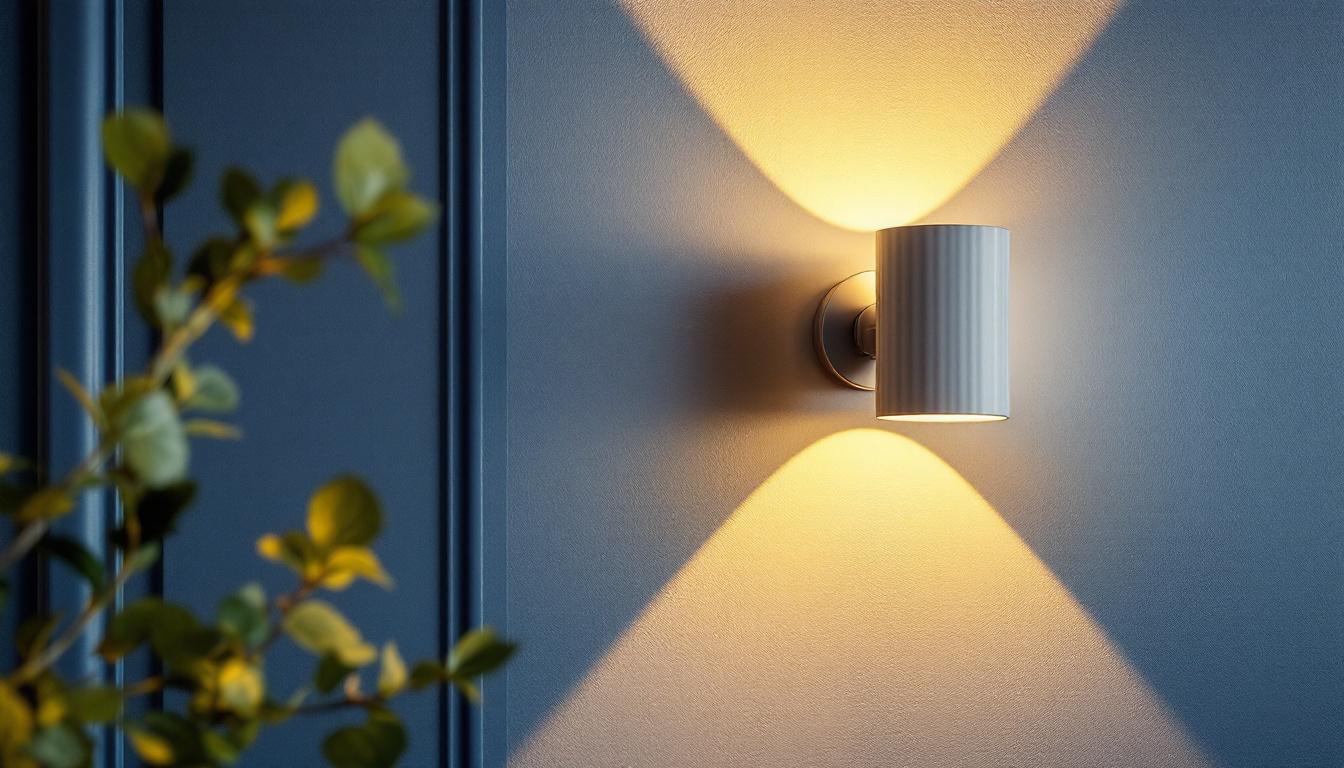
Single light sconces are a staple in both residential and commercial lighting design, offering a blend of functionality and aesthetic appeal. For lighting contractors, understanding the nuances of these fixtures is essential to delivering projects that meet client expectations while adhering to technical standards. Unlike multi-light fixtures, single light sconces focus illumination in a targeted area, making them ideal for accent lighting, task lighting, or ambient enhancement.
From a contractor’s viewpoint, the choice of a single light sconce involves more than just picking a stylish fixture. It requires a comprehensive understanding of electrical requirements, mounting options, and compatibility with existing lighting systems. Proper installation is critical to ensure safety, optimal performance, and longevity of the fixture.
Key Features and Benefits
Single light sconces offer several advantages that make them a preferred choice in many lighting projects. Their compact design allows for installation in tight spaces where larger fixtures would be impractical. Additionally, they provide focused illumination that can highlight architectural features, artwork, or create a welcoming ambiance in hallways and entryways.
Energy efficiency is another important factor. Many modern single light sconces are compatible with LED bulbs, which consume less power and have longer lifespans compared to traditional incandescent bulbs. This not only reduces operational costs but also aligns with sustainability goals increasingly prioritized by clients.
Moreover, the versatility of single light sconces cannot be overstated. They come in a variety of styles, from sleek and contemporary to ornate and traditional, allowing contractors to cater to diverse design preferences. This adaptability makes them suitable for various environments, whether it’s a cozy residential living room or a sophisticated commercial office space. Additionally, many sconces are designed with adjustable features, such as swivel heads or dimming capabilities, providing further customization to meet specific lighting needs and enhance the overall user experience.
Another significant aspect to consider is the impact of placement and height on the effectiveness of single light sconces. Proper positioning can dramatically influence the ambiance of a space, creating shadows and highlights that bring a room to life. For instance, mounting sconces at eye level can create a more inviting atmosphere, while higher placements can provide broader illumination without overwhelming the space. As contractors, understanding the interplay between light and shadow is crucial for achieving the desired aesthetic and functional outcomes in any project.
Installation Best Practices: Insights from Industry Experts
Proper installation of single light sconces is crucial to ensure both safety and aesthetic appeal. Lighting contractors emphasize the importance of thorough planning before beginning the installation process. This includes assessing the wall structure, electrical wiring, and the fixture’s weight and mounting mechanism. Taking the time to evaluate these factors not only enhances the longevity of the installation but also helps in achieving the desired lighting effect that complements the overall design of the space.
Experts recommend using a stud finder to locate secure mounting points, especially for heavier fixtures. In cases where studs are not accessible, appropriate anchors designed for drywall or masonry should be used to prevent the sconce from loosening or falling over time. Additionally, it is wise to consider the aesthetic alignment of the sconce with existing decor, ensuring that it not only serves a functional purpose but also enhances the visual appeal of the room.
Electrical Considerations
Electrical safety is paramount. Contractors must verify that the circuit can handle the additional load of the new fixture and that the wiring complies with local electrical codes. Using a voltage tester before installation ensures that the power is off, preventing accidents. It’s also advisable to check for any potential issues with the existing wiring, such as frayed connections or outdated materials, which could pose safety hazards in the long run.
Many single light sconces are designed for either hardwired installation or plug-in options. Hardwired fixtures require direct connection to the home’s electrical system, often necessitating a licensed electrician’s involvement to ensure code compliance. Plug-in sconces offer flexibility and ease of installation but may not suit all design preferences or locations. Homeowners should weigh the pros and cons of each option, considering factors such as accessibility to outlets, the permanence of the installation, and the overall design vision for the space.
Positioning and Height Guidelines
Proper placement of single light sconces significantly impacts their effectiveness. Contractors often follow established guidelines to determine the optimal height and spacing. For general ambient lighting, sconces are typically installed between 60 to 72 inches from the floor. When used for task lighting, such as beside a mirror or reading nook, the height may be adjusted to reduce shadows and glare. It’s essential to consider the specific activities that will take place in the area, as this can influence the ideal positioning of the sconces.
Spacing between sconces is also critical, especially when multiple fixtures are used along a corridor or wall. A common rule of thumb is to space sconces approximately 6 to 8 feet apart, but this can vary based on the fixture’s brightness and the room’s dimensions. Additionally, the design of the sconces themselves can affect how light is dispersed in the room. Fixtures with open designs may require closer spacing to create a cohesive lighting effect, while more focused designs might allow for wider spacing without sacrificing illumination quality. Thoughtful consideration of these factors can elevate the room’s ambiance and functionality, creating a harmonious blend of light and space.
Choosing the Right Single Light Sconce for Different Applications
Lighting contractors must consider the specific application when selecting a single light sconce. The diversity of available styles, finishes, and functionalities allows for tailored solutions that enhance the overall design while meeting practical needs.
Residential Settings
In residential projects, single light sconces are often used in hallways, bedrooms, bathrooms, and living rooms. Contractors recommend fixtures that complement the home’s interior style—from traditional to contemporary—while providing adequate illumination.
Moisture-resistant sconces are essential for bathrooms or outdoor areas to prevent damage and ensure safety. Additionally, dimmable options are popular in living spaces to allow homeowners to adjust lighting levels according to mood or activity.
Commercial and Hospitality Environments
In commercial settings such as offices, hotels, and restaurants, single light sconces serve both functional and decorative purposes. Contractors highlight the importance of durability and ease of maintenance in these environments, where fixtures may be subject to frequent use and cleaning.
Energy efficiency and compliance with commercial building codes are also critical. Many businesses opt for LED sconces with integrated controls, enabling automated lighting schedules and reducing energy consumption.
Outdoor Use and Weather Resistance
Outdoor single light sconces must withstand varying weather conditions, including rain, wind, and temperature fluctuations. Contractors stress the importance of selecting fixtures with appropriate IP (Ingress Protection) ratings to ensure longevity and safety.
Materials such as stainless steel, aluminum, and weather-resistant plastics are commonly used for outdoor sconces. Additionally, features like sealed enclosures and corrosion-resistant finishes enhance durability.
Trends and Innovations in Single Light Sconce Technology
The lighting industry continues to evolve, with technological advancements influencing the design and functionality of single light sconces. Contractors who stay informed about these trends can offer clients cutting-edge solutions that combine aesthetics with performance.
Smart Lighting Integration
Smart lighting technology has become increasingly prevalent, allowing single light sconces to be controlled via smartphones, voice assistants, or automated systems. This integration offers convenience, energy savings, and enhanced customization.
Contractors note that compatibility with popular smart home platforms is a key consideration when recommending fixtures. Features such as adjustable color temperature and brightness enable users to create dynamic lighting environments tailored to their preferences.
Advanced Materials and Finishes
Innovations in materials have expanded the design possibilities for single light sconces. Lightweight composites, 3D-printed components, and eco-friendly materials are gaining traction, offering contractors more options to meet diverse client demands.
Finishes that resist fingerprints, tarnishing, and corrosion reduce maintenance efforts and preserve the fixture’s appearance over time. These advancements contribute to both the functional and aesthetic longevity of the sconces.
Energy Efficiency and Sustainability
Energy codes and sustainability standards continue to shape lighting choices. Contractors emphasize the importance of selecting fixtures that meet or exceed efficiency requirements, such as those certified by ENERGY STAR or similar programs.
LED technology remains at the forefront, with improvements in light quality and lifespan. Additionally, some single light sconces incorporate solar-powered options for outdoor applications, reducing reliance on grid electricity and promoting green building practices.
Common Challenges and Solutions in Single Light Sconce Projects
Despite their relative simplicity, single light sconce installations can present challenges that require expert problem-solving skills. Contractors share insights on common issues and practical solutions to ensure successful outcomes.
Dealing with Uneven Walls and Surfaces
Uneven or textured walls can complicate sconce mounting, leading to misalignment or instability. Contractors recommend using adjustable mounting brackets or shims to achieve a level installation. In some cases, custom backplates may be fabricated to accommodate irregular surfaces.
Wiring Constraints and Upgrades
Older buildings often have outdated wiring that may not support modern fixtures safely. Contractors advise conducting a thorough electrical assessment before installation and upgrading wiring or circuits as needed. This proactive approach prevents future electrical issues and enhances safety.
Balancing Aesthetics with Functionality
Clients sometimes prioritize design over practicality, selecting sconces that are visually appealing but insufficient in providing necessary illumination. Contractors play a critical role in educating clients about the importance of light output, beam angle, and placement to achieve a harmonious balance.
Conclusion: Elevating Projects with Expert Single Light Sconce Installation
For lighting contractors, mastering the selection and installation of single light sconces is a valuable skill that enhances project quality and client satisfaction. By understanding the technical requirements, design considerations, and emerging trends, contractors can deliver lighting solutions that are safe, efficient, and visually compelling.
Staying current with industry standards and innovations ensures that single light sconces continue to be a versatile and effective choice in diverse lighting applications. Whether working on residential, commercial, or outdoor projects, expert knowledge empowers contractors to illuminate spaces with precision and style.
Illuminate with Confidence and Savings at LumenWholesale
Ready to elevate your lighting projects with the finest single light sconces on the market? Look no further than LumenWholesale, where we provide contractors with exceptional, spec-grade lighting solutions at unparalleled wholesale prices. Our commitment to quality and affordability means you can access a vast array of industry-standard lighting without the burden of inflated costs. Plus, with the convenience of free shipping on bulk orders, you can stock up on premium lighting effortlessly. Don’t compromise on quality or value—Wholesale Lighting at the Best Value is just a click away. Transform your lighting projects with LumenWholesale today.