Understanding the Unique Challenges of Mobile Home Lighting
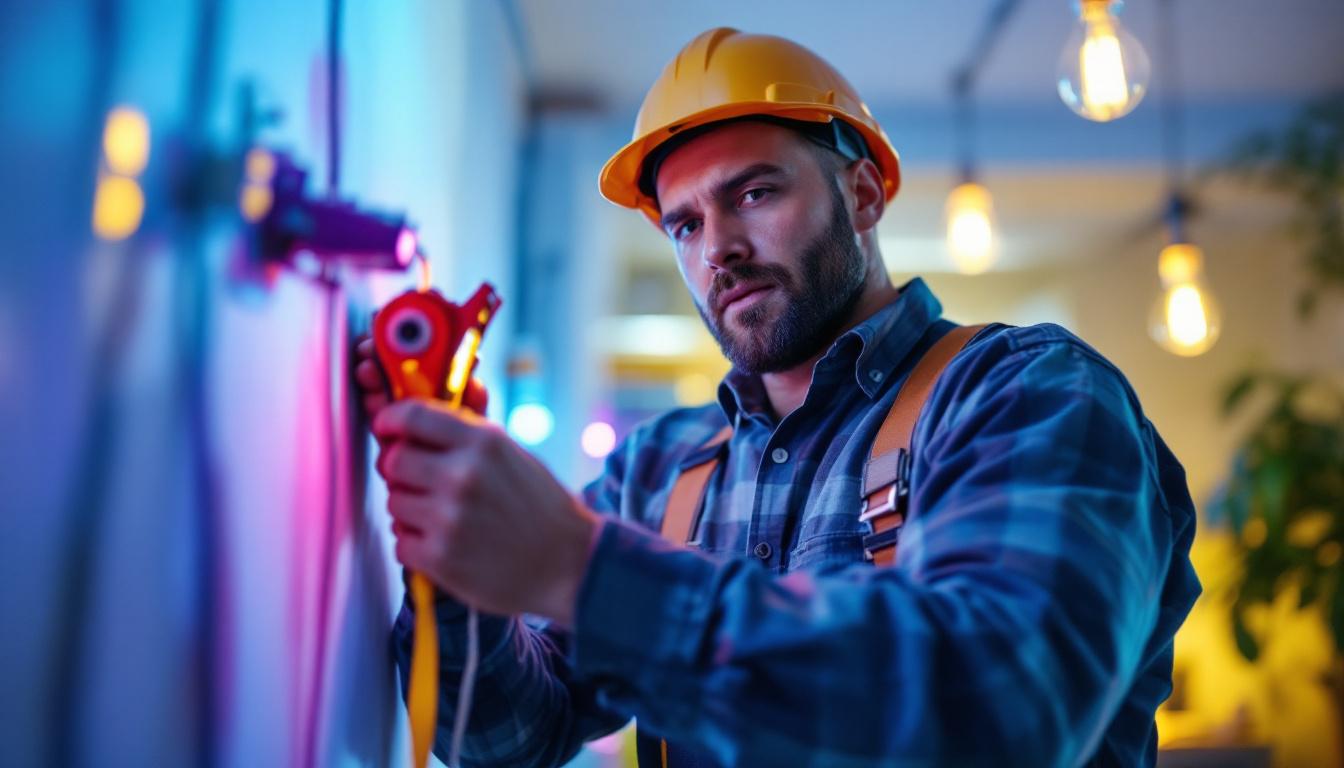
Mobile homes present a distinct set of challenges when it comes to lighting design and installation. Unlike traditional homes, the structural limitations and electrical configurations require a tailored approach. Lighting contractors must recognize that mobile homes often have lower ceilings, narrower walls, and limited electrical capacity, which directly influence fixture selection and placement.
One common issue is the limited space for wiring and junction boxes. Mobile homes typically use thinner walls and less insulation, which means contractors need to be extra cautious about heat dissipation and wiring safety. Overloading circuits or using fixtures that generate excessive heat can lead to serious hazards. Understanding these constraints upfront helps avoid costly rework and ensures compliance with safety codes.
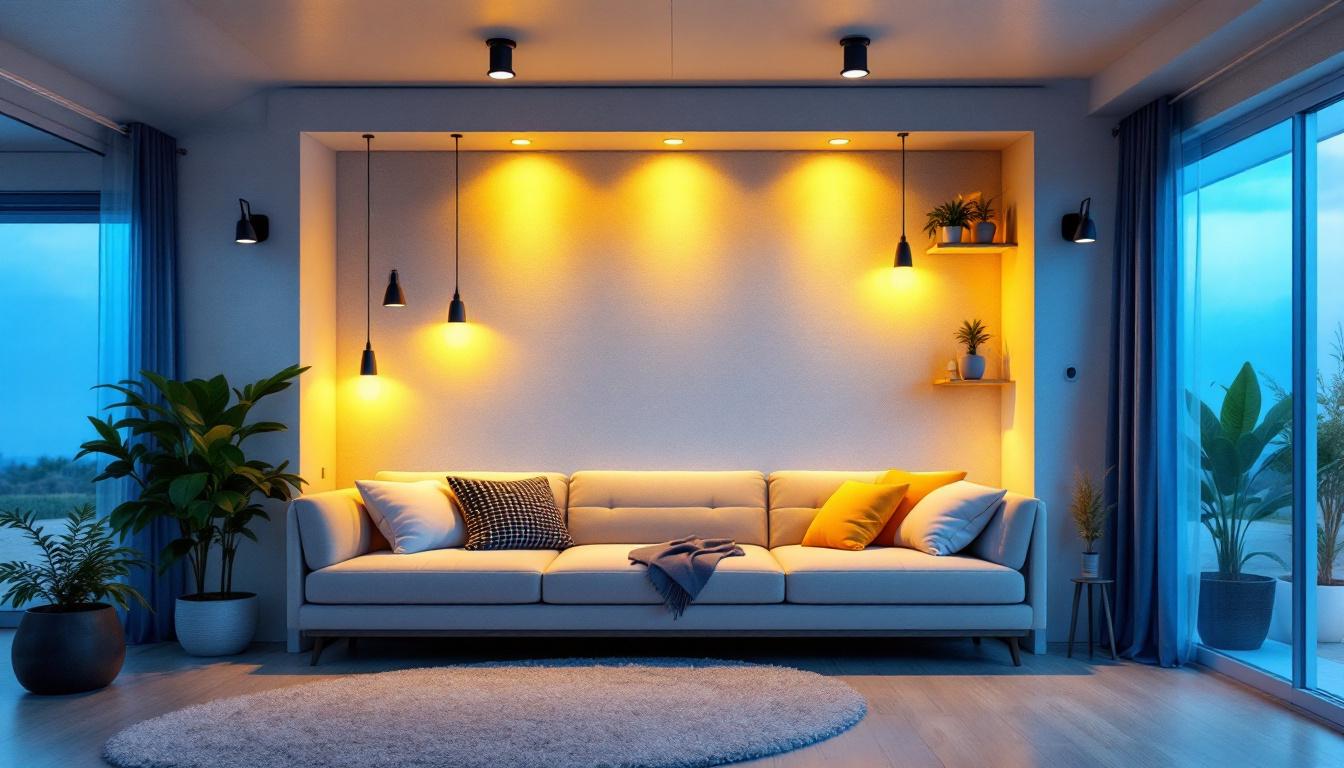
Another factor is the aesthetic balance. Mobile homes often have compact rooms, so lighting must enhance the sense of space without overwhelming it. Contractors who master this balance can transform a small, dim room into a bright, inviting space that feels larger and more comfortable.
Additionally, the choice of lighting fixtures can significantly impact energy efficiency, which is crucial for mobile home residents who often seek to minimize utility costs. LED lights, for instance, are an excellent option due to their longevity and low energy consumption. By opting for these fixtures, homeowners can enjoy bright, effective lighting while also reducing their carbon footprint. Moreover, dimmable options can provide versatility, allowing residents to adjust the ambiance according to their needs, whether it’s for a cozy evening or a productive daytime environment.
Furthermore, the integration of smart lighting technology is becoming increasingly popular in mobile homes. Smart bulbs and systems can be controlled via smartphones or voice commands, offering convenience and energy management. This technology allows homeowners to set schedules, adjust brightness remotely, and even change colors to suit different moods or occasions. However, it’s essential for contractors to ensure that the existing electrical systems can support these modern innovations, as compatibility can vary significantly in older mobile homes. By addressing these technological advancements, contractors can not only enhance the functionality of the lighting but also add a contemporary touch that appeals to today’s homeowners.
Choosing the Right Fixtures for Mobile Home Environments
Compact and Low-Profile Lighting Solutions
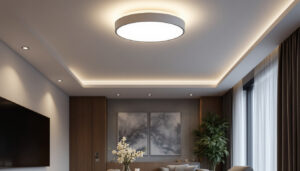
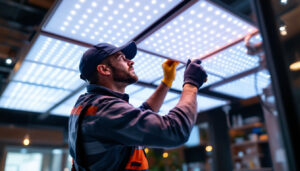
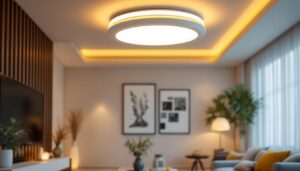
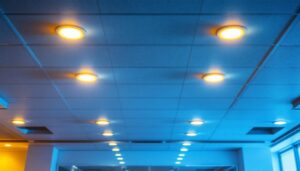
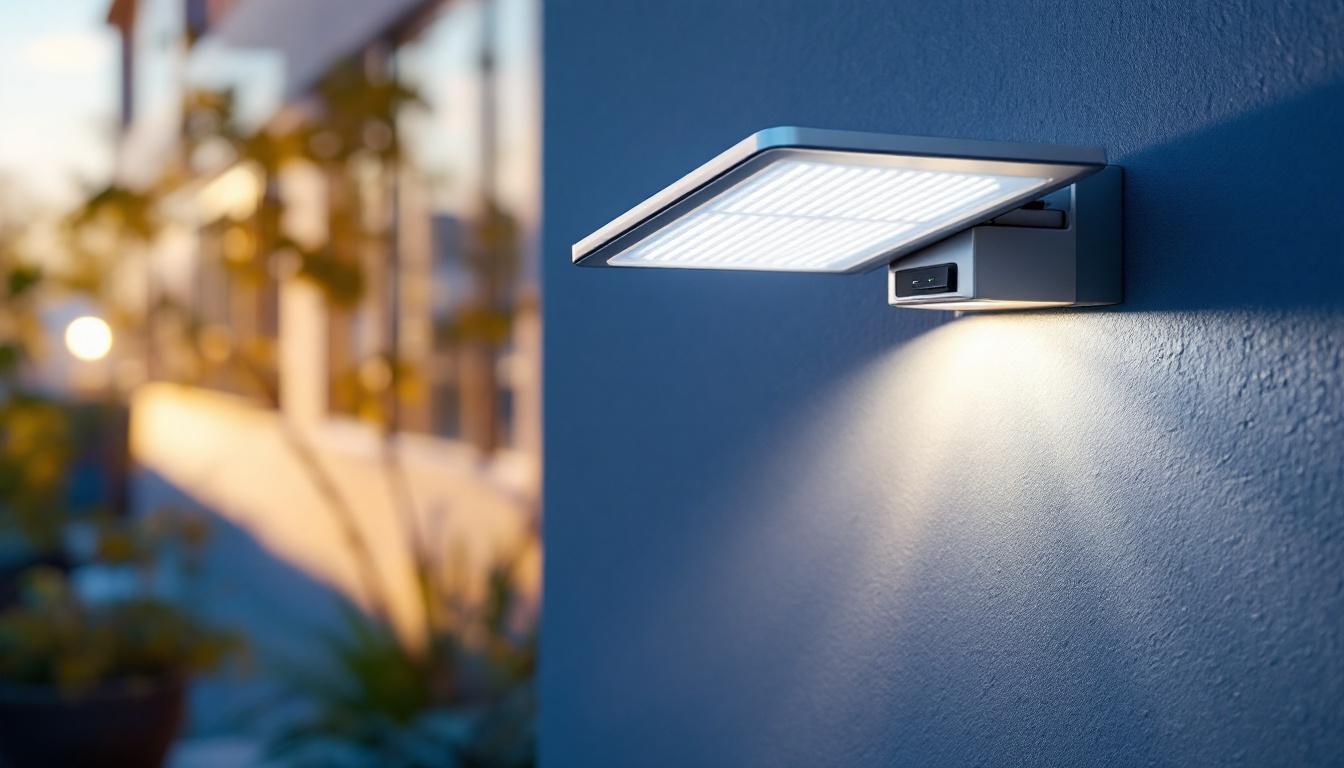
Low-profile fixtures are essential in mobile homes to maximize headroom and maintain a clean look. Flush mount ceiling lights and slim LED panels work well in rooms with lower ceilings. These options provide ample illumination while staying unobtrusive. Moreover, the aesthetic appeal of low-profile fixtures can enhance the overall design of a mobile home, allowing for a seamless integration of lighting with the interior decor. Choosing fixtures in a variety of finishes, such as brushed nickel or matte black, can add a touch of modern elegance while maintaining functionality.
Recessed lighting is another excellent choice but requires careful planning. Because mobile home ceilings are often thinner, contractors must verify there’s enough clearance above the ceiling to install recessed cans safely. Using shallow-depth LED downlights designed specifically for tight spaces can solve this issue. Additionally, strategically placing these recessed lights can create a sense of depth and openness, making small rooms feel larger. When combined with accent lighting, such as under-cabinet lights in kitchens or wall sconces in living areas, the overall ambiance can be significantly enhanced, providing both practicality and style.
Energy Efficiency and Heat Management
LED technology has revolutionized mobile home lighting. LEDs consume far less power, generate minimal heat, and last significantly longer than incandescent or fluorescent bulbs. This is critical in mobile homes where electrical capacity is limited and heat buildup can be dangerous. Furthermore, the longevity of LED bulbs means less frequent replacements, which is particularly beneficial for homeowners looking to minimize maintenance costs and effort.
Contractors should prioritize LED fixtures and bulbs rated for mobile home use. These products often meet stricter safety standards and are designed to perform well in confined spaces. Additionally, integrating dimmers and smart controls can further reduce energy consumption and extend fixture lifespan. Smart lighting systems can also offer convenience, allowing homeowners to adjust brightness levels or set schedules from their smartphones. This level of control not only enhances comfort but can also lead to significant savings on energy bills over time, making it a wise investment for mobile home residents looking to optimize their living environment.
Optimizing Electrical Systems for Safe and Effective Lighting
Assessing Existing Wiring and Circuit Capacity
Before installing new lighting, a thorough inspection of the mobile home’s electrical system is mandatory. Many older mobile homes have outdated wiring that may not support modern lighting loads. Contractors must check for proper grounding, wire gauge, and circuit breaker capacity.
Upgrading the electrical panel or adding dedicated circuits for lighting can prevent overloads and reduce the risk of tripped breakers or electrical fires. Proper labeling and documentation of circuits also simplify future maintenance and troubleshooting.
Additionally, it is crucial to consider the overall layout of the home when assessing circuit capacity. Lighting design should take into account the placement of fixtures to ensure an even distribution of light throughout the space. This not only enhances the aesthetic appeal but also improves functionality, allowing for a well-lit environment that supports daily activities. Furthermore, energy-efficient lighting options, such as LED bulbs, can significantly reduce the electrical load, providing a sustainable solution that aligns with modern energy standards.
Adhering to Mobile Home Electrical Codes
Mobile homes are subject to specific electrical codes that differ from traditional residential standards. Contractors should familiarize themselves with the National Electrical Code (NEC) sections applicable to manufactured housing, as well as any local amendments.
Key requirements include the use of approved wiring methods, grounding techniques, and fixture ratings. For example, all lighting fixtures must be securely mounted and rated for the environment they’re installed in, whether that’s damp, dry, or wet locations.
Moreover, understanding the nuances of these codes can help prevent costly mistakes during installation. For instance, certain areas may require GFCI (Ground Fault Circuit Interrupter) protection in locations prone to moisture, such as kitchens and bathrooms. Adhering to these regulations not only ensures compliance but also enhances the safety and longevity of the electrical system. Regular inspections and updates in accordance with evolving codes can help maintain the integrity of the electrical system, providing peace of mind for homeowners and ensuring that their lighting solutions are both safe and effective.
Lighting Design Techniques to Enhance Mobile Home Interiors
Layered Lighting for Function and Mood
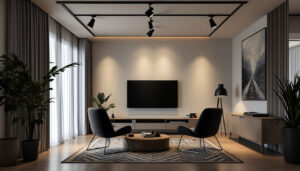
Effective lighting design in mobile homes involves layering ambient, task, and accent lighting. Ambient lighting provides overall illumination, while task lighting focuses on specific activities like cooking or reading. Accent lighting highlights architectural features or décor elements.
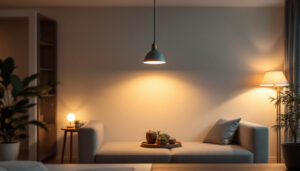
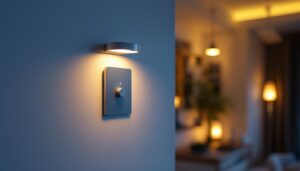
Contractors should recommend a mix of ceiling fixtures, under-cabinet lights, wall sconces, and portable lamps to achieve this balance. Using adjustable fixtures and dimmable controls allows occupants to tailor lighting to their needs throughout the day.
Maximizing Natural Light Integration
Natural light is a powerful tool in small spaces. Mobile homes often have limited window areas, so lighting contractors should consider how artificial lighting complements daylight. Installing fixtures near windows and using reflective surfaces can amplify natural light’s effect.
Choosing light bulbs with a color temperature that mimics daylight-around 5000K-helps create a seamless transition between natural and artificial light. This approach reduces eye strain and enhances the overall ambiance.
Common Mistakes and How to Avoid Them
Overlooking Fixture Compatibility
One frequent error is selecting fixtures that don’t fit the mobile home’s electrical or spatial constraints. Oversized chandeliers or heavy pendant lights can strain ceiling supports and look out of place. Similarly, using high-wattage bulbs in enclosed fixtures can cause overheating.
Contractors should always verify fixture specifications and consult with manufacturers if necessary. Testing samples in the actual space before full installation can prevent costly mistakes.
Neglecting Maintenance and Accessibility
Lighting systems in mobile homes must be easy to maintain. Fixtures installed in hard-to-reach places or requiring specialized bulbs can frustrate homeowners and lead to neglect. Contractors should prioritize designs that allow quick bulb replacement and straightforward cleaning.
Providing clear documentation and guidance to homeowners about their lighting system’s care ensures longevity and satisfaction.
Advanced Tips from Lighting Contractors
Using Smart Lighting for Convenience and Efficiency
Smart lighting systems are gaining traction in mobile homes. They offer remote control, scheduling, and energy monitoring, which can be particularly beneficial in managing limited electrical resources. Integrating smart bulbs or switches allows occupants to adjust lighting scenes easily and save energy.
Contractors should recommend systems compatible with common platforms like Alexa or Google Home, ensuring ease of use and future expandability.
Customizing Lighting for Different Zones
Dividing the mobile home into lighting zones enhances control and comfort. For example, the kitchen, living area, and bedrooms each have unique lighting needs. Installing separate circuits and controls for these zones allows tailored illumination and energy savings.
Contractors can use multi-gang switches or wireless controls to simplify the user interface while providing maximum flexibility.
Conclusion: Mastering Mobile Home Lighting
Lighting contractors who understand the nuances of mobile home environments can deliver solutions that are safe, efficient, and visually appealing. Success hinges on respecting structural and electrical limitations, choosing the right fixtures, and designing with both function and aesthetics in mind.
Staying informed about code requirements and emerging technologies, such as LED and smart lighting, positions contractors as trusted experts in this specialized field. With careful planning and execution, mobile home lighting can be transformed from a challenge into an opportunity for innovation and customer satisfaction.
Get Your Mobile Home Lighting Supplies at LumenWholesale
Ready to elevate your mobile home lighting projects with fixtures that blend safety, efficiency, and style? Look no further than LumenWholesale for all your lighting needs. Our extensive selection of spec-grade lighting products is designed to meet the unique challenges of mobile home environments, ensuring you deliver the best solutions to your clients. With unbeatable wholesale prices and the convenience of free shipping on bulk orders, LumenWholesale is your go-to source for premium lighting without the premium price tag. Wholesale Lighting at the Best Value is just a click away. Upgrade your lighting game with LumenWholesale today!