Understanding the Demand for Portable Tennis Court Lighting
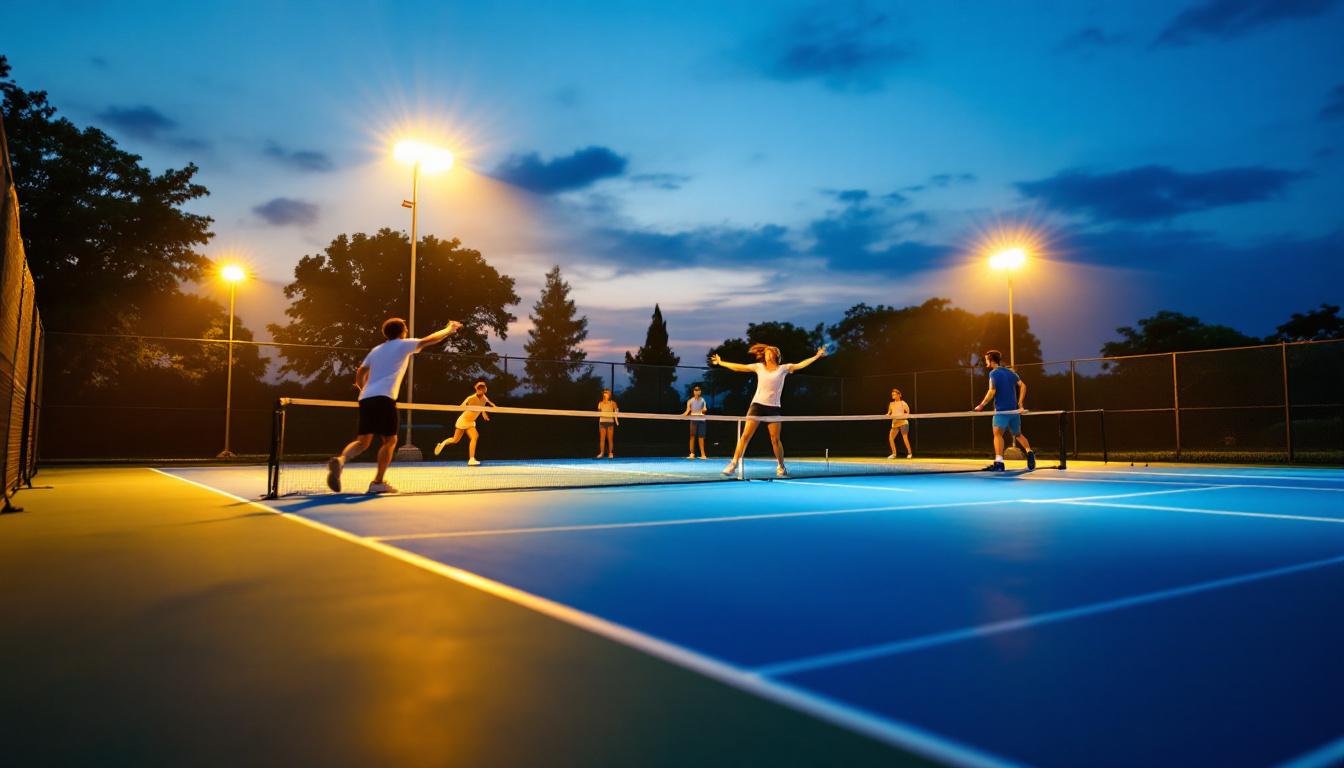
Outdoor tennis courts are no longer confined to daylight hours. Players want to extend their games into the evening, and facilities need lighting solutions that are flexible, efficient, and easy to deploy. Portable tennis court lights have become a game-changer, offering lighting contractors a lucrative niche with unique challenges and opportunities.
For lighting contractors, understanding the nuances of portable lighting systems is crucial. These systems must deliver consistent illumination, withstand outdoor conditions, and be user-friendly for quick setup and teardown. The demand comes from clubs, schools, event organizers, and even private courts. Each client has distinct expectations, but all require reliable, high-quality lighting that meets safety and performance standards.
Moreover, the technology behind portable tennis court lighting has evolved significantly in recent years. Modern LED lights not only provide bright, even illumination but also consume far less energy than traditional lighting solutions. This energy efficiency is particularly appealing to organizations looking to reduce operational costs and minimize their environmental impact. Additionally, many portable lighting systems now come equipped with smart technology, allowing users to control brightness levels and set timers via mobile apps, enhancing convenience and adaptability during events.
Another important aspect to consider is the aesthetic appeal of portable lighting solutions. Many facilities are now opting for sleek, modern designs that blend seamlessly with their surroundings, enhancing the overall experience for players and spectators alike. This focus on design is not just about looks; it also reflects a growing trend in sports facilities to create an inviting atmosphere that encourages participation and community engagement. As the popularity of evening matches continues to rise, the demand for aesthetically pleasing and functional lighting solutions will only increase, presenting further opportunities for lighting contractors to innovate and expand their offerings.
Key Features to Evaluate When Selecting Portable Tennis Court Lights
Illumination Quality and Coverage
Tennis courts require uniform lighting to avoid shadows and glare that can interfere with play. The recommended illumination level is typically between 30 to 50 foot-candles, depending on the level of play and whether the court is for recreational or competitive use. Lighting contractors must verify the lumen output and beam spread of portable fixtures to ensure they provide even coverage across the entire court.
Look for LED fixtures with adjustable beam angles. LEDs offer excellent color rendering and energy efficiency, which are essential for long-term use. Avoid lights that produce harsh or uneven lighting, as these can cause eye strain and reduce visibility for players. Additionally, consider the color temperature of the lights; a cooler white light (around 5000K) can enhance visibility and improve the overall playing experience by mimicking natural daylight, which is especially beneficial for evening matches.
Portability and Setup Time
One of the biggest advantages of portable tennis court lights is their mobility. However, this benefit depends heavily on the design of the lighting system. Contractors should assess the weight, size, and ease of assembly of the light towers or stands. Systems that require minimal tools and can be erected by two people are ideal.
Consider how the lights are powered—battery-operated models offer the greatest flexibility but require reliable battery life and quick recharge times. Alternatively, portable generators or plug-in options might be suitable depending on the site. Quick setup and teardown reduce labor costs and increase client satisfaction. Furthermore, some modern lighting systems come with integrated smart technology that allows for remote control operation, enabling users to adjust brightness levels or switch lights on and off from a distance, adding an extra layer of convenience for event organizers.
Durability and Weather Resistance
Outdoor lighting equipment must endure rain, wind, dust, and temperature fluctuations. Portable tennis court lights should have a minimum IP65 rating, ensuring protection against water jets and dust ingress. Corrosion-resistant materials and robust construction extend the lifespan of the equipment, reducing maintenance needs.
Contractors should also consider the stability of the light stands. Wind can be a significant factor on open courts, so the base design and anchoring options must prevent tipping or movement during use. In addition to stability, look for lights that feature shock-resistant designs to withstand accidental impacts or rough handling during transport. Some manufacturers also offer warranties or guarantees on their products, which can provide additional peace of mind regarding the durability and reliability of the lighting system in various weather conditions.
Technical Specifications and Compliance Considerations
Power Requirements and Energy Efficiency
Portable lighting systems vary in power consumption. LED lights typically consume less energy compared to traditional metal halide or halogen lamps. This not only reduces operating costs but also minimizes the environmental footprint—a growing concern for many clients. The shift towards LED technology is not just about energy savings; it also offers longer lifespans, which can significantly decrease maintenance costs over time. With advancements in LED technology, options are now available that provide adjustable brightness levels, allowing users to tailor the lighting to specific needs, whether for casual play or competitive matches.
Check the voltage and amperage requirements to ensure compatibility with available power sources. If battery-powered, verify the expected runtime under full load and the recharge cycle. Efficient power management systems can extend usage time and reduce downtime. For instance, some systems come equipped with solar charging capabilities, making them ideal for outdoor events where traditional power sources may not be accessible. Additionally, integrating smart technology can enable remote monitoring of battery levels and usage patterns, providing users with valuable insights to optimize performance and energy consumption.
Lighting Standards and Safety Regulations
Lighting contractors must ensure that portable tennis court lights comply with local and national standards. These often include guidelines on light levels, glare control, and electrical safety. For example, compliance with the Illuminating Engineering Society (IES) recommendations ensures optimal lighting quality. Understanding these standards is crucial not only for legal compliance but also for enhancing the playing experience, as proper lighting can significantly impact visibility and player performance. Moreover, varying levels of illumination might be required for different types of events, from casual games to professional tournaments, necessitating a flexible lighting solution.
Electrical components should be certified by recognized bodies such as UL or CE to guarantee safety and reliability. Additionally, portable lighting systems must include proper grounding and circuit protection to prevent electrical hazards. Regular inspections and maintenance checks are essential to ensure that all components remain in compliance with safety standards. Furthermore, incorporating features such as surge protectors can safeguard against voltage spikes, which are particularly important in outdoor settings where weather conditions can be unpredictable. This proactive approach not only enhances safety but also contributes to the longevity of the lighting system, ensuring it remains a reliable solution for all users.
Installation Best Practices for Portable Tennis Court Lights
Site Assessment and Layout Planning
Before installation, conduct a thorough site assessment. Measure the court dimensions and note any obstructions such as trees, fences, or nearby buildings. These can affect light placement and coverage.
Develop a lighting layout that maximizes uniformity and minimizes shadows. Typically, portable light towers are positioned at the corners or midpoints along the court perimeter. Using photometric software or lighting design tools can help visualize the coverage and identify potential problem areas.
Safe and Efficient Setup Procedures
Ensure that all personnel involved in setup are trained on the equipment and safety protocols. Use proper lifting techniques and equipment to handle heavy components. Secure all cables and power connections to prevent tripping hazards.
Check the stability of each light tower after assembly. Use sandbags or weights if necessary to anchor the stands. Test the lighting system before the event or play session to adjust angles and brightness levels for optimal performance.
Maintenance and Troubleshooting Tips
Routine Inspection and Cleaning
Regular maintenance extends the life of portable tennis court lights. Inspect fixtures for damage, loose connections, or corrosion. Clean lenses and reflectors to maintain light output and clarity.
Battery systems require special attention. Monitor charge cycles and replace batteries as needed to avoid unexpected failures. Keep charging equipment in good condition and store batteries according to manufacturer recommendations.
Common Issues and Solutions
Flickering lights or dimming can indicate power problems or faulty components. Check wiring, connectors, and power sources first. Replace damaged cables or bulbs promptly.
If lights fail to turn on, verify that batteries are charged or that the generator is running. For LED systems, consult the manufacturer’s troubleshooting guide, as some issues may require professional repair.
Maximizing Client Satisfaction with Portable Tennis Court Lighting
Offering Customization and Flexibility
Clients appreciate lighting solutions tailored to their specific needs. Offer options such as adjustable brightness, color temperature settings, and remote control operation. Portable systems that can be adapted for different court sizes or event types add value.
Providing a demonstration or trial period can help clients experience the benefits firsthand. Clear communication about setup requirements and maintenance responsibilities builds trust and reduces potential conflicts.
Providing Comprehensive Support and Service
After installation, continue to support clients with maintenance advice, troubleshooting assistance, and timely repairs. Offering service contracts or on-call support can create ongoing revenue streams and strengthen client relationships.
Stay informed about new technologies and product improvements. Recommending upgrades or enhancements keeps your offerings competitive and ensures clients receive the best possible lighting experience.
Conclusion: The Lighting Contractor’s Roadmap to Success
Portable tennis court lights are a specialized but rewarding area for lighting contractors. Success hinges on selecting the right equipment, understanding technical requirements, and delivering professional installation and support. By following this checklist, contractors can confidently meet client expectations and illuminate courts with precision and reliability.
Investing time in research, planning, and client communication pays off with satisfied customers and repeat business. Portable lighting is more than a product-it’s a service that transforms outdoor tennis experiences after dark.
Illuminate Your Projects with LumenWholesale
Ready to elevate your lighting game and exceed client expectations with portable tennis court lights? Look no further than LumenWholesale, where we specialize in providing contractors with superior, spec-grade lighting products at unbeatable wholesale prices. Say goodbye to local distributor markups and hello to our extensive selection that meets the highest industry standards. Plus, with free shipping on bulk orders, you can trust that you’re getting premium lighting at the best value — without any hidden fees. Don’t compromise on quality or cost. Experience the perfect blend of quality, affordability, and convenience today. Visit LumenWholesale for Wholesale Lighting at the Best Value and transform your outdoor tennis court projects with confidence.