In the realm of commercial spaces, stairwells often serve as overlooked areas when it comes to lighting design. However, the importance of effective stairwell lighting cannot be understated. It plays a crucial role in ensuring safety, enhancing aesthetics, and providing energy efficiency. As technology continues to evolve, so too does the approach to lighting design and installation, particularly in stairwell applications. This article delves into the future of commercial stairwell lighting, exploring trends, technologies, and best practices that lighting contractors should consider.
The Importance of Stairwell Lighting
Stairwells are vital components of any multi-story building, serving as essential pathways for occupants. Proper lighting in these areas is not merely a matter of aesthetics; it is a fundamental safety requirement. Poorly lit stairwells can lead to accidents, injuries, and even legal liabilities for building owners.
Moreover, stairwell lighting contributes significantly to the overall atmosphere of a space. Well-designed lighting can enhance the architectural features of a building, create a welcoming environment, and promote a sense of security among users. For lighting contractors, understanding the multifaceted role of stairwell lighting is crucial for delivering effective solutions.
Safety Considerations
One of the primary functions of stairwell lighting is to ensure safety. Adequate illumination helps prevent slips, trips, and falls, which are common hazards in poorly lit areas. The use of bright, uniform lighting can significantly reduce these risks, making it imperative for contractors to prioritize safety in their designs.
In addition to general illumination, it is essential to consider emergency lighting options. In the event of a power failure, stairwells must remain illuminated to guide occupants to safety. Incorporating emergency lighting systems that activate automatically during outages is a critical aspect of modern stairwell lighting design. These systems not only provide peace of mind but also comply with safety regulations, ensuring that buildings meet legal standards for occupant safety.
Aesthetic Appeal
Beyond safety, the aesthetic appeal of stairwell lighting can enhance the overall design of a building. Thoughtfully designed lighting can highlight architectural features, create focal points, and contribute to the building’s character. Lighting contractors should work closely with architects and interior designers to ensure that the lighting complements the overall design vision.
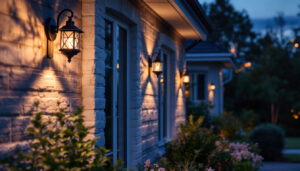
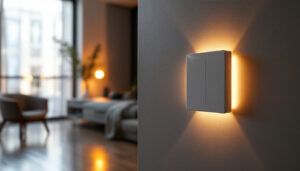
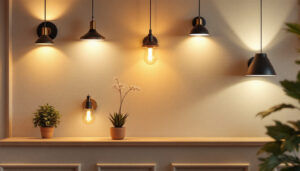
Innovative lighting fixtures, such as wall sconces, recessed lights, and pendant fixtures, can be used creatively to enhance the visual appeal of stairwells. The choice of color temperature, brightness, and fixture style can all influence the ambiance of the space and should be carefully considered during the design phase. For instance, warmer light tones can create a cozy, inviting atmosphere, while cooler tones can lend a modern, sleek feel. Additionally, incorporating smart lighting technology, such as motion sensors or dimmers, can further enhance the functionality and energy efficiency of stairwell lighting, allowing for adjustments based on the time of day or occupancy levels.
Furthermore, the integration of design elements like lighted handrails or illuminated tread markings can not only enhance safety but also add an artistic touch to the stairwell. These features can transform a utilitarian space into a visually striking area that encourages movement and exploration within the building. By considering both safety and aesthetics, lighting contractors can create stairwells that are not only functional but also serve as an integral part of the building’s overall design narrative.
Emerging Technologies in Stairwell Lighting
As the lighting industry continues to evolve, new technologies are emerging that are transforming the way stairwell lighting is designed and installed. These advancements not only improve functionality but also enhance energy efficiency and sustainability.
LED Lighting
LED technology has revolutionized the lighting industry, offering numerous advantages over traditional incandescent and fluorescent options. LED lights are energy-efficient, have a longer lifespan, and produce less heat, making them an ideal choice for stairwell applications. Their versatility allows for various design options, from sleek and modern fixtures to more traditional styles.
Moreover, LED lighting can be easily integrated with smart technology, allowing for automated controls that adjust brightness based on occupancy or natural light levels. This adaptability not only enhances user experience but also contributes to energy savings, making LED lighting a smart investment for commercial stairwells.
Smart Lighting Systems
The integration of smart technology in lighting design is becoming increasingly prevalent. Smart lighting systems allow for remote control and automation, enabling contractors to create tailored lighting solutions that meet the specific needs of each stairwell. Features such as motion sensors, dimming capabilities, and programmable schedules can enhance both safety and energy efficiency.
For instance, motion sensors can detect when someone enters the stairwell and automatically adjust the lighting levels accordingly. This ensures that lights are only on when needed, reducing energy consumption and extending the lifespan of the fixtures. Such innovations are essential for modern lighting design, particularly in commercial settings where efficiency is a priority.
Design Principles for Effective Stairwell Lighting
When designing stairwell lighting, several key principles should be considered to ensure that the final result is both functional and visually appealing. These principles guide lighting contractors in creating effective solutions that enhance safety and aesthetics.
Uniformity of Light
Uniform lighting is critical in stairwells to prevent shadows and dark spots that can create hazards. A consistent distribution of light helps users navigate the space safely, especially in areas where visibility is crucial, such as landings and transitions between flights of stairs.
To achieve uniformity, contractors should consider the placement of fixtures carefully. Using multiple light sources can help distribute light evenly, reducing the likelihood of glare and ensuring that all areas of the stairwell are adequately illuminated.
Color Temperature and Light Quality
The choice of color temperature can significantly impact the mood and functionality of a stairwell. Warmer color temperatures (around 2700K to 3000K) create a welcoming atmosphere, while cooler temperatures (4000K to 5000K) can enhance visibility and alertness.
Additionally, the quality of light is essential. High Color Rendering Index (CRI) lighting is preferable, as it accurately represents colors and improves visibility. This is particularly important in commercial settings where users may need to identify colors or read signage.
Energy Efficiency and Sustainability
As sustainability becomes a priority in building design, the focus on energy-efficient lighting solutions is more critical than ever. Lighting contractors have a responsibility to incorporate sustainable practices into their projects, particularly in stairwell lighting.
Daylight Harvesting
Incorporating daylight harvesting techniques can significantly reduce reliance on artificial lighting. By using skylights, windows, and light tubes, contractors can maximize natural light in stairwells, thereby minimizing energy consumption during daylight hours.
Daylight-responsive controls can also be integrated to adjust artificial lighting based on the amount of natural light available. This not only enhances energy efficiency but also creates a more pleasant environment for users.
Recycling and Disposal of Lighting Fixtures
When it comes to sustainability, the end-of-life disposal of lighting fixtures should not be overlooked. Contractors should prioritize the use of recyclable materials and ensure that old fixtures are disposed of responsibly. Partnering with manufacturers who have recycling programs can help facilitate this process and contribute to a more sustainable approach to lighting design.
Regulatory Considerations
Lighting contractors must be aware of the various regulations and standards that govern commercial lighting installations. Compliance with these regulations is essential to ensure safety and functionality in stairwell lighting.
Building Codes and Standards
Building codes often dictate minimum lighting levels for stairwells, including requirements for emergency lighting and accessibility. Contractors should familiarize themselves with local regulations and ensure that their designs meet or exceed these standards.
Additionally, energy codes may impose restrictions on lighting power density and require the use of energy-efficient technologies. Staying up-to-date with these regulations is crucial for contractors to deliver compliant and effective lighting solutions.
Accessibility Standards
Accessibility standards, such as those outlined in the Americans with Disabilities Act (ADA), also play a significant role in stairwell lighting design. Ensuring that stairwells are adequately lit for individuals with visual impairments is not only a legal requirement but also a moral obligation. Contractors should consider the needs of all users when designing lighting solutions.
Future Trends in Commercial Stairwell Lighting
The future of commercial stairwell lighting is poised for exciting advancements as technology and design principles continue to evolve. Contractors should stay informed about emerging trends to remain competitive and provide the best solutions for their clients.
Integration with Building Management Systems
As buildings become smarter, the integration of stairwell lighting with building management systems (BMS) is becoming increasingly common. This allows for centralized control and monitoring of lighting systems, enhancing energy efficiency and operational effectiveness.
Contractors should consider how their lighting designs can seamlessly integrate with existing BMS technologies, providing clients with a comprehensive solution that enhances overall building performance.
Human-Centric Lighting
Human-centric lighting focuses on creating environments that support the well-being and productivity of occupants. This approach considers factors such as circadian rhythms and the psychological effects of lighting. In stairwell applications, incorporating elements of human-centric lighting can enhance user experience and promote a sense of safety and comfort.
For instance, adjusting lighting levels throughout the day to mimic natural light patterns can help regulate occupants’ circadian rhythms, contributing to their overall well-being. This trend is particularly relevant in commercial settings where employee productivity and satisfaction are paramount.
Conclusion
As the future of commercial stairwell lighting unfolds, lighting contractors must embrace innovation, sustainability, and user-centric design principles. By prioritizing safety, aesthetics, and energy efficiency, contractors can create lighting solutions that not only meet regulatory requirements but also enhance the overall experience for building occupants.
Staying informed about emerging technologies and trends will be crucial for contractors looking to remain competitive in this evolving landscape. The integration of smart systems, human-centric lighting, and sustainable practices will define the next generation of stairwell lighting design and installation.
In summary, the future of commercial stairwell lighting is bright, and those who adapt to these changes will be well-positioned to lead the way in creating safe, efficient, and aesthetically pleasing environments for all users.
Illuminate Your Projects with LumenWholesale
Ready to elevate your commercial stairwell lighting projects with the latest innovations and sustainable solutions? Look no further than LumenWholesale. We provide lighting contractors with high-quality, spec-grade lighting products at unbeatable wholesale prices. Our extensive selection is designed to meet the highest industry standards, ensuring you deliver safe, efficient, and aesthetically pleasing lighting solutions. Take advantage of our hassle-free bulk buying options with free shipping and no hidden fees. Discover the perfect blend of quality, affordability, and convenience at LumenWholesale — your source for Wholesale Lighting at the Best Value.