Overlooking the Importance of Proper Voltage Matching
One of the most frequent errors lighting contractors make with MR16 incandescent bulbs is neglecting to verify the voltage compatibility between the bulb and the fixture or transformer. MR16 bulbs are typically designed for low voltage systems, commonly 12 volts, but some fixtures or transformers might supply 24 volts or even line voltage (120 volts). Installing a 12-volt MR16 bulb on a 24-volt system will cause the bulb to burn out rapidly, leading to premature failure and increased maintenance costs.
Ensuring the transformer matches the bulb’s voltage requirements is critical. Contractors should always check the transformer’s output rating and the bulb’s voltage specification before installation. Using a multimeter to verify the actual voltage at the socket can prevent costly mistakes. This step is especially important in retrofit projects where the existing transformer may not be compatible with the new bulbs.
Additionally, it is essential to consider the overall design and layout of the lighting system. Proper voltage matching not only affects the longevity of the bulbs but also impacts the quality of light produced. For instance, using the correct voltage ensures that the MR16 bulbs emit the intended brightness and color temperature, which is crucial for creating the desired ambiance in a space. A mismatch can lead to dim lighting or an undesirable color cast, detracting from the aesthetic appeal of the environment.
Moreover, contractors should be aware of the implications of using different types of transformers. Electronic transformers, for example, are often more efficient and can provide better dimming capabilities compared to magnetic transformers. However, they may have specific limitations regarding the types of bulbs they can support. Understanding these nuances can help contractors make informed decisions that enhance both performance and energy efficiency, ultimately leading to satisfied clients and a solid reputation in the industry.
Neglecting Heat Management and Fixture Compatibility
MR16 incandescent bulbs generate significant heat during operation. A common oversight is installing these bulbs in fixtures that lack adequate ventilation or are not rated to handle the bulb’s heat output. Excess heat can shorten the bulb’s lifespan and potentially damage the fixture or surrounding materials, posing a fire hazard. This issue is particularly prevalent in enclosed fixtures, where heat can build up rapidly, leading to a critical failure of the bulb or even igniting nearby flammable materials. It’s crucial for both homeowners and contractors to recognize the importance of heat management in lighting design.
Lighting contractors must ensure that the fixture is designed for MR16 incandescent bulbs and can dissipate heat effectively. This includes verifying that the fixture’s housing and socket materials can withstand the operating temperature. In some cases, using LED MR16 replacements can mitigate heat issues, but when working with incandescent bulbs, proper heat management remains essential. Furthermore, it’s advisable to consider the placement of the fixtures as well; positioning them in areas with good airflow can significantly reduce the risk of overheating. Additionally, regular maintenance checks can help identify any signs of wear or damage that may compromise the fixture’s ability to manage heat, ensuring a safer and more efficient lighting solution.
Moreover, understanding the thermal characteristics of different bulb types can aid in making informed decisions. For instance, while MR16 incandescent bulbs are known for their warm light quality, their heat output is substantially higher compared to their LED counterparts, which are designed to operate at lower temperatures. This difference not only impacts energy consumption but also the overall safety and longevity of the lighting installation. By educating clients about these distinctions and offering guidance on appropriate fixture choices, contractors can help prevent costly mistakes and enhance the overall effectiveness of the lighting system.
Ignoring Beam Angle and Light Distribution Requirements
Choosing the right beam angle for an MR16 incandescent bulb is more than a matter of aesthetics; it directly impacts the lighting’s functionality and energy efficiency. Contractors sometimes select bulbs with inappropriate beam angles, resulting in uneven illumination, glare, or insufficient coverage.
MR16 bulbs come in a variety of beam spreads—from narrow spotlights to wide floods. For example, a narrow 10-degree beam is ideal for accent lighting, highlighting artwork or architectural features, while a 40-degree flood beam works better for general illumination. Understanding the project’s lighting goals and specifying the correct beam angle ensures the space is lit effectively without wasting energy or causing discomfort.
Furthermore, the choice of beam angle can greatly influence the mood and atmosphere of a space. In a restaurant, for instance, a combination of narrow and wide beams can create intimate dining areas while also ensuring that the overall environment feels welcoming and well-lit. This thoughtful approach to lighting design can enhance the dining experience, encouraging patrons to linger longer, which can ultimately lead to increased sales. Additionally, in retail settings, the right beam angle can draw attention to specific products, guiding customers through the store and influencing their purchasing decisions.
It’s also important to consider the color temperature of the MR16 bulbs in conjunction with the beam angle. A warm color temperature can create a cozy ambiance, while cooler temperatures can be more energizing and suitable for workspaces. When combined with the appropriate beam angle, the right color temperature can transform a mundane area into a vibrant and engaging environment. Therefore, lighting designers and contractors should collaborate closely to ensure that all aspects of the lighting scheme, including beam angle and color temperature, are aligned with the intended use and aesthetic of the space.
Failing to Account for Dimming Compatibility
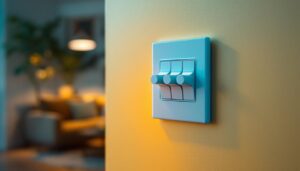
Dimming is a common feature in many lighting installations, but MR16 incandescent bulbs require compatible dimmers to function correctly. Using incompatible dimmers can cause flickering, buzzing, or even damage to the bulb and dimmer switch.
Contractors should verify that the dimmer is designed for low-voltage incandescent lighting. Magnetic low-voltage (MLV) transformers and electronic low-voltage (ELV) transformers have different dimming requirements, and the dimmer must match the transformer type. Testing the dimming system before finalizing installation helps avoid customer complaints and callbacks.
Moreover, it’s essential to consider the total wattage load when selecting a dimmer. Each dimmer has a maximum wattage rating, and exceeding this limit can lead to overheating and potential failure of the dimmer. For instance, if multiple MR16 bulbs are used in a single circuit, the combined wattage must be calculated accurately to ensure compatibility. Additionally, it’s wise to choose dimmers that offer a wider range of dimming capabilities, as this can enhance the overall ambiance and functionality of the lighting setup.
Furthermore, the type of dimmer switch can also impact the user experience. Some modern dimmers come equipped with advanced features such as remote control or smartphone compatibility, allowing users to adjust lighting levels from anywhere in the room. This not only adds convenience but also allows for more precise control over the lighting environment, which can be particularly beneficial in spaces where mood and atmosphere are key, such as dining areas or home theaters. Educating clients about these options can lead to more informed decisions and greater satisfaction with their lighting choices.
Improper Handling and Installation Practices
The delicate nature of MR16 incandescent bulbs means that rough handling during installation can lead to early failure. Oils from fingers, for instance, can create hot spots on the bulb’s surface, causing the glass to weaken and break prematurely.
Lighting contractors should always handle MR16 bulbs with clean gloves or a soft cloth. Additionally, bulbs must be securely seated in the socket without excessive force, ensuring proper electrical contact without damaging the pins. Taking these precautions minimizes the risk of damage during installation and extends the bulb’s service life.
Overlooking Energy Efficiency Alternatives
While MR16 incandescent bulbs offer excellent color rendering and light quality, their energy efficiency is relatively poor compared to modern alternatives. Contractors who default to incandescent bulbs without considering LED MR16 replacements may miss opportunities to provide clients with longer-lasting, energy-saving solutions.
LED MR16 bulbs consume significantly less power and produce less heat, reducing cooling loads and maintenance frequency. Although the upfront cost is higher than incandescent bulbs, the total cost of ownership tends to be lower over time. Lighting contractors should educate clients about these benefits and evaluate whether LED alternatives are appropriate for the project.
Misjudging Bulb Lifespan and Maintenance Planning
MR16 incandescent bulbs typically have shorter lifespans than other lighting technologies, often around 2,000 hours. Contractors sometimes underestimate the frequency of bulb replacements required, leading to maintenance challenges and client dissatisfaction.
Planning for maintenance is crucial, especially in commercial or hospitality environments where lighting quality and reliability are paramount. Contractors should advise clients on expected bulb life and establish maintenance schedules to replace bulbs proactively. This approach prevents unexpected outages and maintains consistent lighting quality.
Conclusion: Mastering MR16 Incandescent Installations
MR16 incandescent bulbs remain a popular choice for certain lighting applications due to their excellent color rendering and focused beam control. However, lighting contractors must be vigilant to avoid common pitfalls that can compromise performance and client satisfaction.
Proper voltage matching, heat management, beam angle selection, dimming compatibility, careful handling, and consideration of energy-efficient alternatives are key factors that determine the success of an MR16 incandescent installation. By addressing these areas thoughtfully, contractors can deliver high-quality lighting solutions that meet client expectations and stand the test of time.
Get Your Premium MR16 Lighting Solutions at LumenWholesale
Don’t let common installation mistakes undermine your lighting projects. At LumenWholesale, we provide lighting contractors with the highest quality MR16 incandescent bulbs and accessories to ensure every installation is a success. With our spec-grade lighting products at unbeatable wholesale prices, you can avoid the pitfalls discussed in this article and exceed your clients’ expectations. Take advantage of our hassle-free bulk buying process, free shipping, and no hidden fees to get the best value for your lighting needs. Elevate your lighting game with the perfect blend of quality, affordability, and convenience. Visit LumenWholesale now for Wholesale Lighting at the Best Value.