Understanding LED Lighting: What Every Contractor Needs to Know
LED lighting has transformed residential lighting with its efficiency, longevity, and versatility. For lighting contractors, mastering the basics of LED technology is essential to delivering quality installations and advising clients accurately.
LEDs (Light Emitting Diodes) differ fundamentally from traditional incandescent or fluorescent bulbs. Instead of heating a filament or using gas discharge, LEDs produce light through electroluminescence. This process is more energy-efficient and generates less heat, which means longer-lasting fixtures and reduced energy bills for homeowners.
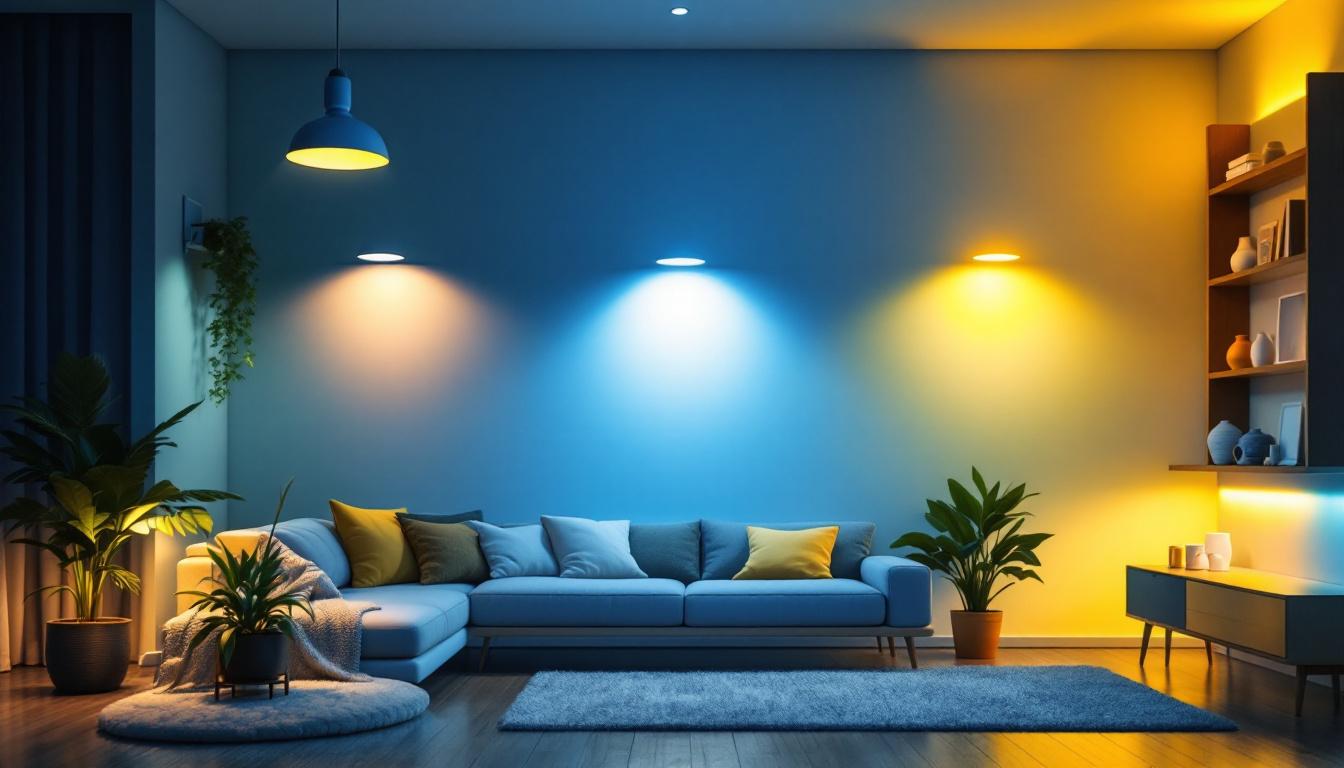
Contractors should be familiar with key LED specifications such as lumens, color temperature, and CRI (Color Rendering Index). Lumens measure brightness, replacing the outdated wattage metric. Color temperature, expressed in Kelvins, affects the ambiance: warmer tones (2700K-3000K) create cozy spaces, while cooler tones (4000K-5000K) are ideal for task lighting. CRI indicates how accurately a light source reveals colors, with values above 80 generally preferred for home settings.
Moreover, understanding the different types of LED fixtures is crucial for contractors. From recessed lighting to pendant fixtures, each type serves distinct purposes and design aesthetics. For example, recessed lighting is often used for a sleek, modern look, providing ambient light without taking up visual space. On the other hand, pendant lights can serve as both functional and decorative elements in a room, making them ideal for dining areas or kitchens. Additionally, contractors should be aware of the importance of proper installation techniques, as incorrect placement or wiring can lead to suboptimal performance or even safety hazards.
Another critical aspect of LED lighting that contractors must grasp is the concept of dimming capabilities. Many modern LED fixtures are compatible with dimmer switches, allowing homeowners to adjust brightness levels according to their needs. However, not all LEDs are created equal; some require specific dimmers to function correctly, and using incompatible dimmers can lead to flickering or reduced lifespan. Educating clients about the benefits of dimmable LEDs, such as energy savings and enhanced mood settings, can also elevate a contractor’s service offering and help clients make informed choices for their lighting needs.
Choosing the Right LED Products for Residential Projects
Balancing Quality and Cost
One of the biggest challenges contractors face is selecting LED products that strike a balance between quality and affordability. Low-cost LEDs might seem attractive initially but can lead to early failures, inconsistent color, or poor dimming performance. Conversely, premium products often come with warranties and certifications that guarantee reliability.
Look for LEDs certified by recognized bodies such as ENERGY STAR or DLC (DesignLights Consortium). These certifications ensure energy efficiency and performance standards, reducing callbacks and increasing client satisfaction. Additionally, selecting products with a minimum 25,000-hour lifespan rating can help avoid premature replacements. The long-term savings associated with energy-efficient LEDs can significantly offset the initial investment, making them a wise choice for both contractors and homeowners. Furthermore, many utility companies offer rebates for the installation of certified LED products, further enhancing their cost-effectiveness and encouraging sustainable practices.
Fixture Compatibility and Installation Considerations
Not all LED bulbs fit seamlessly into existing fixtures. Contractors need to verify the compatibility of LED replacements with dimmers, transformers, and fixture types. For example, some LEDs may flicker or hum if paired with incompatible dimmer switches. Using LED-specific dimmers or universal dimmers designed for LEDs can prevent these issues. It’s also essential to consider the beam angle and color temperature of the LEDs, as these factors can dramatically affect the ambiance and functionality of a space. A warm white light may be ideal for living areas, while cooler temperatures might be better suited for task-oriented spaces like kitchens or home offices.
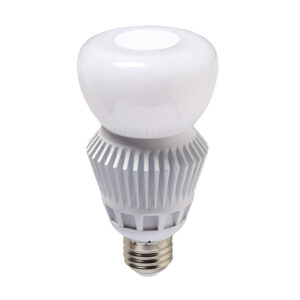
Another consideration is heat dissipation. While LEDs generate less heat than incandescent bulbs, they still require proper ventilation to maintain longevity. Fixtures designed for LEDs often incorporate heat sinks or cooling elements. When retrofitting older fixtures, contractors should assess whether the existing housing supports adequate airflow. Additionally, it’s important to evaluate the electrical load on circuits when installing multiple LED fixtures, as overloading can lead to performance issues or even safety hazards. By conducting a thorough assessment of both the fixtures and the electrical system, contractors can ensure a successful installation that meets both aesthetic and functional needs.
Streamlining the Installation Process with LED Lighting
Pre-Installation Planning
Effective planning can dramatically simplify LED lighting installations. Start by assessing the client’s lighting needs and preferences, considering factors like room function, natural light availability, and desired ambiance. Using lighting design software or apps can help visualize the final outcome and optimize fixture placement. These tools allow for the simulation of different lighting scenarios, enabling clients to see how various color temperatures and intensities will affect the space. For instance, a warm white light can create a cozy atmosphere in living areas, while cooler tones are often preferred in workspaces for enhanced focus and productivity.
Ordering the correct quantity and type of LEDs upfront avoids delays. Keep in mind that LED products come in various base types, sizes, and beam angles. For example, narrow beam angles (15°-30°) focus light for accent lighting, while wider angles (60°-120°) provide general illumination. Matching beam angles to room layout ensures even lighting and reduces shadows. Additionally, consider the color rendering index (CRI) of the LEDs, as a higher CRI will ensure that colors appear more vibrant and true to life, which is particularly important in settings like art galleries or retail spaces where visual appeal is paramount.
Installation Best Practices
During installation, handle LED bulbs carefully to avoid damage to the diodes or circuitry. Unlike traditional bulbs, LEDs are sensitive to static electricity and physical shocks. Wearing anti-static gloves and using proper tools can minimize risks. It’s also advisable to keep the work area clean and free from debris, as small particles can interfere with the installation process or even damage the fixtures. Furthermore, having a checklist of all necessary tools and materials can streamline the workflow and prevent unnecessary trips back to the supply area.
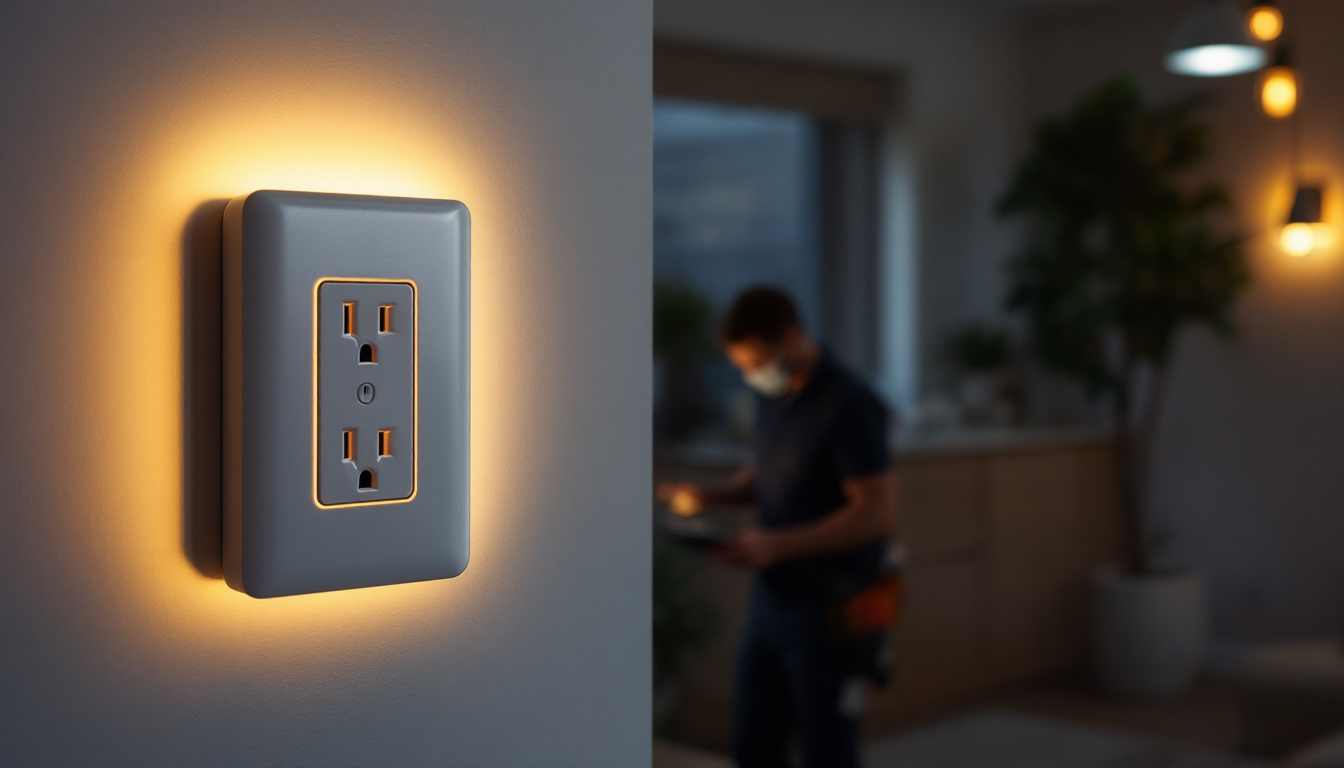
Ensure all electrical connections are secure and compliant with local codes. LED fixtures often require low-voltage wiring or specific drivers; verify that these components are compatible and installed correctly. Testing the system before finalizing the installation helps catch issues early. It’s beneficial to conduct a thorough inspection of the entire setup, checking for any flickering lights or inconsistent brightness, which could indicate wiring issues. Additionally, educating clients on the importance of regular maintenance, such as cleaning fixtures and checking connections periodically, can help prolong the lifespan of their LED systems and ensure optimal performance over time.
Advising Clients on Maintenance and Upgrades
Clients often appreciate guidance on maintaining their LED lighting systems. Unlike older bulbs, LEDs require minimal upkeep, but occasional cleaning of fixtures and lenses can preserve brightness. Remind homeowners to avoid harsh chemicals that might damage LED surfaces. Additionally, it’s beneficial to inform clients about the importance of checking for dust accumulation and ensuring that the fixtures are properly ventilated. This not only helps maintain the aesthetic appeal of their lighting but also optimizes the performance and lifespan of the LEDs, allowing them to enjoy their investment for years to come.
When clients consider future upgrades, contractors can recommend smart LED lighting options. These systems enable remote control, color tuning, and scheduling, enhancing convenience and energy savings. Explaining the benefits and installation requirements of smart lighting can position contractors as trusted advisors. Furthermore, discussing the integration of smart lighting with home automation systems can open up a dialogue about energy management and security features. For instance, clients can set their lights to simulate occupancy when they are away, providing peace of mind and deterring potential intruders. Highlighting these advanced functionalities not only showcases the versatility of smart lighting but also aligns with the growing trend of smart home technology, making it an appealing choice for modern homeowners.
Common Challenges and How to Overcome Them
Dealing with Flickering and Dimming Issues
Flickering LEDs are a frequent complaint. Causes include incompatible dimmers, poor wiring, or low-quality bulbs. Contractors should always test dimmers with the LED products before installation. Using LED-compatible dimmers and ensuring proper load on the circuit can prevent flickering.
For dimming, not all LEDs perform well at very low brightness levels. Inform clients about the limitations and recommend products designed for smooth dimming performance.
Addressing Color Inconsistencies
Color inconsistency can occur when mixing LED bulbs from different manufacturers or batches. To avoid this, specify products with tight color tolerance and order all bulbs for a project from the same lot. This ensures uniform lighting and a professional finish.
Staying Current with LED Technology and Trends
LED technology evolves rapidly. New developments in chip efficiency, smart controls, and design aesthetics continuously expand possibilities for home lighting. Contractors who stay informed about emerging products and industry standards can offer cutting-edge solutions and maintain a competitive edge.
Participating in manufacturer training sessions, industry trade shows, and online forums helps contractors keep pace with innovations. Building strong relationships with suppliers also provides early access to new products and technical support.
Conclusion: Simplifying LED Lighting for Better Outcomes
LED lighting offers tremendous benefits for residential projects, but its complexity can be daunting. By understanding the technology, choosing the right products, planning installations carefully, and advising clients effectively, lighting contractors can simplify the process and deliver superior results. Embracing ongoing education and best practices ensures that contractors remain trusted experts in the evolving world of home lighting.
Get Your Spec-Grade LED Lighting at LumenWholesale
Ready to elevate your lighting projects with the best LED solutions on the market? Look no further than LumenWholesale for all your lighting needs. We provide contractors with high-quality, specification-grade lighting products at unbeatable wholesale prices. Our extensive selection not only meets but exceeds industry standards, ensuring you deliver reliable and high-performance lighting to every homeowner. Plus, with free shipping on bulk orders, you can stock up on premium lighting without worrying about hidden fees or compromises. Make the smart choice for your business and your clients by choosing Wholesale Lighting at the Best Value with LumenWholesale. Your path to quality, affordability, and convenience in LED lighting starts here.