Why the 14W LED Bulb is a Game-Changer for Lighting Projects
Lighting contractors constantly seek reliable, energy-efficient solutions that balance performance with cost-effectiveness. The 14W LED bulb fits this niche perfectly. It offers a sweet spot between low power consumption and sufficient brightness, making it ideal for a wide range of applications—from residential to commercial lighting.
Unlike traditional incandescent or CFL bulbs, a 14W LED bulb typically delivers brightness comparable to a 100W incandescent bulb while consuming a fraction of the energy. This translates into significant savings on electricity bills for clients and less frequent replacements due to the LED’s longer lifespan. For contractors, this means fewer callbacks and higher customer satisfaction.
Additionally, the versatility of the 14W LED bulb cannot be overstated. Its design allows for seamless integration into various fixtures, including recessed lighting, pendant lights, and even outdoor applications. This adaptability makes it a favorite among contractors who need to cater to diverse client needs without compromising on quality or aesthetics. Moreover, many of these bulbs come with adjustable color temperatures, allowing users to choose between warm, cool, or daylight tones to create the desired ambiance in any space.
Another compelling aspect of the 14W LED bulb is its environmental impact. By significantly reducing energy consumption, these bulbs contribute to lower carbon footprints, aligning with the growing demand for sustainable building practices. Many clients are now prioritizing eco-friendly solutions, and the use of LED technology can enhance a contractor’s reputation as a forward-thinking professional. Furthermore, the reduced heat output of LED bulbs minimizes the risk of overheating, making them safer for use in enclosed fixtures and reducing the strain on air conditioning systems during hot months.
Understanding the Technical Specifications
Luminous Output and Efficiency
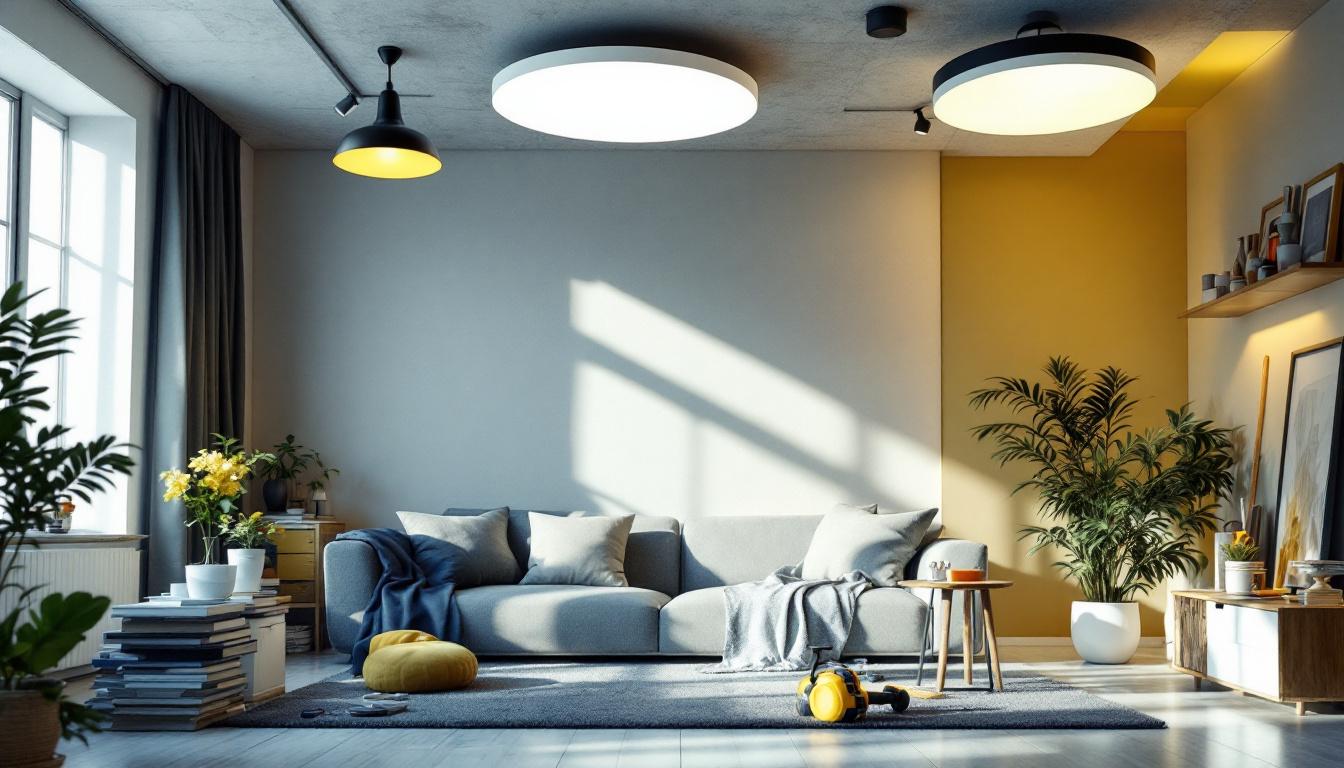
One of the most important specs for contractors is luminous output, measured in lumens. A quality 14W LED bulb generally produces between 1,200 and 1,600 lumens. This range is sufficient for illuminating medium-sized rooms or specific task areas without overpowering the space. For instance, in a living room, this level of brightness can create a warm and inviting atmosphere, while in a workshop, it can provide the necessary visibility for intricate tasks. Additionally, the distribution of light is crucial; many LED bulbs are designed with optics that enhance the spread of light, minimizing shadows and ensuring even illumination across surfaces.
Efficiency is measured in lumens per watt (lm/W). For a 14W LED bulb, efficiency often ranges from 85 to 115 lm/W, depending on the manufacturer and technology used. Higher efficiency means more light for less energy, an essential factor when designing energy-conscious lighting systems. This not only translates to lower electricity bills but also contributes to a reduced carbon footprint, aligning with modern sustainability goals. Furthermore, many manufacturers are now incorporating advanced technologies, such as smart sensors and dimming capabilities, which can further enhance energy savings by adjusting light output based on occupancy and ambient light levels.
Color Temperature and CRI
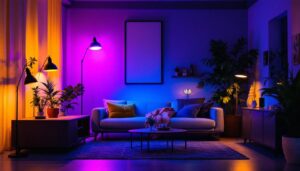
Color temperature affects the ambiance and functionality of a space. The 14W LED bulb is commonly available in various color temperatures, from warm white (2700K) to daylight (5000K+). Choosing the right color temperature depends on the application—warm white for cozy residential areas, cooler temperatures for offices or retail environments. For example, a warm white light can create a relaxing environment in bedrooms, while a daylight temperature can enhance focus and productivity in workspaces. Additionally, some LED bulbs offer tunable white options, allowing users to adjust the color temperature throughout the day to mimic natural daylight cycles, which can positively impact mood and circadian rhythms.
Color Rendering Index (CRI) is another critical metric. A CRI of 80 or above is generally recommended for most settings, ensuring colors appear natural and vibrant under the light. Some premium 14W LED bulbs offer CRIs of 90 or higher, which is especially important for retail or display lighting where accurate color perception is crucial. High CRI lighting can make a significant difference in how products are perceived by customers, enhancing their visual appeal and potentially influencing purchasing decisions. Moreover, in artistic environments, such as galleries or studios, the right CRI can ensure that artwork is displayed in its true colors, preserving the artist’s intent and enhancing the viewer’s experience.
Installation and Compatibility Considerations
Base Types and Fitting Options
Lighting contractors must verify bulb base compatibility before installation. The 14W LED bulb is often available in standard bases like E26 or E27, which fit most household fixtures. However, specialized bases such as GU10 or B22 might also be available for specific applications. Understanding the nuances of these bases is crucial; for instance, GU10 bulbs typically feature a twist-and-lock mechanism that provides a secure fit in track lighting, while B22 bases are commonly used in pendant lights and ceiling fixtures in regions like the UK.
Ensuring the bulb fits the fixture correctly avoids installation issues and potential damage. Additionally, some LED bulbs are designed to be retrofit replacements, meaning they can be installed directly into fixtures originally designed for incandescent or halogen bulbs without modification. This adaptability not only simplifies the upgrade process but also allows homeowners to enjoy the energy efficiency and longevity of LEDs without the need for extensive rewiring or fixture replacement. Furthermore, it’s advisable to check the wattage and lumens output to ensure that the new LED bulb meets the lighting requirements of the space.
Dimming Capabilities and Driver Compatibility
Many modern lighting projects require dimmable solutions. Not all 14W LED bulbs support dimming, so contractors must select bulbs labeled as “dimmable” and verify compatibility with existing dimmer switches. Using incompatible dimmers can cause flickering, buzzing, or reduced bulb lifespan. It’s worth noting that some older dimmer switches may not be designed to handle the lower wattage of LED bulbs, which can lead to performance issues. Upgrading to a compatible LED dimmer switch can significantly enhance the dimming experience and extend the life of both the bulb and the switch.
It’s also important to consider the LED driver quality. A well-designed driver ensures stable current flow, reduces flicker, and enhances overall bulb performance. Some bulbs include integrated drivers, while others rely on external drivers, especially in commercial or industrial setups. The choice of driver can impact not only the efficiency of the lighting system but also its reliability. For instance, high-quality drivers can provide features like thermal protection and overload protection, which are essential for maintaining optimal performance in demanding environments. Additionally, understanding the total load on the driver and ensuring it matches the requirements of all connected bulbs can prevent premature failures and ensure a consistent lighting experience.
Energy Savings and Environmental Impact
Energy efficiency is a top priority for lighting contractors advising clients on sustainable solutions. The 14W LED bulb consumes roughly 85% less energy than a traditional 100W incandescent bulb, significantly cutting operational costs over time.
Beyond energy savings, LEDs contain no mercury or hazardous materials, making disposal safer and more environmentally friendly. Their extended lifespan-often exceeding 25,000 hours-means fewer replacements and less waste. This aligns well with green building standards and certifications, which increasingly influence client decisions.
Common Applications and Use Cases
Residential Lighting
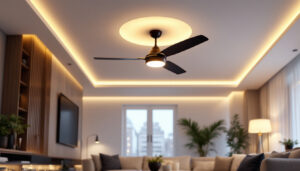
In homes, the 14W LED bulb is perfect for general lighting in living rooms, kitchens, and bedrooms. Its brightness and color temperature options allow contractors to create comfortable, inviting environments tailored to client preferences.
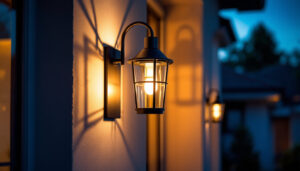
It’s also suitable for outdoor fixtures such as porch lights or garden lamps, provided the bulb is rated for damp or wet locations. This versatility makes it a go-to choice for many residential projects.
Commercial and Retail Spaces
Retailers benefit from the 14W LED bulb’s ability to highlight merchandise with accurate color rendering and bright, consistent light. Offices appreciate the energy savings and reduced maintenance costs, especially in areas where lighting is used extensively throughout the day.
In hospitality settings, these bulbs can enhance ambiance while keeping energy consumption low. Their compatibility with dimmers allows for flexible lighting scenes that adapt to different times or moods.
Industrial and Specialty Settings
While not as powerful as higher-wattage LEDs, the 14W bulb still finds use in industrial environments for task lighting or in areas where moderate illumination suffices. Its durability and resistance to vibration make it suitable for some specialty fixtures.
Contractors should ensure the bulb’s specifications meet any required safety or performance standards specific to industrial applications.
Key Factors for Lighting Contractors When Selecting 14W LED Bulbs
Quality and Reliability
Not all 14W LED bulbs are created equal. Contractors should prioritize bulbs from reputable manufacturers that provide detailed technical data and warranties. Quality components translate into consistent light output, longer lifespan, and fewer failures on the job.
Cost vs. Value
While upfront cost is important, the total cost of ownership matters more. A slightly more expensive bulb with higher efficiency and longer life can save clients money in the long run. Contractors should be prepared to explain these benefits clearly to clients.
Compliance and Certifications
Ensure the bulbs meet relevant safety and performance certifications such as UL, CE, or ENERGY STAR. Compliance guarantees that the product has been tested and meets industry standards, reducing liability and ensuring client trust.
Maintenance and Troubleshooting Tips
Even the best LED bulbs can face issues if installed or maintained improperly. Contractors should advise clients on simple maintenance practices such as cleaning fixtures regularly to prevent dust buildup, which can reduce light output.
If flickering or dimming problems arise, checking compatibility with dimmer switches and drivers is the first step. Replacing incompatible components often resolves these issues without needing to swap out the bulb.
Conclusion: The 14W LED Bulb as a Contractor’s Reliable Choice
The 14W LED bulb strikes a balance that appeals to lighting contractors looking for efficiency, versatility, and performance. It suits a wide variety of applications and offers tangible benefits in energy savings, maintenance, and lighting quality.
By understanding the technical details, installation requirements, and practical use cases, contractors can confidently specify 14W LED bulbs that meet client needs and exceed expectations. This knowledge not only streamlines project execution but also builds long-term trust and professional credibility.
Illuminate Your Projects with LumenWholesale
Ready to enhance your lighting projects with the efficiency and versatility of 14W LED bulbs? Look no further than LumenWholesale for a superior selection of spec-grade lighting products at unbeatable wholesale prices. Say goodbye to inflated markups and hello to high-performance lighting that meets the highest industry standards. With free shipping on bulk orders, LumenWholesale is your go-to source for premium lighting solutions that combine quality, affordability, and convenience. Elevate your lighting game and give your clients the best value by visiting Wholesale Lighting at the Best Value today.