Understanding the Importance of Proper Lighting
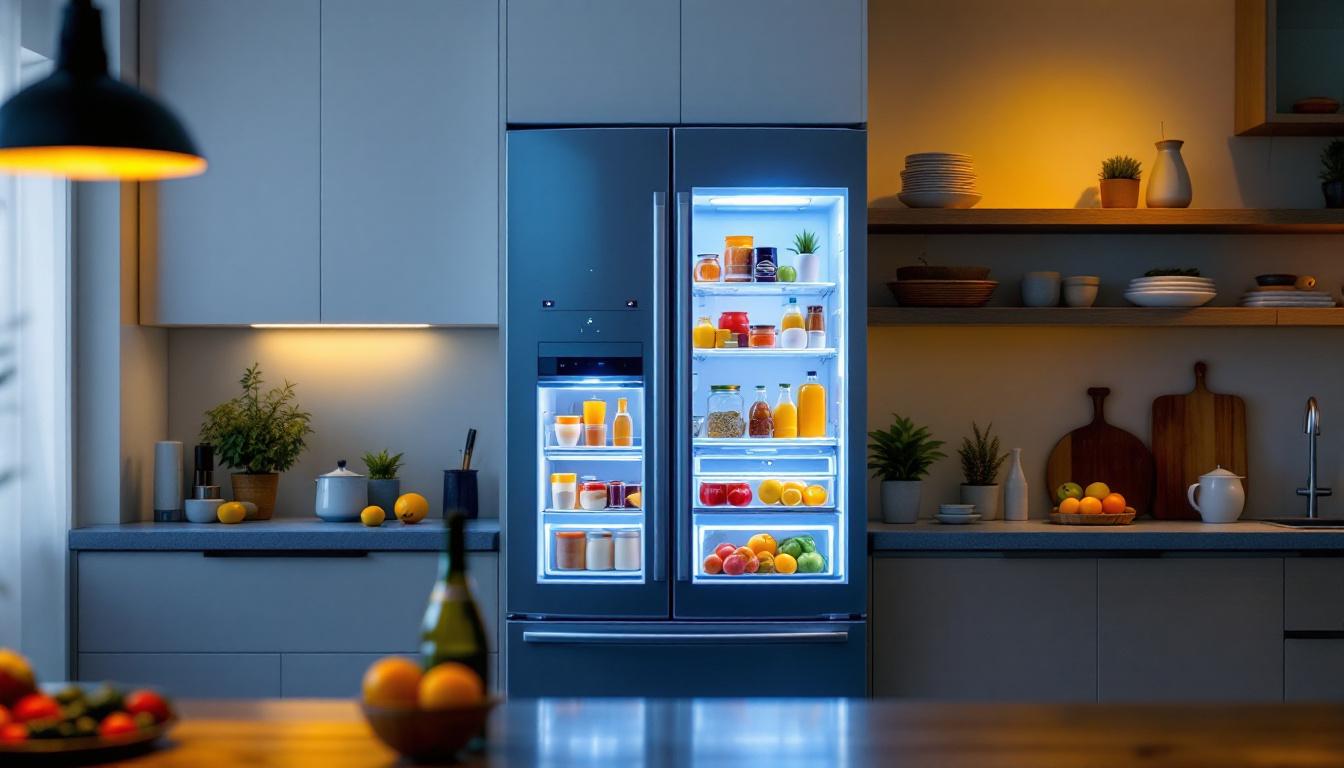
Lighting is a crucial element in any space, influencing not only aesthetics but also functionality and mood. For lighting contractors, the challenge often lies in balancing these aspects while ensuring energy efficiency and compliance with regulations. One area that frequently gets overlooked is the lighting of refrigerators, particularly in commercial settings. This article delves into the nuances of fridge lighting, exploring why it matters and what contractors should consider.
Why Fridge Lighting Matters
Fridge lighting plays a significant role in the overall customer experience, particularly in retail environments such as supermarkets and convenience stores. Properly illuminated refrigerators enhance product visibility, making it easier for customers to identify and select items. Additionally, effective lighting can influence purchasing decisions, as well-lit products often appear more appealing. Studies have shown that well-lit displays can increase sales by up to 30%, highlighting the direct correlation between lighting and consumer behavior.
Moreover, from a practical standpoint, adequate fridge lighting assists staff in inventory management. Employees can quickly assess stock levels and identify products that need restocking, ultimately improving operational efficiency. Ignoring this aspect can lead to lost sales and increased labor costs. In addition to improving visibility, the right lighting can also help in maintaining product quality. For instance, certain foods may degrade faster under improper lighting conditions, making it vital for contractors to choose lighting solutions that not only illuminate but also protect the integrity of the products.
Common Misconceptions About Fridge Lighting
Many contractors may assume that any light source will suffice for illuminating a fridge. However, this is a misconception that can lead to poor lighting choices. Not all light sources provide the same quality of illumination. For instance, traditional incandescent bulbs may not be suitable for low-temperature environments, as they can generate heat that affects the fridge’s performance. Instead, LED lighting has emerged as a preferred choice due to its low heat output, energy efficiency, and longer lifespan, making it ideal for refrigeration applications.
Furthermore, some contractors may overlook the importance of color temperature in fridge lighting. Cooler color temperatures can enhance the appearance of fresh produce and dairy products, while warmer tones may be more suitable for packaged goods. Understanding these nuances is essential for creating an effective lighting design that meets both aesthetic and functional needs. Additionally, the placement of lights within the fridge can dramatically affect how products are perceived. Strategic positioning can minimize shadows and ensure that every item is evenly lit, creating a more inviting display that encourages customers to explore and purchase.
Types of Lighting Solutions for Refrigerators
When it comes to fridge lighting, several options are available, each with its unique advantages and disadvantages. Selecting the right type of lighting solution requires a careful assessment of the specific requirements of the refrigerator and its contents.
LED Lighting
LED lighting has gained popularity in recent years due to its energy efficiency and longevity. These lights produce minimal heat, making them ideal for use in refrigerators. Additionally, LED lights are available in various color temperatures, allowing contractors to customize the lighting to suit different products.
Another advantage of LED lighting is its low maintenance cost. With a lifespan that can exceed 25,000 hours, LEDs reduce the frequency of replacements, which is particularly beneficial in commercial settings where downtime can be costly.
Fluorescent Lighting
Fluorescent lights have been a staple in commercial refrigeration for years. They provide bright, even illumination and are relatively energy-efficient. However, they may not perform as well in extremely low temperatures, which can lead to flickering or reduced brightness.
Contractors should also consider the color rendering index (CRI) of fluorescent lights. A higher CRI can enhance the appearance of products, making them more appealing to customers. Selecting the right fluorescent tubes can significantly impact the overall effectiveness of the fridge lighting.
Incandescent Lighting
While incandescent lighting is becoming less common due to its energy inefficiency, it still has its place in certain applications. Incandescent bulbs provide warm light that can create an inviting atmosphere. However, their heat output can be detrimental in refrigeration settings, potentially raising the internal temperature and compromising food safety.
Contractors should weigh the pros and cons of using incandescent lighting carefully. In some cases, they may be better suited for display cases rather than inside the fridge itself, where cooler lighting options would be more appropriate.
Key Considerations for Effective Fridge Lighting
When designing lighting solutions for refrigerators, several critical factors must be taken into account. These considerations can significantly impact the effectiveness and efficiency of the lighting system.
Temperature and Environment
The internal temperature of a refrigerator is a primary concern when selecting lighting solutions. As previously mentioned, heat-generating bulbs can compromise the fridge’s performance. Therefore, it is essential to choose lighting that can withstand low temperatures without affecting the refrigeration system.
Additionally, the external environment should be considered. For instance, if the fridge is located in an area with high humidity or exposure to moisture, contractors should opt for lighting solutions that are rated for such conditions. This will ensure longevity and reliability in performance.
Light Distribution and Placement
Effective light distribution is vital for ensuring that all areas of the fridge are adequately illuminated. Poorly placed lights can create dark spots, making it difficult for customers and staff to see products clearly. Contractors should consider using multiple light sources or adjustable fixtures to achieve optimal coverage.
Moreover, the placement of lights should take into account the layout of the fridge. For example, shelves and compartments may require specific lighting angles to prevent shadows from obstructing visibility. A well-thought-out lighting plan can enhance the overall functionality of the fridge.
Energy Efficiency and Sustainability
In today’s world, energy efficiency is more important than ever. Lighting contractors should prioritize solutions that minimize energy consumption while still providing adequate illumination. LED lighting is an excellent choice in this regard, as it consumes significantly less energy than traditional bulbs.
In addition to reducing energy costs, selecting energy-efficient lighting solutions can contribute to a company’s sustainability goals. Many businesses are now seeking to reduce their carbon footprint, and implementing energy-efficient lighting in refrigerators can be a step towards achieving that objective.
Compliance with Regulations and Standards
Lighting contractors must also be aware of the various regulations and standards that govern lighting in commercial settings. These guidelines often dictate the minimum requirements for illumination levels, energy efficiency, and safety. Failure to comply with these regulations can result in penalties and negatively impact a business’s reputation.
Understanding Local Codes
Local building codes can vary significantly, making it essential for contractors to familiarize themselves with the specific regulations in their area. These codes may outline requirements for light intensity, energy consumption, and even the types of fixtures that can be used in refrigeration settings.
Contractors should also stay informed about any changes to these codes, as they can evolve over time. Regularly reviewing local regulations ensures that lighting designs remain compliant and up to date.
Health and Safety Standards
In addition to building codes, health and safety standards must also be considered. For example, the Food and Drug Administration (FDA) has guidelines regarding the illumination of food storage areas. Ensuring compliance with these standards is crucial for maintaining food safety and preventing contamination.
Contractors should work closely with clients to educate them about these regulations and help them implement lighting solutions that meet or exceed the required standards. This proactive approach can enhance the overall safety and functionality of the refrigeration system.
Innovations in Fridge Lighting Technology
The lighting industry is continuously evolving, with new technologies emerging that can enhance the effectiveness of fridge lighting. Staying informed about these innovations can help contractors provide cutting-edge solutions to their clients.
Smart Lighting Solutions
Smart lighting technology is becoming increasingly popular in various applications, including refrigeration. These systems allow for remote control and automation, enabling users to adjust lighting levels based on specific needs or preferences. For instance, lights can be programmed to dim during non-peak hours, conserving energy while still providing adequate illumination when needed.
Additionally, smart lighting can integrate with other systems, such as inventory management software, to optimize lighting based on stock levels. This level of integration can significantly enhance operational efficiency and improve the overall customer experience.
Color-Tunable LED Lighting
Color-tunable LED lighting is another exciting development in the field of fridge lighting. These systems allow users to adjust the color temperature of the lights, providing flexibility in how products are displayed. For example, a cooler color temperature can be used to enhance the appearance of fresh produce, while warmer tones may be more suitable for packaged goods.
This adaptability can help retailers create a more appealing shopping environment, ultimately driving sales and enhancing customer satisfaction. Contractors should explore the potential of color-tunable lighting solutions to offer clients innovative options that stand out in a competitive market.
Conclusion: The Importance of Attention to Detail
In the world of lighting contracting, attention to detail is paramount. Overlooking the nuances of fridge lighting can lead to missed opportunities for enhancing customer experience and operational efficiency. By understanding the importance of proper lighting, exploring various lighting solutions, and staying informed about regulations and innovations, contractors can provide exceptional service to their clients.
Ultimately, the goal is to create lighting designs that not only meet functional requirements but also elevate the overall aesthetic of the space. By prioritizing fridge lighting, contractors can contribute to the success of their clients’ businesses while establishing themselves as knowledgeable and reliable professionals in the industry.
Illuminate Your Projects with LumenWholesale
Don’t let overlooked details like fridge lighting dim the potential of your projects. At LumenWholesale, we provide lighting contractors with the high-quality, spec-grade lighting solutions you need to shine in every aspect of your work. Our extensive selection is designed to meet the highest industry standards, ensuring that you deliver reliable and high-performance lighting every time. Take advantage of our unbeatable wholesale prices and free shipping on bulk orders to get the best value for your investment. Elevate your lighting designs and enhance your professional reputation with the perfect blend of quality, affordability, and convenience. Wholesale Lighting at the Best Value is just a click away.