Understanding the Unique Challenges of Wine Cellar Lighting
Lighting a wine cellar is a specialized task that requires more than just installing standard fixtures. Wine cellars have specific environmental conditions and aesthetic demands that must be carefully balanced. For lighting contractors, understanding these nuances is crucial to delivering a solution that preserves the wine’s quality while enhancing the cellar’s visual appeal.
One of the primary challenges is controlling heat emission. Traditional incandescent bulbs generate heat that can raise the temperature inside the cellar, potentially damaging the wine. This makes the selection of lighting technology a critical decision. LED lighting, known for its low heat output and energy efficiency, has become the preferred choice among experts. Additionally, LEDs come in various color temperatures, allowing for customization that can create a warm, inviting atmosphere without compromising the integrity of the wine.
Another consideration is the impact of light on wine itself. Ultraviolet (UV) rays and excessive exposure to visible light can degrade wine, causing premature aging or spoilage. Therefore, lighting systems must minimize UV exposure and avoid intense direct lighting on bottles. This often means using filtered or indirect lighting techniques. Furthermore, the strategic placement of lights can enhance the visual appeal of the cellar while ensuring that the bottles are showcased beautifully without risking their quality.
Environmental Control and Lighting Integration
Wine cellars are designed to maintain consistent temperature and humidity levels. Lighting fixtures must not interfere with these conditions. For instance, recessed lighting or fixtures with proper insulation help prevent heat leakage. Moreover, lighting controls such as dimmers and timers can reduce the amount of time lights are on, further protecting the cellar environment. Incorporating smart lighting systems can also provide flexibility, allowing wine enthusiasts to adjust the ambiance with ease, whether hosting a tasting event or simply enjoying a quiet evening.
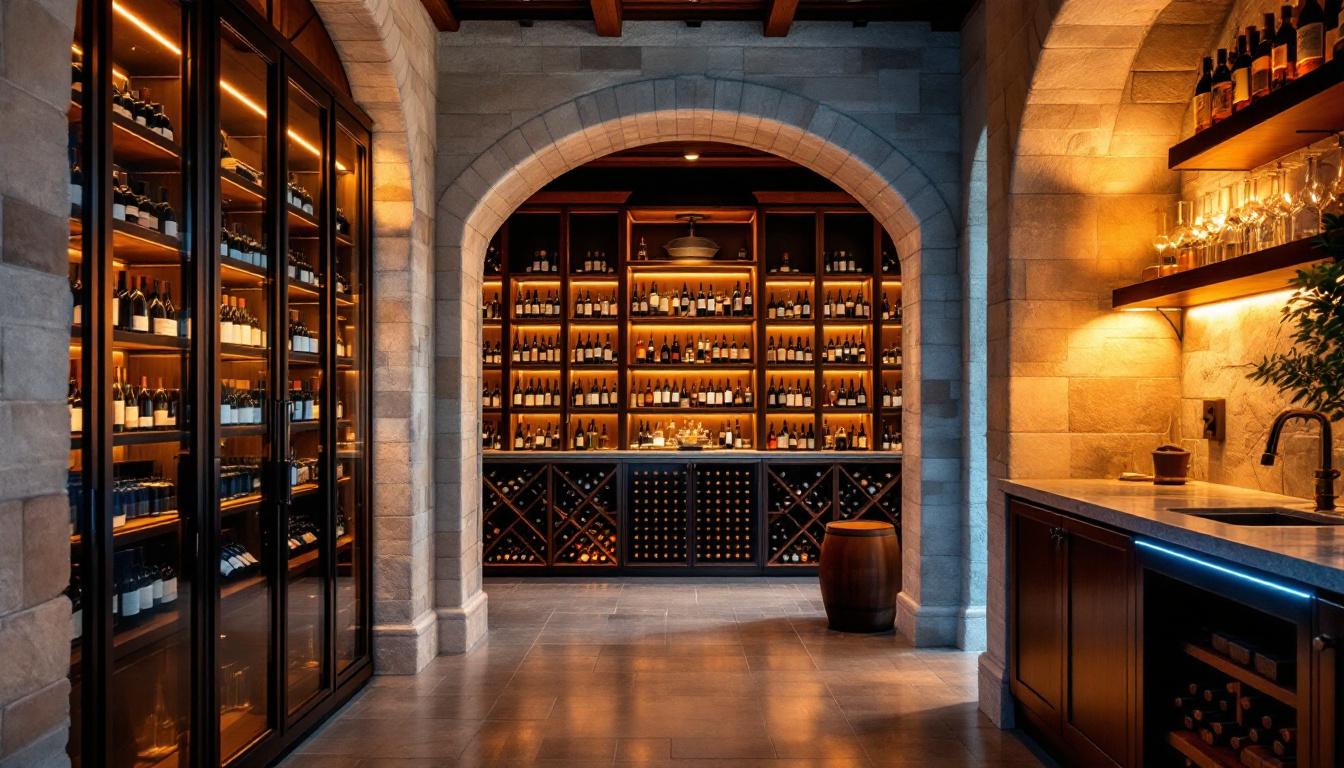
Contractors should collaborate closely with HVAC specialists to ensure that lighting installations complement the cellar’s climate control systems. This integrated approach helps maintain optimal storage conditions and prolongs the lifespan of both the wine and the lighting equipment. Additionally, considering the aesthetic elements, such as the materials used in the cellar’s construction, can influence lighting choices. For example, wooden racks and stone walls may reflect light differently, necessitating adjustments in brightness and color to achieve the desired effect. By taking these factors into account, contractors can create a harmonious environment that not only protects the wine but also enhances the overall experience of the cellar.
Choosing the Right Lighting Technology for Wine Cellars
Lighting technology has evolved significantly, offering contractors a variety of options tailored to the specific needs of wine cellars. LEDs stand out as the most effective solution, but understanding the nuances within LED technology is essential for expert application.
LEDs provide excellent color rendering, which is vital for showcasing the rich hues of wine bottles and labels. A color rendering index (CRI) of 90 or above is recommended to ensure colors appear vivid and natural. Additionally, selecting the appropriate color temperature—typically in the range of 2700K to 3000K—creates a warm, inviting atmosphere without harsh or sterile lighting.
Specialized LED Fixtures and Features
Many manufacturers now offer LED fixtures specifically designed for wine cellars. These often include features such as UV filters, low heat emission, and adjustable beam angles. Adjustable fixtures allow contractors to highlight architectural features or create focal points on prized bottle collections.
Furthermore, smart lighting systems enable remote control and automation, allowing cellar owners to adjust lighting scenes or schedules conveniently. This not only enhances user experience but also contributes to energy savings and environmental preservation.
In addition to the technological advancements in LED lighting, the design and placement of fixtures play a crucial role in the overall ambiance of a wine cellar. Strategically positioned recessed lighting can create a soft glow that accentuates the wine racks while minimizing shadows. Wall sconces can provide additional layers of light, enhancing the cellar’s aesthetic appeal and making it a more inviting space for tastings or gatherings. Moreover, incorporating dimmable options allows for flexibility in setting the mood, whether for an intimate dinner or a lively celebration.
Another consideration is the integration of accent lighting to draw attention to specific bottles or collections. Spotlights or track lighting can be used to illuminate rare vintages or personalized displays, making them the centerpiece of the room. Additionally, the use of illuminated shelving can add a modern touch while ensuring that the bottles are always beautifully showcased. By combining these various lighting techniques, contractors can create a wine cellar that is not only functional but also an exquisite environment for wine enthusiasts.
Design Principles for Effective Wine Cellar Lighting
Beyond technical specifications, the design of wine cellar lighting plays a pivotal role in creating an ambiance that complements the cellar’s purpose. Lighting contractors must balance functionality with aesthetics to deliver a space that is both practical and visually appealing. The right lighting can transform a simple storage area into an inviting sanctuary for wine enthusiasts, making it a place where they can appreciate their collection and enjoy the art of wine tasting.
Layered Lighting Approach
Experts recommend a layered lighting strategy that combines ambient, task, and accent lighting. Ambient lighting provides overall illumination, ensuring safe navigation within the cellar. Task lighting focuses on specific areas such as tasting tables or shelving units, facilitating activities like bottle selection and reading labels. This careful consideration of lighting not only enhances usability but also sets the mood for social gatherings or intimate tastings.
Accent lighting adds drama and highlights architectural details or unique bottle displays. Using LED strip lights under shelves or spotlights directed at feature walls can create depth and texture, enhancing the overall experience. This approach allows for the creation of focal points that draw attention to prized bottles or artistic elements within the cellar, making the space feel curated and intentional.
Minimizing Glare and Shadows
Glare and harsh shadows can detract from the cellar’s ambiance and make it difficult to appreciate the wine collection. Lighting contractors should utilize diffusers, frosted lenses, or indirect lighting techniques to soften illumination. Positioning fixtures carefully to avoid direct light on glass surfaces also reduces reflections and glare. This meticulous attention to detail ensures that the lighting enhances rather than overwhelms the visual appeal of the wine cellar.
Furthermore, the choice of color temperature plays a significant role in how the wines are perceived. Warmer tones can evoke a sense of coziness and intimacy, ideal for tasting events or leisurely evenings spent among friends. Conversely, cooler tones can create a more modern and sophisticated atmosphere, perfect for showcasing a contemporary collection. By thoughtfully selecting the right color temperature, lighting can not only illuminate but also enhance the character of the wines themselves, making each bottle a part of the overall narrative of the space.
Installation Best Practices and Maintenance Considerations
Proper installation is key to ensuring the longevity and effectiveness of wine cellar lighting. Lighting contractors must adhere to best practices that address both technical and environmental factors.
Fixture Placement and Wiring
Strategic fixture placement ensures even lighting distribution and prevents hotspots that could affect wine quality. Wiring should be concealed and protected to maintain the cellar’s aesthetic and prevent damage from humidity or temperature fluctuations.
Using low-voltage systems can enhance safety and reduce heat generation. Additionally, incorporating dimmers and motion sensors can optimize energy use and extend the lifespan of lighting components. The choice of bulbs is also crucial; LED options not only provide excellent illumination but also emit minimal heat, making them ideal for wine storage environments. Furthermore, the color temperature of the lighting should be carefully selected to avoid altering the perception of the wine’s color while also creating an inviting atmosphere.
Ongoing Maintenance and Upgrades
Wine cellar lighting requires periodic maintenance to ensure continued performance. Dust accumulation on fixtures can reduce light output, while aging components may need replacement to maintain color accuracy and efficiency.
Contractors should advise clients on maintenance schedules and offer upgrade options as lighting technology advances. This proactive approach helps preserve the cellar’s environment and enhances the overall value of the installation. Regular inspections can identify potential issues before they escalate, such as checking for flickering lights or unusual energy consumption, which might indicate underlying electrical problems. Furthermore, as smart home technology continues to evolve, integrating advanced lighting controls can provide users with greater flexibility, allowing them to customize the ambiance of their wine cellar with ease, thus enhancing both functionality and enjoyment.
Case Studies: Successful Wine Cellar Lighting Projects
Examining real-world examples provides valuable insights into effective lighting strategies and common challenges encountered by contractors.
Residential Wine Cellar in a Historic Home
In a project involving a historic residence, contractors faced the challenge of integrating modern lighting without compromising the cellar’s vintage aesthetic. They utilized warm-toned LED fixtures with dimmable controls, combined with subtle accent lighting to highlight antique wine racks. The solution preserved the ambiance while ensuring optimal visibility and environmental safety.
Commercial Wine Storage Facility
A large-scale commercial wine storage facility required a lighting system that could accommodate high-density shelving and frequent access. Contractors implemented a layered LED system with motion sensors to activate lighting only when areas were occupied. This approach significantly reduced energy consumption and minimized heat exposure to stored wines.
Conclusion: Elevating Wine Cellar Lighting Through Expertise
Lighting contractors play a vital role in creating wine cellars that are both functional and visually captivating. By understanding the unique challenges of wine storage environments, selecting appropriate technologies, and applying thoughtful design principles, contractors can deliver lighting solutions that protect the wine and enhance the cellar experience.
Ongoing collaboration with clients and other specialists, adherence to best practices, and staying informed about technological advancements ensure that lighting installations remain effective and sustainable. Ultimately, expert lighting transforms wine cellars into spaces that celebrate the art of wine preservation and enjoyment.
Illuminate Your Wine Cellar with LumenWholesale
Ready to elevate your wine cellar projects with expert lighting solutions? At LumenWholesale, we offer an exceptional range of spec-grade lighting products designed to meet the unique challenges of wine storage environments. Our commitment to quality and affordability ensures that you can access the best lighting technologies without the premium price tag. With free shipping on bulk orders, LumenWholesale is your go-to source for reliable, high-performance lighting that enhances both the functionality and aesthetics of any wine cellar. Discover the perfect blend of quality, affordability, and convenience. Wholesale Lighting at the Best Value is just a click away.