Understanding the Dual Ceiling Fan Switch
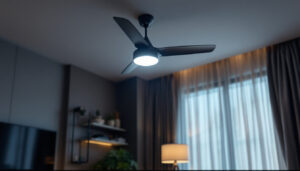
Dual ceiling fan switches are a staple in many residential and commercial lighting projects. They allow independent control of the fan motor and the light fixture, providing flexibility and convenience for users. For lighting contractors, mastering the installation and troubleshooting of these switches is essential.
Unlike a single switch that controls both the fan and light simultaneously, a dual switch setup splits the controls. This means one switch toggles the fan speed or power, while the other manages the light. This separation can enhance user comfort and energy efficiency, especially in spaces where lighting needs vary independently from airflow.
Training your team to understand the wiring, installation nuances, and common issues related to dual ceiling fan switches ensures smoother project execution and fewer callbacks. It also builds confidence when explaining functionality to clients, which can improve customer satisfaction.
Moreover, understanding the various types of dual ceiling fan switches available in the market is crucial for contractors. Some models come with additional features such as remote control capabilities or smart technology integration, allowing users to adjust their settings from a distance or even through a smartphone app. This not only adds a layer of convenience but can also appeal to tech-savvy homeowners looking to modernize their living spaces. Familiarizing your team with these advanced options can open up new avenues for upselling and enhance the overall service offering.
Additionally, it is important to consider the aesthetic aspect of dual ceiling fan switches. With a variety of designs, colors, and finishes available, contractors can help clients choose switches that complement their interior decor. This attention to detail can significantly elevate the overall look of a room, making the functionality of the switches not just practical, but also visually appealing. By providing insights on how to select the right style, contractors can further establish themselves as trusted advisors in the field, fostering long-term relationships with clients.
Key Components and Wiring Basics
Identifying the Switch Types
There are several types of dual ceiling fan switches, including rocker switches, pull-chain switches with wall controls, and dimmer-compatible models. Each type requires different wiring approaches and offers varying levels of control. For example, dimmer-compatible switches allow users to adjust light intensity, but not all fans are compatible with dimmers. The versatility of rocker switches, which can be easily installed in a standard wall plate, makes them a popular choice among homeowners seeking a sleek and modern look.
Understanding these differences is critical. A common mistake is pairing a dimmer switch with a fan motor that isn’t designed for variable speed, which can cause humming noises or damage the motor. Training should emphasize checking manufacturer specifications before installation. Additionally, pull-chain switches, while convenient for manual operation, can sometimes be overlooked in favor of more modern solutions, yet they provide a reliable backup in case of electrical failure. It’s essential to educate users on the advantages and limitations of each switch type to ensure they make informed decisions that suit their lifestyle and needs.
Wiring Overview
Typically, a dual ceiling fan switch setup involves three wires coming from the ceiling box: one hot wire, one neutral wire, and two switched wires—one for the fan and one for the light. The hot wire feeds power into the switch, which then sends current to either the fan or light depending on the switch position. This configuration allows for independent control of the fan and light, enhancing user convenience and comfort.
Proper grounding is also essential for safety. The ground wire must be connected to the switch’s grounding terminal and the metal box if applicable. Neglecting grounding can lead to electrical hazards and code violations. Furthermore, using high-quality wire connectors and ensuring all connections are tight can prevent future issues such as flickering lights or intermittent fan operation. It’s advisable to use wire nuts or terminal blocks to secure connections, as these methods provide a more reliable and durable solution compared to simply twisting wires together.
Common Wiring Configurations
Most dual switches are wired in a 3-way or 4-way configuration, depending on the number of control points. For single-location control, a simple dual switch with two outputs suffices. However, multi-location control requires more complex wiring and often the use of traveler wires. Understanding how these configurations work allows for greater flexibility in home design, enabling users to control their ceiling fans from multiple locations, such as at the top and bottom of a staircase.
Training your team on reading wiring diagrams and identifying wire colors on-site helps prevent errors. Color coding can vary, so verifying with a voltage tester before proceeding is a must. In addition, familiarizing yourself with local electrical codes and regulations is crucial, as these can dictate specific wiring practices and safety standards. This knowledge not only enhances the quality of installations but also instills confidence in clients, knowing that their electrical systems are up to code and safely installed.
Training Techniques for Your Team
Hands-On Workshops
Nothing beats hands-on experience when it comes to electrical work. Set up mock ceiling fan switch installations in a controlled environment where your team can practice wiring, testing, and troubleshooting without pressure.
Use a variety of switch types and fan models to expose the team to different scenarios. Encourage them to identify wiring mistakes and fix them. This practical approach builds muscle memory and reduces the likelihood of errors on actual job sites.
Visual Aids and Documentation
Visual aids like wiring diagrams, step-by-step photo guides, and video tutorials can reinforce learning. These materials should be easily accessible and updated regularly to reflect the latest products and code changes.
Providing your team with checklists for installation and troubleshooting ensures consistency. For example, a checklist might include verifying power is off, confirming wire colors, testing continuity, and ensuring secure connections.
Simulated Troubleshooting Sessions
Simulated troubleshooting exercises help your team develop problem-solving skills. Present common issues such as flickering lights, fan motor humming, or switches that don’t respond. Have your team diagnose the problem and propose solutions.
This method sharpens critical thinking and prepares your technicians for real-world challenges. It also encourages collaboration and knowledge sharing among team members.
Common Installation Challenges and How to Address Them
Incorrect Wiring and Its Consequences
One of the most frequent problems encountered is incorrect wiring. This can lead to the fan or light not functioning, or worse, electrical shorts and hazards. Misidentifying the hot wire or mixing up the fan and light wires is a common pitfall.
To avoid this, always test wires with a non-contact voltage tester before connecting. Label wires during installation to keep track of their functions. Training should stress the importance of double-checking connections before powering up the circuit.
Compatibility Issues Between Fans and Switches
Not all fans work well with every switch type. For instance, some fans require specific speed control modules rather than standard dimmer switches. Using incompatible switches can cause noise, reduced lifespan, or erratic operation.
Encourage your team to consult manufacturer manuals and technical support when in doubt. Maintaining a reference library of product specs can save time and prevent costly mistakes.
Dealing with Multi-Way Switch Setups
Multi-way switch configurations, where a fan or light is controlled from multiple locations, add complexity. Incorrect wiring here can cause switches to behave unpredictably or fail to turn off the load.
Training should cover the principles of traveler wires, common and traveler terminals, and how to test multi-way circuits. Using circuit testers designed for multi-way switches can simplify diagnosis.
Enhancing Customer Experience Through Education
Explaining Functionality Clearly
Clients often appreciate when contractors take the time to explain how their new lighting and fan controls work. Encourage your team to demonstrate switch operation and highlight the benefits of dual switches, such as independent control and energy savings.
Clear communication can reduce user frustration and minimize service calls. It also positions your company as knowledgeable and customer-focused.
Offering Maintenance Tips
Providing customers with maintenance advice can extend the life of their ceiling fans and switches. Simple tips like cleaning fan blades regularly, checking switch tightness, and avoiding overloading circuits can make a big difference.
Training your team to share these tips during installation or service visits adds value and builds trust. It also opens opportunities for future service contracts.
Staying Up-to-Date with Industry Standards and Innovations
Electrical Codes and Safety Regulations
Compliance with local electrical codes is non-negotiable. Codes evolve, especially regarding energy efficiency and safety standards. Your team must stay informed about requirements for switch types, wiring methods, and grounding.
Regular training sessions focused on code updates, combined with access to authoritative resources, ensure your team remains compliant and safe.
Emerging Technologies in Fan and Lighting Controls
Smart home technology is reshaping how lighting and fans are controlled. Wi-Fi-enabled switches, voice control integration, and app-based management are becoming more common. While traditional dual switches remain relevant, awareness of these innovations can expand your service offerings.
Encourage your team to familiarize themselves with smart switch installation and troubleshooting. This knowledge can differentiate your business and meet growing customer demand for connected home solutions.
Conclusion: Building Expertise and Confidence
Training your team in the nuances of dual ceiling fan switches is more than a technical exercise; it’s an investment in quality, safety, and customer satisfaction. By combining hands-on practice, clear documentation, troubleshooting simulations, and ongoing education, you create a workforce capable of handling any lighting challenge.
Lighting contractors who prioritize comprehensive training not only reduce errors and callbacks but also build a reputation for professionalism and reliability. This foundation supports business growth and positions your team as trusted experts in the field.
Equip Your Team with the Best Lighting Tools from LumenWholesale
Ready to elevate your lighting projects with the highest quality dual ceiling fan switches and accessories? Look no further than LumenWholesale, where we provide contractors with spec-grade lighting products at unparalleled wholesale prices. Our commitment to cutting out the middleman means you get the best value for your investment, with free shipping on bulk orders to streamline your purchasing process. Enhance your team’s expertise and ensure every installation shines with reliability and performance. Discover the ideal combination of quality, affordability, and convenience by visiting Wholesale Lighting at the Best Value today.