The Unique Challenges of Church Lighting
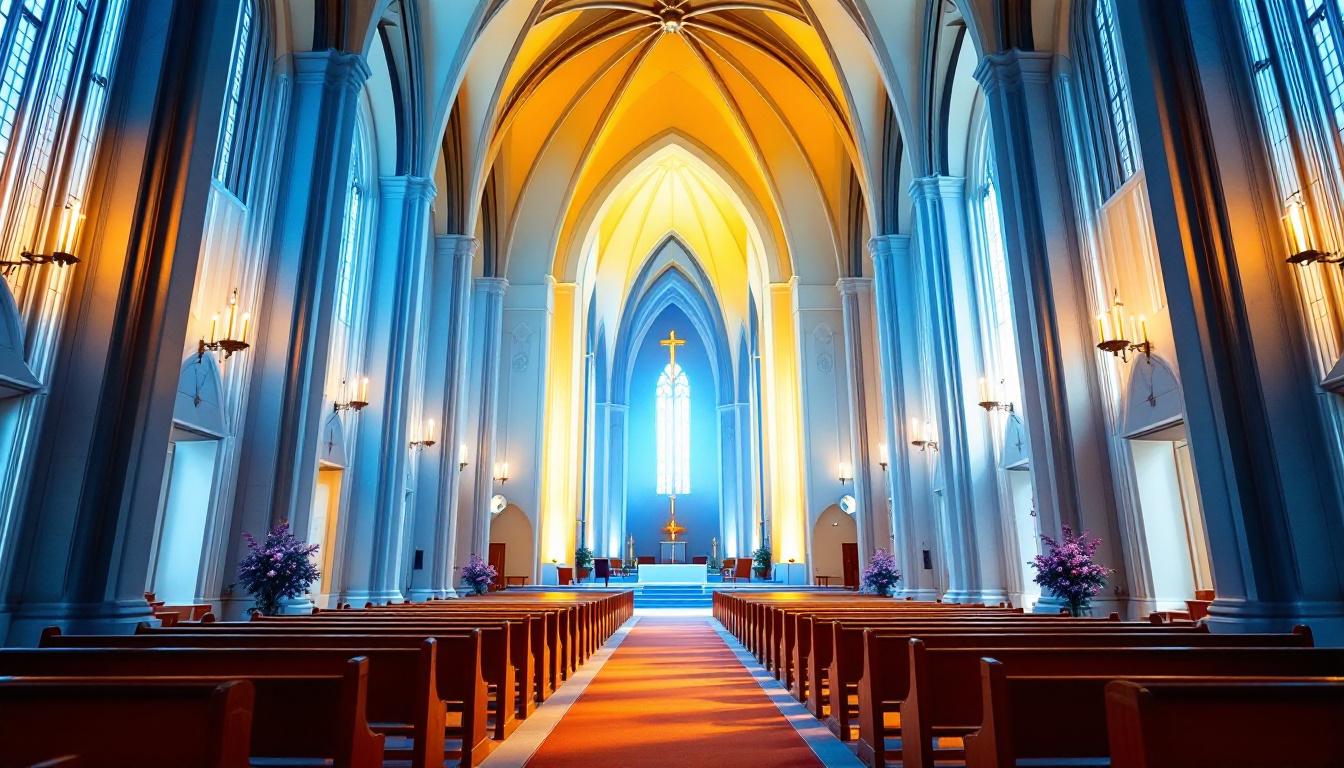
Churches present a distinct set of challenges for lighting contractors. Unlike commercial or residential spaces, churches serve multiple purposes—worship, community gatherings, ceremonies, and sometimes performances. Each use demands a different lighting atmosphere. The architecture itself often complicates matters: vaulted ceilings, stained glass windows, intricate woodwork, and historic elements require lighting that enhances beauty without causing damage or distraction.
Lighting contractors must balance aesthetics, functionality, and preservation. For example, overly bright or poorly positioned lights can wash out stained glass windows or create harsh shadows on altars and pulpits. Conversely, insufficient lighting can make it difficult for congregants to read hymnals or see the speaker clearly. The goal is to create an environment that supports spiritual focus, comfort, and accessibility.
Additionally, the varying times of day and seasons can further complicate the lighting design. Natural light streaming through stained glass during morning services can create breathtaking displays, but as the sun sets, the same windows may cast distracting shadows or create uneven lighting throughout the space. Lighting contractors often need to incorporate dimmable systems or adjustable fixtures to accommodate these changes, allowing for a seamless transition from day to night. Moreover, the use of LED technology has revolutionized church lighting, offering energy efficiency and longevity while providing a range of color temperatures that can be tailored to specific events, enhancing the overall worship experience.
Another layer of complexity arises from the need for versatility in lighting design. Many churches host a variety of events beyond traditional services, such as weddings, concerts, and community outreach programs. Each of these events may require different lighting setups to create the appropriate mood and atmosphere. For instance, a wedding might benefit from soft, warm lighting to enhance the romantic ambiance, while a community concert may call for brighter, more dynamic lighting to energize the audience. This adaptability necessitates a thoughtful approach to lighting control systems, allowing for quick adjustments and pre-set configurations that can be easily accessed by church staff or volunteers, ensuring that every event can shine in its best light.
Key Lighting Techniques Used in Churches
Ambient Lighting for General Illumination
Ambient lighting forms the foundation of any church lighting plan. It provides uniform illumination throughout the space, ensuring safety and visibility. Contractors often use recessed LED fixtures or indirect cove lighting to create a soft, even glow. This approach minimizes glare and highlights architectural features subtly.
In many older churches, ambient lighting upgrades involve replacing outdated incandescent or fluorescent bulbs with energy-efficient LEDs. LEDs offer longer lifespans and better color rendering, which is crucial for maintaining the warm, inviting atmosphere typical of sacred spaces.
Accent Lighting to Highlight Architectural Features
Accent lighting draws attention to key architectural or decorative elements such as altars, statues, columns, and stained glass. Spotlights and track lighting are common tools here. For example, adjustable LED spotlights can be aimed precisely to illuminate a crucifix or a carved pulpit without spilling light onto surrounding areas.
Using color temperature strategically enhances the emotional impact. Warm white light (around 2700K to 3000K) tends to evoke comfort and reverence, while cooler tones can be used sparingly to emphasize modern design elements or during special events.
Task Lighting for Functional Needs
Task lighting supports specific activities like reading hymnals, taking notes, or operating sound and projection equipment. Lighting contractors often install adjustable fixtures near pews or choir stalls. These fixtures must be flexible and unobtrusive, allowing users to control brightness and direction without disturbing others.
In some churches, task lighting extends to the pulpit or lectern, where speakers need clear, focused illumination. LED gooseneck lamps or small directional spotlights are popular choices, offering bright light exactly where it’s needed.
Decorative and Theatrical Lighting
Many churches incorporate decorative lighting to enhance the spiritual ambiance during special services or holidays. For instance, uplighting along walls or columns can create dramatic effects that elevate the worship experience. Color-changing LED fixtures enable lighting contractors to design dynamic scenes for Christmas, Easter, or other celebrations.
Theatrical lighting is also increasingly common in churches that host performances or multimedia presentations. Programmable lighting systems allow for precise control over intensity, color, and timing, transforming the sanctuary into a versatile venue.
Why Lighting Contractors Must Understand Church Lighting
Preserving Historical Integrity
Many churches are historic landmarks with delicate materials and architectural details. Lighting contractors need to understand how to install fixtures without damaging surfaces or altering the building’s character. For example, drilling into ancient stone or woodwork can cause irreversible harm.
Using wireless or minimally invasive lighting solutions is often necessary. Contractors must also select bulbs that emit minimal UV radiation to protect fabrics, paintings, and stained glass from fading.
Meeting Accessibility and Safety Standards
Churches must comply with accessibility standards, ensuring that all congregants, including those with visual impairments, can navigate the space safely. Proper lighting is critical here. Lighting contractors should design layouts that eliminate dark spots and reduce glare, which can cause discomfort or accidents.
Emergency lighting is another essential consideration. Churches often serve as community shelters during emergencies, so contractors must ensure that exit paths and assembly areas remain well-lit even during power outages.
Energy Efficiency and Sustainability
Energy costs can be significant for large church buildings with extended hours of operation. Lighting contractors play a vital role in recommending and installing energy-efficient solutions. LED technology, combined with smart controls such as dimmers, occupancy sensors, and timers, can dramatically reduce electricity consumption.
Many churches are also interested in sustainability as part of their mission. Lighting contractors who can integrate solar-powered options or environmentally friendly materials will find themselves in higher demand.
Enhancing the Worship Experience
Lighting profoundly influences mood and focus. Contractors who understand the spiritual and emotional impact of lighting can craft environments that deepen the worship experience. For example, dimmable lighting allows the congregation to transition seamlessly from bright readings to contemplative moments.
Subtle shifts in lighting color and intensity can help mark different parts of a service, guiding attention and reinforcing messages without words. This nuanced approach requires both technical skill and sensitivity to the church’s traditions and community.
Practical Church Lighting Examples for Contractors
Example 1: Restoring a Gothic Cathedral’s Ambiance
A lighting contractor was tasked with upgrading the lighting in a Gothic cathedral with soaring ceilings and intricate stained glass windows. The solution involved installing warm, indirect LED cove lighting along the arches to highlight the stonework without overpowering the windows. Adjustable spotlights were used to accentuate statues and the altar, while discreet task lights were added to pews for reading.
The contractor also integrated a centralized control system, allowing the church staff to adjust lighting scenes for different services and events. This flexibility preserved the cathedral’s historic ambiance while improving functionality.
Example 2: Modernizing a Community Church with Multi-Use Spaces
In a contemporary community church, lighting contractors faced the challenge of creating adaptable lighting for worship, concerts, and meetings. They installed dimmable LED panels for general lighting and added color-changing fixtures to the stage area. Track lighting was employed to highlight artwork and banners, while portable task lights provided additional illumination for reading and note-taking.
The system included smart controls that allowed quick scene changes, supporting the church’s diverse programming. Energy-efficient fixtures and motion sensors helped reduce operating costs.
Example 3: Enhancing a Small Chapel for Intimate Services
A small chapel required a lighting upgrade to improve warmth and intimacy. The contractor selected warm white LED downlights with adjustable angles to avoid glare. Accent lighting was added to highlight religious icons and the altar, creating focal points without overwhelming the space.
To maintain the chapel’s cozy feel, the contractor avoided harsh overhead lighting and instead used wall sconces and uplights. The result was a welcoming environment that supported quiet reflection and prayer.
Tips for Lighting Contractors Working with Churches
Engage with Church Leadership Early
Understanding the church’s vision and needs is critical. Lighting contractors should meet with pastors, worship leaders, and facility managers to discuss how the space is used and what atmosphere they want to create. This collaboration ensures the lighting design supports the church’s mission.
Respect Architectural and Historical Constraints
Before beginning work, contractors should research the building’s history and any preservation guidelines. Consulting with architects or preservationists can prevent costly mistakes and help identify suitable lighting technologies.
Prioritize Flexibility and Control
Church services and events vary widely. Lighting systems should be easy to adjust, allowing for different moods and functions. Programmable controls and wireless options provide the necessary flexibility.
Focus on Quality and Longevity
Churches often operate on tight budgets but require durable solutions. High-quality fixtures and bulbs with long lifespans reduce maintenance and replacement costs. Contractors should recommend products that balance upfront cost with long-term value.
Consider Acoustics and Heat Output
Lighting can affect acoustics and temperature. Fixtures that generate excessive heat or noise can disrupt services. LED lighting is generally preferable for its low heat emission and quiet operation.
Conclusion: The Vital Role of Lighting Contractors in Church Environments
Church lighting is more than just illumination-it shapes the spiritual and communal experience. Lighting contractors who understand the unique demands of sacred spaces can deliver solutions that honor tradition, enhance worship, and meet practical needs. By combining technical expertise with sensitivity to architecture and purpose, contractors become invaluable partners in creating environments where faith and community thrive.
Illuminate Your Church Projects with LumenWholesale
Ready to elevate your church lighting projects with the best in spec-grade lighting? Look no further than LumenWholesale. Our commitment to quality and affordability ensures that you can create inspiring, functional, and efficient lighting environments without the burden of high costs. With our extensive selection and free shipping on bulk orders, you can trust that you’re getting the most value for your investment. Don’t let middleman markups dim your project’s potential. Choose LumenWholesale for Wholesale Lighting at the Best Value and light up your sacred spaces with confidence and grace.