Why LED Lighting is Revolutionizing Bathroom Projects
Bathroom lighting has long been a challenging aspect of interior design and electrical installation. Traditional incandescent or fluorescent bulbs often fall short in providing the right balance of brightness, energy efficiency, and longevity. LED lighting changes the game entirely, offering contractors a reliable, versatile, and cost-effective solution that meets the demands of modern bathroom environments.
Consider this: LEDs consume up to 80% less energy than incandescent bulbs and can last 25 times longer. For lighting contractors, this translates into fewer callbacks, satisfied clients, and a reputation for quality work. But the benefits go beyond energy savings. LEDs provide superior light quality, customizable color temperatures, and design flexibility that can transform even the most ordinary bathroom into a luxurious, functional space.
One of the most exciting aspects of LED technology is its ability to enhance the overall ambiance of a bathroom. With the option to choose from a wide range of color temperatures, homeowners can create a soothing atmosphere with warm whites for a relaxing bath or brighter, cooler whites for a more energizing morning routine. This adaptability allows for a tailored lighting experience that meets the specific needs of each individual, making the bathroom not just a functional space, but a personal retreat. Moreover, the introduction of dimmable LED options means that users can adjust the brightness to suit their mood or activity, whether it’s a calming soak in the tub or a quick morning routine.
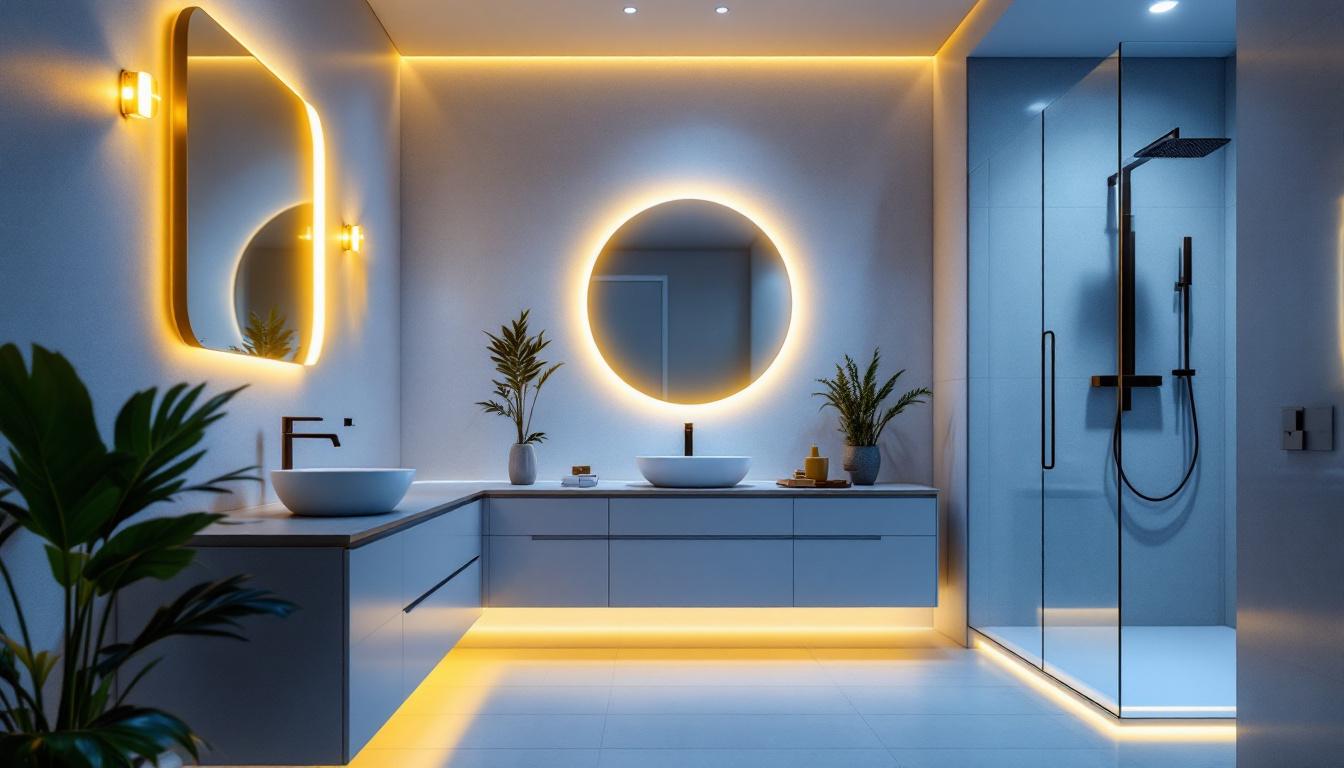
Additionally, the design possibilities with LED fixtures are virtually limitless. From sleek, modern recessed lighting to elegant pendant lights, LEDs can be integrated seamlessly into any bathroom aesthetic. They can be used to highlight architectural features, such as a beautiful vanity or a stunning tile backsplash, creating focal points that draw the eye and elevate the overall design. Furthermore, the compact size of LED fixtures allows for innovative installations, such as under-cabinet lighting or mirror-integrated lights, which can maximize space and enhance functionality without sacrificing style. As homeowners increasingly seek to create spa-like environments in their bathrooms, the versatility of LED lighting becomes an essential component in achieving that luxurious feel.
Key Benefits of LED Lighting in Bathroom Applications
Energy Efficiency and Cost Savings
Energy efficiency is often the first reason contractors and clients turn to LED lighting. Bathrooms, despite their relatively small size, require strategic lighting solutions that are both bright and consistent. LEDs deliver intense illumination without the high energy consumption of older technologies.
For contractors, this means recommending lighting solutions that reduce utility costs for homeowners or commercial clients. Over time, these savings can be substantial. Additionally, the longer lifespan of LEDs reduces maintenance costs and the frequency of replacements, a significant advantage in commercial or multi-unit residential buildings.
Durability and Moisture Resistance
Bathrooms are high-moisture environments, which can quickly degrade traditional lighting fixtures. LEDs, especially those designed with waterproof or moisture-resistant housings, stand up well to these conditions. Many LED bathroom fixtures come with IP ratings that ensure protection against water ingress, making them ideal for installation near showers, bathtubs, and sinks.
This durability reduces the risk of electrical failures and safety hazards, a critical consideration for contractors aiming to deliver safe and code-compliant installations. Choosing the right LED fixtures with appropriate moisture resistance can prevent costly repairs and improve client satisfaction.
Customizable Lighting for Different Bathroom Zones
Bathrooms serve multiple functions-grooming, relaxing, cleaning-and each requires different lighting approaches. LEDs offer a range of color temperatures from warm white to cool daylight, allowing contractors to tailor lighting to specific zones. For example, warmer tones create a relaxing ambiance near the bathtub, while cooler, brighter light is ideal for vanity areas where precision is essential.
Moreover, dimmable LED fixtures give users control over light intensity, enhancing functionality and mood. This versatility is a major selling point for clients who want both practicality and style in their bathroom lighting.
Design Considerations for LED Bathroom Lighting
Layered Lighting Approach
Successful bathroom lighting projects rely on layering different types of light sources. Ambient lighting provides overall illumination, task lighting focuses on specific activities like shaving or applying makeup, and accent lighting highlights architectural features or decorative elements.
LEDs excel in all three categories. Recessed LED downlights can deliver even ambient light without glare. LED strip lights under cabinets or around mirrors provide targeted task lighting. Accent LEDs can be integrated into niches or behind mirrors for subtle visual interest. This layered approach ensures the bathroom is both functional and inviting.
Color Rendering Index (CRI) and Color Temperature
When selecting LED fixtures, CRI and color temperature are crucial specifications. A CRI above 80 is generally recommended for bathrooms to ensure colors appear natural and skin tones look accurate-important for grooming tasks. Some high-quality LEDs offer CRIs of 90 or above, which can be a significant upgrade over cheaper alternatives.
Color temperature should be chosen based on the desired atmosphere. Around 2700K to 3000K provides a warm, cozy feel, while 4000K to 5000K offers a crisp, clean light that mimics daylight. Contractors should discuss these options with clients to align lighting choices with their lifestyle and preferences.
Fixture Placement and Safety Codes
Proper fixture placement is essential for both performance and safety. Bathrooms have specific electrical codes governing where lighting can be installed, especially near water sources. LEDs’ compact size and directional light make it easier to comply with these regulations while achieving optimal illumination.
For instance, recessed LED fixtures rated for wet locations can be safely installed inside shower enclosures, providing bright, focused light without risk. Vanity lighting should avoid shadows on the face, so fixtures placed on either side of the mirror or integrated into the mirror itself are ideal. Understanding and adhering to local codes is a must for contractors to ensure safe, professional installations.
Choosing the Right LED Products for Bathroom Projects
Integrated LED Fixtures vs. Retrofit Bulbs
Contractors often face the choice between installing integrated LED fixtures or using LED retrofit bulbs in existing fixtures. Integrated fixtures are designed specifically for LED technology, often offering better heat management, longer life, and more uniform light distribution. They also tend to have sleek, modern designs that appeal to clients.
Retrofit bulbs can be a cost-effective solution for upgrades or renovations, allowing reuse of existing fixtures. However, they may not always deliver optimal performance or longevity compared to integrated solutions. Evaluating the project scope, budget, and client expectations will guide the best choice.
Smart LED Lighting Controls
Smart lighting systems are becoming increasingly popular in bathroom projects. LED fixtures compatible with dimmers, motion sensors, and voice-activated controls add convenience and energy savings. For example, motion sensors can automatically turn lights on when someone enters the bathroom and off when it’s empty, reducing wasted energy.
Contractors should consider offering these options to clients looking for modern, tech-savvy solutions. Integration with home automation systems can also enhance the overall value and appeal of the lighting installation.
Reputable Brands and Warranty Considerations
Not all LED products are created equal. Choosing fixtures from reputable manufacturers ensures quality, consistent performance, and reliable warranties. Many leading brands offer warranties ranging from 3 to 10 years, which can be a strong selling point for clients concerned about durability and maintenance.
Contractors should also verify product certifications such as UL listing for wet locations and energy efficiency ratings like ENERGY STAR. These certifications provide assurance that the products meet industry standards and local building codes.
Installation Tips for Optimal LED Bathroom Lighting
Plan for Heat Dissipation
While LEDs generate less heat than incandescent bulbs, they still produce some heat that must be managed to maintain lifespan. Proper fixture selection and installation techniques that allow for adequate ventilation are essential. Avoid enclosing LED fixtures in tight spaces without airflow, which can cause premature failure.
Use Quality Drivers and Dimmers
LED lighting requires compatible drivers and dimmers to function correctly. Using low-quality or incompatible components can cause flickering, reduced lifespan, or poor dimming performance. Contractors should source components from trusted suppliers and test systems thoroughly before project completion.
Verify Lighting Levels and Uniformity
After installation, measuring light levels with a lux meter can ensure the bathroom meets recommended illumination standards. Uniform lighting reduces shadows and glare, improving usability and aesthetics. Adjustments to fixture placement or beam angles may be necessary to achieve the best results.
Common Challenges and How to Overcome Them
Addressing Cold and Damp Conditions
Bathrooms can be cold and damp, especially in climates with poor insulation or ventilation. Selecting LEDs rated for low temperatures and high humidity is critical. Additionally, ensuring proper ventilation in the bathroom helps maintain fixture longevity and prevents condensation buildup.
Dealing with Limited Space
Small bathrooms often restrict fixture size and placement. LEDs’ compact form factor allows for creative solutions such as slim recessed lights, LED strips, and mirror-integrated lighting. These options maximize usable space while delivering effective illumination.
Balancing Aesthetics and Functionality
Clients often want lighting that looks as good as it performs. LEDs come in various styles, from minimalist to decorative. Contractors should present options that align with the bathroom’s design theme while ensuring lighting quality is not compromised. Samples or mock-ups can help clients visualize the final effect.
Final Thoughts: Why LED Lighting is Essential for Bathroom Success
For lighting contractors, LED technology offers a powerful toolkit to solve the unique challenges of bathroom lighting. Its energy efficiency, durability, and design flexibility make it the preferred choice for new builds, renovations, and upgrades. By understanding the technical aspects, design principles, and installation best practices, contractors can deliver bathroom lighting projects that satisfy clients and stand the test of time.
Choosing LED lighting isn’t just a trend-it’s a strategic decision that benefits contractors and clients alike. From cost savings and safety to aesthetics and user experience, LEDs provide a comprehensive solution that elevates bathroom lighting to a new standard of excellence.
Illuminate Your Projects with LumenWholesale
Ready to elevate your bathroom lighting projects with the efficiency, durability, and design flexibility of LED technology? Look no further than LumenWholesale for all your lighting needs. Our spec-grade lighting products are crafted to meet the highest industry standards, ensuring you deliver successful outcomes with every installation. Take advantage of our unbeatable wholesale prices, free shipping on bulk orders, and the convenience of cutting out the middleman. Transform your lighting projects into stunning showcases of quality and value. Visit LumenWholesale today and discover the best in wholesale lighting at the best value.