Understanding F30T8 Cw Tubes: What Lighting Contractors Need to Know
When specifying or installing lighting systems, the F30T8 Cw fluorescent tube is a common choice for many contractors. This lamp type offers a balance of efficiency, color quality, and longevity that suits a variety of commercial and industrial applications. However, knowing the specifics of this lamp is crucial to ensure optimal performance and client satisfaction.
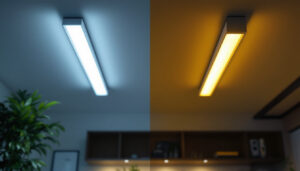
The designation “F30T8 Cw” breaks down into several key elements. “F” stands for fluorescent, “30” indicates the wattage, “T8” refers to the tube’s diameter (one inch), and “Cw” means cool white, which describes the color temperature typically around 4100 Kelvin. This color temperature is favored for environments requiring clear visibility without the harshness of daylight or the warmth of soft white lighting.
Lighting contractors should be aware that the F30T8 Cw is often used in offices, retail spaces, and warehouses where neutral, crisp lighting enhances productivity and visibility. Its compatibility with standard T8 fixtures makes it a versatile option, but it’s essential to verify fixture compatibility and ballast type before installation.
Moreover, the energy efficiency of the F30T8 Cw fluorescent tube is another significant advantage. With a lumen output that rivals many LED options, these tubes can provide substantial energy savings over time, especially in high-use environments. This efficiency not only reduces electricity costs but also contributes to a lower carbon footprint, aligning with the growing emphasis on sustainability in building practices. Additionally, the longevity of these tubes, often exceeding 20,000 hours, means less frequent replacements, which can be a considerable benefit for maintenance budgets.
It’s also important for contractors to consider the environmental impact of fluorescent tubes, including the proper disposal of spent lamps due to the presence of mercury. Many regions have specific regulations regarding the disposal of fluorescent lighting, and contractors should be familiar with local guidelines to ensure compliance. Furthermore, advancements in lighting technology are paving the way for more efficient alternatives, such as LED tubes, which can offer even greater energy savings and reduced environmental impact. As such, staying informed about the latest developments in lighting technology will empower contractors to make the best choices for their clients and projects.
Pre-Installation Checklist for F30T8 Cw Tubes
Verify Fixture Compatibility
Before purchasing or installing F30T8 Cw tubes, confirm that the fixtures are designed for T8 lamps and support the 30-watt rating. Using an incompatible fixture can reduce lamp life, cause flickering, or even pose safety hazards. Many older fixtures designed for T12 tubes or different wattages may require ballast replacement or rewiring. It’s also essential to check the physical dimensions of the fixture to ensure a snug fit for the T8 tubes, as improper fitting can lead to mechanical stress and potential damage during operation.
Check the ballast type as well. Electronic ballasts are preferred for T8 lamps due to their energy efficiency and flicker-free operation. Magnetic ballasts, while still in use, can cause reduced lamp life and less consistent light output. When selecting a ballast, consider the compatibility with dimming systems if your installation requires adjustable lighting levels. This can enhance the versatility of your lighting setup, allowing for tailored illumination based on the time of day or specific activities.
Assess Electrical and Environmental Conditions
Ensure the electrical supply matches the lamp and ballast requirements. Voltage fluctuations or improper wiring can damage the tube or cause premature failure. Additionally, evaluate the installation environment. F30T8 Cw tubes perform best in ambient temperatures between 50°F and 104°F (10°C to 40°C). Extreme temperatures can affect lumen output and lamp longevity. For instance, in colder environments, the initial brightness may be diminished, while excessive heat can lead to overheating and a significant reduction in lifespan.
Consider moisture and dust levels, especially in industrial or outdoor-adjacent spaces. While fluorescent tubes are generally not rated for wet locations, some fixtures offer protection. Selecting the right fixture and tube combination is critical for durability and safety. Furthermore, implementing regular maintenance schedules to clean fixtures and replace any faulty components can significantly extend the life of your lighting system, ensuring consistent performance and reducing the need for frequent replacements.
Confirm Color Temperature and CRI Needs
The cool white color temperature of F30T8 Cw tubes is ideal for spaces demanding clear, neutral lighting. However, some clients may require higher color rendering index (CRI) values for accurate color discrimination, such as in retail or healthcare settings. Standard F30T8 Cw tubes typically have a CRI around 62 to 68, which is sufficient for general lighting but may fall short for specialized applications. In environments where color accuracy is paramount, such as art studios or cosmetic counters, opting for tubes with a CRI of 80 or above can make a significant difference in how colors are perceived.
Discuss client needs thoroughly to determine if a higher CRI lamp or an alternative lighting solution is warranted. This proactive approach avoids costly replacements and ensures client satisfaction. Additionally, consider the effect of lighting on mood and productivity; warmer color temperatures can create a more inviting atmosphere, while cooler tones may enhance focus and alertness. Tailoring the lighting to the specific needs of each space not only improves functionality but also enhances the overall aesthetic appeal, making it a crucial aspect of the design process.
Installation Best Practices for Lighting Contractors
Handling and Safety Precautions
Fluorescent tubes are fragile and contain small amounts of mercury, so careful handling is essential. Always wear gloves to avoid oils from skin compromising the lamp’s surface, which can lead to hot spots and premature failure. Handle tubes gently and store them in protective packaging until installation. Additionally, it is advisable to keep fluorescent tubes upright during transport to prevent any potential breakage. When working in a team, ensure that all members are aware of the handling protocols to maintain a safe working environment.
Dispose of old or broken tubes following local hazardous waste regulations. Many jurisdictions require fluorescent lamps to be recycled or disposed of at designated facilities due to their mercury content. It’s important to educate clients about these disposal methods, as improper disposal can lead to environmental contamination. Consider providing a service that includes the safe collection and recycling of old tubes, which not only helps the environment but also enhances your reputation as a responsible contractor.
Correct Installation Steps
Start by turning off power to the fixture to prevent electrical shock. Remove the old tube carefully, noting the orientation of the pins. Insert the new F30T8 Cw tube by aligning the pins with the fixture sockets and rotating the tube until it locks into place. Restore power and verify the lamp lights without flickering. If you encounter any issues, double-check that the power is indeed off before troubleshooting, as safety should always be the top priority. It may also be beneficial to keep a multimeter handy to check for voltage at the fixture if the lamp does not illuminate as expected.
Test multiple lamps in the same fixture to ensure consistent operation. If flickering or dimming occurs, check ballast compatibility and wiring connections. Sometimes, ballast replacement is necessary to optimize performance. It’s also wise to familiarize yourself with the specifications of the lamps and ballasts you are using, as mismatched components can lead to inefficiencies and increased energy costs. Keeping a log of installation details, including the types of lamps and ballasts used, can help streamline future maintenance and troubleshooting efforts.
Optimizing Light Distribution
Position fixtures to maximize light coverage and minimize shadows or glare. The cool white output of F30T8 Cw tubes can appear harsh if overused or improperly diffused. Using diffusers or lenses can soften light and improve visual comfort while maintaining adequate illumination levels. Additionally, consider the color temperature of the lighting, as this can significantly impact the ambiance of the space. Warmer tones may be more suitable for residential areas, while cooler tones can enhance focus in workspaces.
Consider the height and spacing of fixtures relative to the space’s function. For example, in office environments, aim for uniform lighting levels around 30-50 foot-candles to reduce eye strain and enhance productivity. In contrast, areas such as retail spaces may benefit from brighter lighting to highlight products effectively. It’s also beneficial to incorporate adjustable fixtures or smart lighting systems that allow for flexibility in light levels, catering to different activities and times of day. Engaging with clients about their specific needs can lead to tailored solutions that improve both functionality and aesthetics in their spaces.
Maintenance and Troubleshooting Tips
Routine Inspection and Cleaning
Regular maintenance extends the life of F30T8 Cw tubes and maintains lighting quality. Inspect tubes for signs of blackening at the ends, flickering, or dimming, which indicate aging or ballast issues. Clean tubes and fixtures periodically to remove dust and debris that reduce light output.
Use a soft, dry cloth or a cloth slightly dampened with a mild detergent solution. Avoid abrasive materials or harsh chemicals that can damage the lamp surface.
Common Issues and Solutions
Flickering lights often stem from ballast problems or loose connections. Tighten sockets and wiring, and replace ballasts if necessary. If lamps fail to start, check for correct lamp orientation and ensure the ballast is compatible with F30T8 tubes.
Premature lamp failure can result from frequent on/off cycling, voltage irregularities, or exposure to extreme temperatures. Educate clients on minimizing unnecessary switching and consider installing motion sensors or timers to optimize lamp life.
Upgrading Options and Energy Efficiency
While F30T8 Cw tubes remain a reliable choice, many contractors are transitioning to LED tube replacements for improved energy efficiency and longer service life. LED tubes can fit into existing T8 fixtures with compatible ballasts or through ballast bypass modifications.
Discuss the pros and cons of retrofitting with clients, including upfront costs, energy savings, and maintenance considerations. LEDs offer instant-on capabilities, reduced mercury hazards, and better dimming options, making them an increasingly popular alternative.
Documentation and Client Communication
Providing Clear Specifications
Accurate documentation helps avoid confusion and ensures the client understands the lighting solution. Include lamp type, wattage, color temperature, CRI, expected lifespan, and maintenance requirements in project proposals and reports.
Highlight the benefits of F30T8 Cw tubes, such as balanced color temperature and compatibility with existing fixtures, while also noting any limitations or alternatives.
Educating Clients on Usage and Care
Clients often underestimate the importance of proper lamp usage and maintenance. Provide straightforward guidelines on avoiding frequent switching, cleaning fixtures, and recognizing signs of lamp degradation. This knowledge helps clients protect their investment and maintain optimal lighting conditions.
Offer follow-up services or maintenance contracts to support long-term satisfaction and build strong client relationships.
Staying Updated with Industry Standards
Lighting technology and regulations evolve continuously. Stay informed about changes in energy codes, environmental regulations, and new product developments related to F30T8 Cw tubes and their alternatives. This expertise positions contractors as trusted advisors and enhances project outcomes.
Participate in professional training and industry events to keep skills sharp and knowledge current.
Illuminate Your Projects with LumenWholesale
Ready to elevate your lighting game? Look no further than LumenWholesale for all your F30T8 Cw tube needs and more. We provide contractors with exceptional, spec-grade lighting products at prices that can’t be beaten. By eliminating the middleman, we ensure you get the most value out of every purchase. Our extensive inventory not only meets but exceeds industry standards, guaranteeing you reliable and efficient lighting solutions for any project. Plus, with the convenience of free shipping on bulk orders, you can stock up on premium lighting without the worry of extra costs or delays. Make the smart choice for your business and experience the ideal combination of quality, affordability, and convenience. Discover Wholesale Lighting at the Best Value with LumenWholesale today.