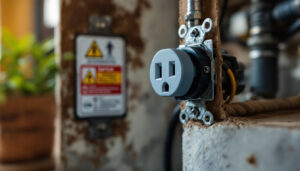
Introduction to Toggle Switches in Lighting Installations
Toggle switches remain one of the most popular and reliable methods for controlling lighting circuits in residential, commercial, and industrial settings. For lighting contractors, understanding the nuances of toggle switches is essential to delivering efficient, safe, and aesthetically pleasing lighting solutions.
Despite the rise of smart lighting controls and touch-sensitive panels, toggle switches continue to offer unmatched simplicity and durability. Their tactile feedback and ease of installation make them a staple in many projects, from new builds to retrofits.
One of the key advantages of toggle switches is their versatility. Available in various styles, colors, and finishes, they can seamlessly blend into any interior design scheme. Whether you are aiming for a minimalist look with sleek, modern switches or a more traditional aesthetic with ornate designs, there is a toggle switch to match your vision. Additionally, many manufacturers offer customizable options, allowing contractors to select specific features such as illuminated switches or weather-resistant models for outdoor applications.
Furthermore, toggle switches are not only user-friendly but also provide a reliable solution for energy efficiency. By allowing users to easily turn lights on and off, they help to minimize energy waste, especially in spaces where lighting may be left on unnecessarily. Many toggle switches also come equipped with dimming capabilities, enabling users to adjust the brightness according to their needs, which can further enhance energy savings while creating the desired ambiance in a room. This combination of functionality and efficiency makes toggle switches a preferred choice for both contractors and homeowners alike.
The Fundamentals of Toggle Switches
What is a Toggle Switch?
A toggle switch is a manually operated electrical switch that controls the flow of electricity to a light fixture or group of fixtures. The switch operates by moving a lever or handle, typically up or down, to open or close the electrical circuit. This simple yet effective design has made toggle switches a staple in both residential and commercial settings, providing users with an intuitive way to manage their lighting systems.
Toggle switches are usually single-pole, single-throw (SPST) devices, meaning they control one circuit and have two positions: on and off. However, more complex toggle switches such as double-pole or three-way switches are also widely used in lighting applications. The versatility of toggle switches allows them to be integrated into a variety of electrical systems, making them a popular choice for everything from basic home lighting to sophisticated commercial installations.
Common Types of Toggle Switches for Lighting
Lighting contractors should be familiar with several types of toggle switches to meet diverse project requirements:
- Single-Pole Toggle Switches: Controls one light or set of lights from a single location.
- Three-Way Toggle Switches: Allows control of a light from two different locations, ideal for hallways and staircases.
- Four-Way Toggle Switches: Used in conjunction with two three-way switches to control lighting from three or more locations.
- Illuminated Toggle Switches: Feature a built-in light to indicate the switch’s status, useful in dark areas.
In addition to these common types, there are also specialized toggle switches designed for specific applications. For instance, weatherproof toggle switches are essential for outdoor lighting installations, ensuring durability and safety against the elements. Furthermore, some toggle switches come equipped with features such as dimming capabilities, allowing users to adjust the brightness of their lights according to their preferences or needs. This added functionality not only enhances the ambiance of a space but also contributes to energy efficiency by reducing power consumption when full brightness is unnecessary.
Moreover, the aesthetic aspect of toggle switches cannot be overlooked. Available in various styles, colors, and finishes, toggle switches can complement the overall design of a room. From sleek modern designs to vintage-inspired options, the right toggle switch can serve as a subtle yet impactful element of interior decor. Additionally, with the rise of smart home technology, many toggle switches now integrate seamlessly with smart systems, allowing for remote control and automation, further expanding their functionality and appeal in contemporary settings.
Key Considerations for Lighting Contractors When Selecting Toggle Switches
Electrical Ratings and Compliance
One of the most critical factors when selecting toggle switches is ensuring they meet the electrical load requirements of the lighting system. Switches must be rated for the voltage and current they will handle. For typical residential lighting circuits, switches rated for 120V and 15-20 amps are common, but commercial or industrial applications may require higher ratings. It is also essential to consider the inrush current, which can be significantly higher than the normal operating current, especially for certain types of lighting such as fluorescent or LED fixtures. This means that a switch must not only handle the steady-state current but also accommodate these temporary surges without failure.
Compliance with local electrical codes and standards such as UL (Underwriters Laboratories) listing or equivalent certifications is mandatory. Using certified switches reduces liability and ensures safety. Furthermore, understanding the specific requirements of the installation environment can guide contractors in selecting the right type of switch. For instance, in areas prone to moisture or dust, switches with higher ingress protection (IP) ratings are advisable to prevent operational failures.
Durability and Build Quality
Lighting contractors should prioritize switches made from high-quality materials that can withstand frequent use and environmental factors. For example, switches installed in outdoor or damp locations must have appropriate weatherproof or moisture-resistant ratings. The choice of materials can significantly impact longevity; for instance, corrosion-resistant finishes are crucial in coastal areas where salt air can degrade metal components over time.
Metal toggle levers tend to be more durable than plastic ones, though they may cost more. Additionally, switches with sealed mechanisms prevent dust and debris ingress, extending service life. Contractors should also consider the lifecycle of the switch, including its warranty and the manufacturer’s reputation for reliability. A switch that can endure years of operation without failure can save time and money in the long run, reducing the need for replacements and maintenance.
Aesthetic and Functional Design
While functionality is paramount, the visual aspect of toggle switches should not be overlooked. Switches come in various finishes such as brass, chrome, matte black, and white, allowing contractors to match them with interior design themes. The choice of finish can also influence the perceived quality of the installation, as high-end materials can elevate the overall aesthetic of the space. Additionally, toggle switches with customizable faceplates can offer a unique touch, allowing for branding opportunities in commercial settings.
Ergonomics also matter; a switch that is easy to toggle and provides clear tactile feedback enhances user experience. Illuminated toggles or those with larger levers can be advantageous in commercial or public spaces. In environments where lighting control is essential for safety, such as stairwells or hallways, switches that are easy to locate and operate can significantly improve accessibility. Furthermore, incorporating smart technology into toggle switches, such as Wi-Fi or Bluetooth connectivity, can offer added convenience and control, aligning with modern trends in home automation and energy efficiency.
Installation Best Practices for Toggle Switches
Wiring Techniques and Safety
Proper wiring is essential to ensure the safe and reliable operation of toggle switches. Contractors should always turn off power at the breaker before working on circuits and use a voltage tester to verify de-energization.
Standard wiring for single-pole switches involves connecting the hot (live) wire to the switch terminals and ensuring the neutral wires bypass the switch. For three-way and four-way switches, wiring becomes more complex, requiring travelers and careful identification of terminals.
Using color-coded wires and labeling during installation helps prevent errors and simplifies future maintenance.
Mounting and Positioning
Switches should be mounted at a height and location that complies with accessibility standards, typically around 48 inches from the floor in residential settings. In commercial environments, adherence to ADA (Americans with Disabilities Act) or local accessibility codes is crucial.
Ensuring the switch plate is flush with the wall and securely fastened prevents accidental damage and creates a professional finish.
Testing and Troubleshooting
After installation, thorough testing is necessary. Contractors should verify that the toggle switch correctly turns the light on and off without flickering or delay. Testing under load conditions ensures the switch can handle the connected fixtures.
If issues arise, common troubleshooting steps include checking for loose connections, verifying correct wiring, and inspecting the switch mechanism for mechanical faults.
Advanced Toggle Switch Applications in Modern Lighting Systems
Integration with Smart Home Systems
While toggle switches are inherently manual devices, many contractors are now integrating them with smart home systems. This can be achieved by installing smart toggle switches that maintain the traditional lever design but include wireless connectivity such as Wi-Fi or Zigbee.
These smart toggles allow users to control lighting remotely via smartphones or voice assistants while preserving the familiar tactile interface. For contractors, this means offering clients modern convenience without sacrificing simplicity.
Energy Efficiency and Load Management
Toggle switches can play a role in energy-saving strategies. Installing switches with built-in timers or occupancy sensors helps reduce unnecessary lighting use. Additionally, contractors can specify switches compatible with dimmers or multi-level lighting controls to optimize energy consumption.
For large commercial projects, integrating toggle switches with centralized lighting control panels enables sophisticated load management and reduces operational costs.
Common Challenges and Solutions in Toggle Switch Installations
Dealing with Old or Non-Standard Wiring
Many renovation projects involve replacing old toggle switches where wiring may not conform to modern standards. Contractors often encounter reversed polarity, missing ground wires, or mixed voltage circuits.
Careful inspection and testing are essential before installation. In some cases, rewiring may be necessary to ensure safety and code compliance. Using switches with flexible terminal options can simplify connections in challenging scenarios.
Minimizing Switch Noise and Wear
Over time, toggle switches can develop mechanical noise or wear that affects performance. Selecting switches with high cycle ratings and robust internal contacts reduces these issues.
Lubrication of the toggle mechanism is generally not recommended, as it can attract dust and debris. Instead, choosing high-quality switches from reputable manufacturers ensures longevity.
Conclusion: Mastering Toggle Switch Installations for Lighting Contractors
Toggle switches remain a cornerstone in lighting control due to their reliability, simplicity, and versatility. For lighting contractors, mastering the selection, installation, and troubleshooting of toggle switches is fundamental to delivering high-quality lighting solutions.
By understanding the electrical specifications, installation best practices, and emerging trends such as smart integration, contractors can meet the evolving demands of clients while maintaining safety and efficiency. Investing in quality toggle switches and adhering to professional standards ensures that lighting systems perform flawlessly for years to come.
Get Your Premium Toggle Switches at LumenWholesale
Ready to elevate your lighting installations with the best toggle switches on the market? Look no further than LumenWholesale. Our extensive selection of spec-grade lighting products is designed to meet the highest industry standards, ensuring you deliver top-notch solutions to your clients. With unbeatable wholesale prices and the convenience of bulk buying without hidden fees, LumenWholesale is your go-to source for quality and affordability. Say goodbye to inflated markups and hello to hassle-free shopping with free shipping. Take the next step in mastering your lighting projects by visiting Wholesale Lighting at the Best Value and experience the LumenWholesale difference today.