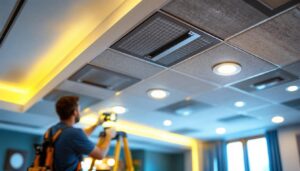
Why Angled Recessed Ceiling Lights Are a Game-Changer
Angled recessed ceiling lights offer a unique blend of functionality and aesthetics that standard recessed lights often lack. Unlike traditional downlights that shine straight down, angled fixtures allow lighting contractors to direct light precisely where it’s needed. This capability transforms spaces, highlighting architectural features, artwork, or work areas with pinpoint accuracy.
For lighting contractors, mastering angled recessed lights means unlocking new design possibilities. These fixtures can dramatically improve the ambiance of a room by creating layers of light and reducing harsh shadows. They also help in achieving uniform illumination across uneven surfaces or sloped ceilings, which are increasingly popular in modern architecture.
Additionally, the versatility of angled recessed lights extends beyond mere aesthetics. They can be strategically placed to enhance functionality in various settings, from residential homes to commercial spaces. For example, in a kitchen, angled lights can illuminate countertops and workspaces, making food preparation safer and more enjoyable. In a gallery or showroom, these lights can be adjusted to cast a warm glow on specific pieces, drawing the eye and creating a captivating focal point. This adaptability allows for a tailored lighting solution that meets the specific needs of any environment.
Moreover, with advancements in LED technology, angled recessed ceiling lights are now more energy-efficient than ever. They not only provide superior lighting quality but also consume less power, making them an eco-friendly choice for sustainable design. Many models now come with dimming capabilities, allowing users to adjust the brightness according to the time of day or mood, further enhancing their versatility. This combination of energy efficiency and customizable lighting makes angled recessed lights an ideal choice for those looking to modernize their spaces while being mindful of their environmental impact.
Understanding the Technical Foundations
How Angled Recessed Lights Differ from Standard Fixtures
At the core, angled recessed lights are designed with adjustable trims or gimbals that allow the light source to pivot within the housing. This adjustability is what sets them apart. Standard recessed lights are fixed, shining light directly downward, which can limit their application in spaces requiring directional lighting. Angled recessed lights, on the other hand, can be directed to highlight specific architectural features, artwork, or even create a warm ambiance in living spaces. This versatility makes them particularly popular in modern interior design, where aesthetics and functionality go hand in hand.
From an installation perspective, angled fixtures require careful planning. The housing must accommodate the tilt mechanism without compromising ceiling integrity or insulation. Many manufacturers offer IC-rated housings specifically designed for angled trims, ensuring safety and code compliance. Additionally, the choice of trim finish can significantly affect the overall look of the fixture. Options range from sleek, minimalist designs to more decorative styles that can complement various decor themes. This attention to detail not only enhances the visual appeal but also contributes to the overall lighting effectiveness in a room.
Beam Angles and Light Distribution
Beam angle is critical when selecting angled recessed lights. Narrow beams (15-30 degrees) create focused spots ideal for accent lighting, while wider beams (up to 60 degrees) provide broader illumination for general lighting purposes. Lighting contractors should consider the room’s function and ceiling height when choosing beam angles. For instance, in a high-ceilinged space, a narrower beam may be necessary to ensure the light reaches the desired area effectively, while lower ceilings might benefit from wider beams that can fill the space more evenly.
Understanding light distribution patterns helps avoid common pitfalls like uneven lighting or glare. For instance, directing angled lights toward reflective surfaces can cause unwanted reflections, so positioning and aiming are key skills to develop. Moreover, the color temperature of the bulbs used in these fixtures can influence the perceived brightness and mood of a room. Warmer tones (2700K-3000K) create a cozy atmosphere, perfect for living rooms and bedrooms, while cooler tones (4000K-5000K) are often preferred in workspaces and kitchens for their clarity and focus. Balancing these elements can lead to a well-lit environment that enhances both functionality and comfort.
Installation Best Practices for Angled Recessed Lights
Pre-Installation Planning
Successful installation starts with a thorough site assessment. Contractors should evaluate ceiling type, insulation, and existing electrical infrastructure. Angled recessed lights often require more precise measurements to ensure the tilt range is unobstructed and the light reaches the intended target.
Marking the exact location on the ceiling before cutting is essential. Using laser levels or templates can improve accuracy, especially when multiple fixtures need to be aligned or spaced evenly. Additionally, considering the room’s layout and purpose can influence placement. For instance, in a living room, you might want to focus on seating areas, while in a kitchen, task lighting over counters is crucial. Taking the time to visualize how the light will interact with the space can lead to a more effective lighting design.
Wiring and Housing Considerations
Because angled fixtures may require different housings, contractors must verify compatibility with the chosen trims. IC-rated housings are necessary when fixtures come into contact with insulation, preventing overheating and fire hazards.
Wiring should follow local electrical codes, with special attention to junction boxes and accessibility for future maintenance. Some angled recessed lights come with quick-connect wiring systems, which can speed up installation but still demand careful handling. It’s also important to consider the type of dimmer switches that will be used; not all dimmers are compatible with LED lights, and using the wrong type can lead to flickering or reduced lifespan of the bulbs. Ensuring that the entire system is designed to work harmoniously can save time and costs in the long run.
Adjusting and Aiming the Lights
Once installed, the real skill lies in adjusting the fixtures. Lighting contractors often use light meters or visual assessments to fine-tune angles. The goal is to eliminate dark spots and highlight key areas without creating glare or hotspots.
It’s advisable to make adjustments with the room’s typical furnishings and usage in mind. For example, in a gallery setting, lights should be angled to enhance artwork without causing reflections on glass frames. Similarly, in a home theater, the positioning of angled recessed lights should avoid direct eye contact to minimize distractions during viewing. Furthermore, considering the color temperature of the bulbs can also affect the ambiance; warmer tones can create a cozy atmosphere, while cooler tones may be more suitable for workspaces. Balancing these elements can elevate the overall aesthetic and functionality of the space.
Design Strategies Using Angled Recessed Ceiling Lights
Creating Depth and Dimension
Angled recessed lights excel at adding depth to flat surfaces. By casting shadows and highlights strategically, they can make a room feel larger and more dynamic. Contractors can collaborate with interior designers to create layered lighting schemes that incorporate ambient, task, and accent lighting.
For instance, angling lights toward textured walls or architectural niches accentuates these features, turning ordinary walls into focal points. This technique is especially effective in commercial spaces like hotels and restaurants, where ambiance drives customer experience.
Enhancing Task Lighting
In kitchens, offices, or workshops, angled recessed lights can be directed to work surfaces, reducing eye strain and improving productivity. Unlike pendant lights, they don’t obstruct sightlines or workspace, making them a practical choice for modern, clutter-free designs.
Contractors should coordinate with clients to identify key task areas and ensure that the lighting layout supports these zones efficiently. Adjustable angled fixtures provide flexibility for future changes in room layout or function.
Energy Efficiency and Smart Controls
LED technology has revolutionized recessed lighting, including angled fixtures. LEDs consume less power, generate less heat, and offer longer lifespans compared to traditional bulbs. Lighting contractors should prioritize LED-compatible angled trims to maximize energy savings and reduce maintenance costs.
Integrating smart controls like dimmers, occupancy sensors, and programmable scenes enhances the functionality of angled recessed lights. These systems allow users to adjust lighting intensity and direction based on time of day or activity, creating personalized environments while conserving energy.
Common Challenges and How to Overcome Them
Dealing with Ceiling Constraints
Not all ceilings are ideal for angled recessed lighting. Low ceilings or those with limited plenum space can restrict fixture size and tilt range. Contractors must assess these constraints early to avoid costly modifications or suboptimal lighting outcomes.
In tight spaces, shallow housings and low-profile trims designed for angled applications can be lifesavers. Sometimes, combining angled recessed lights with surface-mounted or track lighting provides the best solution.
Preventing Glare and Uneven Lighting
Glare is a common complaint with directional lighting. Angled recessed lights, if not aimed correctly, can cause discomfort or visual distractions. Using baffles, shields, or frosted lenses can help diffuse light and minimize glare.
Uneven lighting often results from poor spacing or incorrect beam angle selection. Contractors should use lighting design software or consult photometric data to plan layouts that ensure consistent illumination.
Maintaining Accessibility for Maintenance
Adjustable angled fixtures require occasional readjustment and bulb replacement. Ensuring easy access without damaging the ceiling is crucial. Contractors should consider installing removable trims or access panels where possible.
Documenting fixture locations and angles during installation aids future service visits, saving time and reducing the risk of errors.
Final Tips for Lighting Contractors
Mastering angled recessed ceiling lights is both an art and a science. It demands technical knowledge, design sensibility, and practical experience. Staying updated on the latest products and installation techniques is vital, as manufacturers continuously innovate to meet evolving architectural trends.
Building strong relationships with clients and interior designers helps contractors understand lighting goals and deliver tailored solutions. Offering demonstrations or mock-ups can clarify how angled recessed lights will transform a space, boosting client confidence.
Ultimately, the secret to success lies in meticulous planning, precise execution, and thoughtful adjustments. When done right, angled recessed ceiling lights elevate any project from ordinary to extraordinary.
Illuminate Your Projects with LumenWholesale
Ready to take your lighting projects to the next level with angled recessed ceiling lights? At LumenWholesale, we provide lighting contractors like you with the highest quality, spec-grade lighting products at prices that can’t be beaten. Say goodbye to local distributor markups and hello to a vast selection of reliable lighting solutions that meet your exacting standards. Plus, with the convenience of free shipping on bulk orders, you can get all the premium lighting you need at the best value — no hidden fees, no compromises. Elevate your lighting game and experience the seamless blend of quality, affordability, and convenience at LumenWholesale.