Why Metal Halide Fixtures Are Being Replaced
Metal halide fixtures have long been a staple in commercial, industrial, and outdoor lighting applications. Their bright, intense light output made them the go-to choice for warehouses, stadiums, parking lots, and street lighting. However, these fixtures come with significant drawbacks that have prompted a widespread shift toward LED technology.
Metal halide lamps consume a lot of energy and generate excessive heat, which can increase cooling costs in indoor environments. They also have a relatively short lifespan—typically around 10,000 to 20,000 hours—meaning frequent replacements and maintenance interruptions. Additionally, metal halide bulbs require a warm-up period to reach full brightness and can flicker or dim as they age.
For lighting contractors, these factors translate into higher operational costs and more time spent on maintenance. Clients increasingly demand lighting solutions that reduce energy consumption, lower maintenance needs, and offer better performance. This is where LED replacement bulbs for metal halide fixtures come into play.
LED technology offers numerous advantages that make it a compelling alternative. For starters, LED bulbs can last anywhere from 25,000 to 50,000 hours or more, significantly reducing the frequency of replacements and the associated labor costs. They also operate at a fraction of the energy consumption of metal halide lamps, leading to substantial savings on electricity bills. Furthermore, LEDs emit very little heat compared to their metal halide counterparts, which can help maintain a more comfortable environment in indoor spaces and reduce the burden on HVAC systems.
Another critical factor in the transition from metal halide to LED is the quality of light produced. LEDs provide a more uniform and consistent light distribution, which enhances visibility and safety in outdoor settings like parking lots and roadways. Additionally, many LED fixtures come with advanced features such as dimming capabilities and smart controls, allowing for greater flexibility in lighting design and energy management. As municipalities and businesses continue to prioritize sustainability and efficiency, the shift toward LED technology is not just a trend but a necessary evolution in the lighting industry.
Understanding LED Replacement Bulbs for Metal Halide Fixtures
What Are LED Replacement Bulbs?
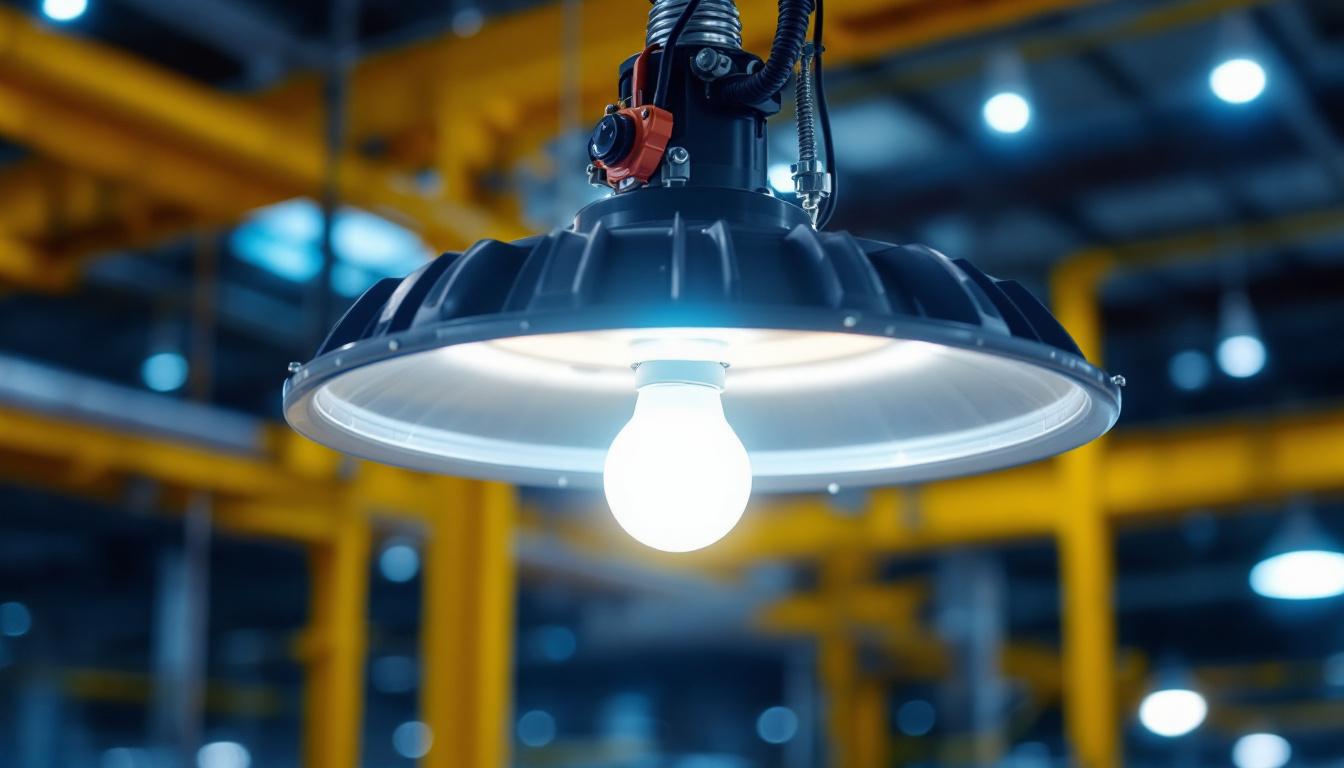
LED replacement bulbs are designed to fit directly into existing metal halide fixtures, allowing for a straightforward retrofit without replacing the entire luminaire. They mimic the form factor and socket type of metal halide lamps but use LED technology to deliver light more efficiently.
These bulbs often come with built-in drivers that bypass or remove the need for the metal halide ballast, which can be a source of energy loss and failure. By eliminating the ballast, the LED replacement bulb reduces complexity and increases reliability.
Key Features to Look For
Not all LED replacement bulbs are created equal. Lighting contractors should evaluate several critical factors before selecting a product:
- Compatibility: Ensure the bulb fits the existing fixture’s socket type and physical dimensions.
- Wattage and Lumen Output: Choose a bulb that provides equivalent or better brightness at a lower wattage.
- Color Temperature: Metal halide lamps typically emit a cool white light (around 4000K to 6000K). Matching or selecting a preferred color temperature is important for visual consistency.
- CRI (Color Rendering Index): Higher CRI values (above 80) improve color accuracy and visual comfort.
- Durability and IP Rating: For outdoor or harsh environments, bulbs should have appropriate ingress protection ratings to withstand moisture and dust.
- Certifications: Look for UL, DLC, or Energy Star certifications to ensure quality and energy efficiency.
Benefits of LED Replacement Bulbs Over Metal Halide
Energy Efficiency and Cost Savings
LED replacement bulbs use significantly less power than metal halide lamps-often 40% to 60% less-while delivering the same or higher light output. This reduction in energy consumption translates into immediate cost savings on utility bills.
For large-scale projects, such as warehouses or municipal lighting, these savings can be substantial over the lifetime of the installation. Additionally, many utility companies offer rebates or incentives for upgrading to LED technology, further reducing upfront costs.
Longer Lifespan and Reduced Maintenance
LED bulbs typically last between 50,000 and 100,000 hours, which is two to five times longer than metal halide lamps. This extended lifespan means fewer replacements and less downtime for maintenance crews.
Metal halide lamps also degrade in light output over time, requiring more frequent replacements to maintain adequate illumination levels. LEDs maintain consistent brightness throughout their lifespan, ensuring stable lighting quality.
Instant On and Superior Light Quality
Unlike metal halide lamps that require several minutes to warm up and reach full brightness, LED replacement bulbs provide instant illumination. This feature is especially valuable in applications where immediate lighting is critical, such as security lighting or emergency situations.
LEDs also offer better color rendering and a wider range of color temperatures, allowing lighting contractors to tailor the ambiance and functionality of the space more precisely.
Challenges and Considerations When Retrofitting Metal Halide Fixtures
Ballast Compatibility and Bypass
One of the biggest challenges when retrofitting metal halide fixtures is dealing with the existing ballast. Some LED replacement bulbs are designed to work with the ballast still in place (ballast-compatible), while others require the ballast to be bypassed or removed (ballast-bypass).
Ballast-compatible bulbs simplify installation but may not achieve the full energy savings potential since the ballast still consumes power. Ballast-bypass solutions maximize efficiency but involve additional labor and electrical work to remove or disable the ballast safely.
Thermal Management
LEDs generate heat differently than metal halide lamps. Proper heat dissipation is critical to maintaining LED performance and longevity. When retrofitting, ensure the fixture’s design allows adequate airflow or consider upgrading to fixtures designed for LED cooling.
Light Distribution and Beam Angle
Metal halide lamps often use reflectors to shape the light beam. LED replacement bulbs have fixed beam angles that may differ from the original lamp’s distribution pattern. This can affect illumination uniformity and intensity.
Lighting contractors should verify that the LED bulb’s beam angle aligns with the application’s lighting requirements to avoid dark spots or glare.
How to Future-Proof Lighting Projects with LED Replacement Bulbs
Plan for Scalability and Flexibility
Choosing LED replacement bulbs that are compatible with a wide range of fixtures and control systems ensures adaptability as client needs evolve. Look for bulbs that support dimming and smart controls to integrate with building automation systems.
Future-proofing also means selecting products from reputable manufacturers with strong warranties and ongoing support. This reduces the risk of obsolescence and ensures access to replacement parts and technical assistance.
Consider Environmental and Regulatory Trends
Energy codes and environmental regulations are becoming more stringent globally. LED retrofits help clients comply with these standards and avoid costly penalties or forced upgrades down the line.
Additionally, LEDs contain no hazardous materials like mercury, which is present in metal halide lamps. This makes disposal easier and more environmentally friendly, aligning with sustainability goals.
Incorporate Smart Lighting Controls
Integrating LED replacement bulbs with smart lighting controls-such as occupancy sensors, daylight harvesting, and networked management systems-can maximize energy savings and operational efficiency.
Smart controls enable real-time monitoring and adjustment of lighting levels, reducing waste and extending bulb life. They also provide valuable data for facility managers to optimize lighting strategies.
Case Studies: Successful LED Retrofits with Replacement Bulbs
Warehouse Lighting Upgrade
A large distribution center replaced thousands of 400W metal halide lamps with LED replacement bulbs rated at 200W. The retrofit reduced energy consumption by over 50%, improved light uniformity, and eliminated warm-up delays. Maintenance costs dropped significantly due to the longer lifespan of LEDs, and the client qualified for utility rebates that accelerated the project’s return on investment.
Municipal Street Lighting
A city retrofitted its streetlights by swapping metal halide bulbs for LED replacements without changing existing poles or fixtures. This approach minimized installation disruption and upfront costs. The LEDs offered better color rendering and instant-on capability, enhancing public safety. Energy savings exceeded 60%, and the city benefited from reduced carbon emissions and maintenance expenses.
Sports Facility Lighting
A sports complex upgraded its metal halide field lighting with LED replacement bulbs to improve visibility and reduce glare. The LEDs provided consistent light output with a color temperature tailored to television broadcast standards. Instant-on performance allowed for flexible scheduling, and the facility reported lower energy bills and maintenance downtime.
Best Practices for Lighting Contractors When Installing LED Replacement Bulbs
Conduct a Thorough Site Assessment
Before recommending LED replacement bulbs, evaluate the existing fixtures, electrical infrastructure, and lighting requirements. Identify any compatibility issues and determine whether ballast bypass is necessary.
Understanding the client’s operational needs and budget constraints will help tailor the solution for maximum benefit.
Follow Safety and Electrical Codes
Ballast removal or bypass involves working with live electrical components. Ensure all work complies with local electrical codes and safety standards. Use qualified electricians and provide proper training to installation teams.
Test and Document Performance
After installation, verify that lighting levels meet design specifications and that all bulbs function correctly. Document energy savings and maintenance improvements to demonstrate value to clients and support future projects.
Conclusion
LED replacement bulbs for metal halide fixtures offer a practical and cost-effective way to modernize lighting systems without the expense of full fixture replacement. By understanding the technical considerations and selecting high-quality products, lighting contractors can deliver solutions that reduce energy costs, improve lighting quality, and future-proof their clients’ investments.
As energy efficiency standards tighten and clients demand smarter, more sustainable lighting, LED retrofits will continue to be a critical strategy. Contractors who master the nuances of LED replacement bulbs will position themselves as trusted experts capable of delivering long-term value in every project.
Illuminate Your Projects with LumenWholesale
Ready to elevate your lighting projects with the most efficient LED replacement bulbs on the market? At LumenWholesale, we provide lighting contractors with the highest quality, spec-grade lighting solutions at prices that can’t be beaten. Say goodbye to the middleman and hello to exceptional value, as we offer a vast selection of industry-standard lighting that ensures reliability and peak performance for any project. Plus, with the convenience of free shipping on bulk orders, you’re guaranteed to get the best value without any hidden costs. Make the smart choice for your lighting needs and experience Wholesale Lighting at the Best Value today.