Understanding the Practical Uses of Handheld UV Lights
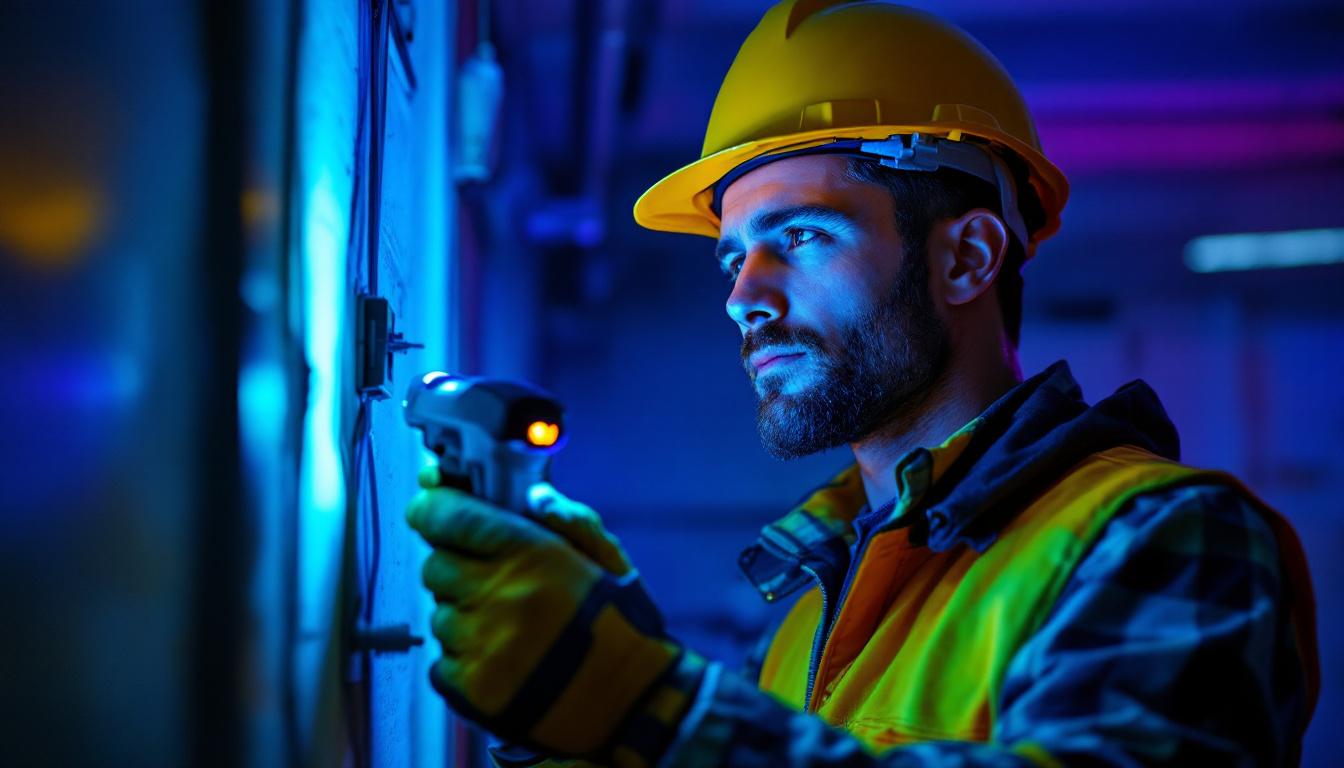
Handheld UV lights have become indispensable tools for lighting contractors, especially when working on projects that require precise inspection or specialized lighting effects. These devices emit ultraviolet radiation, which can reveal details invisible to the naked eye, from detecting leaks and cracks to verifying the authenticity of materials and enhancing aesthetic lighting designs.
However, the effectiveness of a handheld UV light depends heavily on understanding its capabilities and limitations. Not all UV lights are created equal, and choosing the wrong type can lead to subpar results or even safety hazards. For example, UV-A lights are commonly used for curing adhesives and coatings, while UV-C lights are primarily for sterilization purposes. Knowing which wavelength suits your specific application is critical.
Applications in Lighting Projects
In practical terms, handheld UV lights assist in quality control during installations, such as checking the integrity of sealants or identifying water damage behind surfaces. They also play a role in theatrical and architectural lighting, where UV-reactive paints and materials create striking visual effects. Lighting contractors who master these applications can offer clients enhanced value and precision.
Moreover, the versatility of handheld UV lights extends beyond mere inspection and aesthetics. In the realm of art restoration, for instance, these tools are invaluable for conservators who need to assess the condition of paintings and artifacts without causing damage. UV light can highlight previous restoration efforts, allowing experts to make informed decisions about further conservation work. Additionally, in the field of forensic science, handheld UV lights are used to uncover evidence that would otherwise remain hidden, such as bodily fluids or certain types of fibers, making them essential tools for law enforcement agencies.
Furthermore, the rise of UV technology has led to innovations in various industries, including healthcare and food safety. Handheld UV lights are increasingly being utilized in hospitals and clinics for surface disinfection, helping to reduce the risk of hospital-acquired infections. Similarly, in the food industry, these devices can be employed to ensure that surfaces and equipment are free from harmful pathogens, thus enhancing food safety protocols. As awareness of the benefits of UV technology grows, so too does the potential for handheld UV lights to revolutionize practices across multiple sectors.
Common Pitfalls When Using Handheld UV Lights
Despite their usefulness, handheld UV lights come with pitfalls that can compromise work quality or safety if overlooked. One frequent mistake is underestimating the importance of protective gear. UV radiation can cause skin burns and eye damage, so contractors must always use appropriate gloves and UV-blocking glasses. It’s not just about personal safety; ensuring that all team members are equipped with the right protective gear fosters a culture of safety on the job site. Regular training sessions on the proper use of UV lights and the associated risks can further enhance awareness and compliance among workers.
Another common issue is improper calibration and maintenance. UV lamps degrade over time, losing intensity and effectiveness. Relying on an aging UV light without regular checks can lead to missed defects or false readings. Contractors should implement routine testing and replace bulbs according to manufacturer guidelines. Keeping a maintenance log can be beneficial, allowing teams to track usage patterns and anticipate when a bulb might need replacement. Additionally, understanding the specific wavelengths emitted by different UV lights can help in selecting the right tool for the job, ensuring optimal performance and reliability.
Overreliance on UV Light Alone
UV light is a powerful diagnostic tool but should not be the sole method for inspection. It’s essential to combine UV light findings with other techniques, such as visual inspection, moisture meters, or thermal imaging. This multi-faceted approach ensures comprehensive assessments and reduces the risk of overlooking critical issues. For instance, while UV light can reveal certain contaminants or defects, visual inspections can catch structural issues that UV light may not detect. Furthermore, integrating technology such as drones equipped with thermal imaging can provide a broader perspective of the area being inspected, allowing for a more thorough evaluation of potential problems.
Choosing the Right Handheld UV Light for Your Projects
Selection criteria for handheld UV lights go beyond just wattage and size. Consider the spectral output, battery life, durability, and ergonomics. For instance, a contractor working in tight spaces might prioritize a compact design with a focused beam, while large-scale projects might require a more powerful unit with extended battery capacity. Furthermore, understanding the specific application of the UV light can significantly influence your choice; for example, UV lights used for curing adhesives may need a different spectral output compared to those used for disinfection or inspection.
Additionally, the quality of the UV LED or bulb affects performance. LEDs generally offer longer life and instant on/off capabilities, whereas traditional mercury vapor lamps may provide higher intensity but require warm-up time and careful handling. It’s also worth noting that some modern handheld UV lights come with adjustable settings, allowing users to tailor the intensity and wavelength to suit specific tasks, which can enhance efficiency and effectiveness in various applications.
Evaluating Build Quality and Certification
Lighting contractors should look for devices that meet industry safety standards and certifications, such as CE or RoHS compliance. A rugged build is also crucial for fieldwork, where drops and exposure to dust or moisture are common. Investing in a well-constructed UV light reduces downtime and repair costs. Additionally, features like impact-resistant casings and water-resistant designs can provide extra peace of mind when working in unpredictable environments, ensuring that your equipment can withstand the rigors of daily use.
Moreover, consider the weight and balance of the handheld UV light, as these factors can significantly affect usability during extended periods of operation. A well-balanced device reduces user fatigue, allowing for greater precision and control, especially in intricate tasks. Some manufacturers even offer ergonomic grips and adjustable handles to enhance comfort, making it easier to maneuver the light in various positions. These thoughtful design elements can make a substantial difference in productivity, particularly for professionals who rely on UV lighting as an essential tool in their trade.
Best Practices for Safe and Effective Use
Safety cannot be overstated when working with UV light. Always wear protective eyewear designed to block UV rays, and avoid direct exposure to skin. Educate your team on the risks and proper handling procedures to prevent accidents on the job site. It is also advisable to conduct regular safety briefings to reinforce these practices, ensuring that all team members remain vigilant and aware of the potential hazards associated with UV exposure. Incorporating safety drills can further enhance preparedness, allowing workers to respond effectively in case of an emergency.
When using handheld UV lights for inspection, maintain a consistent distance and angle to ensure accurate detection. Document findings with photographs or notes, especially when identifying defects or areas needing repair. This documentation supports transparency with clients and aids in project management. Additionally, consider utilizing digital tools or software that can help organize and analyze inspection data, making it easier to track progress and communicate findings to stakeholders. This not only enhances accountability but also fosters a culture of continuous improvement within your team.
Maintenance and Storage Tips
Regular cleaning of the UV light lens and housing preserves optimal light transmission. Store the device in a protective case away from extreme temperatures and humidity. Following manufacturer maintenance schedules extends the lifespan of your equipment and ensures reliable performance. Furthermore, it’s beneficial to conduct periodic checks on the battery and electrical components, as these can degrade over time and affect the functionality of the UV light. Keeping a maintenance log can help track service intervals and remind you when it’s time for a thorough inspection or replacement of parts.
Additionally, consider the environment in which the UV light will be used. If you are working in a particularly dusty or dirty area, implementing a routine cleaning schedule can prevent buildup that may obstruct the light’s effectiveness. It’s also wise to train your team on the importance of proper handling techniques, such as avoiding dropping or jarring the device, which can lead to internal damage. By fostering a culture of care and responsibility around the equipment, you not only enhance safety but also improve the overall efficiency of your operations.
Integrating Handheld UV Lights into Your Service Offering
Lighting contractors who incorporate handheld UV lights into their toolkit can differentiate themselves in a competitive market. Offering UV inspection services adds a layer of professionalism and thoroughness that clients appreciate.
Training staff on UV light applications and safety enhances team expertise and confidence. Moreover, staying informed about emerging UV technologies and applications allows contractors to expand their services and adapt to evolving client needs.
Case Study: Successful UV Light Application
Consider a scenario where a contractor used handheld UV lights to detect water intrusion behind a building’s façade. The UV inspection revealed subtle leaks not visible through standard inspection methods, enabling timely repairs that prevented costly structural damage. This proactive approach not only saved the client money but also strengthened the contractor’s reputation for attention to detail.
Conclusion: Mastering Handheld UV Lights for Optimal Results
Handheld UV lights are powerful tools when chosen and used correctly. Avoiding common pitfalls-such as neglecting safety, improper maintenance, and overreliance on UV alone-ensures that lighting contractors maximize the benefits of this technology. Selecting the right device, adhering to best practices, and integrating UV light inspections into service offerings can elevate project quality and client satisfaction.
By approaching handheld UV lights with knowledge and care, lighting contractors can unlock new possibilities, improve inspection accuracy, and deliver superior outcomes on every job.
Illuminate Your Projects with LumenWholesale
Ready to enhance your lighting projects with the best handheld UV lights in the industry? Look no further than LumenWholesale, where we provide contractors with spec-grade lighting solutions at unbeatable wholesale prices. Our selection of UV lights meets the highest standards for safety and performance, ensuring you have the right tools for accurate inspections and exceptional outcomes. Take advantage of our hassle-free bulk buying options, complete with free shipping, and experience the value and convenience that only LumenWholesale can offer. Elevate your service offerings and achieve optimal results by visiting Wholesale Lighting at the Best Value today.