Understanding the Dropped Ceiling Soffit
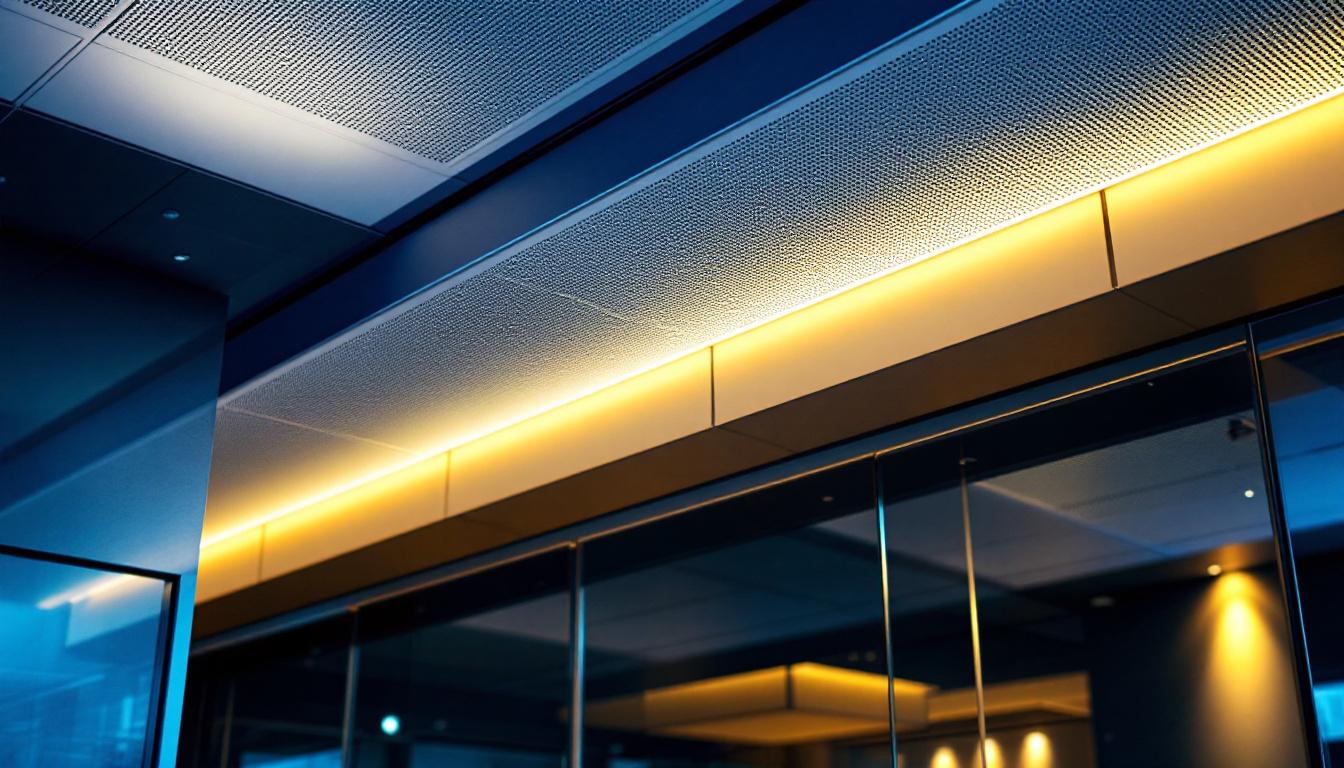
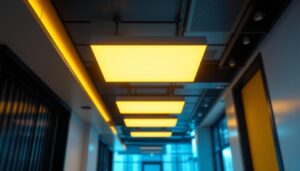
A dropped ceiling soffit is more than just an architectural detail; it’s a strategic element that lighting contractors must master to deliver both aesthetic appeal and functional excellence. Essentially, a soffit is a lowered portion of the ceiling that conceals structural elements, ductwork, or wiring. It also provides an ideal platform for integrating lighting fixtures seamlessly.
For lighting contractors, the soffit offers a unique canvas. It can transform a plain ceiling into a dynamic lighting feature that enhances the ambiance and usability of any space. However, mastering soffit lighting requires a deep understanding of its construction, materials, and the types of lighting that work best within these confined spaces. The choice of materials can significantly influence the overall effect; for instance, using lighter materials can enhance brightness, while darker finishes can create a more intimate atmosphere.
Why Soffits Matter in Lighting Design
Soffits create opportunities to hide unsightly mechanical systems while offering a controlled environment for lighting installation. This is particularly valuable in commercial spaces, retail environments, and modern residential designs where clean lines and minimalistic aesthetics are prized. The strategic placement of soffits can also help define areas within a larger space, guiding the flow of movement and interaction without the need for physical barriers.
Moreover, soffits allow for indirect lighting techniques, like cove lighting, which can soften shadows and reduce glare. This can make a room feel larger and more inviting, which is a significant selling point for clients. Beyond aesthetics, the choice of LED fixtures within soffits can lead to energy efficiency, providing long-lasting illumination while minimizing electricity costs. Additionally, the ability to incorporate smart lighting solutions into soffit designs opens up possibilities for customizable lighting scenarios, allowing users to adjust the ambiance according to their needs or mood, further enhancing the functionality of the space.
Key Considerations When Working with Dropped Ceiling Soffits
Lighting contractors face several challenges when integrating lighting into soffits. These challenges can be technical, aesthetic, or logistical. Understanding these factors upfront can save time and improve the final outcome.
Material and Structural Constraints
Most soffits are constructed from drywall or plasterboard, supported by metal or wooden framing. The material choice affects how lighting fixtures can be mounted and how heat dissipation is managed. For example, LED strip lights generate less heat and are often preferred for soffit installations compared to traditional halogen or incandescent bulbs.
Contractors must also consider the weight limits of the soffit structure. Heavy fixtures require additional support, which may not always be feasible without reinforcing the soffit framework. Additionally, the choice of materials can influence the overall aesthetic of the space. For instance, a smooth, painted drywall finish can create a modern look, while textured plaster can add a touch of elegance and sophistication. Understanding the interplay between materials and lighting design is essential for achieving the desired ambiance.
Electrical Access and Wiring
One of the biggest hurdles is running electrical wiring within the soffit. Since soffits often conceal HVAC ducts or plumbing, space can be limited. Lighting contractors need to plan wiring routes carefully to avoid conflicts and ensure compliance with electrical codes.
Using flexible conduit and modular wiring systems can simplify installation and future maintenance. Additionally, integrating dimmers and smart lighting controls within the soffit wiring can add value and functionality to the project. Smart systems allow for customizable lighting scenarios that can adapt to different times of day or activities, enhancing the usability of the space. Moreover, ensuring that there is adequate access for maintenance is crucial; contractors should consider incorporating access panels or removable sections in the soffit design to facilitate any future repairs or upgrades without significant disruption.
Lighting Types and Placement
Choosing the right type of lighting is crucial. Recessed downlights, LED strips, and cove lighting are popular options for soffits. Each has its pros and cons depending on the desired effect and the soffit’s dimensions.
For example, LED strips work well for continuous, even illumination along the soffit’s edge, creating a floating ceiling effect. Recessed downlights provide focused task lighting but require precise cutouts and spacing to avoid uneven light distribution. Additionally, the placement of these fixtures can significantly impact the overall feel of the room. Strategic positioning can help highlight architectural features or artwork, while also ensuring that the lighting complements the room’s function. For instance, in a kitchen, task lighting should be directed towards work areas, while in a living room, ambient lighting can create a cozy, inviting atmosphere. Balancing the different types of lighting and their placements is essential for achieving a harmonious design that meets both aesthetic and practical needs.
Techniques for Mastering Soffit Lighting Installation
Successful soffit lighting installation combines technical skill with creative vision. Here are some proven techniques that lighting contractors can use to elevate their projects.
Precision Measurement and Planning
Before any installation begins, detailed measurements and planning are essential. Contractors should create scaled drawings of the soffit, marking the exact locations for fixtures, wiring paths, and access points.
Using laser measuring tools and 3D modeling software can improve accuracy and help visualize the lighting layout. This preparation minimizes errors and reduces costly rework.
Layered Lighting Approach
Layering different types of lighting within the soffit can enhance the space dramatically. Combining ambient, task, and accent lighting allows for flexibility and customization.
For instance, ambient lighting can be achieved with LED strips hidden behind the soffit’s lip, while recessed downlights provide task lighting for work areas. Accent lighting can highlight architectural features or artwork, adding depth and interest.
Heat Management and Ventilation
Even though modern LED fixtures generate less heat, proper ventilation within the soffit is critical to prevent overheating and prolong fixture life. Contractors should ensure there is enough airflow around fixtures and avoid tightly enclosing heat-producing lights.
Installing vents or using heat-resistant materials can mitigate potential issues. Consulting manufacturer guidelines for each lighting fixture is a must to maintain safety and performance standards.
Common Mistakes and How to Avoid Them
Even experienced lighting contractors can stumble when working with soffits. Awareness of common pitfalls can help avoid costly mistakes.
Ignoring Ceiling Height Impact
One frequent error is neglecting how the soffit’s depth affects ceiling height perception. A soffit that is too deep or poorly lit can make a room feel cramped and claustrophobic.
Contractors should balance the soffit’s size with lighting intensity and color temperature to maintain an open, airy feel. Using warmer light tones and indirect lighting can counteract the potential for a lowered ceiling to feel oppressive.
Poor Fixture Placement
Improper spacing or alignment of fixtures can lead to uneven lighting, harsh shadows, or glare. This not only looks unprofessional but can also reduce the functionality of the lighting system.
Following manufacturer recommendations for spacing and using mock-ups during installation can help ensure even light distribution.
Overlooking Accessibility
Soffits often hide wiring and fixtures, but contractors must ensure these elements remain accessible for maintenance. Installing removable panels or access doors within the soffit design facilitates future repairs or upgrades.
Failing to plan for accessibility can lead to expensive and disruptive interventions down the line.
Leveraging Technology to Enhance Soffit Lighting
Advancements in lighting technology have opened new possibilities for soffit installations. Lighting contractors who embrace these innovations can deliver smarter, more efficient solutions.
Smart Lighting Controls
Integrating smart controls allows clients to adjust lighting scenes, brightness, and color temperature with ease. This flexibility enhances user experience and can improve energy efficiency.
Systems compatible with voice assistants or mobile apps provide added convenience, making the soffit lighting a standout feature of the space.
Energy-Efficient LED Solutions
LED technology continues to evolve, offering brighter, more color-accurate, and longer-lasting options. Selecting high-quality LED fixtures designed specifically for soffit use ensures optimal performance and reduces maintenance costs.
Additionally, LEDs’ low heat output aligns perfectly with the confined spaces within soffits, minimizing thermal management challenges.
Dynamic Color and Tunable White Lighting
Dynamic color-changing LEDs and tunable white lighting can dramatically alter the mood and functionality of a space. Tunable white allows users to shift from warm to cool light throughout the day, supporting circadian rhythms and enhancing comfort.
Color-changing options can be used for special events, branding, or simply to add visual interest, giving lighting contractors a competitive edge in their offerings.
Best Practices for Collaboration and Client Communication
Effective communication with clients and other trades is vital when working on soffit lighting projects. Clear collaboration ensures expectations are met and the final result aligns with the client’s vision.
Setting Realistic Expectations
Clients may have limited understanding of the technical constraints and possibilities of soffit lighting. Contractors should educate clients on what can be achieved within budget and design parameters.
Providing visual aids such as renderings or mock-ups helps clients visualize the outcome and make informed decisions.
Coordinating with Other Trades
Soffits often house HVAC, plumbing, and electrical systems. Coordinating with these trades early in the project prevents conflicts and delays.
Scheduling joint site visits and sharing detailed plans ensures everyone is aligned and can address potential issues proactively.
Documentation and Follow-Up
Maintaining thorough documentation of the soffit lighting design, installation details, and wiring schematics is essential. This information supports future maintenance and troubleshooting.
Offering clients post-installation support and guidance on operating smart lighting controls enhances satisfaction and builds long-term relationships.
Conclusion: Mastery Through Knowledge and Precision
Mastering dropped ceiling soffit lighting is a blend of technical expertise, creative design, and meticulous planning. Lighting contractors who invest time in understanding the structural nuances, select appropriate fixtures, and leverage modern technology will deliver superior results that impress clients and stand the test of time.
By avoiding common mistakes, collaborating effectively, and embracing innovation, contractors can turn soffits from simple architectural features into powerful lighting statements that elevate any space.
Illuminate Your Projects with LumenWholesale
Ready to take your soffit lighting projects to the next level? At LumenWholesale, we provide lighting contractors with the high-quality, spec-grade lighting solutions you need to master every challenge. With our unbeatable wholesale prices and extensive selection, you can ensure every dropped ceiling soffit shines with excellence. Say goodbye to middleman markups and hello to hassle-free bulk buying with free shipping. Elevate your lighting game and give your clients the impressive results they deserve. Discover the perfect blend of quality, affordability, and convenience. Wholesale Lighting at the Best Value is just a click away.