Why Connectors Matter in Low Voltage Lighting Systems
Low voltage lighting systems have become a staple in residential and commercial projects due to their energy efficiency, safety, and design flexibility. However, the effectiveness of these systems hinges heavily on the quality and compatibility of their connectors. For lighting contractors, understanding connectors is not just a technical detail-it’s a critical factor that can influence installation success, system longevity, and client satisfaction.
Connectors serve as the bridge between power sources, transformers, and fixtures. A poor connection can lead to voltage drops, flickering lights, or even complete system failure. In some cases, improper connectors can cause overheating, posing safety hazards. Therefore, mastering the nuances of connectors is essential for reliable, professional-grade low voltage lighting installations.
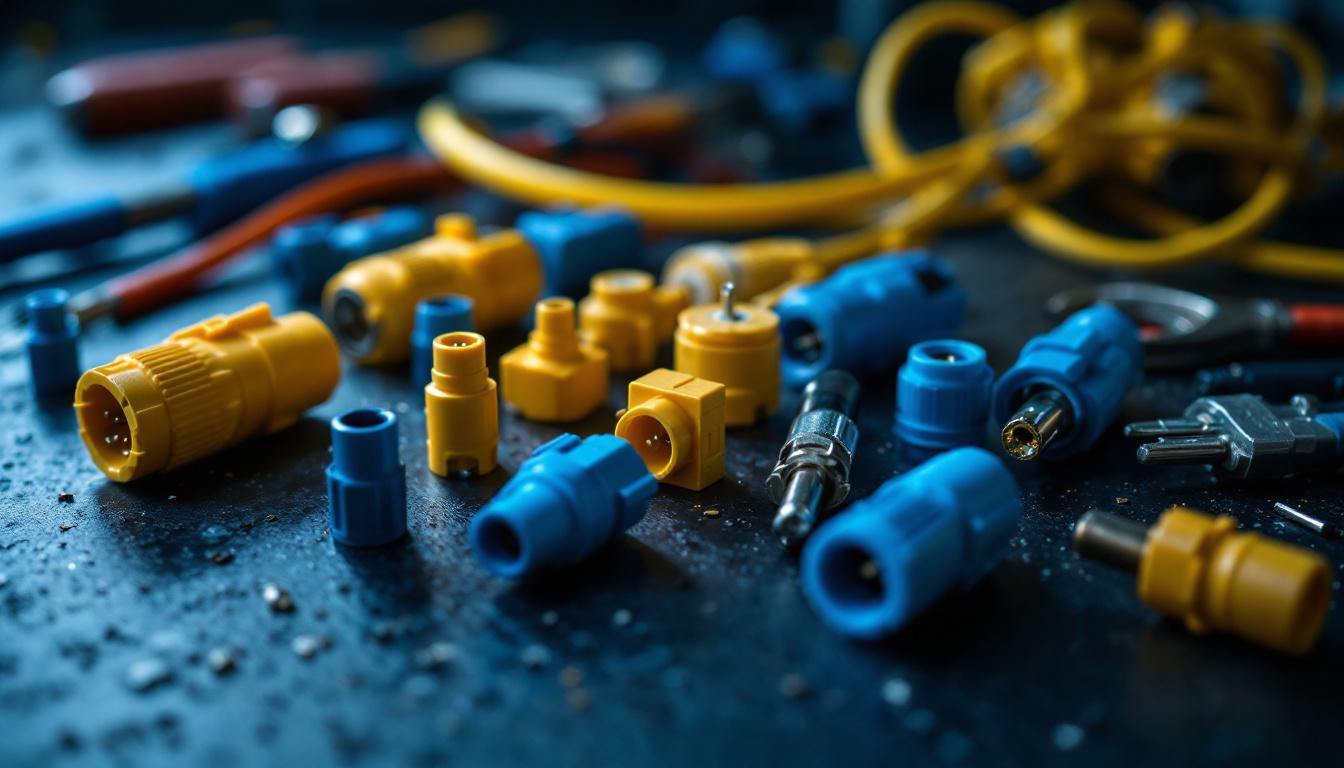
Moreover, the variety of connectors available in the market can be overwhelming, ranging from simple wire nuts to more advanced, waterproof connectors designed for outdoor applications. Each type serves a specific purpose and is suited for different environments and installation scenarios. For instance, connectors that are rated for outdoor use must withstand moisture and temperature fluctuations, ensuring that they maintain a secure connection over time. Understanding these specifications not only aids in selecting the right connector but also enhances the overall performance and reliability of the lighting system.
In addition to functionality, the aesthetic aspect of connectors should not be overlooked. In many installations, connectors are hidden from view, but in some cases, they may be exposed or visible. Choosing connectors that complement the overall design of the lighting system can contribute to a polished, professional appearance. Furthermore, using high-quality connectors can reduce the need for frequent maintenance and repairs, thus saving time and resources in the long run. This attention to detail not only reflects well on the contractor but also increases the likelihood of repeat business and referrals from satisfied clients.
Types of Connectors Used in Low Voltage Lighting
Quick-Connect or Push-In Connectors
Quick-connectors are popular for their ease of use and time-saving benefits. They allow contractors to make secure connections without specialized tools, which is especially handy in tight spaces or when working on multiple fixtures. These connectors typically feature spring-loaded mechanisms that grip the wire firmly, ensuring a stable connection.
However, not all quick-connectors are created equal. Some are designed for solid wire only, while others accommodate stranded wire. It’s crucial to match the connector type with the wire used to avoid loose connections. Additionally, these connectors are best suited for low-current applications within the specified voltage range. Their user-friendly design not only speeds up installation but also minimizes the risk of errors, making them a favorite among DIY enthusiasts and professionals alike. With the right quick-connectors, even complex lighting setups can be completed swiftly, allowing for more time to focus on the overall design and aesthetics of the lighting scheme.
Screw Terminal Connectors
Screw terminal connectors offer a more traditional approach. They provide a mechanical connection by clamping wires under a screw. This method is reliable and allows for easy inspection and maintenance. Lighting contractors often prefer screw terminals when working with heavier gauge wires or when a more robust connection is required.
One downside is that screw terminals can be time-consuming to install compared to push-in types. Also, over-tightening screws can damage wires, while under-tightening can lead to poor contact and voltage drops. Proper torque application is key when using these connectors. Additionally, screw terminals can be advantageous in applications where frequent disconnection may be necessary, as they can be easily undone and reconnected without damaging the wire. This flexibility makes them particularly useful in environments where lighting configurations may need to be adjusted or upgraded over time, ensuring that the system remains adaptable to changing needs.
Wire Nuts and Twist-On Connectors
Wire nuts remain a staple in many electrical installations, including low voltage lighting. They are cost-effective and widely available, making them a go-to choice for splicing wires. For low voltage lighting, it’s important to select wire nuts rated for low voltage and compatible wire sizes.
While wire nuts provide a secure connection, they require twisting wires together before capping, which can be cumbersome in confined spaces. Additionally, moisture intrusion can be a concern in outdoor or damp locations, so using weather-resistant wire nuts or sealing the connection is recommended. Beyond their practical use, wire nuts also offer a degree of versatility; they can be used in various applications beyond lighting, such as in home wiring projects or automotive work. Their simple design and effectiveness have kept them relevant in an age where newer technologies are constantly emerging, proving that sometimes the traditional methods still hold their ground in efficiency and reliability.
Specialty Connectors for Landscape Lighting
Landscape lighting often demands connectors that can withstand outdoor conditions, including moisture, temperature fluctuations, and UV exposure. Manufacturers offer specialized connectors with waterproof seals, corrosion-resistant materials, and locking mechanisms to ensure durability.
Lighting contractors working on outdoor projects should prioritize connectors with IP67 or higher ratings. These connectors protect against dust and water ingress, significantly reducing maintenance needs and system downtime. Moreover, many of these specialty connectors are designed with ease of installation in mind, often featuring snap-fit designs or integrated strain relief to prevent cable damage. This attention to detail not only enhances the longevity of the lighting system but also contributes to the overall safety and performance of outdoor lighting installations. As landscape lighting continues to evolve, the development of innovative connectors will play a crucial role in ensuring that these systems can meet the demands of both functionality and aesthetic appeal in diverse environments.
Key Considerations When Selecting Connectors
Compatibility with Wire Gauge and Type
Low voltage lighting systems commonly use 12 to 18 gauge wires, depending on the load and run length. Selecting connectors that accommodate the specific wire gauge is non-negotiable. Using a connector designed for a smaller gauge wire on a thicker wire can result in poor contact and overheating.
Additionally, understanding whether the wire is solid or stranded affects connector choice. Some connectors only grip solid wire effectively, while others are designed to handle stranded wire without compromising connection integrity.
Voltage and Current Ratings
Connectors must be rated for the system’s voltage and current to ensure safety and performance. Low voltage lighting systems typically operate at 12 or 24 volts, but current can vary widely based on the number of fixtures and their wattage.
Using connectors with insufficient current ratings can cause excessive heat buildup, leading to premature failure or fire hazards. Always verify that connectors meet or exceed the system’s maximum expected load.
Environmental Resistance
Lighting contractors must assess the installation environment before choosing connectors. Indoor applications may allow for simpler connectors, but outdoor or damp locations require connectors with robust environmental protections.
Look for features such as waterproof seals, corrosion-resistant metals, and UV-stable plastics. These characteristics extend the lifespan of the connection and reduce callbacks for repairs.
Ease of Installation and Maintenance
Time is money in the field. Connectors that simplify installation without sacrificing reliability are invaluable. Quick-connectors and pre-assembled connector kits can speed up job completion, especially on large projects.
Maintenance considerations also matter. Connectors that allow easy disconnection and reconnection facilitate troubleshooting and upgrades. Lighting contractors should weigh the trade-offs between speed and long-term serviceability.
Common Pitfalls and How to Avoid Them
Overlooking Voltage Drop and Connector Quality
Voltage drop is a silent killer in low voltage lighting systems. Even the best fixtures won’t perform well if voltage drops below their operating threshold. Poor-quality connectors with high resistance exacerbate this problem.
Contractors should use connectors with low contact resistance and ensure tight, clean connections. Testing voltage at various points in the system during installation can identify problematic connectors before finalizing the setup.
Ignoring Manufacturer Specifications
Each connector comes with manufacturer guidelines that detail compatible wire sizes, voltage ratings, and environmental limitations. Ignoring these can lead to system failures and warranty voidance.
Lighting contractors should always review technical datasheets and follow installation instructions precisely. When in doubt, consulting the manufacturer or supplier can prevent costly mistakes.
Failing to Protect Outdoor Connections
Outdoor lighting connections are vulnerable to moisture, dirt, and mechanical stress. Simply wrapping connectors with electrical tape is insufficient for long-term protection.
Using connectors with built-in waterproofing or enclosing connections in weatherproof junction boxes is essential. Proper sealing techniques, such as applying silicone or heat-shrink tubing, further safeguard the connection.
Best Practices for Installing Connectors in Low Voltage Lighting
Prepare Wires Properly
Strip wires to the correct length, avoiding nicking or damaging the conductor. Clean wires if necessary to remove oxidation or dirt. Proper wire preparation ensures a solid, low-resistance connection.
Use the Right Tools
Specialized tools like wire strippers, crimpers, and torque screwdrivers improve connection quality and speed. Investing in high-quality tools pays off in fewer callbacks and higher client satisfaction.
Test Connections Thoroughly
After installation, test each connection for continuity, voltage, and current flow. Use a multimeter to verify that voltage drop is within acceptable limits. Identifying issues early prevents system failures after project handoff.
Document the Installation
Keeping detailed records of connector types, locations, and installation notes helps with future maintenance and troubleshooting. It also demonstrates professionalism and thoroughness to clients.
Emerging Trends in Connector Technology
Advancements in connector design continue to improve the reliability and ease of low voltage lighting installations. New materials offering better corrosion resistance and enhanced sealing capabilities are becoming standard. Additionally, manufacturers are developing connectors with integrated diagnostics to alert contractors and homeowners to connection issues before they cause failures.
Wireless and modular connector systems are also gaining traction, enabling faster installations and more flexible lighting designs. Staying informed about these innovations allows lighting contractors to offer cutting-edge solutions and maintain a competitive edge.
Conclusion: Mastering Connectors for Superior Low Voltage Lighting
Connectors may seem like a small piece of the low voltage lighting puzzle, but their impact is outsized. Choosing the right connectors, installing them correctly, and maintaining them properly can make the difference between a lighting system that dazzles and one that disappoints.
Lighting contractors who invest time in understanding connector options and best practices will deliver safer, more reliable, and longer-lasting lighting solutions. This expertise not only enhances project outcomes but also builds trust and reputation in a competitive market.
Get Your Premium Connectors at LumenWholesale
Ready to elevate your low voltage lighting projects with the best connectors on the market? Look no further than LumenWholesale, where we provide lighting contractors with high-quality, spec-grade lighting products at unbeatable wholesale prices. Our extensive selection is designed to meet the highest industry standards, ensuring you get the most reliable and high-performance lighting for every installation. With the convenience of bulk buying and the benefit of free shipping, you can secure premium lighting connectors and more at the best value — all without hidden fees or quality compromises. Make your next project shine brighter by choosing Wholesale Lighting at the Best Value with LumenWholesale.