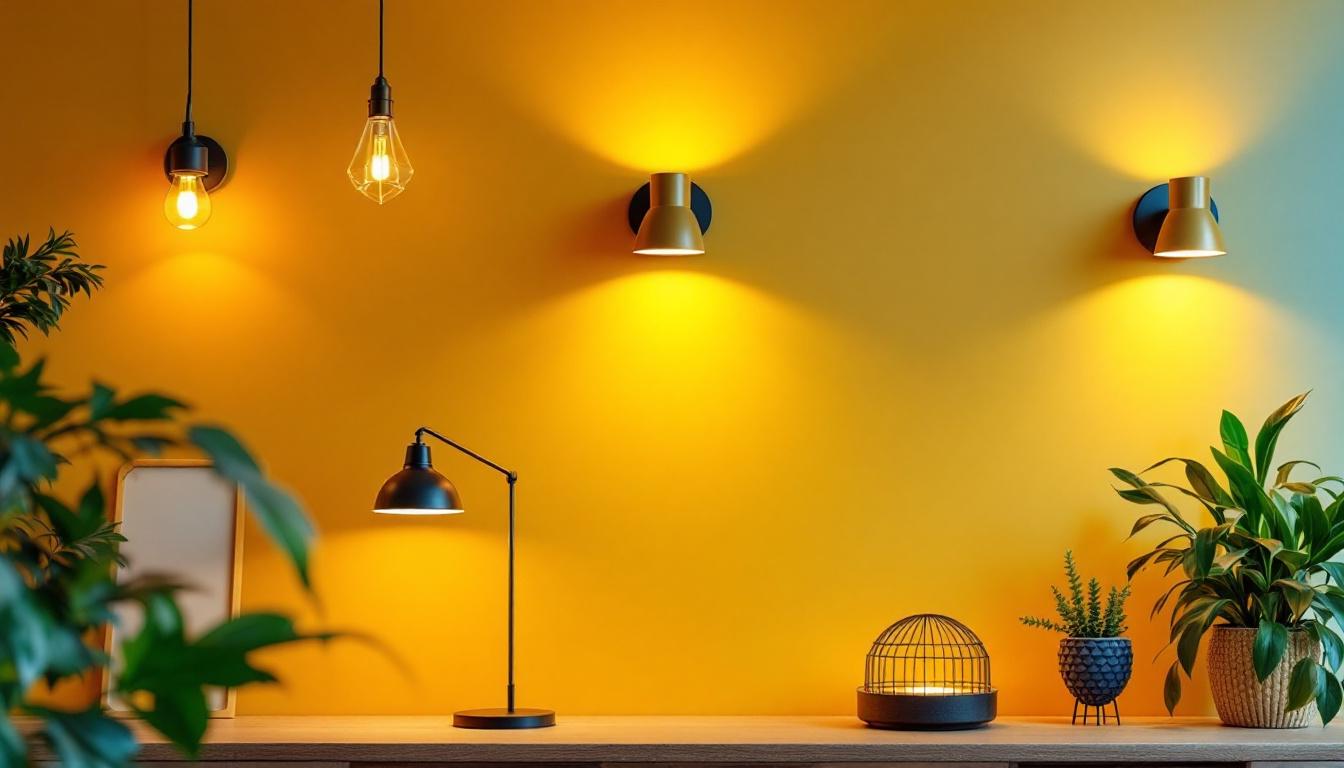
Why Outdoor Spot Lamps Matter in Lighting Projects
Outdoor spot lamps are more than just fixtures that illuminate a space—they are critical tools that shape the ambiance, safety, and functionality of exterior environments. For lighting contractors, understanding the science behind these lamps is essential to designing installations that meet client expectations while adhering to efficiency and durability standards.
Unlike general outdoor lighting, spot lamps focus light on specific areas or objects, creating dramatic effects or highlighting architectural features. This targeted illumination requires a precise understanding of beam angles, light intensity, and color temperature to achieve the desired outcome without causing glare or light pollution.
Spot lamps are commonly used in landscape lighting, security applications, and commercial settings where highlighting pathways, signage, or building facades is necessary. The science behind their operation influences everything from fixture selection to installation techniques, making it vital for contractors to grasp these concepts thoroughly.
Moreover, the versatility of outdoor spot lamps allows for creative applications that can transform a mundane space into a visually stunning environment. For instance, in residential settings, strategically placed spot lamps can accentuate the natural beauty of gardens, trees, and water features, creating an inviting atmosphere for evening gatherings. In commercial spaces, effective use of spot lighting can enhance brand visibility and draw attention to key areas, such as entrances or promotional displays, thereby improving customer engagement.
Additionally, advancements in LED technology have revolutionized the outdoor lighting landscape, offering energy-efficient options that not only reduce electricity costs but also extend the lifespan of fixtures. Many modern spot lamps come equipped with smart technology, allowing for programmable settings and remote control operations. This innovation not only enhances convenience but also enables dynamic lighting schemes that can adapt to different occasions or times of day, further elevating the overall aesthetic and functionality of outdoor spaces.
The Fundamentals of Outdoor Spot Lamp Technology
Light Source Types and Their Impact
The choice of light source in outdoor spot lamps significantly affects performance, energy consumption, and maintenance requirements. Traditional halogen lamps, once popular for their bright, warm light and excellent color rendering, are being phased out in many regions due to inefficiency and shorter lifespans.
LED technology has become the dominant light source for outdoor spot lamps. LEDs offer superior energy efficiency, longer life expectancy, and a wide range of color temperatures. Their directional nature means less light is wasted, making them ideal for spot lighting applications where precision is key.
Understanding the differences in luminous efficacy (lumens per watt), color rendering index (CRI), and correlated color temperature (CCT) helps contractors select the right lamp for each project. For example, a high CRI LED lamp is preferred when accurate color representation of landscaping or architectural details is important. Furthermore, advancements in smart lighting technology have introduced features such as dimming capabilities and color-changing options, allowing for greater flexibility and customization in outdoor lighting design. This adaptability not only enhances aesthetic appeal but also contributes to energy savings by allowing users to adjust brightness based on specific needs and times of day.
Beam Angle and Light Distribution
Beam angle defines how wide or narrow the light spreads from the lamp. Narrow beam angles (10° to 25°) produce focused, intense light ideal for spotlighting statues or signage. Wider beams (30° to 60°) provide softer, more diffused illumination suitable for general area lighting or accentuating larger features.
Lighting contractors must consider the beam angle in relation to the distance from the target and the size of the area to be illuminated. A narrow beam at a close distance can create harsh shadows, while a wide beam at a long distance may result in insufficient illumination. Additionally, the choice of beam angle can significantly influence the ambiance of an outdoor space; for instance, a narrow beam can create dramatic highlights, while a broader beam can evoke a more inviting and warm atmosphere, perfect for social gatherings or outdoor dining areas.
Moreover, the optics integrated into spot lamps—such as lenses and reflectors—play a crucial role in shaping the light pattern. High-quality optics reduce glare and ensure uniform light distribution, which is especially important in commercial and public spaces. The integration of advanced optical technologies, such as adaptive optics, can further enhance performance by allowing the light to be dynamically adjusted based on environmental conditions or specific lighting needs. This capability can be particularly beneficial in areas that experience varying levels of natural light throughout the day, ensuring that outdoor spaces remain well-lit and visually appealing regardless of the time or season.
Environmental Considerations for Outdoor Spot Lamps
Durability and Weather Resistance
Outdoor lighting fixtures face constant exposure to elements like rain, wind, dust, and temperature fluctuations. Spot lamps designed for outdoor use must meet specific ingress protection (IP) ratings to ensure longevity and reliable performance.
For lighting contractors, selecting fixtures with IP65 or higher is standard practice for outdoor spot lamps. This rating guarantees protection against dust ingress and water jets from any direction, making the lamp suitable for most outdoor environments.
Materials also matter. Fixtures made from corrosion-resistant metals such as aluminum or stainless steel, combined with UV-resistant coatings, prevent degradation over time. Sealed housings protect internal components, including LEDs and drivers, from moisture and contaminants.
Thermal Management and Its Importance
Heat dissipation is a critical factor affecting the lifespan and efficiency of outdoor spot lamps, especially those using LEDs. Excessive heat can degrade LED chips and electronics, leading to premature failure and reduced light output.
Effective thermal management involves heat sinks, thermal pads, and sometimes active cooling systems integrated into the lamp design. Lighting contractors should verify that the fixtures they install have adequate heat dissipation features, particularly in high-temperature climates or enclosed installations.
Proper installation also influences thermal performance. Ensuring that fixtures are mounted with sufficient airflow and away from heat-retaining surfaces helps maintain optimal operating temperatures.
Energy Efficiency and Regulatory Compliance
Maximizing Energy Savings
Energy efficiency is a top priority for clients and contractors alike. Outdoor spot lamps equipped with LED technology can reduce energy consumption by up to 80% compared to traditional halogen or incandescent lamps. This translates into significant cost savings over the lifespan of the installation.
Lighting contractors can further enhance efficiency by incorporating smart controls such as motion sensors, timers, and dimmers. These devices ensure that spot lamps operate only when needed, reducing unnecessary energy use and extending lamp life.
Choosing fixtures with high luminous efficacy and matching beam angles to application needs prevents over-illumination, which wastes energy and contributes to light pollution.
Meeting Standards and Codes
Compliance with local and national lighting standards is crucial. Regulations often dictate maximum allowable light levels, glare control, and energy consumption limits for outdoor lighting installations.
For example, many jurisdictions require adherence to dark-sky initiatives that minimize light pollution by controlling upward light spill and glare. Outdoor spot lamps with well-designed optics and shielding help meet these requirements.
Contractors should stay informed about evolving codes such as those from the Illuminating Engineering Society (IES) and local building authorities to ensure installations are both legal and environmentally responsible.
Installation Best Practices for Outdoor Spot Lamps
Site Assessment and Planning
Successful outdoor lighting projects begin with a thorough site assessment. Contractors must evaluate the terrain, existing structures, vegetation, and intended lighting goals. This information guides decisions on fixture placement, beam angles, and mounting heights.
Planning also involves considering power supply availability, wiring routes, and potential obstructions. Proper planning reduces costly adjustments during installation and ensures the lighting design performs as intended.
Mounting Techniques and Positioning
Correct mounting is essential for both aesthetic and functional outcomes. Spot lamps should be positioned to avoid glare into windows or pedestrian pathways while effectively illuminating the target area.
Adjustable mounts allow fine-tuning of beam direction after installation, which is particularly useful when lighting natural landscapes or architectural features that may change over time.
Contractors should also consider vandal resistance and ease of maintenance when selecting mounting hardware, especially in public or high-traffic areas.
Electrical Considerations and Safety
Outdoor spot lamps require wiring that complies with electrical codes and is rated for exterior use. Waterproof connectors, conduit protection, and proper grounding are non-negotiable to ensure safety and durability.
Low-voltage systems are popular for landscape spot lighting due to their safety advantages and ease of installation. However, high-voltage fixtures may be necessary for larger commercial projects, demanding careful attention to transformer sizing and circuit protection.
Contractors should always perform thorough testing after installation to verify correct operation and address any issues promptly.
Maintenance and Troubleshooting for Longevity
Routine Inspection and Cleaning
Outdoor spot lamps accumulate dirt, debris, and insect buildup that can diminish light output and cause overheating. Regular cleaning of lenses and fixtures helps maintain optimal performance.
Inspecting for signs of corrosion, water ingress, or damage to wiring and mounts prevents minor issues from escalating into costly repairs.
Scheduling maintenance visits based on environmental conditions-more frequent in dusty or coastal areas-ensures the lighting system remains reliable year-round.
Common Issues and Solutions
Flickering or dimming lights often indicate power supply problems, loose connections, or failing drivers. Identifying the root cause quickly minimizes downtime and prevents damage to other components.
LED spot lamps may experience color shifts or reduced brightness over time. Replacing lamps with the same specifications preserves uniformity across the installation.
Contractors should keep detailed records of installed fixtures and components to streamline troubleshooting and future upgrades.
Conclusion: Mastering the Science for Superior Outdoor Lighting
Outdoor spot lamps are sophisticated devices that blend technology, design, and environmental considerations. For lighting contractors, mastering the science behind these lamps is key to delivering installations that are efficient, durable, and visually compelling.
From selecting the right light source and optics to ensuring proper installation and maintenance, each step influences the success of the project. Staying informed about technological advancements and regulatory requirements empowers contractors to provide clients with lighting solutions that stand the test of time.
Ultimately, understanding the science behind outdoor spot lamps transforms a routine lighting job into a professional achievement that enhances outdoor spaces and satisfies client needs.
Illuminate Your Projects with LumenWholesale
Ready to elevate your lighting projects with the science of superior outdoor spot lamps? Look no further than LumenWholesale, where we provide lighting contractors with the highest quality, spec-grade lighting products at the most competitive wholesale prices. Say goodbye to local distributor markups and hello to our extensive selection that meets rigorous industry standards. With LumenWholesale, you’ll enjoy the convenience of bulk buying with free shipping, ensuring you get the best value without any hidden costs. Make your next project shine with reliability and performance; Wholesale Lighting at the Best Value is just a click away.