Understanding Horticulture Lighting: More Than Just Light
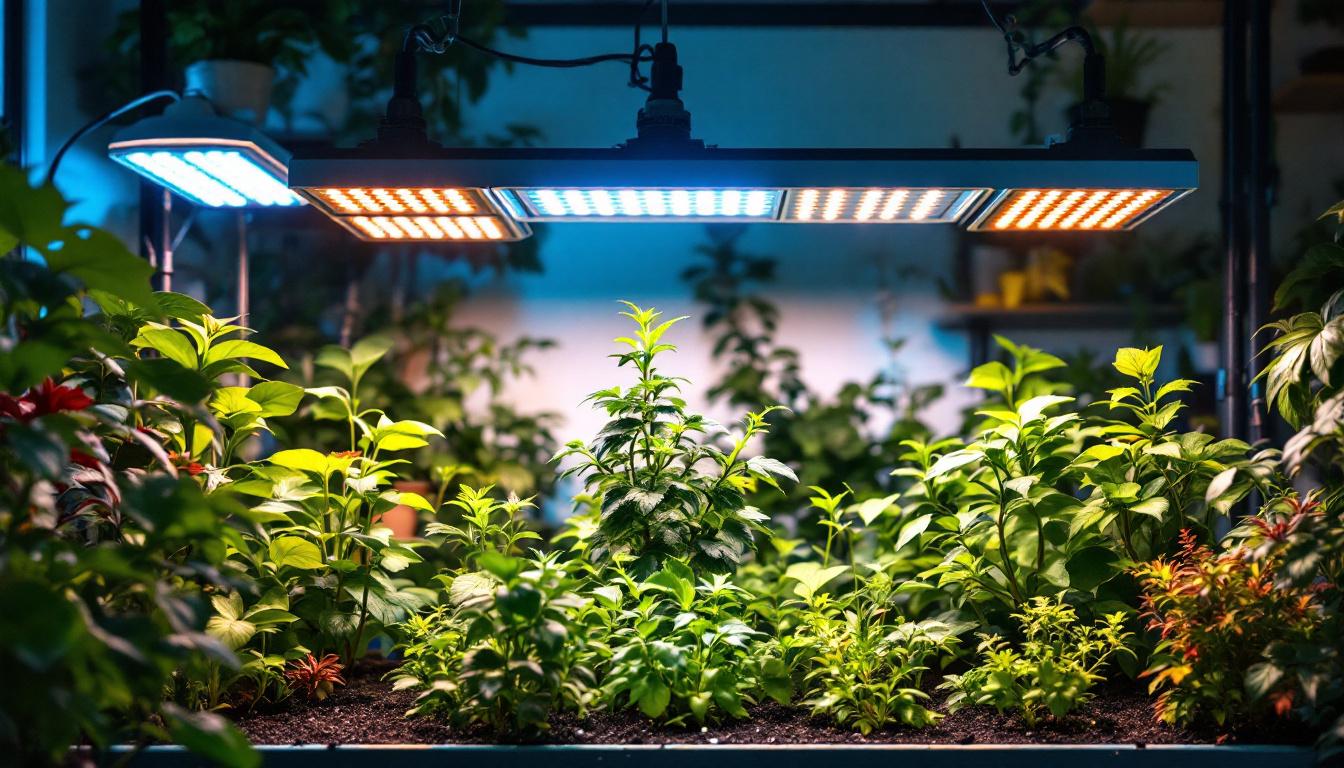
Horticulture lighting isn’t simply about illuminating plants; it’s about replicating the sun’s natural spectrum to optimize plant growth indoors or in controlled environments. For lighting contractors, this means going beyond traditional lighting installations and embracing a specialized field that blends science, technology, and agriculture.
Plants rely on specific wavelengths of light to perform photosynthesis, regulate growth cycles, and develop properly. Unlike general lighting, horticulture lighting systems are designed to deliver the right intensity and spectrum tailored to various plant species and growth stages. This precision is crucial for maximizing yields, improving plant health, and reducing energy costs.
Lighting contractors who understand these nuances can provide more value to clients, from commercial growers to hobbyists. It’s not just about installing lights; it’s about creating an environment where plants thrive. The choice of lighting technology—whether it be LED, fluorescent, or high-intensity discharge (HID)—can significantly impact the efficiency of energy use and the quality of plant growth. For instance, LED lights are increasingly favored for their energy efficiency and longevity, allowing growers to save on both electricity bills and replacement costs while providing a full spectrum of light that can be tailored to the specific needs of different plants.
Moreover, the positioning and timing of horticultural lighting play a critical role in plant development. By manipulating light cycles—such as extending daylight hours or simulating seasonal changes—contractors can influence flowering, fruiting, and vegetative growth. This technique, known as photoperiodism, is essential for growers looking to maximize their harvests throughout the year, regardless of external weather conditions. Additionally, integrating smart technology into horticulture lighting systems allows for automated adjustments based on real-time data, further enhancing the growth environment and ensuring that plants receive optimal light at all times.
The Role of Lighting Contractors in Horticulture Projects
Designing Efficient and Effective Lighting Systems
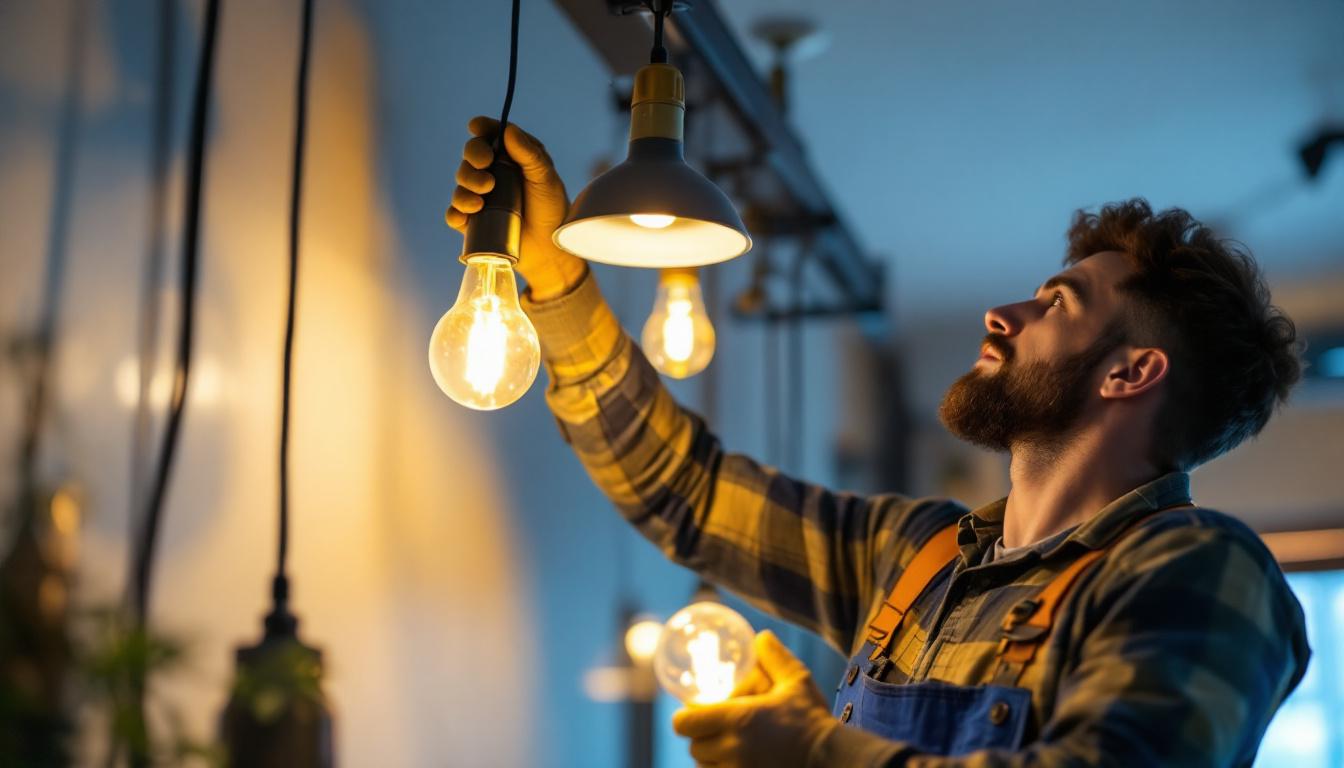
Lighting contractors are often called upon to design and install systems that meet the unique demands of horticulture environments. This requires a deep understanding of plant biology, light spectrum requirements, and energy efficiency. Choosing the right type of lighting-whether LED, high-pressure sodium (HPS), or fluorescent-depends on the crop, growth phase, and budget.
Contractors must also consider factors such as light distribution, heat management, and control systems. Proper placement and zoning ensure that plants receive uniform light, preventing hotspots or shaded areas that can stunt growth. Integrating dimmers, timers, and sensors helps optimize light cycles and energy consumption.
Moreover, the advancement of smart technology has revolutionized the way lighting systems are designed and managed. Many contractors are now utilizing automated systems that can adjust light intensity based on real-time data, such as ambient light levels and plant growth stages. This not only enhances the efficiency of the lighting setup but also allows for a more tailored approach to plant care, ensuring that each species receives the specific light conditions it requires for optimal growth. By employing such innovative solutions, contractors can significantly improve crop yields and reduce operational costs for their clients.
Meeting Client Expectations and Regulatory Standards
Clients in the horticulture industry expect lighting solutions that not only boost plant growth but also comply with energy codes and safety regulations. Lighting contractors play a pivotal role in ensuring installations meet local standards, including electrical safety and environmental guidelines.
Additionally, many commercial growers seek certifications or want to minimize their carbon footprint. Contractors who can recommend and implement energy-efficient lighting systems contribute to these goals, enhancing their reputation and client satisfaction. They often provide detailed documentation and support to help clients navigate the complexities of obtaining certifications, such as LEED or other sustainability benchmarks. This not only aids in compliance but also positions the grower as a responsible steward of the environment, which can be a significant marketing advantage in today’s eco-conscious market.
Furthermore, as the horticulture industry increasingly embraces sustainable practices, lighting contractors are also tasked with educating their clients on the long-term benefits of investing in high-quality, energy-efficient lighting solutions. This includes discussing the potential for reduced energy bills, lower maintenance costs, and the positive impact on crop quality and yield. By fostering a collaborative relationship with clients, contractors can ensure that their lighting systems not only meet current needs but also adapt to future advancements in horticultural technology.
Why LED Technology is a Game-Changer for Horticulture Lighting
LED lighting has revolutionized horticulture lighting, offering unmatched efficiency, durability, and spectral customization. Unlike traditional lighting, LEDs can be fine-tuned to emit specific wavelengths that plants need most, such as red and blue light, which are essential for photosynthesis and flowering. This level of customization allows growers to create the ideal light environment for different stages of plant growth, leading to healthier plants and higher yields. For instance, during the vegetative stage, a higher proportion of blue light can promote robust leaf development, while increased red light during the flowering stage can enhance bud formation and overall fruit quality.
Energy efficiency is another major advantage. LEDs consume significantly less power than HPS or fluorescent lights, which translates to lower operating costs—an important consideration for commercial growers operating on tight margins. Furthermore, the reduced energy consumption also contributes to a smaller carbon footprint, aligning with the increasing demand for sustainable agricultural practices. As more growers adopt LED technology, the cumulative impact on energy savings and environmental benefits could be substantial, making it a pivotal choice in the fight against climate change.
From a contractor’s perspective, LEDs have a longer lifespan and generate less heat, reducing cooling requirements and maintenance visits. This reliability makes LED installations a smart investment for both contractors and clients. Additionally, the compact size and lightweight nature of LED fixtures allow for more flexible installation options, enabling growers to maximize their available space. This adaptability is particularly beneficial in urban farming settings, where space is often at a premium. Moreover, the ability to integrate LED systems with smart technology means that growers can monitor and adjust their lighting conditions remotely, further enhancing efficiency and productivity in their operations.
Challenges Lighting Contractors Face in Horticulture Installations
Balancing Light Intensity and Heat Management
One of the trickiest aspects of horticulture lighting is managing the heat produced by lighting fixtures. Excess heat can stress plants, reduce yields, and increase cooling costs. Contractors must carefully design systems that provide adequate light intensity without overheating the grow space.
LEDs help mitigate this issue, but even they require proper heat sinks and ventilation. Understanding the thermal dynamics of the installation environment is critical to prevent damage to both plants and equipment. Additionally, the placement of fixtures plays a crucial role; improper positioning can lead to uneven heat distribution, which can create hot spots that may harm sensitive plant varieties. This necessitates a thorough assessment of the grow area, including factors such as air circulation, humidity levels, and the specific layout of plant beds, to ensure that the lighting setup promotes healthy growth while maintaining optimal temperatures.
Customizing Solutions for Diverse Plant Needs
Different plants have varying light requirements. Leafy greens, flowering plants, and fruiting crops each respond best to specific light spectra and photoperiods. Lighting contractors must tailor solutions to these needs, often working closely with horticulturists or agronomists to ensure optimal results.
This customization can involve complex control systems that adjust light intensity and spectrum throughout the growth cycle, demanding a higher level of technical expertise from contractors. Furthermore, contractors must stay informed about the latest advancements in horticultural lighting technology, such as smart lighting systems that utilize sensors and automation for real-time adjustments. These innovations not only enhance plant growth but also improve energy efficiency, making it essential for contractors to continuously educate themselves on emerging trends and best practices in the field. By integrating these advanced technologies, they can provide more sustainable and effective lighting solutions tailored to the specific needs of each crop, ultimately leading to healthier plants and increased productivity.
Emerging Trends Lighting Contractors Should Watch
Smart Lighting Controls and Automation
Automation is transforming horticulture lighting. Smart controls enable growers to program light cycles, adjust intensity remotely, and integrate environmental sensors that respond to temperature, humidity, and CO2 levels. Lighting contractors who can install and configure these systems offer clients enhanced control and efficiency.
These technologies also facilitate data collection and analysis, helping growers fine-tune their operations and improve crop quality over time.
Integration with Renewable Energy Sources
As sustainability becomes a priority, many horticulture facilities are pairing lighting systems with renewable energy sources like solar panels. Lighting contractors who understand how to integrate these systems can help clients reduce energy costs and environmental impact.
Designing lighting solutions that complement renewable energy setups requires careful planning to ensure consistent power supply and system reliability.
Why Lighting Contractors Should Invest in Horticulture Lighting Expertise
Specializing in horticulture lighting opens new business opportunities. The growth of indoor farming, vertical agriculture, and controlled-environment agriculture is driving demand for skilled lighting contractors who can deliver tailored solutions.
Building expertise in this niche differentiates contractors from competitors, allowing them to command higher fees and build long-term client relationships. Additionally, staying current with industry trends and technologies positions contractors as trusted advisors rather than just installers.
Training, certifications, and partnerships with horticulture lighting manufacturers can further enhance credibility and technical knowledge, making contractors indispensable in this expanding market.
Conclusion: Lighting Contractors as Key Partners in Plant Growth
Horticulture lighting is a specialized, technical field that requires more than just electrical know-how. Lighting contractors who embrace this challenge become vital partners in the success of indoor and controlled-environment agriculture projects.
By understanding plant needs, leveraging advanced lighting technologies, and navigating the complexities of installation and regulation, contractors can deliver solutions that improve crop yields, reduce energy consumption, and satisfy client expectations.
For lighting contractors, horticulture lighting is not just an opportunity-it’s a chance to grow alongside a rapidly evolving industry, illuminating the future of agriculture one installation at a time.
Take Your Horticulture Lighting to the Next Level with LumenWholesale
Ready to harness the full potential of horticulture lighting for your projects? At LumenWholesale, we provide lighting contractors with the cutting-edge, spec-grade lighting solutions needed to thrive in this dynamic industry. Our commitment to quality and affordability means you can access the best horticulture lighting products at wholesale prices, without the extra costs. Elevate your installations with our premium selection and enjoy the benefits of free shipping on bulk orders. Don’t let inflated markups dim your project’s success. Choose LumenWholesale for Wholesale Lighting at the Best Value and light up your horticulture projects with confidence.