Understanding UV Sterilization Lamps
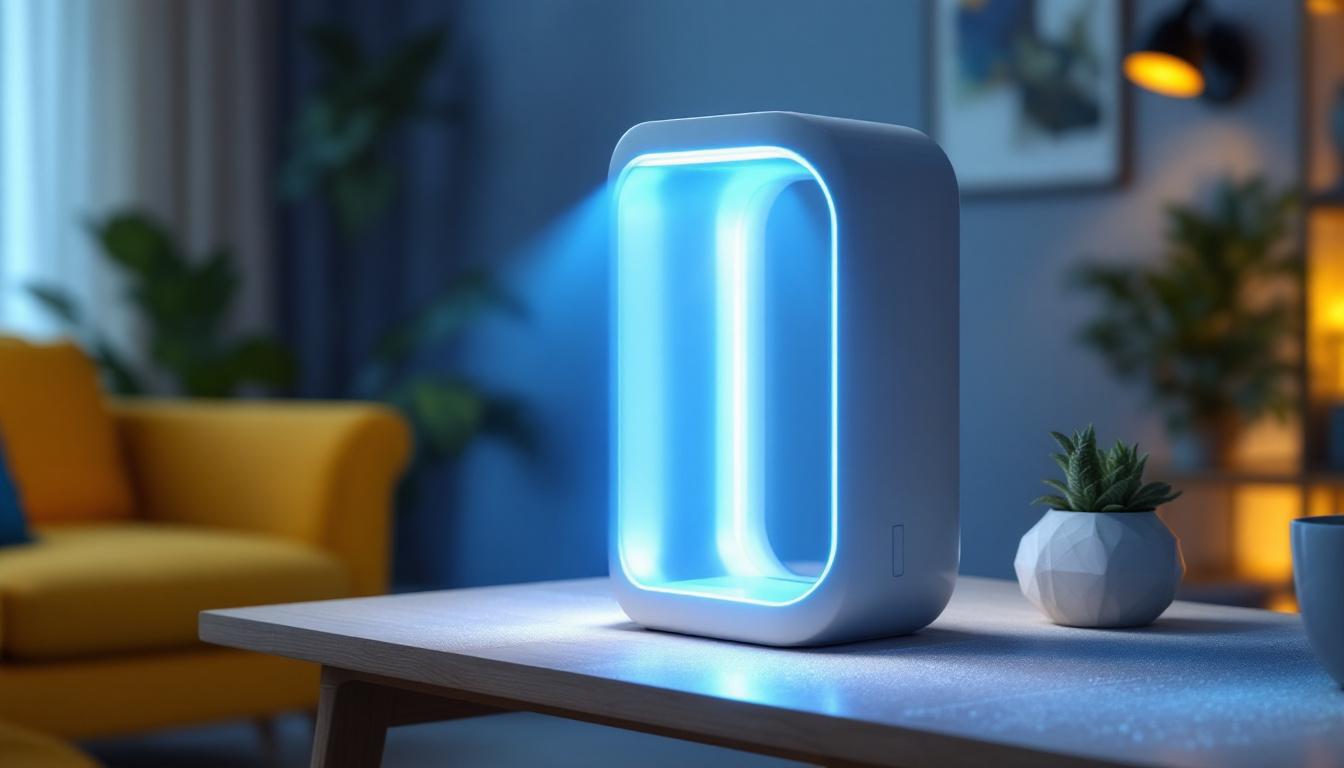
Ultraviolet (UV) sterilization lamps are transforming the way lighting contractors approach both illumination and hygiene. Unlike traditional lamps that focus solely on visibility, UV sterilization lamps serve a dual purpose: lighting and disinfection. These lamps emit UV-C light, a specific wavelength known for its germicidal properties, capable of inactivating bacteria, viruses, and other pathogens by disrupting their DNA or RNA.
UV-C light typically ranges from 200 to 280 nanometers, with the peak germicidal effectiveness around 254 nanometers. This makes UV sterilization lamps a powerful tool in environments where sanitation is critical, such as hospitals, laboratories, food processing plants, and even public spaces. For lighting contractors, understanding the science and application of these lamps is essential when integrating them into modern lighting solutions.
Types of UV Sterilization Lamps
There are several types of UV sterilization lamps available, each suited for different applications. Low-pressure mercury vapor lamps are the most common, producing UV-C light efficiently. These lamps are often found in HVAC systems and water purification units. Medium-pressure lamps offer higher intensity but consume more energy and generate more heat, making them suitable for industrial sterilization.
Recently, advancements in LED technology have introduced UV-C LEDs, which provide longer life spans, instant on/off capabilities, and flexibility in design. Although UV-C LEDs currently have lower output compared to traditional mercury lamps, their compact size and environmental benefits make them increasingly popular in modern lighting projects. The growing trend towards sustainability has prompted manufacturers to innovate, leading to the development of hybrid systems that combine traditional UV-C lamps with LED technology, optimizing both efficacy and energy efficiency.
Moreover, the application of UV sterilization lamps extends beyond just disinfection. In agricultural settings, these lamps are being utilized to enhance plant growth by controlling pathogens that can harm crops, thereby promoting healthier yields. In addition, UV-C light has been explored in air purification systems, where it works in conjunction with filters to eliminate airborne viruses and bacteria, contributing to cleaner indoor environments. As research continues to unveil the full potential of UV sterilization technology, its integration into everyday life seems poised to expand, offering innovative solutions to age-old problems of hygiene and health.
Applications in Modern Lighting Solutions
The integration of UV sterilization lamps into lighting systems is not just a trend but a necessity in many sectors. Lighting contractors are now tasked with designing solutions that combine illumination with active sterilization, enhancing safety without compromising aesthetics or functionality.
Healthcare Facilities
Hospitals and clinics demand rigorous infection control. UV sterilization lamps are often installed in operating rooms, patient rooms, and waiting areas to reduce the risk of healthcare-associated infections. Portable UV sterilization units allow for targeted disinfection of surfaces and air, complementing traditional cleaning protocols.
Lighting contractors must ensure these lamps are installed with safety mechanisms to prevent human exposure to UV-C light, which can be harmful to skin and eyes. Automated systems that operate when rooms are unoccupied or enclosed UV sterilization chambers are common solutions. Furthermore, the integration of smart technology enables real-time monitoring of UV lamp performance, ensuring that they operate at optimal levels and are replaced as needed, thus maintaining a consistently safe environment for both patients and healthcare staff.
Commercial and Public Spaces
Retail stores, offices, schools, and transportation hubs are increasingly incorporating UV sterilization into their lighting designs. These environments benefit from continuous air and surface disinfection, especially in high-traffic areas. UV sterilization lamps integrated into HVAC systems help maintain air quality by neutralizing airborne pathogens.
For contractors, designing these systems involves balancing sterilization efficacy with energy efficiency and user safety. Innovations like occupancy sensors and timed operation cycles optimize lamp usage without disrupting daily activities. Additionally, the aesthetic integration of these lamps into existing architectural designs is crucial; contractors are now exploring sleek, modern fixtures that blend seamlessly into the environment while providing the necessary health benefits. This approach not only enhances safety but also reassures customers and employees about their well-being in shared spaces.
Food Industry
Food processing and packaging facilities face strict hygiene standards. UV sterilization lamps are used to sanitize surfaces, equipment, and even packaging materials, reducing contamination risks. The non-chemical nature of UV-C sterilization preserves product integrity and complies with food safety regulations.
Lighting contractors working in this sector must coordinate with sanitation experts to ensure UV systems are correctly specified and installed, providing maximum coverage and minimal shadowed areas where pathogens could survive. Moreover, the flexibility of UV technology allows for its application in various stages of food production, from raw ingredient processing to final packaging. As consumer awareness of food safety increases, the demand for visible UV sterilization solutions is also rising, prompting contractors to consider transparent or semi-transparent installations that highlight the commitment to hygiene without compromising the visual appeal of the production environment.
Installation Considerations and Safety Protocols
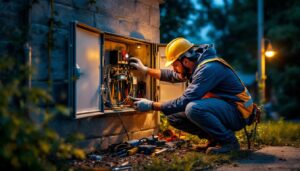
Proper installation and maintenance are critical to the effectiveness and safety of UV sterilization lamps. Lighting contractors play a vital role in ensuring these systems operate optimally and safely within the built environment.
Placement and Coverage
UV-C light has limited penetration and effectiveness depends heavily on direct exposure. Lamps must be strategically placed to cover all target surfaces and air volumes. Reflective materials can enhance coverage, but shadows and obstructions reduce sterilization efficacy.
Contractors should conduct thorough site assessments to identify critical areas requiring sterilization and design lamp layouts accordingly. In some cases, multiple lamps or mobile units may be necessary to achieve comprehensive disinfection. It is also important to consider the specific needs of different environments; for instance, healthcare facilities may require more intense and frequent sterilization due to higher pathogen loads, while educational institutions might focus on common areas like classrooms and cafeterias. The strategic placement of lamps can significantly impact the overall effectiveness of the sterilization process, ensuring that all surfaces are adequately treated.
Safety Measures
Exposure to UV-C light can cause skin burns and eye injuries. Therefore, safety protocols are non-negotiable. Common measures include interlocks that disable lamps when doors are opened, motion sensors that shut off lamps when people enter the sterilization zone, and clear signage warning of UV hazards.
Personal protective equipment (PPE) for maintenance personnel, such as UV-blocking goggles and gloves, is essential during lamp servicing. Additionally, contractors should educate clients on operational guidelines to prevent accidental exposure. Training sessions can be invaluable, providing staff with the knowledge to recognize when UV systems are active and the importance of adhering to safety protocols. Furthermore, implementing regular safety audits can help ensure that all safety measures are functioning correctly and that personnel are consistently following safety practices.
Maintenance and Lamp Life
UV sterilization lamps degrade over time, with their germicidal output diminishing even if visible light remains constant. Regular maintenance schedules and lamp replacements are necessary to maintain sterilization performance. Contractors should provide clients with detailed maintenance plans and recommend reliable suppliers for replacement parts.
Cleaning lamp surfaces is also important, as dust and residues can block UV light. Using appropriate cleaning agents and methods ensures lamps remain effective throughout their service life. Additionally, contractors should consider the environment in which the lamps are installed; for instance, in areas with high humidity or dust accumulation, more frequent cleaning and maintenance may be required. Keeping an inventory of replacement lamps and parts can also streamline the maintenance process, ensuring that any necessary repairs or replacements can be made promptly to minimize downtime and maintain a continuous sterilization regime.
Energy Efficiency and Environmental Impact
Energy consumption and environmental considerations are increasingly influencing lighting choices. UV sterilization lamps, while beneficial, must be evaluated for their ecological footprint and operational costs.
Energy Usage
Traditional mercury vapor UV lamps consume a significant amount of power, especially medium-pressure types. However, their high sterilization output can justify the energy expenditure in critical applications. UV-C LEDs offer a more energy-efficient alternative, though their initial cost and lower output may limit their use to specific scenarios.
Lighting contractors should assess the total cost of ownership, including energy consumption, maintenance, and replacement frequency, when recommending UV sterilization solutions.
Environmental Considerations
Mercury-containing lamps pose disposal challenges due to the toxic nature of mercury. Proper recycling and disposal protocols must be followed to prevent environmental contamination. UV-C LEDs, free of hazardous materials, present a greener option but require careful evaluation of manufacturing impacts.
Designing systems that minimize lamp quantity without sacrificing sterilization performance can reduce environmental impact. Integrating UV sterilization with other sustainable lighting technologies, such as motion sensors and daylight harvesting, further enhances eco-friendliness.
Future Trends in UV Sterilization Lighting
Technological advancements continue to expand the possibilities for UV sterilization lamps in lighting solutions. Innovations promise greater efficiency, safety, and integration capabilities.
Smart UV Sterilization Systems
Integration with building automation systems allows for intelligent control of UV lamps based on occupancy, air quality sensors, and time schedules. This not only improves safety but also optimizes energy use. Lighting contractors will increasingly need to work with IoT technologies to deliver these smart solutions.
Far-UVC Technology
Emerging research on far-UVC light (around 222 nanometers) suggests it can inactivate pathogens without penetrating human skin or eyes, potentially allowing safe, continuous sterilization in occupied spaces. While still under evaluation, this technology could revolutionize UV sterilization lighting by removing many safety concerns.
Hybrid Lighting Systems
Combining UV sterilization with visible lighting in a single fixture streamlines installation and maintenance. These hybrid systems can switch between illumination and sterilization modes or operate both simultaneously in controlled ways. Lighting contractors should stay informed about these integrated products to offer comprehensive solutions.
Conclusion
UV sterilization lamps are no longer niche products but essential components in modern lighting solutions, especially where hygiene and safety are paramount. For lighting contractors, mastering the technical, safety, and design aspects of these lamps opens new opportunities to deliver value-driven projects.
Understanding the types of UV lamps, their applications, installation requirements, and emerging trends equips professionals to meet evolving client demands. As technology advances, the role of UV sterilization in lighting will only grow, making it a critical area of expertise for contractors committed to innovation and public health.
Illuminate Your Projects with LumenWholesale
Ready to elevate your lighting solutions with the power of UV sterilization lamps? At LumenWholesale, we provide lighting contractors with the cutting-edge, spec-grade lighting products you need to stay ahead in the industry. Our extensive selection of UV sterilization lamps is designed to meet the highest standards of quality and efficiency, ensuring your projects shine with both brilliance and safety. Take advantage of our unbeatable wholesale prices, free shipping, and the convenience of hassle-free bulk buying. Don’t compromise on quality or value — choose LumenWholesale for your next project. Wholesale Lighting at the Best Value is just a click away.