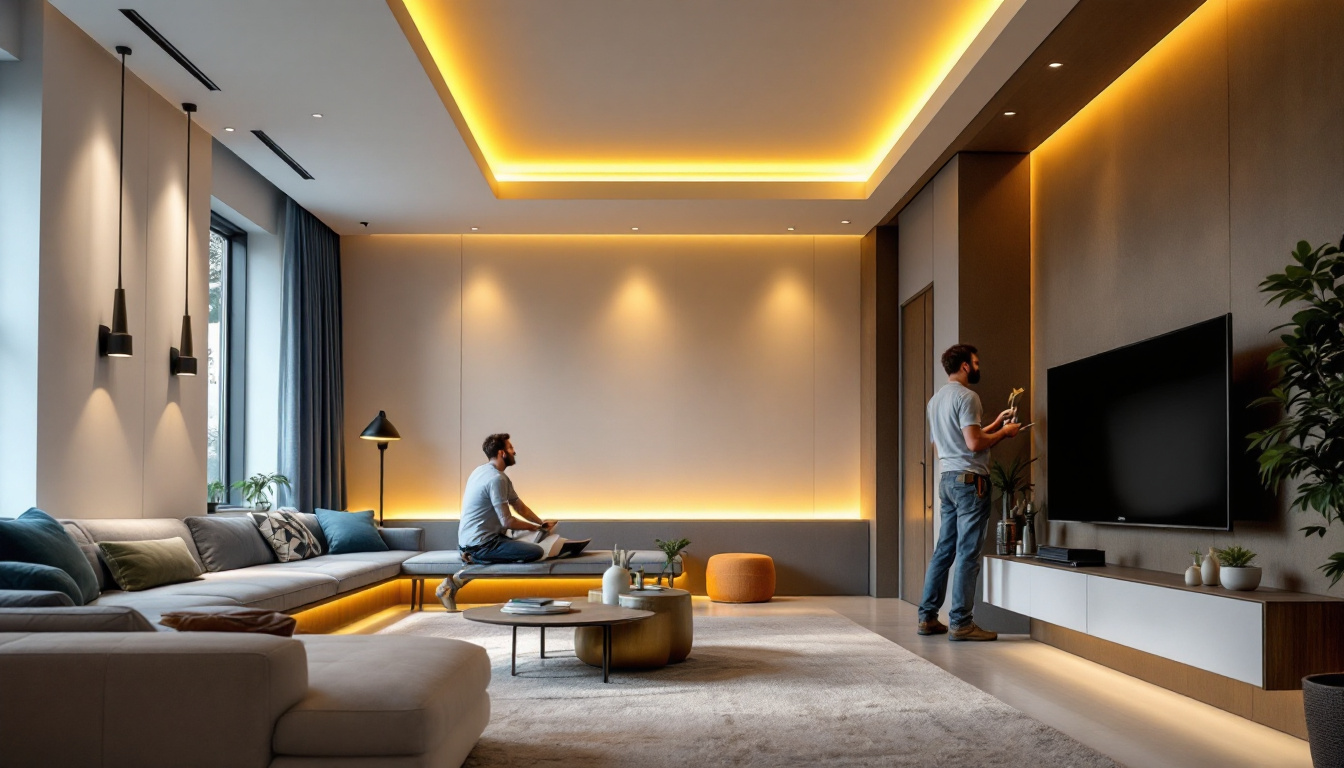
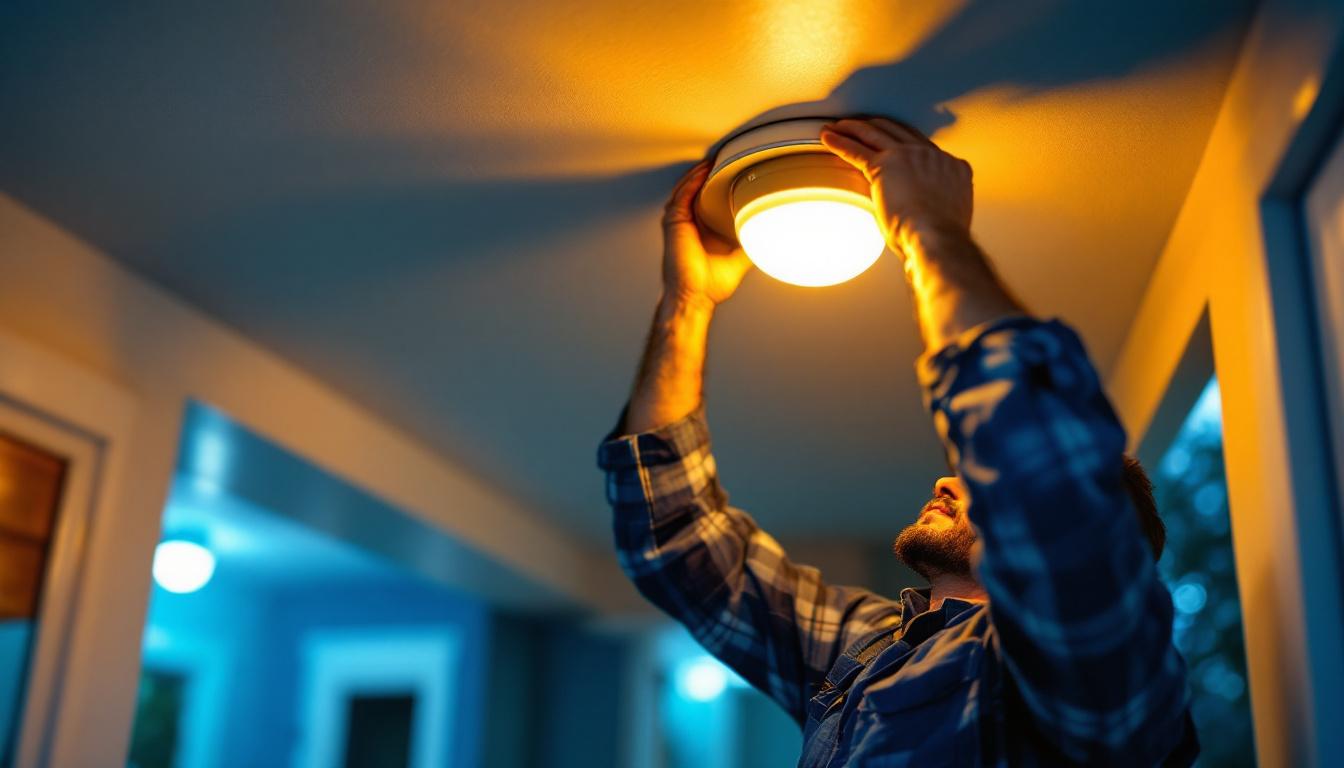
Understanding the Role of Suspended Ceilings in Modern Lighting
Suspended ceilings, also known as drop ceilings, have become a staple in commercial and residential construction. For lighting contractors, these ceilings present both opportunities and challenges. They create a concealed space for electrical wiring and fixtures, allowing for clean, streamlined lighting installations that enhance aesthetics and functionality.
However, the integration of lighting systems with suspended ceilings demands precision. The ceiling grid and tiles can impact light distribution, fixture compatibility, and maintenance access. Recognizing these factors early in the design and installation process is crucial to delivering a lighting solution that performs well and lasts.
Why Suspended Ceilings Matter to Lighting Contractors
Suspended ceilings offer a versatile platform for a variety of lighting types, including recessed, surface-mounted, and pendant fixtures. They also facilitate the installation of energy-efficient LED panels and smart lighting controls. For contractors, this means the ability to tailor lighting solutions to client needs while optimizing for energy use and visual comfort.
Moreover, suspended ceilings help in managing acoustics, HVAC integration, and fire safety systems, all of which can influence lighting choices. A comprehensive understanding of these interactions ensures lighting contractors can anticipate potential issues and work collaboratively with other trades.
In addition to their functional benefits, suspended ceilings can also play a significant role in the overall design aesthetic of a space. With a variety of materials, colors, and textures available, contractors can create visually appealing environments that complement the architectural style of a building. For instance, using acoustic tiles in a conference room not only enhances sound quality but also allows for creative lighting designs that can transform the atmosphere of the room. This ability to blend form and function is a key advantage for lighting professionals aiming to meet diverse client expectations.
Furthermore, the adaptability of suspended ceilings makes them ideal for spaces that may require future modifications. As businesses grow or change, the ability to easily access and adjust lighting fixtures without extensive renovations can save time and costs. This flexibility is particularly beneficial in educational institutions and corporate offices, where the needs of the space can evolve rapidly. By understanding the long-term implications of their designs, lighting contractors can provide solutions that not only meet immediate requirements but also accommodate future adjustments seamlessly.
Planning and Coordination: The Foundation of Successful Installations
Effective planning is the cornerstone of any lighting project involving suspended ceilings. Before installation begins, contractors should engage with architects, ceiling installers, and electrical engineers to align on design specifications and installation sequences. This collaborative approach not only ensures that everyone is on the same page but also fosters a sense of ownership among all parties involved, which can lead to innovative solutions and a smoother workflow throughout the project.
Early Collaboration with Ceiling Installers
Lighting fixtures often require precise cutouts or support within the ceiling grid. Coordinating with ceiling installers helps avoid conflicts such as misaligned tiles or insufficient support for heavier fixtures. This collaboration can prevent costly rework and delays. By discussing the layout early on, contractors can also explore aesthetic considerations, such as how the lighting will interact with the ceiling design and overall ambiance of the space.
For example, specifying the exact dimensions and weight of lighting fixtures allows ceiling installers to reinforce grid sections accordingly. Additionally, understanding tile materials and thickness can influence fixture mounting methods and thermal management. The choice of materials can also affect the acoustic properties of the ceiling, which is particularly important in spaces like offices or auditoriums where sound quality is paramount. By addressing these factors early, teams can create a more cohesive and functional design that meets both aesthetic and practical needs.
Electrical Planning and Access Considerations
Suspended ceilings provide a hidden plenum for wiring, but this space can be crowded with HVAC ducts, sprinkler systems, and other utilities. Lighting contractors must map out cable routes and access points meticulously to maintain serviceability. This planning phase is crucial, as it can significantly impact the efficiency of the installation process and the long-term functionality of the lighting system.
Installing junction boxes and access panels in strategic locations facilitates future maintenance without disturbing ceiling tiles unnecessarily. Documenting these locations in as-built drawings is a best practice that saves time and money down the line. Moreover, considering the potential for future upgrades or changes in technology is essential; planning for additional circuits or smart lighting controls can enhance the adaptability of the space. By anticipating these needs, contractors can provide solutions that not only meet current requirements but also accommodate future advancements, ensuring that the installation remains relevant and efficient for years to come.
Choosing the Right Lighting Fixtures for Suspended Ceilings
Not all lighting fixtures are created equal when it comes to compatibility with suspended ceilings. Selecting the right type depends on factors such as ceiling tile size, grid configuration, and the desired lighting effect. Additionally, the purpose of the space plays a crucial role in determining the appropriate lighting solution. For instance, a commercial office may require bright, even lighting for productivity, while a restaurant might benefit from softer, ambient lighting to create a welcoming atmosphere.
Recessed Troffers and LED Panels
Recessed troffers are popular for their clean look and efficient light distribution. Modern LED panels designed for suspended ceilings come in standardized sizes, typically 2×2 or 2×4 feet, matching common ceiling tile dimensions. This standardization simplifies installation and replacement, making it easier for contractors to source and install fixtures without delays. Furthermore, the sleek design of recessed fixtures allows for a minimalist aesthetic, which is increasingly favored in contemporary interior design.
LED technology has transformed troffer lighting, offering longer lifespans, lower energy consumption, and improved color rendering. Contractors should prioritize fixtures with high efficacy and compatibility with dimming controls to meet client expectations for comfort and energy savings. Moreover, the ability to customize lighting levels can enhance the functionality of a space, allowing users to adjust brightness for different activities, such as meetings or presentations, thereby maximizing the utility of the environment.
Surface-Mounted and Pendant Fixtures
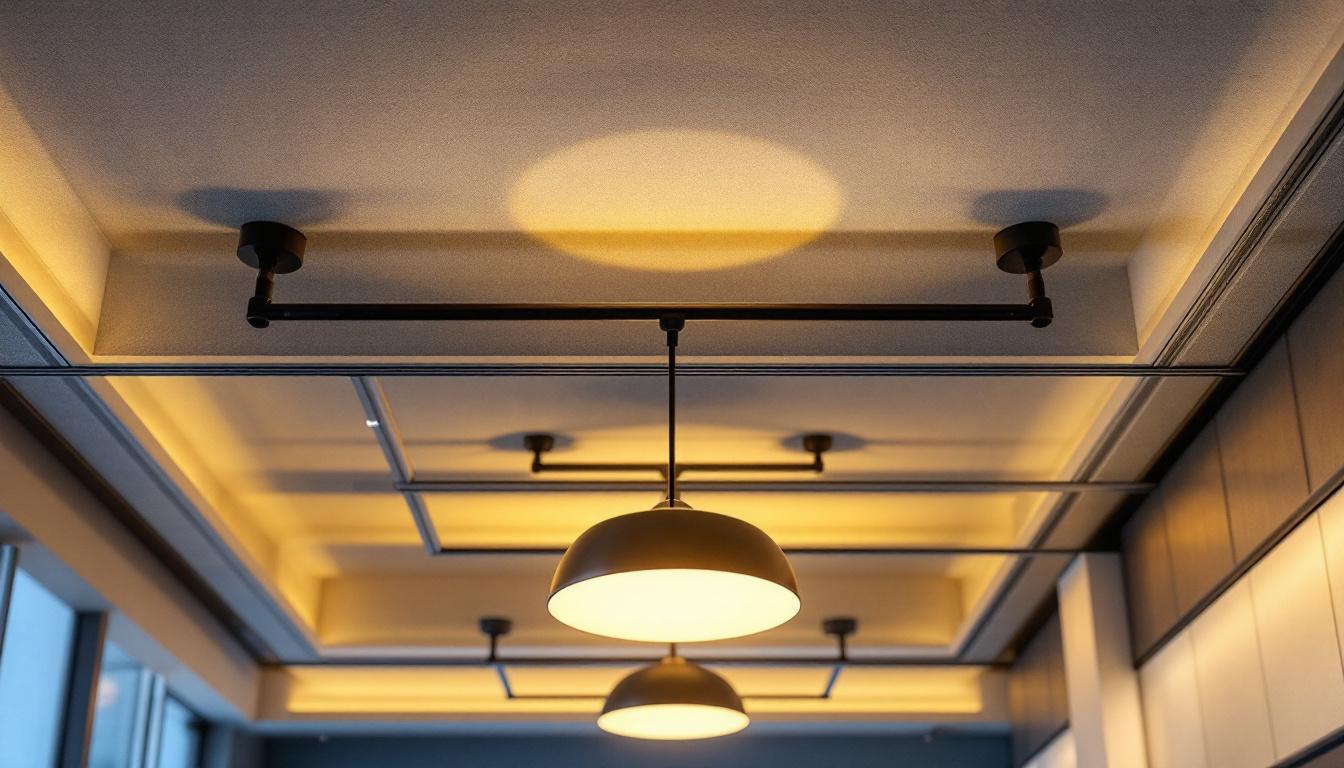
In spaces where recessed lighting is impractical due to ceiling height or structural constraints, surface-mounted or pendant fixtures are viable alternatives. These fixtures can be attached directly to the ceiling grid or suspended from it, adding design flexibility. Surface-mounted fixtures often come in various styles and finishes, making them suitable for diverse design themes, from industrial to modern chic. They can also be strategically placed to highlight specific areas, such as artwork or architectural features, enhancing the overall ambiance of the space.
When installing pendant lights, contractors must ensure secure anchoring to the structural ceiling above, not just the suspended grid, to support the fixture’s weight safely. This often requires coordination with structural engineers or ceiling installers. Additionally, pendant lights can serve as statement pieces, drawing attention and adding character to a room. The height at which they are hung can also influence the perception of space; lower-hanging fixtures can create intimacy in dining areas, while higher placements can maintain an open feel in larger spaces. Choosing the right finish and bulb type for pendant fixtures can further enhance their aesthetic appeal and functionality, making them a versatile choice for various applications.
Installation Best Practices for Lighting in Suspended Ceilings
Precision and attention to detail during installation can make a significant difference in the performance and longevity of lighting systems integrated with suspended ceilings.
Accurate Layout and Alignment
Marking fixture locations on the ceiling grid before installation helps maintain alignment and symmetry, which are critical for aesthetic appeal and uniform light distribution. Using laser levels or layout software can improve accuracy, especially in large or complex spaces.
Ensuring that fixtures sit flush with ceiling tiles prevents gaps that can disrupt the ceiling’s visual continuity and may affect acoustics or air flow.
Secure Mounting and Support
Lighting fixtures must be securely fastened to prevent sagging or displacement over time. For heavier fixtures, additional support brackets or framing may be necessary. Contractors should verify that the ceiling grid can handle the load or arrange for reinforcement.
Using manufacturer-recommended mounting hardware and following local building codes ensures safety and compliance. It’s also important to consider vibration and movement, especially in buildings prone to seismic activity.
Thermal Management and Ventilation
LED fixtures generate less heat than traditional lamps but still require adequate ventilation to maintain optimal operating temperatures. Poor thermal management can reduce fixture lifespan and performance.
Contractors should avoid enclosing fixtures tightly within ceiling tiles and allow for air circulation in the plenum space. Consulting fixture specifications for clearance requirements helps prevent overheating issues.
Maintenance and Troubleshooting in Suspended Ceiling Lighting
Ease of maintenance is a key advantage of lighting systems integrated with suspended ceilings. However, it requires thoughtful planning during installation and clear documentation.
Access for Repairs and Upgrades
Lighting contractors should ensure that ceiling tiles around fixtures can be easily removed without damage. This facilitates quick access for bulb replacement, cleaning, or upgrading to newer technologies.
Labeling circuits and providing clear wiring diagrams simplifies troubleshooting and reduces downtime. In commercial settings, minimizing disruption to occupants during maintenance is a significant consideration.
Common Issues and Solutions
Flickering lights, uneven illumination, and fixture misalignment are frequent complaints related to suspended ceiling lighting. These problems often stem from loose connections, improper installation, or incompatible fixtures.
Regular inspections and preventive maintenance can catch issues early. For example, tightening electrical connections and verifying fixture alignment during routine checks can prevent more serious failures.
Energy Efficiency and Sustainability Considerations
Lighting contractors play a critical role in promoting energy-efficient and sustainable building practices through their work with suspended ceilings.
Leveraging LED Technology
Switching to LED fixtures in suspended ceilings can reduce energy consumption by up to 50% compared to traditional fluorescent lighting. LEDs also have longer lifespans, which lowers maintenance costs and waste.
Choosing products with certifications such as ENERGY STAR or DLC (DesignLights Consortium) ensures high performance and reliability.
Integrating Smart Controls
Occupancy sensors, daylight harvesting, and dimming controls can further optimize energy use in spaces with suspended ceilings. These technologies adjust lighting based on occupancy and natural light availability, enhancing comfort and reducing waste.
Lighting contractors should be familiar with control system integration and programming to deliver these benefits effectively.
Final Thoughts: Delivering Quality and Value
Successful lighting installations in contemporary suspended ceilings require a blend of technical knowledge, careful planning, and collaboration. Lighting contractors who master these best practices can provide clients with solutions that are not only visually appealing but also efficient, safe, and easy to maintain.
Staying current with industry trends, product innovations, and building codes ensures that contractors remain trusted partners in creating well-lit, comfortable environments.
Illuminate Your Projects with LumenWholesale
Ready to elevate your lighting installations with the best in the business? Look no further than LumenWholesale for all your suspended ceiling lighting needs. Our extensive selection of spec-grade lighting products promises unmatched quality and value, ensuring your projects shine with efficiency and style. Say goodbye to inflated markups and hello to hassle-free bulk buying with free shipping. Don’t compromise on quality or cost—choose LumenWholesale for superior lighting solutions that blend seamlessly with your expert installations. Wholesale Lighting at the Best Value is just a click away. Make the smart choice and partner with us today!