Introduction to the Evolving Lighting Landscape
The lighting industry is undergoing rapid transformation, driven by technological advancements, sustainability demands, and evolving customer expectations. For lighting contractors, staying ahead of these trends is essential not only to meet client needs but also to maintain a competitive edge in a crowded marketplace. With over 800 lighting products and technologies emerging annually, understanding which trends are shaping the industry can empower contractors to offer innovative solutions and optimize project outcomes.
From smart lighting systems to energy-efficient fixtures and design aesthetics that blend functionality with ambiance, the modern lighting contractor must navigate a complex array of options. This article explores the most significant trends impacting the lighting sector today, providing practical insights and actionable knowledge to help contractors thrive.
One of the most exciting developments in the lighting landscape is the rise of smart lighting technologies. These systems allow for unprecedented control over lighting environments, enabling users to adjust brightness, color, and even energy consumption through mobile apps or voice commands. The integration of IoT (Internet of Things) has further enhanced these capabilities, allowing for automation and remote management that can significantly improve energy efficiency and user experience. As consumers increasingly seek convenience and personalization in their living and working spaces, contractors who embrace smart lighting solutions will find themselves at the forefront of this trend, catering to a tech-savvy clientele eager for innovation.
Moreover, sustainability is no longer just a buzzword; it has become a fundamental principle guiding the lighting industry. With growing awareness of environmental issues, there is a strong push towards using sustainable materials and energy-efficient technologies. LED lighting, for instance, has gained immense popularity due to its long lifespan and reduced energy consumption compared to traditional incandescent bulbs. Additionally, many manufacturers are now focusing on creating products that are recyclable or made from recycled materials, aligning with the broader goals of reducing carbon footprints and promoting eco-friendly practices. Contractors who prioritize sustainable solutions not only contribute positively to the environment but also appeal to a growing demographic of environmentally conscious consumers who are willing to invest in green technologies. This dual focus on innovation and sustainability is reshaping the lighting landscape, presenting both challenges and opportunities for those in the industry.
Smart Lighting and IoT Integration
Rise of Connected Lighting Systems
Smart lighting has moved beyond novelty to become a standard expectation in residential, commercial, and industrial projects. The integration of Internet of Things (IoT) technology allows lighting systems to communicate with other devices, enabling features such as remote control, automated scheduling, and adaptive brightness based on occupancy or daylight availability.
For contractors, this means an increased demand for expertise in configuring and installing networked lighting controls. According to industry reports, smart lighting adoption is projected to grow significantly, with commercial buildings leading the way due to energy savings and enhanced user experience. As cities become more focused on sustainability, smart lighting solutions are also being integrated into urban infrastructure, providing not only illumination but also data collection for traffic management and public safety enhancements.
Benefits for Contractors and Clients
Smart lighting systems offer multiple advantages. Contractors can differentiate their services by offering tailored solutions that improve energy efficiency and user convenience. Clients benefit from reduced operational costs, enhanced security through programmable lighting scenarios, and the ability to integrate lighting with other building management systems. The ability to control lighting remotely via smartphones or voice-activated devices adds an element of convenience that is increasingly sought after in modern living and working environments.
Moreover, the modular nature of many smart lighting products allows for scalable installations, making it easier to upgrade or expand systems over time. This flexibility is particularly appealing in retrofit projects where existing infrastructure must be adapted. Additionally, smart lighting can contribute to a building’s overall aesthetic, with options for customizable colors and brightness levels that can create dynamic atmospheres for various occasions, from corporate events to intimate gatherings. As the technology continues to evolve, the potential for integrating smart lighting with artificial intelligence and machine learning opens up new avenues for personalization and efficiency, further enhancing the user experience and operational effectiveness.
Energy Efficiency and Sustainability
LED Technology and Beyond
Energy efficiency remains a top priority in lighting design and installation. Light Emitting Diode (LED) technology has revolutionized the industry by offering long-lasting, low-energy alternatives to traditional incandescent and fluorescent bulbs. LEDs consume up to 75% less energy and last 25 times longer, dramatically reducing maintenance and replacement costs. This shift not only benefits the environment by lowering carbon footprints but also provides significant financial savings for businesses and homeowners alike, making LED lighting an attractive option for a wide range of applications.
Contractors should be well-versed in the latest LED advancements, including tunable white lighting and improved color rendering indexes (CRI), which enhance visual comfort and aesthetic appeal. These innovations allow for dynamic lighting solutions that can adapt to various settings and activities, from enhancing productivity in office spaces to creating inviting atmospheres in hospitality environments. Additionally, emerging technologies such as organic LEDs (OLEDs) and laser-based lighting are beginning to influence high-end applications, offering new possibilities for design and performance. As the market evolves, staying informed about these advancements will enable contractors to provide cutting-edge solutions that meet diverse client needs.
Incorporating Sustainable Practices
Beyond product selection, sustainability encompasses responsible sourcing, waste reduction, and compliance with environmental standards. Many clients now seek lighting solutions that contribute to green building certifications such as LEED or WELL. Contractors who can demonstrate expertise in these areas add significant value to their proposals. This includes understanding the impact of materials used in lighting fixtures, as well as advocating for energy-efficient practices throughout the construction and renovation processes.
Recycling programs for lighting components and minimizing on-site waste are practical steps that contractors can implement. For instance, partnering with manufacturers that offer take-back programs for old fixtures can significantly reduce landfill contributions. Furthermore, advising clients on the lifecycle costs of lighting systems, including energy consumption and maintenance, supports informed decision-making aligned with sustainability goals. By presenting a comprehensive approach that includes energy audits and recommendations for smart lighting controls, contractors can position themselves as leaders in sustainable lighting solutions, ultimately fostering long-term relationships with environmentally conscious clients.
Design Trends Influencing Lighting Choices
Human-Centric Lighting
Human-centric lighting (HCL) focuses on the biological and psychological impacts of light on occupants. By mimicking natural daylight patterns and adjusting color temperature throughout the day, HCL can improve mood, productivity, and overall well-being. This trend is gaining traction in offices, healthcare facilities, and educational environments.
Lighting contractors must understand the principles of circadian rhythms and how to implement dynamic lighting controls that adapt to user needs. Incorporating HCL requires collaboration with architects and interior designers to ensure lighting complements the broader spatial and functional objectives.
Minimalist and Architectural Integration
Contemporary lighting design favors clean lines, subtle fixtures, and seamless integration with architectural elements. Lighting is no longer just a utility but a key component of interior design that enhances texture, color, and spatial perception.
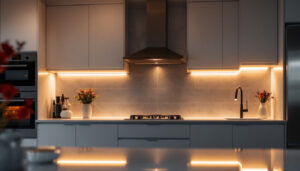
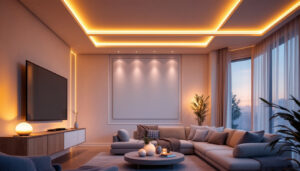
Contractors should be familiar with recessed lighting, cove lighting, and linear LED systems that provide indirect illumination without cluttering visual space. Mastery of these techniques enables the creation of environments that feel both modern and inviting.
Regulations and Safety Standards
Compliance with Evolving Codes
Lighting contractors must stay informed about changes in electrical codes and safety regulations that affect installation practices. National and local standards often update requirements related to energy efficiency, emergency lighting, and accessibility.
Non-compliance can lead to costly rework, legal liabilities, and damage to reputation. Investing in ongoing education and certification ensures contractors can confidently navigate regulatory landscapes and deliver compliant projects.
Focus on Emergency and Security Lighting
Emergency lighting systems are critical for occupant safety during power outages or hazardous situations. Advances in battery technology and LED efficiency have improved the reliability and performance of these systems.
Security lighting, integrated with surveillance and alarm systems, is also evolving. Contractors should be prepared to install lighting that supports comprehensive security strategies, including motion sensors and adaptive brightness controls.
Emerging Technologies and Future Outlook
Wireless Power and Li-Fi
Wireless power transfer for lighting fixtures is gaining momentum, reducing the need for extensive wiring and enabling more flexible installations. This technology simplifies retrofit projects and opens new design possibilities.
Li-Fi, or light fidelity, uses visible light for high-speed data transmission, potentially transforming lighting fixtures into communication hubs. While still in early adoption phases, contractors should monitor developments to anticipate future integration opportunities.
Customization and Smart Manufacturing
Advances in manufacturing, including 3D printing and modular components, allow for highly customized lighting solutions tailored to specific project requirements. Contractors who collaborate with manufacturers offering these capabilities can deliver unique designs that stand out in the market.
Conclusion: Embracing Change to Drive Success
The lighting industry’s dynamic nature demands that contractors continuously update their knowledge and skills. Embracing smart technologies, prioritizing energy efficiency, understanding design trends, and adhering to regulations are essential to meeting client expectations and enhancing project value.
By staying informed about the latest trends and innovations, lighting contractors can position themselves as trusted advisors and technical experts, ensuring long-term success in a competitive field. The future of lighting is bright for those ready to adapt and innovate.
Illuminate Your Projects with LumenWholesale
As you embrace the latest lighting trends and technologies, ensure your projects shine with top-quality, spec-grade lighting products from LumenWholesale. Our unbeatable wholesale prices and extensive selection are designed to meet the highest industry standards, giving you the confidence to tackle any lighting challenge. Say goodbye to inflated markups and hello to hassle-free bulk buying with free shipping. Elevate your lighting game and deliver superior value to your clients by choosing Wholesale Lighting at the Best Value with LumenWholesale.