Understanding the Role of Outdoor Electrical Connectors in Lighting Installations
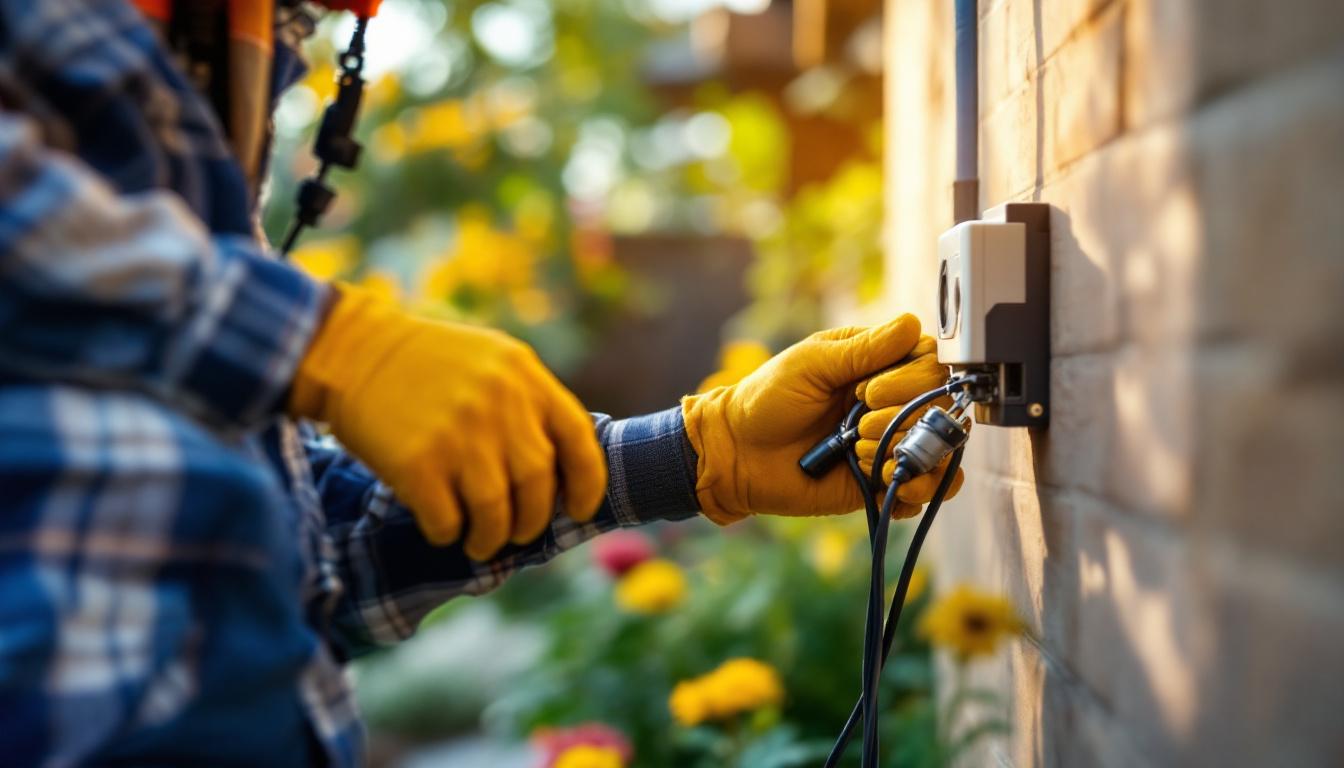
For lighting contractors, the importance of using the right outdoor electrical connectors cannot be overstated. These components serve as the critical junction points where electrical circuits are joined, ensuring a secure and weather-resistant connection. Unlike indoor connectors, outdoor connectors must withstand a range of environmental factors including moisture, temperature fluctuations, UV exposure, and physical wear. The materials used in these connectors are specifically designed to resist corrosion and degradation, which can be caused by prolonged exposure to the elements. For instance, connectors made from thermoplastic elastomers (TPE) or those with silicone seals provide enhanced durability and protection against water ingress, making them ideal for outdoor applications.
Outdoor lighting systems, whether for residential landscapes, commercial properties, or public spaces, rely heavily on these connectors to maintain consistent performance and safety. A failure in the connector can lead to flickering lights, short circuits, or even hazardous electrical faults. Therefore, understanding the specifications and proper application of outdoor electrical connectors is essential for any lighting contractor aiming to deliver reliable and code-compliant installations. Moreover, the right connectors can also facilitate easier maintenance and upgrades in the future, as they often come with features that allow for quick disconnection and reconnection without compromising the integrity of the electrical system. This is particularly beneficial in installations that may require seasonal adjustments, such as holiday lighting or temporary event setups, where flexibility and reliability are paramount.
Additionally, the choice of outdoor electrical connectors can significantly influence the overall efficiency of the lighting system. High-quality connectors can minimize energy loss, ensuring that the maximum amount of power reaches the lighting fixtures. This not only enhances the brightness and effectiveness of the lights but can also contribute to lower energy bills in the long run. Furthermore, with the increasing trend towards smart lighting solutions, many outdoor connectors are now designed to be compatible with advanced technologies, enabling seamless integration with smart controllers and sensors. This evolution in connector design reflects the growing demand for energy-efficient and user-friendly outdoor lighting solutions, making it imperative for contractors to stay informed about the latest advancements in the field.
Key Features of Outdoor Electrical Connectors
Weather Resistance and Durability
Outdoor electrical connectors must be designed to resist water ingress, dust, and corrosion. Most connectors intended for outdoor use come with an IP (Ingress Protection) rating, which indicates their ability to withstand environmental elements. For example, an IP68 rating means the connector is dust-tight and can endure continuous immersion in water, making it ideal for installations in wet or submerged conditions.
Durability also means resistance to UV rays and temperature extremes. Prolonged exposure to sunlight can degrade plastics and rubber materials, causing brittleness or cracking. High-quality connectors use UV-stabilized materials and robust seals to maintain integrity over time. Additionally, connectors may be subjected to mechanical stress from wind, snow, or ice, necessitating designs that can withstand these forces without compromising functionality. Some manufacturers even incorporate reinforced housings or strain relief features to further enhance the resilience of their connectors against harsh outdoor conditions.
Ease of Installation and Maintenance
Lighting contractors often work under tight schedules and challenging conditions. Connectors that are simple to install without compromising safety or reliability save time and reduce labor costs. Features such as tool-free assembly, clear polarity markings, and quick-lock mechanisms enhance efficiency on the job site. The ability to quickly connect and disconnect without specialized tools not only speeds up the installation process but also minimizes the risk of errors that can lead to costly rework.
Additionally, connectors designed for easy maintenance and inspection allow contractors to troubleshoot and service lighting systems with minimal disruption. Reusable connectors that can be disconnected and reconnected without damage are particularly valuable in commercial or public lighting where periodic maintenance is routine. Some advanced connectors even come with built-in indicators that signal proper connection, further aiding in the maintenance process by allowing technicians to quickly verify that systems are operational without extensive testing.
Compatibility and Electrical Performance
Connectors must be compatible with the wire gauges, voltage ratings, and current loads of the lighting system. Using connectors rated for lower voltages or currents than required can result in overheating or failure. Conversely, over-specifying connectors can increase costs unnecessarily. It is crucial for installers to have access to detailed specifications and compatibility charts to ensure that the connectors chosen will perform optimally within the intended application.
Moreover, connectors should maintain low contact resistance to ensure efficient power transfer and prevent voltage drops. High-quality connectors use corrosion-resistant metals such as tin-plated copper or brass contacts to maintain consistent electrical performance. In addition to material quality, the design of the contact points plays a significant role in performance. Connectors that feature spring-loaded or self-cleaning contacts can provide better connectivity over time, especially in environments where dirt and moisture may accumulate, ensuring that electrical systems remain reliable and efficient even in the face of challenging outdoor conditions.
Why Proper Outdoor Connectors Are Critical for Safety and Compliance
Preventing Electrical Hazards
Outdoor lighting installations are exposed to moisture and physical damage, which can create conditions conducive to electrical faults. Improper or substandard connectors can allow water ingress, leading to short circuits, ground faults, or even electrical fires. For lighting contractors, ensuring the use of connectors that meet or exceed safety standards is a fundamental responsibility.
Ground fault circuit interrupters (GFCIs) and other protective devices rely on properly installed connectors to function correctly. Failure to use appropriate connectors can compromise these safety mechanisms, putting property and lives at risk. Additionally, the environmental factors that outdoor installations face, such as UV exposure and temperature fluctuations, can degrade inferior connectors over time, making them even more susceptible to failure. Regular inspections and maintenance of these connectors are essential, as they can reveal early signs of wear and tear that could lead to hazardous situations if left unaddressed.
Meeting Industry Standards and Codes
Electrical codes such as the National Electrical Code (NEC) in the United States specify requirements for outdoor electrical installations, including the use of connectors rated for wet locations. Lighting contractors must be familiar with these codes to ensure their work passes inspection and avoids costly rework.
Using certified connectors that comply with standards from organizations like UL (Underwriters Laboratories) or CSA (Canadian Standards Association) provides assurance of quality and regulatory compliance. This not only protects contractors legally but also enhances their professional reputation. Furthermore, staying updated with the latest changes in electrical codes and standards is crucial, as these regulations evolve to address new technologies and safety concerns. Engaging in continuous education and training can empower contractors to make informed choices about the products they use, ultimately leading to safer installations and greater client satisfaction.
Choosing the Right Outdoor Electrical Connector for Different Lighting Applications
Landscape and Garden Lighting
Landscape lighting often involves low-voltage systems, which require connectors that can handle moisture and soil contact while maintaining a discreet appearance. Waterproof quick-connect fittings with silicone seals are popular choices, allowing for easy expansion or modification of lighting layouts.
Because landscape lighting is frequently exposed to irrigation systems, connectors must be resistant to water jets and chemical fertilizers. Lighting contractors should select connectors specifically designed for these conditions to prevent premature failure.
Commercial and Architectural Lighting
Commercial lighting installations may involve higher voltages and more complex wiring configurations. Connectors used in these settings need to support higher current loads and often require locking mechanisms to prevent accidental disconnection.
Architectural lighting can also demand connectors that accommodate multiple conductors or specialized cable types. Lighting contractors should evaluate connector options for compatibility with the specific lighting fixtures and control systems used.
Street and Public Area Lighting
Street lighting systems are exposed to harsh environmental conditions and vandalism risks. Connectors for these applications must be highly robust, tamper-resistant, and capable of withstanding temperature extremes and heavy rain or snow.
Many municipalities require connectors with specific certifications and warranty terms to ensure long-term reliability. Lighting contractors working on public projects should verify these requirements during the planning phase.
Best Practices for Installation and Maintenance of Outdoor Electrical Connectors
Proper Preparation and Handling
Before installation, lighting contractors should inspect connectors and cables for damage, ensuring clean and dry conditions to maximize seal effectiveness. Stripping wires to the correct length and avoiding nicks or cuts in the conductor insulation is crucial for a secure connection.
Using the correct tools for crimping or tightening connectors ensures consistent contact pressure and reduces the risk of loose connections, which can cause arcing or overheating.
Sealing and Protection
Applying dielectric grease or sealant to connectors can enhance moisture resistance and prevent corrosion. Additionally, protecting connectors with conduit, junction boxes, or protective covers adds a layer of defense against physical damage and environmental exposure.
Lighting contractors should also ensure that connectors are installed in locations that minimize direct exposure to water accumulation or mechanical stress.
Routine Inspection and Testing
Regular inspection of outdoor connectors is essential to identify signs of wear, corrosion, or loosening before failures occur. Testing with a multimeter or specialized electrical testers can verify continuity and detect potential faults.
Implementing a maintenance schedule based on the environment and usage patterns helps prolong the lifespan of outdoor lighting systems and reduces downtime.
Conclusion: Elevating Lighting Installations Through Quality Outdoor Electrical Connectors
For lighting contractors, the choice and application of outdoor electrical connectors are foundational to the success of any exterior lighting project. Beyond simply joining wires, these connectors safeguard electrical performance, ensure compliance with safety standards, and protect investments in lighting infrastructure.
By prioritizing weather-resistant, durable, and code-compliant connectors, lighting professionals can deliver installations that perform reliably over time, reduce maintenance costs, and enhance client satisfaction. Staying informed about connector technologies and best practices empowers contractors to meet the evolving demands of outdoor lighting projects with confidence and expertise.
Get Your Premium Outdoor Electrical Connectors at LumenWholesale
Ready to enhance your lighting installations with connectors that combine quality, durability, and cost-efficiency? Look no further than LumenWholesale. Our extensive selection of spec-grade outdoor electrical connectors is designed to meet the highest industry standards, ensuring your projects shine with reliability and performance. With unbeatable wholesale prices and the convenience of free shipping on bulk orders, you can equip your lighting projects with the best without breaking the bank. Elevate your lighting installations today by visiting Wholesale Lighting at the Best Value and discover the LumenWholesale difference—where quality, affordability, and contractor satisfaction converge.