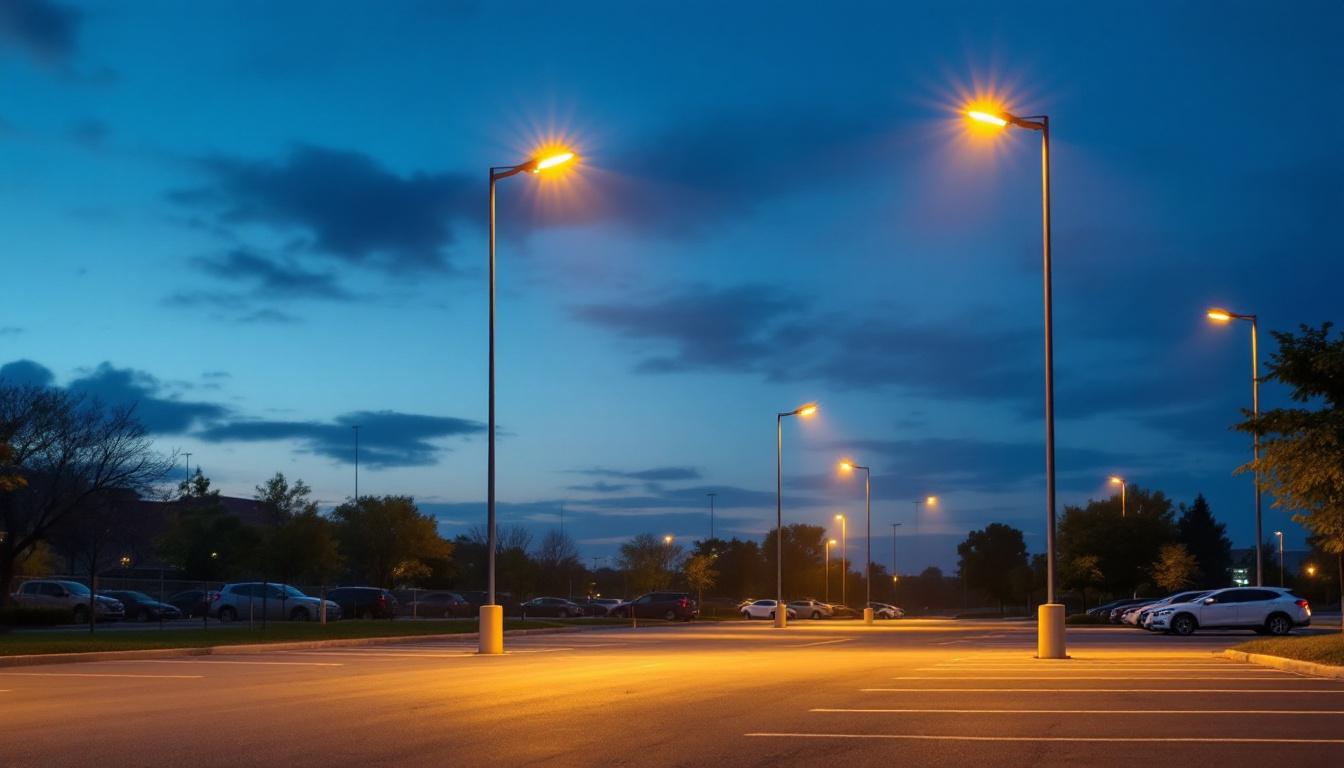
Understanding the Importance of Efficient Parking Lot Lighting
Parking lot lighting plays a critical role in ensuring safety, security, and accessibility in commercial, municipal, and residential environments. For lighting contractors, delivering effective illumination solutions while managing project costs is a constant balancing act. The poles that support parking lot lights are not merely structural components; they significantly influence installation expenses, maintenance costs, and energy efficiency over the lifecycle of the lighting system.
Given the competitive nature of the lighting industry, contractors who master cost-saving strategies related to parking lot light poles can enhance their project proposals, improve client satisfaction, and increase profitability. This article explores practical approaches to reduce costs without compromising quality or performance.
One of the key considerations in the design and installation of parking lot lighting is the selection of the right type of light pole. Different materials, such as aluminum, steel, and fiberglass, offer varying benefits and drawbacks in terms of durability, aesthetic appeal, and cost. For instance, while aluminum poles are lightweight and resistant to corrosion, steel poles may provide greater strength and longevity, albeit at a higher initial investment. Understanding the specific environmental conditions and usage patterns of the parking lot can help contractors make informed decisions that align with both budget constraints and performance expectations.
Moreover, advancements in LED technology have revolutionized the landscape of parking lot lighting. LED fixtures not only consume significantly less energy compared to traditional lighting options, but they also have a longer lifespan, which translates to lower maintenance costs over time. By integrating smart lighting controls, such as motion sensors and dimming capabilities, contractors can further enhance energy efficiency and reduce operational costs. These innovative solutions not only contribute to a more sustainable approach to lighting but also provide clients with a compelling selling point when discussing the long-term benefits of their investment.
Choosing the Right Pole Material and Design
Material Selection: Steel, Aluminum, or Composite?
The choice of pole material directly impacts both upfront costs and long-term durability. Steel poles are traditionally favored for their strength and affordability, but they require regular maintenance to prevent corrosion, especially in harsh environments. Aluminum poles, while more expensive initially, offer superior corrosion resistance and lighter weight, which can reduce transportation and installation expenses.
Composite poles, made from fiberglass or polymer blends, are emerging as an alternative with benefits such as minimal maintenance and resistance to environmental degradation. However, their higher material costs and limited availability can be a barrier. In addition to these factors, the environmental impact of each material should also be considered. For instance, aluminum is often recycled, which can mitigate some of its initial carbon footprint, while steel, though recyclable, may require more energy to process.
Lighting contractors should evaluate the site conditions, expected lifespan, and client budget when selecting pole materials. For example, in coastal areas where salt corrosion is prevalent, aluminum or composite poles may provide better value despite higher initial costs. Furthermore, understanding the local climate and potential weather events—such as heavy winds or snow loads—can influence the choice of pole material, as certain materials may perform better under specific conditions.
Optimizing Pole Height and Configuration
Determining the appropriate pole height is essential to achieving optimal light distribution while minimizing the number of poles required. Taller poles can illuminate larger areas, potentially reducing the total number of fixtures and poles. However, they also entail higher costs for materials, installation, and maintenance equipment. Additionally, the visual impact of taller poles on the surrounding landscape and community aesthetics must be considered, as excessively high poles can disrupt the natural view and create a sense of intrusion.
Consulting photometric studies and leveraging lighting design software can help contractors identify the best pole height and spacing. This approach ensures compliance with illumination standards and avoids over-lighting, which wastes energy and inflates costs. Moreover, integrating smart lighting technologies can enhance the functionality of pole configurations, allowing for adaptive lighting that adjusts based on real-time conditions or usage patterns. This not only improves energy efficiency but also enhances safety and security in public spaces, making the investment in advanced pole designs even more worthwhile.
Leveraging Advanced Lighting Technologies
LED Fixtures and Smart Controls
Integrating LED fixtures with parking lot light poles is a proven strategy to reduce energy consumption and maintenance frequency. LEDs have longer lifespans and higher energy efficiency compared to traditional high-pressure sodium or metal halide lamps. This translates into significant savings on electricity bills and replacement parts over time. Additionally, the quality of light produced by LEDs is often superior, providing better visibility and enhancing safety in parking areas, which is crucial for both pedestrians and vehicles.
Moreover, smart lighting controls such as motion sensors, dimmers, and centralized management systems enable dynamic lighting schedules. These technologies allow lights to operate at full brightness only when needed, further cutting energy costs and extending fixture life. The integration of smart technology not only optimizes energy use but also allows for real-time monitoring and adjustments, ensuring that lighting conditions can adapt to changing weather patterns or occupancy levels. This adaptability can lead to further reductions in energy consumption, making it an environmentally friendly choice.
Pre-Wired and Modular Pole Systems
Pre-wired poles and modular lighting systems streamline installation by reducing on-site labor and minimizing wiring errors. These systems come with integrated conduits and pre-installed wiring harnesses, allowing contractors to complete projects faster and with fewer complications. The ease of installation is particularly beneficial in large-scale projects where time is of the essence, enabling contractors to meet tight deadlines without compromising on quality.
Although pre-wired poles may have a higher initial purchase price, the savings in labor costs and reduced risk of rework often justify the investment. Contractors should assess project timelines and labor rates to determine if modular systems are cost-effective for their specific jobs. Additionally, the modular design allows for future upgrades or replacements without the need for extensive rewiring, making it a forward-thinking solution for evolving lighting needs. This flexibility can be particularly advantageous in urban environments where regulations and technology are continually changing, ensuring that the lighting infrastructure remains compliant and efficient over time.
Efficient Installation Practices
Site Preparation and Foundation Design
Proper site preparation is crucial for a smooth installation process. Conducting thorough soil analysis and selecting the right foundation type can prevent costly delays and structural issues. For instance, using pre-cast concrete foundations can speed up installation compared to poured-in-place options, especially in projects with tight schedules. Pre-cast foundations are not only quicker to install but also offer consistent quality and durability, which can be particularly beneficial in areas prone to harsh weather conditions.
Additionally, coordinating with civil engineers and utility providers early in the project helps avoid unexpected obstacles such as underground utilities or unstable soil conditions. Early engagement with these stakeholders allows for a comprehensive site assessment, which can lead to better planning and resource allocation. Furthermore, implementing a detailed site layout plan that includes all existing infrastructure can significantly streamline the installation process, ensuring that all team members are aware of potential hazards and logistical challenges before work begins.
Utilizing Specialized Equipment and Skilled Labor
Employing appropriate lifting equipment and trained personnel reduces the risk of damage to poles and fixtures during installation. Cranes, boom trucks, and aerial lifts designed for lighting installations improve safety and efficiency. These specialized tools not only enhance the precision of the installation but also allow crews to work at greater heights and reach difficult areas without compromising safety. Regular maintenance and inspections of this equipment are essential to ensure optimal performance and to prevent delays caused by mechanical failures.
Investing in workforce training ensures that crews are familiar with the latest installation techniques and safety protocols, minimizing downtime and costly mistakes. Additionally, ongoing training sessions can introduce new technologies and methods that enhance productivity. For example, utilizing augmented reality tools can help workers visualize the installation process and identify potential issues before they arise. By fostering a culture of continuous learning and adaptation, companies can maintain a competitive edge in the ever-evolving landscape of installation practices.
Maintenance Strategies to Extend Pole and Fixture Lifespan
Routine Inspection and Preventive Maintenance
Regular inspections of poles and fixtures help identify issues such as corrosion, loose fittings, or electrical faults before they escalate. Implementing a preventive maintenance schedule can extend the service life of lighting components and reduce emergency repair costs.
Contractors can offer maintenance contracts to clients, providing ongoing value and steady revenue streams while ensuring the lighting system remains in optimal condition.
Corrosion Protection and Surface Treatments
Applying protective coatings such as galvanization or powder coating enhances pole durability, especially in environments prone to moisture or chemical exposure. These treatments reduce the frequency of repainting and structural repairs, lowering total ownership costs.
Choosing poles with factory-applied coatings can save labor and material expenses compared to field-applied finishes.
Cost Management and Client Communication
Accurate Project Estimation and Budgeting
Developing detailed cost estimates that account for materials, labor, equipment, and contingencies helps contractors avoid budget overruns. Utilizing software tools for cost tracking and project management improves transparency and decision-making throughout the project lifecycle.
Providing clients with clear, itemized proposals that explain the benefits of recommended materials and technologies fosters trust and supports informed decision-making.
Value Engineering and Alternative Solutions
Engaging in value engineering exercises enables contractors to identify cost-saving alternatives without sacrificing quality. For example, suggesting standard pole heights or off-the-shelf fixtures can reduce lead times and procurement costs.
Offering phased installation plans or scalable lighting designs allows clients to manage upfront expenses and expand their systems as budgets permit.
Conclusion
For lighting contractors, mastering cost-saving strategies related to parking lot light poles is essential for delivering competitive and high-quality projects. By carefully selecting materials, leveraging advanced technologies, optimizing installation practices, and implementing proactive maintenance, contractors can significantly reduce both initial and ongoing expenses.
Effective communication with clients and meticulous project management further enhance profitability and customer satisfaction. Embracing these approaches positions contractors to thrive in a demanding market while contributing to safer, more energy-efficient parking lot environments.
Illuminate Your Projects with LumenWholesale
Ready to elevate your lighting projects while keeping costs down? Discover the LumenWholesale advantage and equip yourself with the finest spec-grade lighting products at unmatched wholesale prices. Say goodbye to middleman markups and hello to a vast selection of industry-standard, reliable lighting solutions. With free shipping on bulk orders, LumenWholesale is your go-to source for premium lighting without hidden fees. Make your next project shine brighter for less. Visit us now for Wholesale Lighting at the Best Value and experience the perfect fusion of quality, affordability, and convenience.