Understanding the Importance of Wall Mountable Lights in Modern Installations
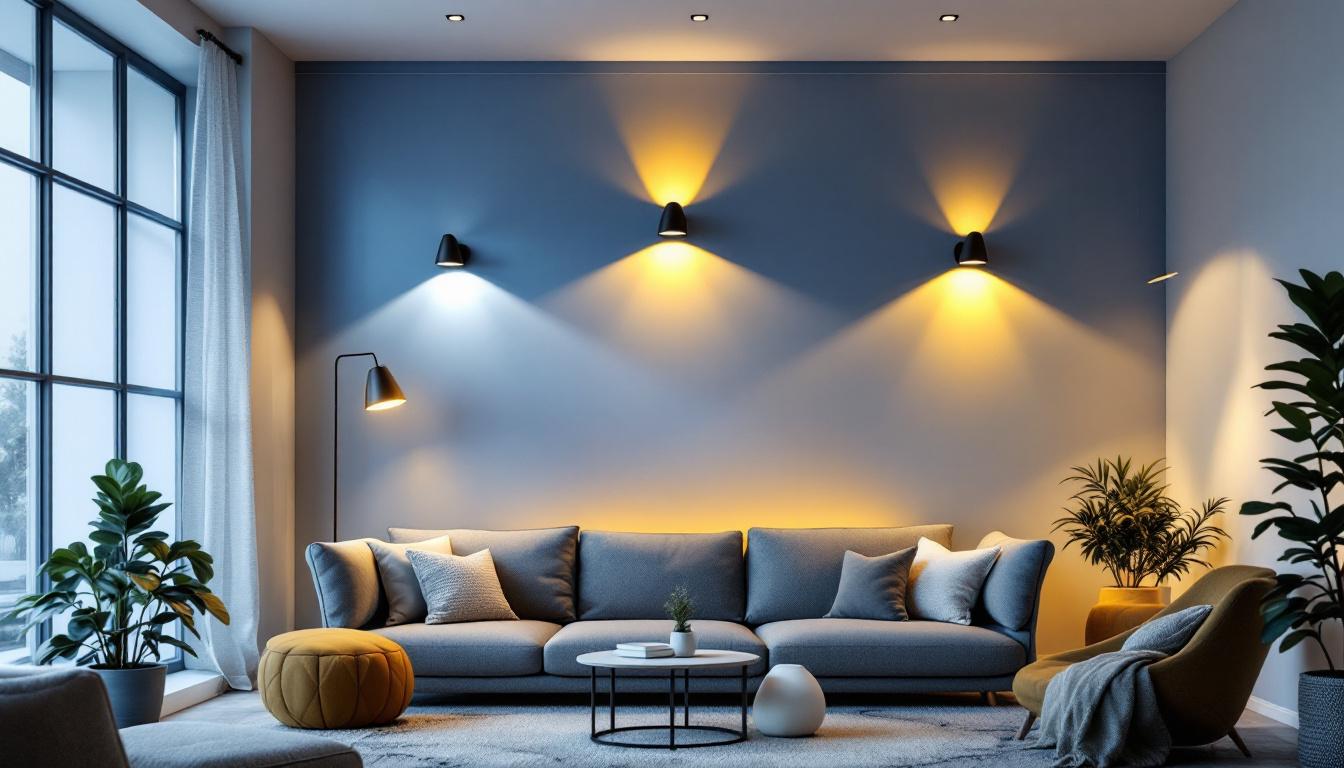
Wall mountable lights have become an essential component in both residential and commercial lighting projects. For lighting contractors, mastering their installation and selection is crucial to delivering efficient, aesthetically pleasing, and code-compliant lighting solutions. These fixtures not only provide functional illumination but also contribute significantly to the ambiance and safety of a space.
With advancements in LED technology and smart lighting controls, wall-mounted fixtures now offer more versatility than ever before. Whether it’s for accent lighting, task lighting, or general illumination, understanding the nuances of wall mountable lights ensures contractors can meet diverse client needs while maintaining high standards of workmanship.
Why Wall Mountable Lights Matter to Lighting Contractors
From a contractor’s perspective, wall mountable lights present unique challenges and opportunities. Proper installation affects not only the longevity of the fixture but also energy efficiency and user satisfaction. Furthermore, with increasing emphasis on sustainable building practices, selecting fixtures that comply with energy codes and reduce maintenance costs is a priority.
Additionally, wall mountable lights often serve as focal points in design schemes, requiring contractors to balance technical requirements with aesthetic considerations. This dual role makes it vital for contractors to stay updated on the latest products, installation techniques, and regulatory standards.
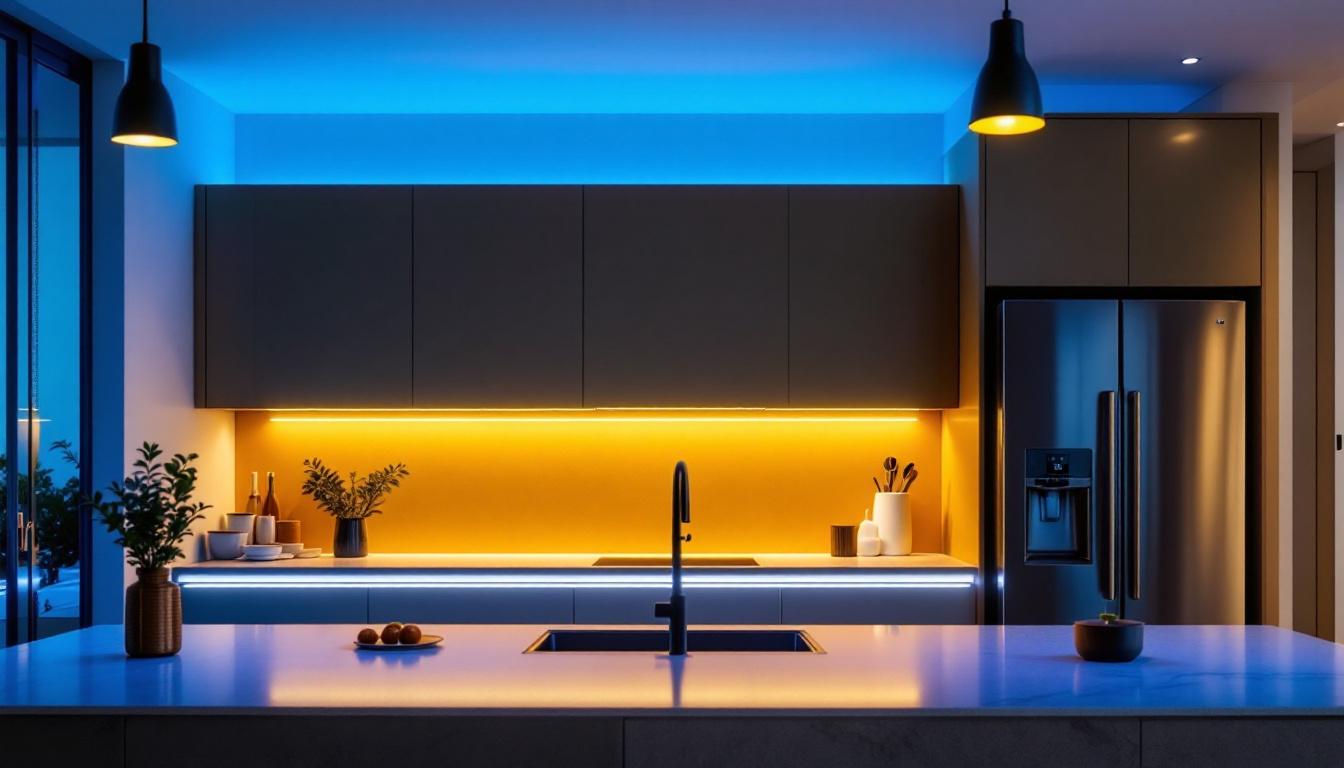
Moreover, the rise of smart home technology has transformed how wall mountable lights are integrated into modern installations. Many fixtures now come equipped with features like dimming capabilities, color temperature adjustments, and remote control options, allowing homeowners to customize their lighting experience. This not only enhances the functionality of the space but also adds a layer of convenience that clients increasingly expect. For contractors, understanding these technological advancements is essential to provide clients with the most innovative solutions that align with their lifestyle and preferences.
Furthermore, wall mountable lights can significantly impact the perception of space within both small and large environments. In compact areas, strategically placed wall lights can create an illusion of depth and openness, while in expansive settings, they can help delineate different zones or highlight architectural features. By leveraging the design potential of these fixtures, contractors can elevate the overall aesthetic appeal of a project, making it not just a functional installation but a work of art that resonates with the client’s vision.
Choosing the Right Wall Mountable Light Fixtures
Assessing the Application and Environment
Before selecting a wall mountable light, contractors should carefully evaluate the installation environment. Factors such as indoor versus outdoor placement, moisture exposure, and ambient lighting conditions influence fixture choice. For example, outdoor wall sconces require weatherproof ratings like IP65 or higher to withstand rain and dust, whereas indoor fixtures might prioritize design and light quality. Additionally, the surrounding architecture and landscape can dictate the style of the fixture; a sleek, modern design may be more appropriate for contemporary homes, while ornate fixtures might better suit traditional settings.
In commercial settings, considerations include compliance with safety codes and the need for durable materials that can handle high-traffic areas. In hospitality or residential projects, the focus might shift toward fixtures that complement interior design themes and provide customizable lighting options. It’s also essential to consider the intended use of the space; for instance, a cozy restaurant may benefit from softer, ambient lighting to enhance the dining experience, while a retail store might require brighter, more focused lighting to highlight products effectively. Understanding the nuances of each environment ensures that the selected fixtures not only meet functional needs but also enhance the overall aesthetic appeal.
Understanding Light Output and Color Temperature
Light output, measured in lumens, and color temperature, measured in Kelvins, are critical specifications that impact functionality and mood. For task-oriented wall lighting, such as in hallways or workspaces, higher lumen output and neutral white light (around 3500K to 4100K) are often preferred. Conversely, accent lighting may utilize lower lumens with warmer color temperatures (2700K to 3000K) to create inviting atmospheres. This distinction is particularly important in spaces where mood and functionality intersect, such as in home theaters or reading nooks, where softer, warmer lighting can enhance comfort and relaxation.
Contractors should also consider the fixture’s beam angle and distribution pattern. Narrow beam angles focus light on specific areas, ideal for highlighting artwork or architectural features, while wider angles provide more diffuse illumination suitable for general lighting. Additionally, the placement of fixtures can significantly affect their performance; strategically positioning lights to avoid shadows and ensure even distribution can transform a space. Understanding the interplay between light output, color temperature, and beam angle allows for a tailored lighting solution that meets both aesthetic and practical requirements.
Energy Efficiency and Control Compatibility
Energy efficiency remains a top priority in lighting projects. LED wall mountable lights consume significantly less power than traditional incandescent or halogen fixtures and have longer lifespans, reducing maintenance and replacement costs. Contractors should verify that chosen fixtures meet ENERGY STAR or equivalent certifications to ensure optimal performance. Furthermore, the environmental impact of lighting choices is becoming increasingly important, and selecting energy-efficient options contributes to sustainability goals while appealing to eco-conscious clients.
Moreover, compatibility with dimmers, occupancy sensors, and smart controls enhances energy savings and user convenience. Selecting fixtures with integrated controls or those that support popular protocols like DALI or Zigbee can future-proof installations and appeal to tech-savvy clients. As smart home technology continues to evolve, incorporating adaptable lighting solutions can significantly enhance user experience, allowing for personalized settings that align with individual preferences. This adaptability not only improves functionality but also adds a layer of sophistication to any lighting design, making it a worthy consideration for modern projects.
Installation Best Practices for Wall Mountable Lights
Pre-Installation Planning and Safety Considerations
Thorough planning is the foundation of any successful lighting installation. Contractors should begin by reviewing architectural drawings and electrical plans to identify optimal fixture locations, mounting heights, and wiring routes. Coordination with other trades, such as drywall installers and painters, helps prevent conflicts and ensures a seamless finish.
Safety is paramount during installation. Contractors must adhere to local electrical codes, including proper grounding, circuit protection, and use of approved junction boxes. Personal protective equipment (PPE) and lockout/tagout procedures minimize risks when working with live circuits.
Mounting Techniques and Hardware Selection
Wall mountable lights require secure attachment to various substrates, including drywall, masonry, or wood. Selecting the correct anchors and fasteners based on wall material is essential to prevent fixture loosening or damage. For heavier fixtures, toggle bolts or expansion anchors may be necessary, while lighter sconces might only require plastic anchors or screws.
Ensuring the fixture is level and flush against the wall contributes to a professional appearance. Using a level and measuring tools during installation helps achieve precise alignment. Additionally, contractors should verify that mounting boxes are properly recessed or surface-mounted according to fixture design.
Wiring and Electrical Connections
Proper wiring is critical for both safety and functionality. Contractors should use wire nuts or push-in connectors rated for the wire gauge and environment. Color coding must be followed meticulously: black or red for hot wires, white for neutral, and green or bare copper for ground.
When installing dimmable or smart fixtures, ensuring compatibility with control devices and verifying wiring configurations prevents operational issues. Testing circuits with a multimeter before energizing confirms correct installation and helps identify potential faults early.
Maintenance and Troubleshooting Tips for Contractors
Routine Inspection and Cleaning
Wall mountable lights require periodic maintenance to sustain performance and appearance. Contractors should advise clients on regular cleaning to remove dust, dirt, and insect debris, especially for outdoor fixtures. Using a soft cloth and mild detergent prevents damage to finishes and lenses.
Inspecting fixtures for signs of corrosion, loose connections, or damaged wiring helps catch problems before they escalate. Tightening screws and replacing worn components during routine service visits extends fixture lifespan and reduces emergency call-backs.
Common Installation Issues and Solutions
Lighting contractors often encounter challenges such as flickering lights, dimmers not working correctly, or uneven illumination. Flickering can result from loose wiring, incompatible dimmers, or voltage fluctuations. Ensuring all connections are secure and selecting compatible dimmer switches usually resolves these issues.
Uneven light distribution may stem from incorrect fixture placement or beam angle selection. Adjusting fixture orientation or swapping out lenses can improve uniformity. For smart lighting systems, firmware updates and resetting devices often address connectivity or control problems.
Upgrading and Retrofitting Existing Installations
Many clients seek to upgrade older wall-mounted lighting to more energy-efficient or aesthetically current options. Contractors should evaluate existing wiring and mounting infrastructure to determine retrofit feasibility. In some cases, replacing mounting boxes or reinforcing walls is necessary to accommodate new fixtures.
Offering solutions such as LED retrofit kits or smart lighting upgrades can add value and enhance client satisfaction. Providing clear estimates and explaining the benefits of modern technology helps clients make informed decisions.
Staying Ahead: Industry Trends and Continuing Education
Emerging Technologies in Wall Mountable Lighting
The lighting industry continues to evolve rapidly, with innovations such as tunable white LEDs, integrated sensors, and wireless control systems gaining traction. Contractors who familiarize themselves with these technologies can offer cutting-edge solutions that improve energy efficiency and user experience.
For instance, fixtures with adjustable color temperatures allow occupants to tailor lighting to different activities or times of day, enhancing comfort and productivity. Incorporating motion sensors and daylight harvesting controls further optimizes energy use.
Importance of Training and Certification
Ongoing education is vital for lighting contractors to maintain expertise and comply with changing codes and standards. Participating in manufacturer training sessions, industry workshops, and certification programs equips contractors with the knowledge to handle complex installations and troubleshoot effectively.
Certifications such as the Lighting Certified (LC) credential demonstrate a commitment to professionalism and can differentiate contractors in a competitive market. Staying informed about updates to the National Electrical Code (NEC) and local regulations ensures safe and compliant work.
Networking and Collaboration
Building relationships with manufacturers, designers, and other tradespeople enhances project outcomes and opens new business opportunities. Contractors who engage in industry forums, trade shows, and professional associations gain access to the latest product information and best practices.
Collaborative approaches often lead to innovative lighting designs and streamlined installation processes, benefiting both contractors and clients.
Conclusion: Mastering Wall Mountable Lighting for Success
For lighting contractors, expertise in wall mountable lights is a cornerstone of delivering high-quality, efficient, and visually appealing lighting solutions. By understanding fixture selection criteria, adhering to best installation practices, and committing to ongoing education, contractors can meet client expectations and adapt to evolving industry demands.
Embracing technological advancements and maintaining rigorous safety and quality standards not only enhances project outcomes but also strengthens professional reputation. Ultimately, well-executed wall mountable lighting installations contribute to safer, more comfortable, and energy-efficient environments, underscoring the vital role lighting contractors play in modern construction and renovation projects.
Illuminate Your Projects with LumenWholesale
Ready to elevate your lighting installations with the finest selection of wall mountable lights? At LumenWholesale, we provide lighting contractors with the high-quality, spec-grade lighting solutions you need to succeed. Our commitment to affordability means you can access premium products at wholesale prices, ensuring your projects shine without breaking the bank. Enjoy the convenience of bulk buying with free shipping and no hidden costs. Don’t settle for less; choose LumenWholesale for lighting that combines quality, value, and convenience. Discover our extensive range and take advantage of the best value in wholesale lighting by visiting Wholesale Lighting at the Best Value today.