Understanding Angled Beam Lighting: Fundamentals for Contractors
Angled beam lighting plays a pivotal role in both residential and commercial lighting design, offering flexibility and precision that straight beams cannot achieve. For lighting contractors, mastering the nuances of angled beams is essential to delivering installations that meet client expectations and comply with safety standards.
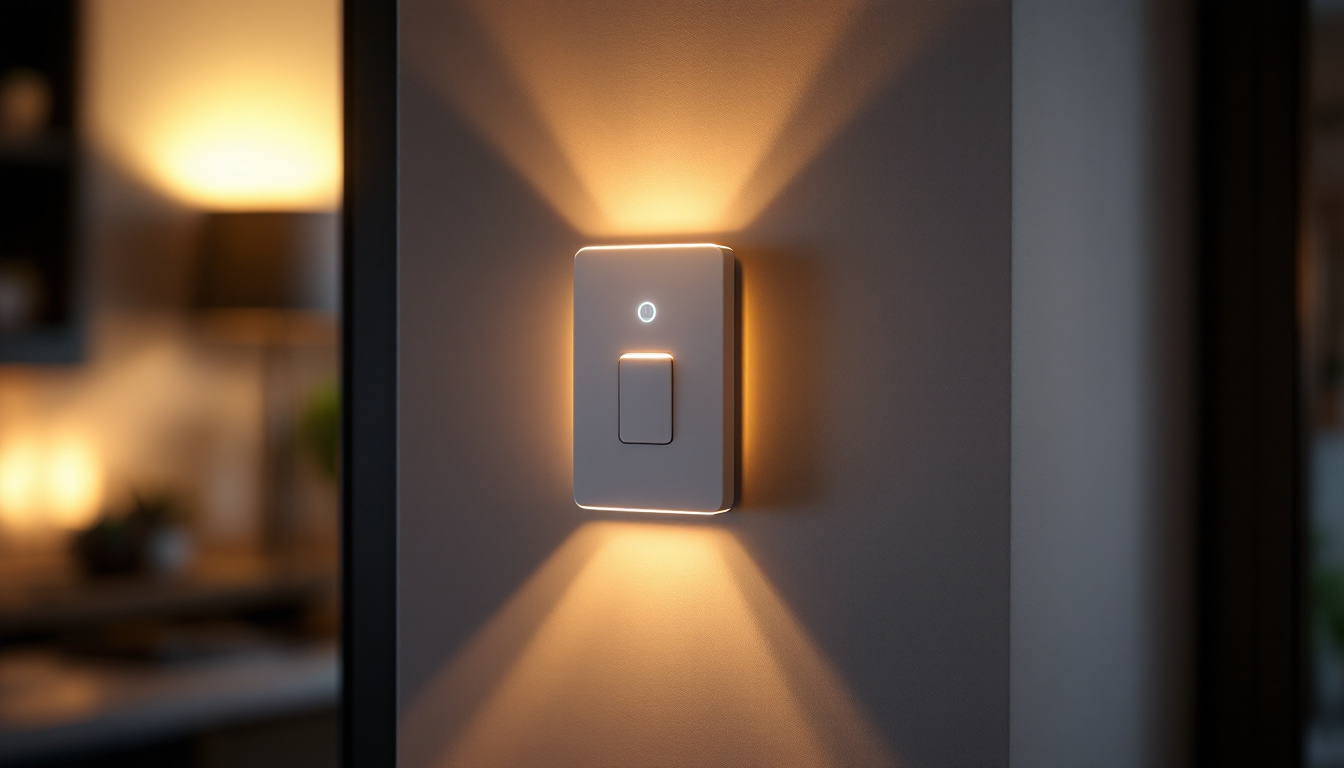
At its core, an angled beam refers to a light beam projected at a specific angle relative to a surface or fixture. This technique enhances depth, highlights architectural features, and controls glare. However, improper application can lead to uneven illumination, energy inefficiency, and client dissatisfaction.
Before diving into installation, contractors must understand beam angles, beam spread, and how these interact with fixture placement and room geometry. This foundational knowledge is critical to avoid costly errors and rework.
Furthermore, the choice of light source—whether LED, halogen, or fluorescent—can significantly influence the effectiveness of angled beam lighting. LEDs, for instance, offer a longer lifespan and lower energy consumption, making them a popular choice for modern installations. Understanding the color temperature of the light source is also vital, as warmer tones can create a cozy atmosphere in residential settings, while cooler tones may be more suitable for commercial spaces that require a more vibrant and alert environment.
Additionally, the use of dimmers and smart lighting controls can enhance the versatility of angled beam lighting. By allowing clients to adjust the intensity and color of the light, contractors can create dynamic spaces that adapt to different activities and moods. This adaptability not only increases client satisfaction but also promotes energy efficiency by enabling users to tailor their lighting needs throughout the day.
Common Mistakes in Angled Beam Lighting and How to Avoid Them
1. Misjudging Beam Angle and Spread
One of the most frequent mistakes lighting contractors make is miscalculating the beam angle required for a given space or task. Beam angles typically range from narrow spotlights (around 10°) to wide floodlights (up to 60° or more). Selecting an inappropriate beam angle can cause hotspots or insufficient coverage.
For example, using a narrow beam angle to illuminate a large wall will create uneven lighting with intense bright spots and dark shadows. Conversely, a wide beam angle in a focused task area may result in wasted light and glare. Contractors should carefully assess the room dimensions, surface reflectivity, and lighting goals before choosing fixtures.
Utilizing photometric data sheets and lighting design software can greatly improve accuracy when determining the optimal beam angle and spread. These tools provide detailed information on light distribution patterns, enabling contractors to visualize outcomes before installation. Additionally, experimenting with mock-ups or temporary setups can provide valuable insights into how different angles interact with the space, allowing for fine-tuning before final decisions are made.
2. Incorrect Fixture Placement and Orientation
Even the best beam angle can be undermined by poor fixture placement. Angled beam lighting requires precise orientation to achieve the desired effect. Placing fixtures too close or too far from the target surface can distort light distribution and reduce effectiveness.
For instance, mounting an angled beam fixture too close to a wall may cause harsh shadows and glare, while positioning it too far can dilute the light intensity and reduce contrast. Contractors should measure distances carefully and consider mounting height, tilt angle, and fixture type.
Additionally, ensuring that fixtures are securely mounted and properly aligned is crucial. Small deviations in angle can significantly alter the beam’s impact, especially in high-end architectural or retail lighting projects where visual precision is paramount. It can be beneficial to conduct a site survey prior to installation, assessing not only the physical space but also the potential interactions of light with various surfaces and materials, which can further inform the placement strategy.
3. Overlooking Glare and Light Pollution Control
Glare is a common issue with angled beam lighting, especially in environments requiring visual comfort such as offices, galleries, and hospitality venues. Excessive glare can cause eye strain and reduce the overall quality of the lighting design.
Lighting contractors must incorporate glare control measures such as using fixtures with built-in louvers, shields, or diffusers. Selecting the appropriate beam angle also helps minimize direct glare by directing light away from occupants’ line of sight.
Moreover, in outdoor angled beam applications, improper aiming can contribute to light pollution, affecting neighboring properties and the environment. Contractors should follow local regulations and best practices to mitigate these impacts, such as using cutoff fixtures and aiming lights downward. Additionally, implementing smart lighting solutions that adjust brightness based on ambient light levels can further enhance energy efficiency and reduce unnecessary glare, creating a more pleasant experience for both occupants and passersby.
Technical Considerations for Effective Angled Beam Installations
Understanding Photometric Data and Lighting Calculations
Photometric data is essential for predicting how a light fixture will perform in a given space. This data includes intensity distribution, beam angle, luminous flux, and color temperature. Lighting contractors should be proficient in interpreting these metrics to select the right fixtures and configure them properly. Understanding the nuances of color rendering index (CRI) is also vital, as it affects how colors appear under different lighting conditions. A higher CRI value indicates that the light source renders colors more accurately, which is particularly important in settings like art galleries or fashion retail, where color perception can significantly impact customer experience.
Calculations involving illuminance (measured in lux or foot-candles) help determine whether a lighting design meets the required standards for a space. For example, retail spaces typically require higher illuminance levels to highlight products, while residential areas may prioritize softer, ambient lighting. Furthermore, the concept of uniformity in lighting distribution cannot be overlooked; it ensures that there are no overly bright or dark spots within the illuminated area, which can distract or discomfort occupants. Achieving a balance between adequate brightness and visual comfort is key to effective lighting design.
Using lighting design software such as DIALux or AGi32 allows contractors to simulate angled beam installations, identify potential issues, and optimize fixture placement before physical installation. This proactive approach reduces errors and enhances client satisfaction. Advanced software tools can also incorporate factors like daylighting and occupancy patterns, providing a more comprehensive analysis of how artificial lighting interacts with natural light throughout the day. By simulating these dynamics, contractors can make informed decisions that lead to energy-efficient designs and improved user experiences.
Electrical and Safety Compliance
Lighting contractors must ensure that angled beam installations comply with electrical codes and safety standards. This includes proper wiring, grounding, and fixture mounting to prevent hazards such as electrical shock or fire. It’s crucial to stay updated with the latest National Electrical Code (NEC) regulations, as these guidelines evolve to address new technologies and safety concerns. Regular training and certification can help contractors remain compliant and knowledgeable about best practices in electrical safety.
Additionally, contractors should verify that fixtures are rated for the installation environment, including considerations for moisture, temperature, and dust exposure. Using fixtures with appropriate ingress protection (IP) ratings is critical, especially for outdoor or industrial angled beam lighting. This ensures that the fixtures can withstand environmental challenges and maintain performance over time. Moreover, incorporating surge protection devices can safeguard installations from voltage spikes caused by lightning or other electrical disturbances, further enhancing the longevity and reliability of the lighting system.
Regular inspections and maintenance plans should be established to ensure long-term performance and safety. Documenting installations and adhering to manufacturer guidelines also protect contractors from liability issues. Establishing a routine maintenance schedule not only prolongs the life of the fixtures but also helps in identifying potential issues before they escalate into costly repairs. Engaging clients with maintenance education can empower them to recognize early signs of wear or malfunction, fostering a proactive approach to lighting management.
Best Practices to Enhance Angled Beam Lighting Outcomes
Collaborate with Designers and Clients Early
Effective communication between lighting contractors, designers, and clients is vital for successful angled beam projects. Early collaboration helps clarify objectives, aesthetic preferences, and functional requirements.
Contractors should provide expert input on fixture options, beam angles, and mounting strategies to align with the overall design vision. Sharing mock-ups or simulations can facilitate informed decision-making and prevent costly changes during or after installation.
Invest in Quality Fixtures and Tools
Using high-quality lighting fixtures with reliable beam angle specifications ensures consistent and predictable results. Low-cost or generic fixtures may have inconsistent beam spreads or poor color rendering, undermining the design intent.
Additionally, investing in precision tools such as laser measuring devices, angle finders, and lighting meters enables contractors to execute installations with accuracy. These tools help verify alignment, beam angles, and illuminance on-site, reducing guesswork.
Plan for Flexibility and Adjustability
Spaces and lighting needs often evolve over time. Installing angled beam fixtures with adjustable mounts or swivel heads allows for easy reorientation without major modifications. This flexibility is particularly valuable in commercial settings where displays or layouts change frequently.
Contractors should recommend and install fixtures that support fine-tuning of beam direction and intensity, providing clients with adaptable lighting solutions that maintain effectiveness long-term.
Case Studies: Lessons from Real-World Angled Beam Installations
Retail Store Lighting: Balancing Highlight and Ambient Light
A prominent retail chain recently revamped its store lighting to enhance product visibility and customer experience. The lighting contractor selected angled beam fixtures with narrow beam angles to spotlight merchandise while integrating wider floodlights for ambient illumination.
Initially, the contractor faced challenges with glare on reflective surfaces and uneven light distribution. By recalibrating fixture angles and adding glare shields, the team achieved a balanced, inviting environment that increased customer engagement and sales.
Hospitality Venue: Creating Atmosphere with Layered Lighting
In a boutique hotel lobby, angled beam lighting was used to accentuate architectural details and artwork. The contractor collaborated closely with the interior designer to select fixtures that complemented the décor and provided adjustable beam angles for different events.
Attention to fixture placement and beam orientation prevented unwanted shadows and glare, resulting in a sophisticated ambiance praised by guests and staff alike. This project underscores the importance of precision and partnership in angled beam lighting.
Conclusion: Mastering Angled Beam Lighting for Optimal Results
For lighting contractors, avoiding common mistakes in angled beam lighting is key to delivering high-quality, efficient, and visually appealing installations. Understanding beam angles, fixture placement, glare control, and technical specifications empowers contractors to execute projects that satisfy both aesthetic and functional demands.
Adopting best practices such as early collaboration, investing in quality tools, and planning for adjustability further enhances outcomes and client satisfaction. By learning from real-world examples and continuously refining skills, lighting contractors can confidently tackle angled beam projects and elevate their professional reputation.
Illuminate Your Projects with LumenWholesale
Ready to take your angled beam lighting projects to the next level? At LumenWholesale, we provide lighting contractors with the high-quality, spec-grade lighting solutions you need to achieve flawless results. Say goodbye to local distributor markups and hello to our unbeatable wholesale prices, backed by an extensive selection that meets the highest industry standards. With free shipping on bulk orders, you can trust that you’re getting premium lighting at the best value — every time. Elevate your installations with the perfect blend of quality, affordability, and convenience. Visit LumenWholesale today and experience Wholesale Lighting at the Best Value for your next project.