Understanding Wall Motion Sensors and Their Role in Modern Lighting
In the evolving landscape of lighting technology, wall motion sensors have emerged as a pivotal component in creating intelligent, energy-efficient environments. For lighting contractors, mastering the integration of these sensors is essential not only to meet current client expectations but also to future-proof installations against rapid technological advancements.
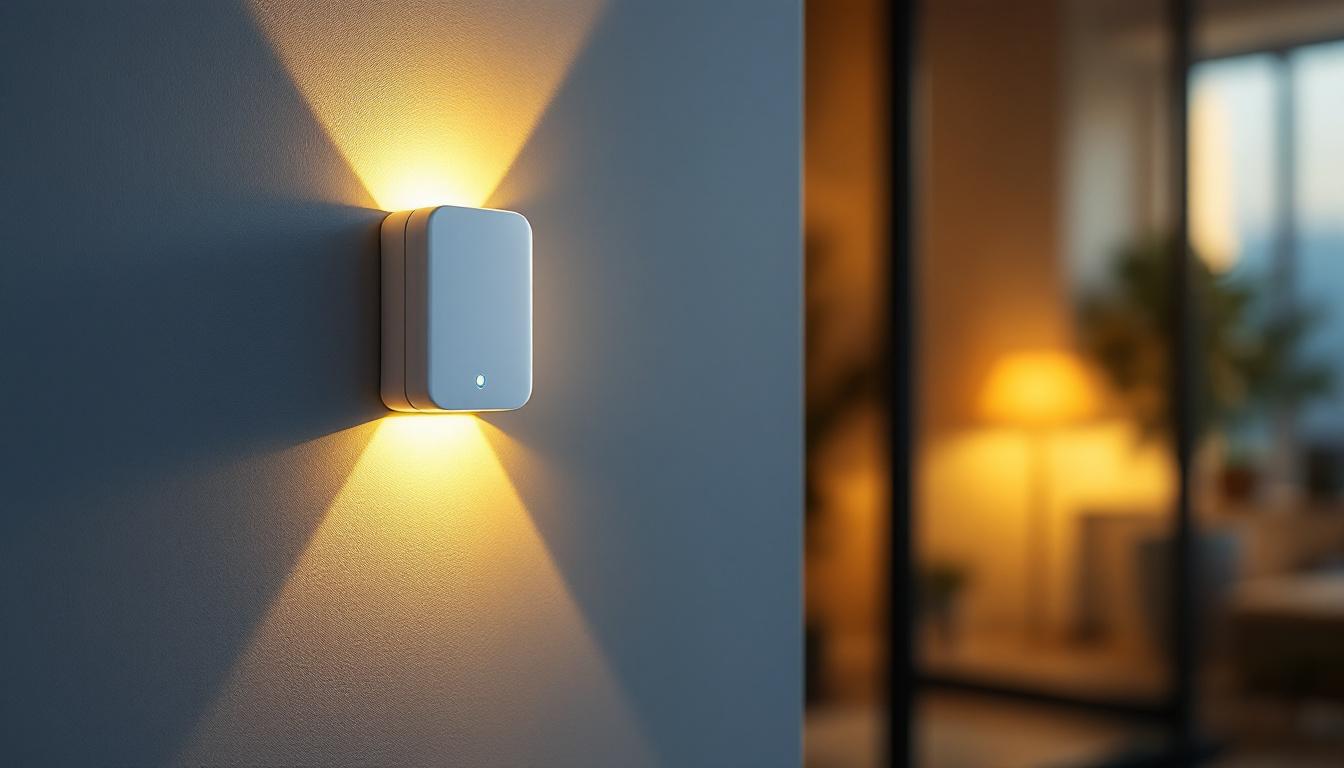
Wall motion sensors detect movement within a defined area and automatically control lighting fixtures accordingly. This capability reduces unnecessary energy consumption, enhances security, and improves user convenience. As sustainability and smart building trends continue to gain momentum, the demand for motion-activated lighting solutions is steadily increasing.
How Wall Motion Sensors Work
Wall motion sensors typically use passive infrared (PIR) technology, ultrasonic waves, or microwave detection to sense movement. PIR sensors detect heat emitted by people or animals, while ultrasonic and microwave sensors emit waves that reflect off moving objects. Each technology has its strengths and limitations, influencing placement, sensitivity, and application.
For lighting contractors, understanding these differences is crucial for specifying the right sensor type for each project. For instance, PIR sensors are highly energy-efficient and ideal for indoor use, whereas microwave sensors can penetrate walls and are better suited for larger or more complex spaces.
Moreover, the placement of these sensors is equally important. Strategically positioning them in areas with high foot traffic can maximize their effectiveness, ensuring lights are activated when needed and conserving energy when the space is unoccupied. Additionally, many modern sensors come equipped with adjustable sensitivity settings, allowing contractors to tailor their responsiveness to the specific environment, whether it’s a busy office corridor or a quiet residential hallway. This adaptability not only enhances user experience but also extends the lifespan of the lighting fixtures by reducing wear and tear from unnecessary activation.
Furthermore, the integration of wall motion sensors with smart home systems is revolutionizing how we interact with our living and working spaces. By connecting these sensors to a centralized control system, users can monitor and manage their lighting remotely, receive alerts when movement is detected, and even customize lighting schedules based on their routines. This level of control not only contributes to energy savings but also enhances security, as homeowners can simulate occupancy while away, deterring potential intruders. As technology continues to advance, the future of wall motion sensors looks promising, with innovations such as machine learning algorithms that can predict user behavior and optimize lighting patterns accordingly.
Key Benefits of Incorporating Wall Motion Sensors in Lighting Projects
Integrating wall motion sensors into lighting systems offers multiple advantages that align with the goals of modern construction and renovation projects. These benefits not only enhance the value proposition for clients but also position contractors as forward-thinking professionals.
Energy Efficiency and Cost Savings
One of the most compelling reasons to include wall motion sensors is their ability to significantly reduce energy consumption. By ensuring lights are only active when spaces are occupied, these sensors help decrease electricity bills and contribute to environmental sustainability. Studies have shown that motion-activated lighting can reduce energy use by up to 30% in commercial and residential settings.
For contractors, this translates into a strong selling point when discussing project benefits with clients, particularly those focused on green building certifications or long-term operational savings. Furthermore, the initial investment in motion sensor technology can often be recouped within a few years through these energy savings, making it a financially sound choice for both new builds and retrofits.
Enhanced User Experience and Convenience
Wall motion sensors improve the overall user experience by automating lighting control. This eliminates the need for manual switches, which can be inconvenient or inaccessible in certain environments. For example, in hallways, restrooms, or storage areas, motion-activated lighting ensures safety and comfort without requiring occupants to fumble for switches.
Additionally, the seamless operation of these sensors can be integrated with other smart building systems, offering clients a cohesive and modern environment. This integration can extend to smart home systems, allowing for personalized settings that adapt to the habits and preferences of the users. Imagine a scenario where the lights gradually brighten as someone enters a room, creating a welcoming atmosphere that enhances the overall experience.
Improved Security and Safety
Lighting controlled by motion sensors can act as a deterrent to unauthorized access and increase occupant safety. Automatically illuminating spaces when motion is detected can discourage intruders and reduce accident risks in poorly lit areas. This is particularly valuable in commercial buildings, parking garages, and outdoor pathways.
Moreover, the implementation of wall motion sensors can be crucial in emergency situations. For instance, in the event of a fire or other emergency, these sensors can help guide occupants to exits by illuminating pathways, thereby facilitating a safer and more efficient evacuation process. The combination of enhanced visibility and automatic lighting can significantly improve safety protocols, making these sensors an essential component of any comprehensive security strategy in both residential and commercial settings.
Design Considerations for Future-Proofing Lighting Projects with Wall Motion Sensors
To ensure that lighting installations remain relevant and adaptable, contractors must approach wall motion sensor integration with a strategic mindset. Future-proofing involves anticipating technological trends, client needs, and regulatory changes.
Choosing Scalable and Interoperable Sensor Systems
Future-proof lighting projects require sensors that can easily integrate with evolving smart building platforms. Selecting devices that support open communication protocols such as Zigbee, Z-Wave, or Bluetooth Mesh ensures compatibility with a wide range of control systems. This flexibility allows for upgrades and expansions without the need for complete hardware replacement.
Lighting contractors should prioritize sensors with firmware update capabilities, enabling performance improvements and security patches over time. This approach protects the investment and extends the useful life of the installation.
Optimizing Sensor Placement and Coverage
Proper sensor placement is critical to maximizing effectiveness and minimizing false triggers. Contractors should conduct thorough site assessments to identify high-traffic zones, potential obstructions, and environmental factors such as natural light levels and temperature fluctuations.
Using adjustable sensors that allow sensitivity tuning and coverage pattern customization can accommodate diverse space configurations. Additionally, combining wall-mounted sensors with ceiling-mounted or integrated fixture sensors can create layered detection strategies for comprehensive coverage.
Incorporating Advanced Features and Analytics
Modern wall motion sensors are increasingly equipped with features like daylight harvesting, occupancy analytics, and integration with building management systems. These capabilities enable dynamic lighting adjustments based on ambient light and occupancy patterns, further enhancing energy efficiency.
For contractors, offering solutions that include data analytics can differentiate their services by providing clients with actionable insights into space utilization and energy consumption trends.
Installation Best Practices for Reliable and Efficient Sensor Performance
Successful implementation of wall motion sensors depends on meticulous installation practices. Lighting contractors play a vital role in ensuring that sensors function as intended from day one.
Pre-Installation Testing and Calibration
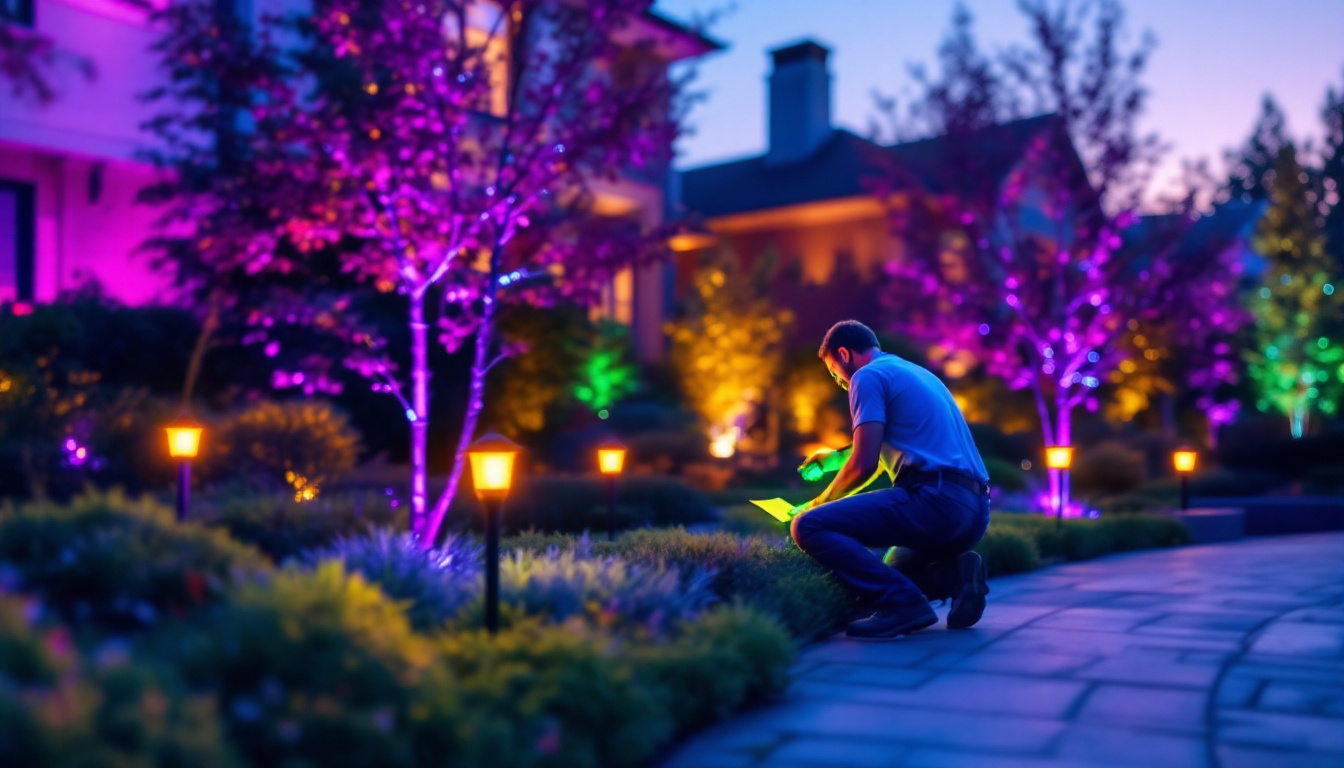
Before finalizing sensor placement, conducting functional tests helps identify optimal locations and settings. Calibration should consider the typical movement speed and size of occupants to reduce false positives or missed detections. This step is especially important in environments with pets, machinery, or HVAC systems that might trigger sensors inadvertently.
Wiring and Power Considerations
Ensuring that sensors are correctly wired and powered is fundamental to their reliability. Contractors should adhere to manufacturer guidelines and local electrical codes, using appropriate low-voltage or line-voltage configurations as required. Incorporating surge protection and grounding can prevent damage from electrical disturbances.
Documentation and Client Training
Providing comprehensive documentation on sensor operation, maintenance, and troubleshooting empowers clients to maximize the benefits of their lighting systems. Offering training sessions or instructional materials enhances user confidence and reduces service calls.
Emerging Trends Shaping the Future of Wall Motion Sensor Lighting
Staying informed about industry trends allows lighting contractors to anticipate client needs and maintain a competitive edge. Several innovations are poised to transform how wall motion sensors are utilized in lighting projects.
Integration with IoT and Smart Home Ecosystems
The convergence of lighting control with Internet of Things (IoT) platforms enables unprecedented levels of automation and customization. Wall motion sensors are increasingly part of interconnected systems that manage HVAC, security, and entertainment, creating holistic smart environments.
Contractors who develop expertise in IoT integration can offer clients sophisticated solutions that adapt to lifestyle changes and operational demands.
Advancements in Sensor Sensitivity and AI
Artificial intelligence and machine learning are enhancing sensor capabilities by enabling more accurate detection and predictive analytics. Future wall motion sensors may distinguish between different types of movement, such as distinguishing humans from pets or identifying specific user behaviors.
This level of intelligence can optimize lighting responses, improve security protocols, and contribute to personalized user experiences.
Focus on Sustainability and Regulatory Compliance
As environmental regulations tighten and sustainability becomes a core business value, lighting contractors must prioritize solutions that meet or exceed energy codes. Wall motion sensors contribute significantly to compliance with standards such as ASHRAE 90.1 and LEED certification requirements.
Offering energy-efficient, sensor-driven lighting systems positions contractors as leaders in sustainable building practices.
Conclusion: Positioning Lighting Projects for Long-Term Success
Wall motion sensors are more than just convenient devices; they are integral to the future of intelligent, sustainable lighting design. For lighting contractors, embracing these technologies with a focus on scalability, integration, and user-centric design is essential to delivering projects that stand the test of time.
By understanding sensor technologies, implementing best practices, and staying ahead of emerging trends, contractors can future-proof their lighting projects, enhance client satisfaction, and contribute to a greener, smarter built environment.
Illuminate Your Projects with LumenWholesale
Ready to elevate your lighting projects with the latest wall motion sensor technology? At LumenWholesale, we provide contractors like you with the highest quality, spec-grade lighting products at unbeatable wholesale prices. Say goodbye to local distributor markups and hello to a vast selection of reliable, high-performance lighting that meets the most rigorous industry standards. Plus, with free shipping on bulk orders, you can secure premium lighting solutions at the best value — all without hidden fees or compromises. Don’t miss out on the perfect blend of quality, affordability, and convenience. Make your next project a shining success with LumenWholesale. Wholesale Lighting at the Best Value.