Understanding the True Cost Beyond the Price Tag
When comparing fluorescent and LED lighting, many contractors focus first on the upfront cost. Fluorescent tubes often come with a lower initial price than LEDs, which can be tempting when bidding on projects with tight budgets. However, this narrow view misses critical factors that influence the total cost of ownership. Lighting contractors who overlook these elements risk underestimating expenses and delivering suboptimal value to clients.
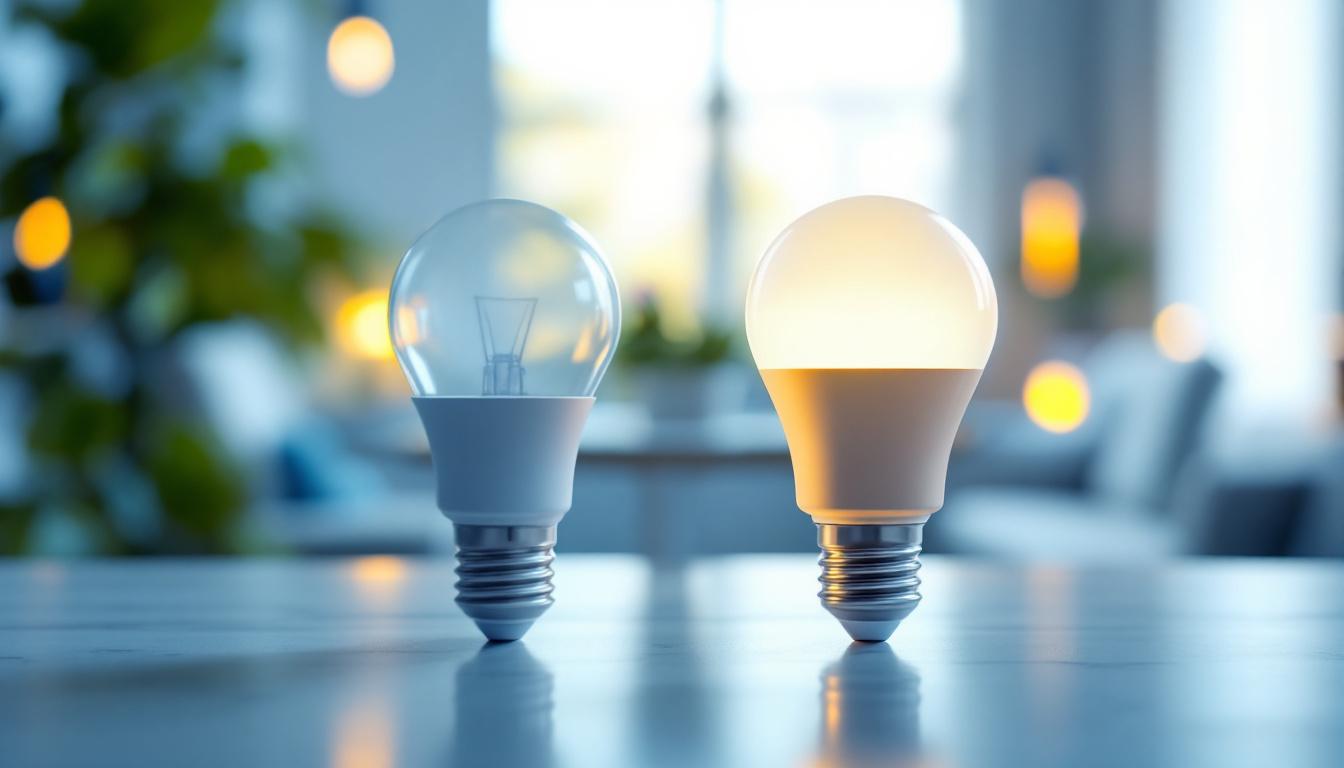
Fluorescent lamps typically cost less per unit, but their lifespan and energy consumption tell a different story. LEDs, though pricier upfront, offer longer service life and lower power usage, which translates into significant savings over time. For contractors, understanding these nuances is essential to making informed recommendations and accurate cost projections.
Moreover, the environmental impact of lighting choices cannot be ignored. Fluorescent lights contain hazardous materials like mercury, which necessitates careful disposal and poses potential health risks. In contrast, LEDs are free from toxic substances and are often recyclable, making them a more sustainable choice. This aspect not only aligns with growing consumer preferences for eco-friendly solutions but can also enhance a contractor’s reputation as a responsible and forward-thinking professional. By advocating for LEDs, contractors can contribute to a greener future while also appealing to clients who prioritize sustainability in their projects.
Additionally, the performance characteristics of LED lighting can significantly enhance the quality of a space. LEDs provide superior color rendering and can be tuned to emit various color temperatures, allowing for customized lighting solutions that enhance aesthetics and functionality. This versatility can be particularly advantageous in commercial settings, where the right lighting can improve employee productivity and customer experience. By educating clients about these benefits, contractors can position themselves as knowledgeable advisors, fostering trust and potentially leading to repeat business and referrals.
Energy Efficiency: The Game Changer
How Energy Consumption Impacts Operational Costs
Energy efficiency is a critical factor that often gets sidelined during initial cost comparisons. Fluorescent lights consume more electricity to produce the same amount of light as LEDs. For example, a standard 32-watt fluorescent tube may be replaced by an 18-watt LED tube providing equivalent brightness. Over the lifespan of the fixture, this difference adds up to substantial energy savings. In fact, studies have shown that switching to LED lighting can reduce energy consumption by up to 75%, translating into significant reductions in greenhouse gas emissions as well.
For commercial and industrial clients where lighting runs for extended hours daily, the difference in energy consumption can dramatically affect utility bills. Lighting contractors who emphasize energy-efficient solutions help clients reduce operational costs and meet sustainability goals, enhancing their professional reputation. Moreover, the longevity of LED fixtures, which can last up to 25,000 hours compared to the 7,000 hours typical of fluorescent lights, means fewer replacements and less waste, further contributing to cost savings and environmental stewardship.
Energy Rebates and Incentives
Many utility companies and government programs offer rebates or incentives for upgrading to energy-efficient lighting such as LEDs. These financial benefits can offset the higher initial cost of LED fixtures, improving the overall return on investment. Contractors who are familiar with these programs can assist clients in navigating the application process, adding value beyond installation. Additionally, some regions have implemented tax credits for businesses that invest in energy-efficient technologies, making the financial case for upgrading even more compelling.
Furthermore, as the market for energy-efficient products continues to grow, more innovative solutions are emerging. Smart lighting systems, which adjust brightness based on occupancy or natural light levels, are becoming increasingly popular. These systems not only enhance energy savings but also improve the overall user experience by providing optimal lighting conditions. By staying informed about the latest advancements in energy-efficient technologies, contractors can offer their clients cutting-edge solutions that not only save money but also promote a modern, sustainable approach to energy consumption.
Lifespan and Maintenance: Hidden Costs That Add Up
The Longevity Advantage of LEDs
Fluorescent lamps generally last between 7,000 to 15,000 hours, depending on usage and quality. In contrast, LEDs can operate for 50,000 hours or more under optimal conditions. This extended lifespan means fewer replacements, less labor, and reduced downtime for clients. For contractors, factoring in maintenance schedules and replacement costs is crucial when comparing lighting systems. The longevity of LEDs not only translates to cost savings but also enhances the overall efficiency of lighting systems, allowing businesses to focus on their core operations without the distraction of frequent lighting failures.
Maintenance expenses include not only the cost of new lamps but also labor, disposal fees, and potential disruption to business operations. Facilities like warehouses, retail stores, and offices benefit from fewer maintenance interventions, which can be a compelling selling point for LED installations. Moreover, the energy efficiency of LEDs contributes to lower utility bills, further offsetting initial investment costs. As businesses increasingly seek to optimize their operational budgets, the financial advantages of LEDs become even more pronounced, making them a smart choice for long-term planning.
Environmental and Disposal Considerations
Fluorescent lights contain mercury, a hazardous material that requires special handling and disposal procedures. This adds complexity and cost to maintenance routines. LEDs, by contrast, do not contain mercury and are generally easier to recycle. Contractors who highlight these environmental factors can appeal to clients prioritizing sustainability and regulatory compliance. The environmental impact of lighting choices is becoming a significant concern for many organizations, prompting them to seek out solutions that align with their corporate social responsibility goals.
Furthermore, the production and disposal of fluorescent lamps contribute to environmental pollution and health risks, which can lead to regulatory scrutiny for businesses that fail to manage them properly. In contrast, the use of LEDs not only mitigates these risks but also supports a circular economy by promoting recycling and reducing landfill waste. As awareness of environmental issues grows, businesses that adopt LED technology can enhance their brand image and demonstrate their commitment to sustainability, potentially attracting environmentally conscious customers and partners.
Quality of Light and Performance Factors
Color Rendering and Visual Comfort
Lighting quality affects not only aesthetics but also productivity and safety. LEDs typically offer superior color rendering index (CRI) values compared to fluorescents, meaning colors appear more natural and vibrant under LED illumination. This is particularly important in environments like retail, healthcare, and education where accurate color perception matters.
Additionally, LEDs provide instant full brightness without warm-up time, unlike fluorescents that may flicker or take time to reach full output. This immediate response enhances user experience and reduces eye strain, an important consideration for client satisfaction.
Compatibility and Installation Challenges
Switching from fluorescent to LED lighting is not always a simple drop-in replacement. LEDs often require compatible ballasts or may operate on direct line voltage, necessitating rewiring or fixture modifications. Contractors must assess existing infrastructure carefully to avoid costly mistakes or performance issues.
Understanding these technical nuances allows contractors to provide accurate estimates and avoid surprises during installation. It also positions them as knowledgeable professionals who can guide clients through complex upgrades.
Long-Term Financial Implications for Contractors and Clients
Calculating Total Cost of Ownership
Beyond initial purchase price, the total cost of ownership includes energy consumption, maintenance, replacement, disposal, and potential downtime costs. LEDs often outperform fluorescents in these areas, delivering lower lifetime expenses despite higher upfront investment.
Contractors who present clients with comprehensive cost analyses demonstrate transparency and build trust. Using tools such as lifecycle cost calculators or energy audits can help quantify these benefits and justify LED upgrades.
Impact on Project Bids and Client Relationships
Accurate cost assessments influence project bids and profitability. Underestimating maintenance or energy costs associated with fluorescents can lead to budget overruns and dissatisfied clients. Conversely, advocating for LED solutions with clear financial benefits can differentiate contractors in competitive markets.
Clients increasingly demand energy-efficient, sustainable solutions. Contractors who overlook these trends risk losing business to competitors who better understand the long-term value of LED lighting.
What Lighting Contractors Should Never Overlook
Client Priorities and Application Context
Not all projects benefit equally from LED upgrades. Contractors must consider client priorities such as budget constraints, aesthetic preferences, operational hours, and environmental goals. In some cases, fluorescents may still be appropriate, but these decisions should be informed by a thorough cost-benefit analysis.
Engaging clients in detailed discussions about lighting needs and total costs fosters better outcomes and reduces the likelihood of costly change orders or dissatisfaction later on.
Emerging Technologies and Market Trends
The lighting industry continues to evolve rapidly. Advances in LED technology have improved efficiency, color quality, and affordability. Meanwhile, new smart lighting controls and integration options offer additional energy savings and customization.
Contractors who stay informed about these developments can offer cutting-edge solutions that meet modern demands. Ignoring these trends may result in missed opportunities and obsolete recommendations.
Conclusion: Making Informed Choices for Long-Term Success
Fluorescent and LED lighting each have their place, but the real cost extends far beyond the sticker price. Energy consumption, maintenance, lifespan, environmental impact, and lighting quality all factor into the equation. Lighting contractors who dig deeper into these aspects provide clients with better value and position themselves as trusted advisors.
Embracing LED technology, understanding its nuances, and communicating its benefits clearly can lead to more successful projects, satisfied clients, and stronger business growth. The cost comparison is not just about dollars spent today but about savings and performance over years to come.
Illuminate Your Projects with LumenWholesale
Ready to elevate your lighting solutions and provide unmatched value to your clients? Choose LumenWholesale for your next project and experience the difference that quality, affordability, and convenience can make. Our spec-grade lighting products are designed to meet the highest industry standards, ensuring that you deliver reliable and high-performance lighting every time. Say goodbye to inflated markups and hello to unbeatable wholesale prices, complemented by the ease of bulk buying with free shipping. Don’t just take our word for it; explore our extensive selection and join the ranks of satisfied contractors who trust LumenWholesale for their lighting needs. Wholesale Lighting at the Best Value is just a click away.