Introduction to the 40 W Type G Bulb
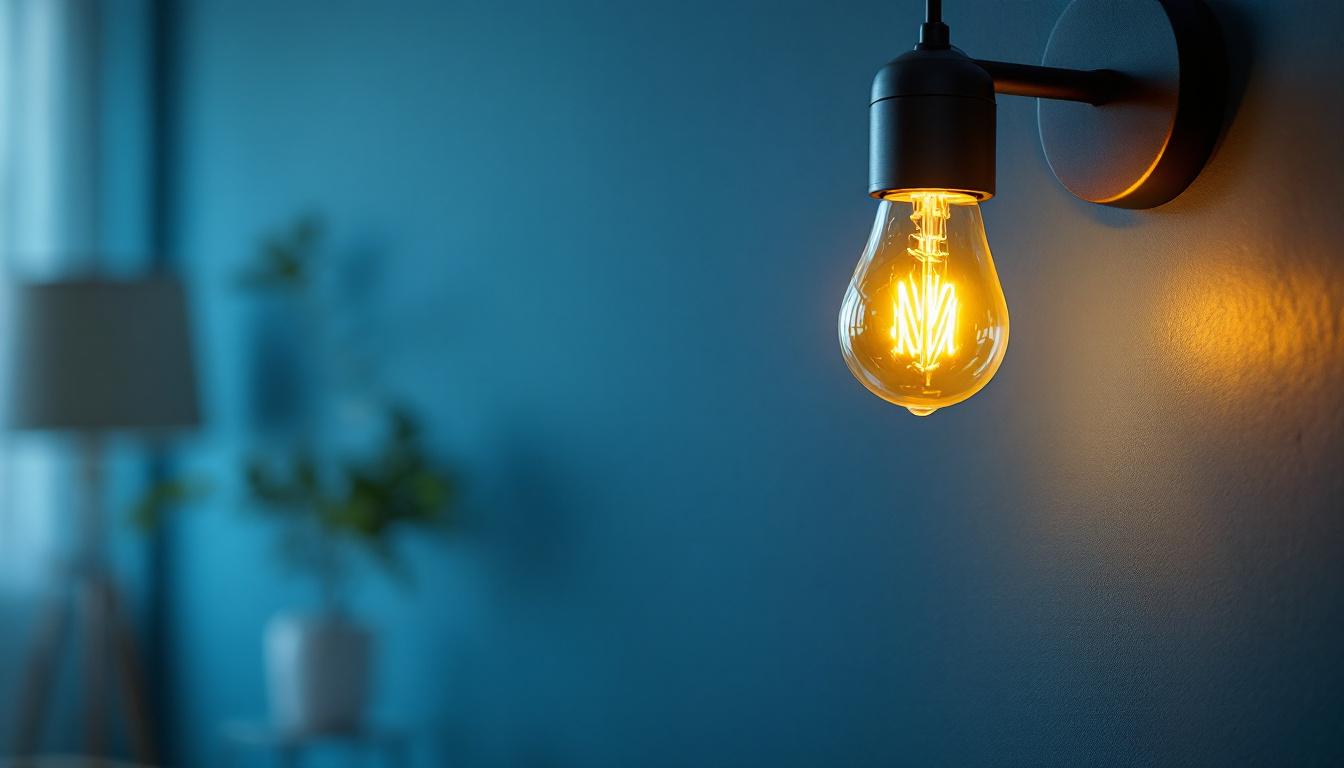
The 40 W Type G bulb has long been a staple in the lighting industry, especially among lighting contractors seeking reliable, cost-effective solutions. Characterized by its distinctive globe shape, the Type G bulb offers a unique blend of aesthetic appeal and functional lighting. Despite the rapid advancements in lighting technology, this bulb type continues to play a significant role in modern lighting designs.
Understanding the specifications and applications of the 40 W Type G bulb is essential for contractors aiming to deliver both quality and efficiency. This article explores the bulb’s characteristics, its evolving role in contemporary lighting, and practical considerations for its use in various projects.
One of the key features of the 40 W Type G bulb is its versatility. It can be used in a variety of settings, from residential spaces such as living rooms and dining areas to commercial environments like restaurants and boutiques. The soft, warm glow produced by this bulb creates an inviting atmosphere, making it a preferred choice for spaces where ambiance is paramount. Additionally, the Type G bulb is often used in decorative fixtures, such as chandeliers and pendant lights, where its shape enhances the overall design aesthetic.
Moreover, the 40 W Type G bulb is available in different finishes, including clear, frosted, and colored options, allowing for further customization in lighting design. This adaptability makes it an excellent choice for themed events or seasonal decorations where specific lighting effects are desired. As energy efficiency becomes increasingly important, many manufacturers are now producing LED equivalents of the Type G bulb, which not only reduce energy consumption but also boast a longer lifespan, making them an even more attractive option for contractors looking to balance performance with sustainability.
Technical Specifications and Design Features
Shape and Size
The Type G bulb is defined by its globe shape, typically spherical with a smooth, rounded surface. The “G” designation refers to this globe form, which is available in various diameters, commonly ranging from G25 to G40 and beyond. The 40 W Type G bulb often falls within the G25 or G30 size range, offering a balanced size suitable for both decorative and functional lighting.
This shape is particularly favored for applications where light dispersion and visual appeal are critical. The globe design allows for even light distribution, minimizing shadows and creating a soft, ambient glow that enhances the atmosphere of any space.
Wattage and Light Output
At 40 watts, this bulb provides a moderate level of illumination, making it ideal for settings that require sufficient brightness without excessive energy consumption. The light output typically ranges between 350 to 450 lumens, depending on the bulb’s efficiency and manufacturer specifications.
While 40 W may seem modest compared to higher wattage options, it strikes a practical balance for many residential and commercial applications. The wattage ensures compatibility with standard fixtures and dimmers, allowing for versatile use across different lighting scenarios.
Base Types and Compatibility
The 40 W Type G bulb commonly features an E26 or E27 screw base, which are standardized for easy installation in most fixtures. This compatibility simplifies replacement and integration into existing lighting systems, reducing downtime and labor costs for contractors.
Some variants may also come with bayonet or other specialty bases, but the screw base remains the most prevalent. Contractors should verify base compatibility to ensure seamless installation and optimal performance.
The Role of the 40 W Type G Bulb in Modern Lighting Solutions
Decorative and Ambient Lighting
The globe shape of the Type G bulb makes it a popular choice for decorative lighting. Its smooth, rounded form complements fixtures such as pendant lights, vanity mirrors, chandeliers, and outdoor lanterns. The 40 W version provides enough brightness to enhance ambiance without overpowering the space.
In hospitality and retail environments, these bulbs contribute to creating inviting atmospheres that encourage customer engagement and comfort. Their soft, diffused light is particularly effective in settings where harsh shadows or glare would detract from the overall design.
Energy Efficiency Considerations
While traditional incandescent 40 W Type G bulbs consume more energy compared to LED alternatives, many modern versions incorporate energy-saving technologies. For instance, halogen and compact fluorescent (CFL) Type G bulbs offer improved efficiency while maintaining the classic globe aesthetic.
Lighting contractors must weigh the benefits of using these bulbs against the growing demand for sustainability and energy conservation. In some cases, retrofitting existing fixtures with LED Type G bulbs can provide significant energy savings without compromising design integrity.
Integration with Smart Lighting Systems
The 40 W Type G bulb also finds relevance in smart lighting solutions. Many manufacturers now produce smart globe bulbs compatible with voice assistants and home automation systems. These bulbs allow users to adjust brightness, color temperature, and scheduling remotely, enhancing convenience and energy management.
For contractors, offering smart Type G bulbs can differentiate their services by providing clients with cutting-edge lighting control options that blend seamlessly with traditional aesthetics.
Applications and Use Cases for Lighting Contractors
Residential Installations
In residential settings, the 40 W Type G bulb is often used in bathrooms, kitchens, and living areas where soft, even lighting is desired. Its globe shape complements vanity fixtures and ceiling-mounted lights, providing flattering illumination for daily activities.
Contractors should consider bulb placement to maximize the benefits of the globe design, ensuring that light is evenly distributed and glare is minimized. Additionally, selecting bulbs with appropriate color temperatures—from warm white to daylight—can enhance the ambiance and functionality of living spaces.
Commercial and Hospitality Environments
Commercial spaces such as restaurants, hotels, and retail stores benefit from the 40 W Type G bulb’s balance of style and performance. Its decorative appeal supports branding and interior design goals, while its moderate brightness ensures comfortable visibility.
Lighting contractors working in these sectors must often coordinate with interior designers and facility managers to select bulbs that meet both aesthetic and operational requirements. The globe bulb’s versatility makes it a reliable choice for a wide range of commercial lighting applications.
Outdoor and Specialty Lighting
Outdoor fixtures like porch lights, garden lanterns, and pathway lighting frequently utilize Type G bulbs due to their attractive shape and effective light diffusion. The 40 W rating provides sufficient illumination for safety and ambiance without excessive energy use.
When specifying bulbs for outdoor use, contractors should ensure that the bulbs have appropriate weather resistance and are compatible with enclosed or damp-rated fixtures. This consideration helps maintain performance and longevity in challenging environments.
Maintenance, Longevity, and Cost Implications
Bulb Lifespan and Replacement Cycles
The lifespan of a 40 W Type G bulb varies significantly depending on the technology. Traditional incandescent bulbs typically last around 1,000 hours, while halogen and CFL versions can extend this to several thousand hours. LED Type G bulbs offer the longest service life, often exceeding 15,000 hours.
For lighting contractors, understanding these differences is crucial for advising clients on maintenance schedules and total cost of ownership. Longer-lasting bulbs reduce labor and replacement costs over time, contributing to more sustainable lighting solutions.
Cost Analysis and Budgeting
Initial costs for 40 W Type G bulbs vary widely. Incandescent bulbs are generally the most affordable upfront but incur higher energy and replacement costs. Energy-efficient alternatives like LEDs typically have higher purchase prices but deliver savings through reduced power consumption and longer life.
Contractors should present clients with a comprehensive cost-benefit analysis that includes purchase price, energy usage, maintenance, and replacement frequency. This approach helps clients make informed decisions aligned with their budget and sustainability goals.
Environmental Impact and Regulatory Compliance
Environmental considerations are increasingly important in lighting projects. Many regions have implemented regulations limiting the use of inefficient incandescent bulbs, encouraging the adoption of energy-saving alternatives. The 40 W Type G bulb, especially in LED form, aligns well with these regulatory trends.
Contractors must stay informed about local codes and standards to ensure compliance and avoid potential penalties. Offering energy-efficient Type G bulb options supports clients’ environmental commitments and can enhance project approval processes.
Future Trends and Innovations in Globe Bulb Technology
Advancements in LED Globe Bulbs
LED technology continues to evolve, bringing improvements in brightness, color rendering, and energy efficiency to globe bulbs. Modern LED Type G bulbs can mimic the warm glow of incandescent bulbs while consuming a fraction of the energy.
Innovations such as tunable white LEDs allow users to adjust color temperature throughout the day, enhancing comfort and productivity. These features are particularly attractive in commercial and residential applications where lighting quality impacts occupant well-being.
Smart and Connected Lighting Solutions
The integration of smart technology with globe bulbs is expected to expand, offering more sophisticated control and automation options. Features like occupancy sensing, adaptive lighting, and integration with building management systems will become more prevalent.
Lighting contractors who embrace these technologies can offer clients enhanced functionality and energy savings, positioning themselves as leaders in modern lighting solutions.
Material and Design Innovations
Future globe bulbs may incorporate new materials that improve durability and light diffusion. Additionally, designers are exploring customizable bulb shapes and finishes to meet diverse aesthetic demands without sacrificing performance.
These innovations will provide contractors with a broader palette of options to tailor lighting solutions to specific client needs and design visions.
Conclusion
The 40 W Type G bulb remains a vital component in modern lighting solutions, balancing form and function in a variety of settings. Its distinctive globe shape, moderate wattage, and compatibility with multiple technologies make it a versatile choice for lighting contractors.
By understanding the technical specifications, applications, and evolving trends associated with the 40 W Type G bulb, contractors can better serve their clients with efficient, attractive, and sustainable lighting solutions. As the lighting industry continues to innovate, the globe bulb’s role will adapt, ensuring it remains a relevant and valuable option for years to come.
Illuminate Your Projects with LumenWholesale
Ready to enhance your lighting solutions with the versatile 40 W Type G bulb? Look no further than LumenWholesale, where we provide lighting contractors with the highest quality, spec-grade lighting products at unbeatable wholesale prices. Our selection of globe bulbs and other lighting essentials meets rigorous industry standards, ensuring you deliver reliable and high-performance lighting to every client. With LumenWholesale, bulk buying is a breeze, and with free shipping, you can rest assured that you’re getting premium lighting at the best value — without any hidden fees. Elevate your lighting projects by choosing Wholesale Lighting at the Best Value with LumenWholesale.