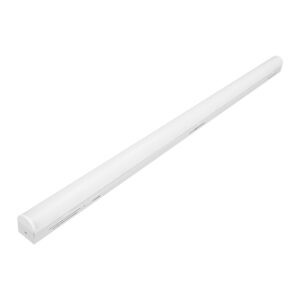
Understanding Replacement LED Strips and Their Role in Modern Lighting
Lighting contractors are continually seeking solutions that enhance both the quality and efficiency of their installations. Replacement LED strips have emerged as a pivotal component in this pursuit, offering a versatile and energy-efficient alternative to traditional lighting methods. These strips consist of flexible circuit boards populated with surface-mounted light-emitting diodes (LEDs), designed to provide customizable illumination across various applications.
Unlike conventional fluorescent or incandescent lighting, LED strips consume significantly less power while delivering comparable or superior brightness levels. This shift not only reduces energy costs for end-users but also simplifies installation and maintenance for contractors. The adaptability of LED strips—available in various color temperatures, lengths, and brightness levels—allows contractors to tailor lighting solutions precisely to client needs.
Moreover, the longevity of LED technology is another compelling advantage. With lifespans often exceeding 50,000 hours, LED strips drastically reduce the frequency of replacements, which is particularly beneficial in hard-to-reach installations. This durability also contributes to lower waste and a smaller environmental footprint, aligning with the growing emphasis on sustainability in construction and design. Additionally, many LED strips are now designed with smart technology integration, allowing for remote control and automation through smartphone apps or home automation systems, further enhancing user convenience and energy management.
Another exciting aspect of replacement LED strips is their ability to create dynamic lighting effects that can transform a space. With options for color-changing capabilities and programmable settings, contractors can offer clients the ability to adjust their lighting according to mood or occasion, making these strips ideal for both residential and commercial environments. Whether illuminating a cozy living room or setting the ambiance for a lively restaurant, the versatility of LED strips empowers designers to push the boundaries of traditional lighting design, fostering creativity and innovation in modern spaces.
Key Efficiency Benefits of Replacement LED Strips for Lighting Contractors
Reduced Installation Time and Complexity
One of the most immediate advantages replacement LED strips offer is the reduction in installation time. Traditional lighting fixtures often require complex mounting, wiring, and sometimes even structural modifications. In contrast, LED strips are lightweight, flexible, and can be easily cut to size, allowing contractors to install them quickly in tight or unconventional spaces.
Moreover, many LED strips come with adhesive backing, eliminating the need for additional mounting hardware. This feature not only speeds up the installation process but also reduces the number of tools and materials contractors must carry to job sites, streamlining workflow and minimizing logistical challenges. The simplicity of installation also means that contractors can allocate their time and resources to other critical tasks, enhancing overall project efficiency and allowing for quicker project turnover.
Additionally, the versatility of LED strips means they can be integrated into a variety of applications, from under-cabinet lighting in kitchens to accent lighting in commercial spaces. This adaptability enables contractors to tackle a broader range of projects without needing specialized training or equipment, further enhancing their operational efficiency and market competitiveness.
Energy Efficiency and Cost Savings
Energy consumption is a critical factor for clients and contractors alike. Replacement LED strips typically use up to 80% less energy than traditional lighting sources, translating into substantial cost savings over the lifespan of the installation. For contractors, this efficiency can be a compelling selling point when advising clients on lighting upgrades or new installations.
Additionally, LEDs have a longer operational life—often exceeding 50,000 hours—meaning fewer replacements and less maintenance over time. This longevity reduces the total cost of ownership and enhances client satisfaction, which can lead to repeat business and positive referrals for contractors. Furthermore, many regions offer incentives or rebates for energy-efficient upgrades, providing an additional financial benefit that contractors can leverage when discussing project proposals with clients.
Moreover, the reduction in energy consumption contributes to a smaller carbon footprint, aligning with the growing trend toward sustainability in construction and renovation. Contractors who promote the environmental benefits of LED strips can appeal to eco-conscious clients, positioning themselves as leaders in sustainable practices within the industry.
Improved Lighting Quality and Customization
Lighting quality is paramount in many commercial and residential applications. Replacement LED strips provide superior color rendering and consistent light output, which can significantly improve the ambiance and functionality of a space. Contractors can select from a wide range of color temperatures—from warm whites that create cozy environments to cool whites that enhance focus and visibility.
Many LED strips also support dimming and color-changing capabilities, enabling dynamic lighting effects that were previously difficult or expensive to achieve. This level of customization allows contractors to meet diverse client demands, from retail displays that require eye-catching illumination to hospitality settings that benefit from mood lighting. The ability to program lighting scenes can also enhance user experience, allowing for tailored environments that adapt to different activities or times of day.
Furthermore, the integration of smart technology with LED strips opens up new possibilities for automation and control. Contractors can offer clients the option to connect their lighting to smart home systems, allowing for remote operation and scheduling via mobile devices. This not only adds convenience but also enhances the overall value of the installation, making it more attractive to tech-savvy clients seeking modern solutions for their lighting needs.
Practical Considerations for Lighting Contractors When Choosing Replacement LED Strips
Assessing Quality and Reliability
Not all LED strips are created equal. For lighting contractors, selecting high-quality replacement LED strips is crucial to ensuring project success and client satisfaction. Factors such as the type of LEDs used, the quality of the circuit board, and the protective coatings can influence performance and durability.
Contractors should prioritize products that offer consistent brightness, minimal flicker, and robust heat dissipation features. Certifications such as UL listing or CE marking can also indicate adherence to safety and quality standards, providing additional assurance. Furthermore, it is beneficial to investigate the manufacturer’s reputation and customer reviews, as these can provide insights into the longevity and performance of their products in real-world applications. A well-regarded manufacturer is likely to offer better warranties and customer support, which can be invaluable when addressing any issues that may arise post-installation.
Compatibility with Existing Systems
When replacing existing lighting, contractors must consider the compatibility of LED strips with current power supplies, dimmers, and control systems. Some LED strips require specific drivers or transformers to operate correctly, and mismatches can lead to performance issues or premature failure.
Evaluating the electrical requirements and ensuring seamless integration with existing infrastructure can prevent costly rework and enhance overall system reliability. Consulting manufacturer specifications and, when necessary, conducting small-scale tests before full installation can mitigate risks. Additionally, it may be worthwhile to explore smart lighting options that allow for remote control and automation, as these features can significantly enhance user experience and energy efficiency. Understanding the technological advancements in lighting control can also open up new avenues for project proposals and client satisfaction.
Environmental and Application-Specific Factors
Lighting contractors often work across diverse environments—from dry indoor spaces to humid or outdoor locations. Selecting replacement LED strips with appropriate ingress protection (IP) ratings is essential to ensure longevity and safety. For example, strips with IP65 or higher are suitable for damp or dusty environments, while those with lower ratings are better suited for controlled indoor settings.
Additionally, contractors should consider factors such as operating temperature ranges and mechanical flexibility based on the specific application. This attention to detail can prevent early failures and maintain lighting performance over time. Moreover, understanding the color temperature and color rendering index (CRI) of the LED strips can greatly influence the aesthetic and functional outcome of the lighting design. For example, warmer color temperatures may be more suitable for residential spaces, while cooler temperatures can enhance productivity in commercial environments. By taking these nuanced factors into account, contractors can tailor their lighting solutions to meet the specific needs of their clients and the demands of the environment.
Case Studies: How Replacement LED Strips Enhance Contractor Efficiency
Commercial Office Retrofit
A lighting contractor tasked with upgrading a commercial office space replaced outdated fluorescent fixtures with replacement LED strips integrated into ceiling coves and under cabinets. The flexible nature of the strips allowed installation in previously inaccessible areas, enhancing overall illumination without extensive ceiling modifications.
The project saw a 40% reduction in installation time compared to traditional fixture replacement, and the client reported a 60% decrease in energy costs. The contractor leveraged these results to secure additional contracts within the same corporate client’s portfolio.
Hospitality Lighting Upgrade
In a boutique hotel renovation, replacement LED strips were used to create customizable ambient lighting in guest rooms and common areas. The contractor selected color-tunable strips that could be controlled via a centralized system, allowing hotel staff to adjust lighting scenes easily.
This flexibility improved guest experience and operational efficiency, as lighting could be adapted for different times of day or events without physical adjustments. The contractor’s ability to provide this advanced solution differentiated their services in a competitive market.
Future Trends and Innovations in Replacement LED Strips
The landscape of LED technology continues to evolve rapidly, presenting new opportunities for lighting contractors. Emerging innovations include smart LED strips with integrated sensors, enhanced connectivity for Internet of Things (IoT) applications, and improved materials that further extend lifespan and efficiency.
Contractors who stay informed about these developments can offer cutting-edge solutions that meet the growing demand for intelligent, sustainable lighting. Additionally, advances in manufacturing are driving down costs, making high-quality replacement LED strips accessible for a wider range of projects.
Conclusion: Maximizing Efficiency with Replacement LED Strips
Replacement LED strips represent a transformative tool for lighting contractors aiming to improve efficiency, reduce costs, and deliver superior lighting solutions. Their ease of installation, energy savings, and adaptability make them an invaluable asset in both retrofit and new construction projects.
By carefully selecting high-quality products and considering application-specific requirements, contractors can enhance their service offerings and build lasting client relationships. Embracing replacement LED strips not only benefits contractors operationally but also contributes to broader sustainability goals within the lighting industry.
Illuminate Your Projects with LumenWholesale
Ready to elevate your lighting projects with the efficiency and quality of replacement LED strips? Look no further than LumenWholesale for a vast selection of spec-grade lighting products at unbeatable wholesale prices. Say goodbye to inflated markups and hello to reliable, high-performance lighting that meets the highest industry standards. With free shipping on bulk orders, LumenWholesale is your go-to source for premium lighting solutions that blend quality, affordability, and convenience seamlessly. Don’t compromise on your lighting needs—choose LumenWholesale and ensure every project shines. Discover our extensive selection and take advantage of the best value in wholesale lighting by visiting Wholesale Lighting at the Best Value today.