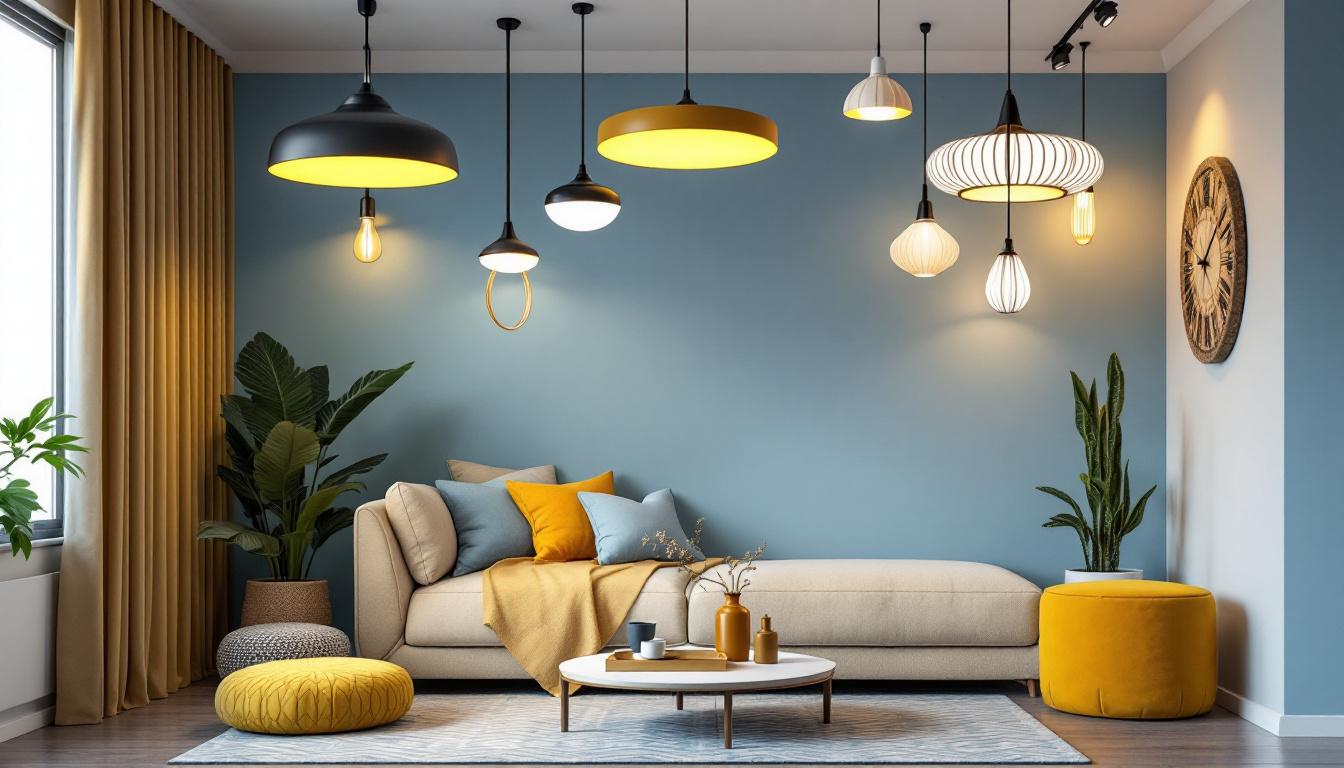
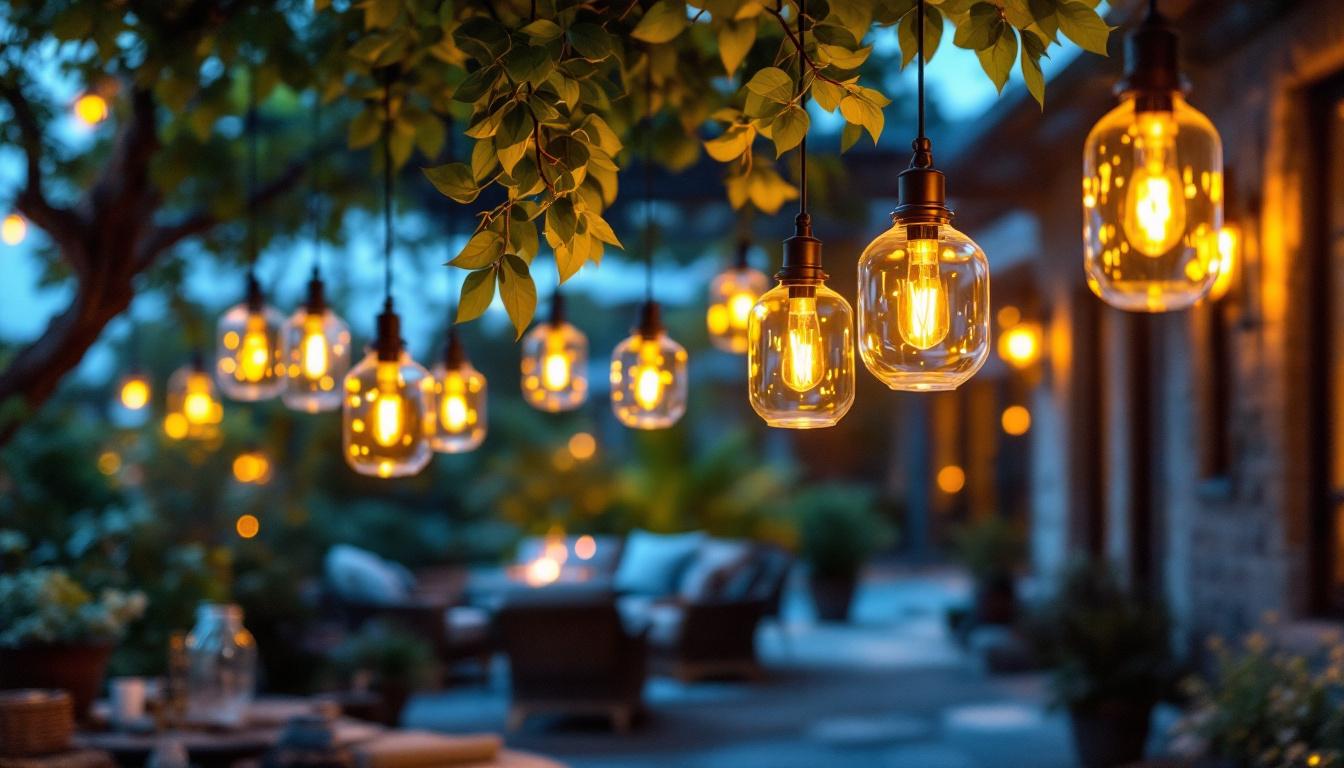
Understanding the Basics: Uplight vs. Downlight
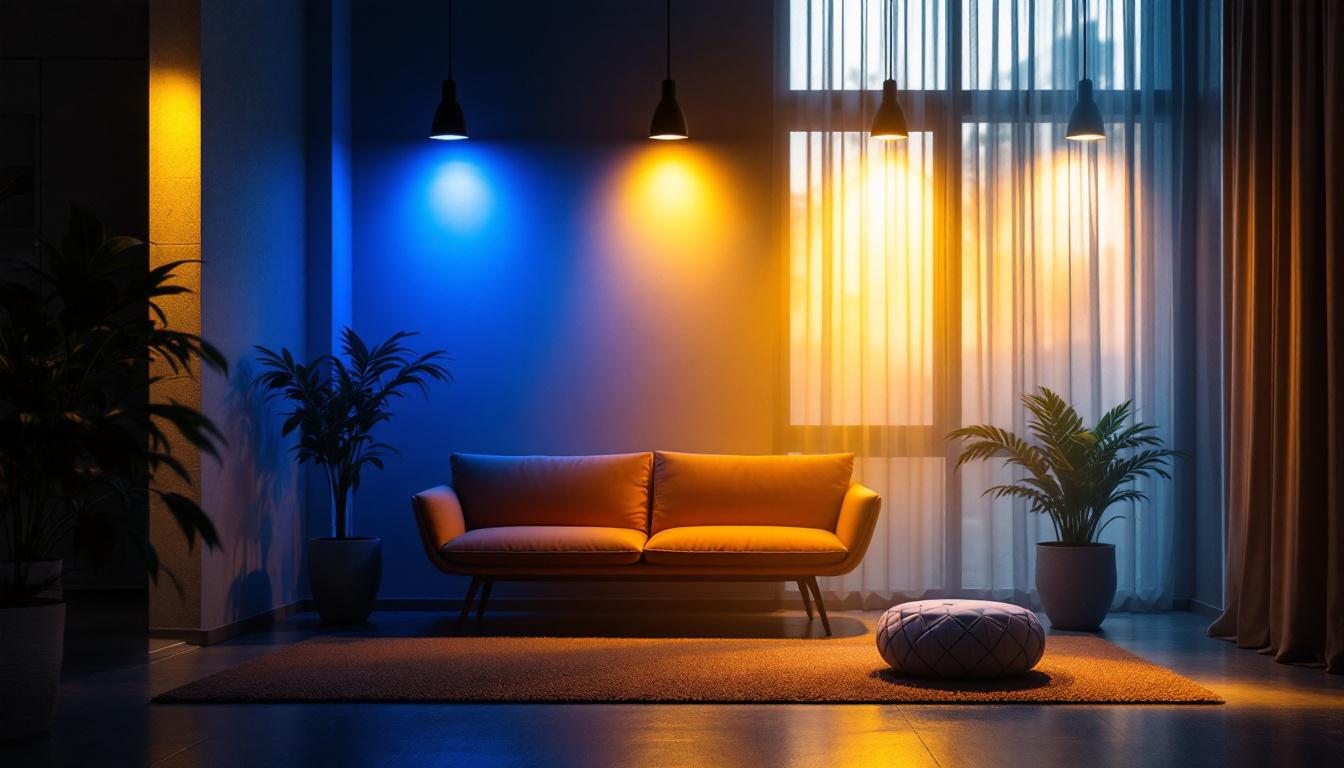
Lighting contractors frequently face the decision between installing uplights or downlights, each offering distinct advantages and design implications. Uplights direct illumination upwards, often bouncing light off ceilings or walls to create ambient, indirect lighting. Downlights, conversely, focus light downwards, providing task-oriented or accent lighting that highlights specific areas or objects.
Grasping the fundamental differences between these two lighting styles is essential for contractors aiming to meet client needs effectively. While downlights are traditionally favored for their ability to illuminate workspaces and pathways, uplights are gaining traction for their capacity to enhance architectural features and foster a warm, inviting atmosphere.
Key Features of Uplighting
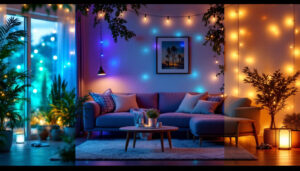
Uplighting tends to soften a room’s ambiance by reducing harsh shadows and distributing light more evenly. This technique is particularly effective in spaces with high ceilings or intricate moldings, where light can wash over surfaces to accentuate texture and depth. Moreover, uplighting can minimize glare and eye strain, making it suitable for lounges, dining areas, and hospitality environments.
In addition to its aesthetic benefits, uplighting can also play a critical role in energy efficiency. By utilizing LED uplights, contractors can create a vibrant atmosphere while consuming less power compared to traditional lighting methods. This not only reduces electricity bills but also aligns with sustainable practices that many clients prioritize today. Furthermore, uplighting can be strategically placed to highlight artwork or architectural details, creating focal points that draw the eye and enhance the overall design narrative of a space.
Key Features of Downlighting
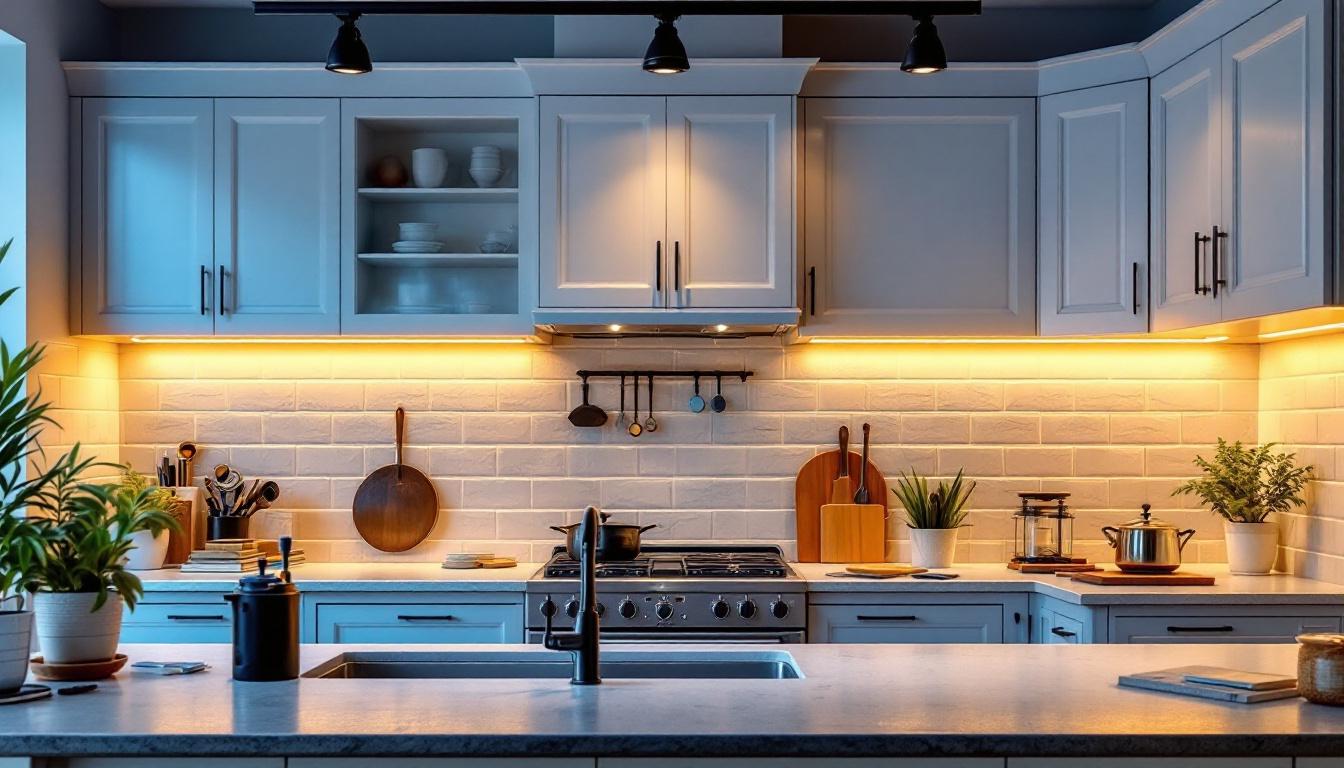
Downlights offer precision and control, directing light exactly where it’s needed. This makes them ideal for kitchens, offices, retail spaces, and galleries where focused illumination enhances functionality and visual clarity. Modern downlights often incorporate adjustable features, allowing contractors to customize beam angles and intensities to suit specific tasks or design intentions.
Moreover, downlighting technology has evolved significantly, with options such as smart downlights that can be controlled via mobile apps or voice commands. This innovation not only adds convenience but also allows for dynamic lighting scenarios that can adapt to different activities throughout the day. For instance, a downlight can be dimmed during a cozy dinner setting or brightened for a lively gathering, showcasing the versatility of this lighting style. Additionally, the integration of downlights with smart home systems can enhance security by allowing for automated lighting schedules, ensuring that spaces are well-lit when needed, and giving the appearance of occupancy when homeowners are away.
Current Trends Shaping Uplight and Downlight Installations
Lighting technology and design preferences continuously evolve, influencing how uplights and downlights are utilized. Contractors must stay abreast of these trends to deliver contemporary, efficient, and aesthetically pleasing solutions.
Integration of Smart Lighting Systems
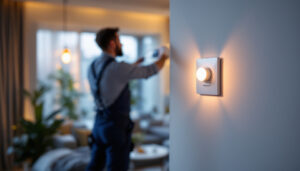
The rise of smart home and commercial automation has transformed lighting installation practices. Both uplights and downlights are increasingly integrated with systems that allow remote control, scheduling, and adaptive brightness adjustments. For contractors, this means incorporating compatible fixtures and wiring that support voice commands, smartphone apps, and sensor-based activation.
Smart lighting not only enhances user convenience but also contributes to energy savings by optimizing light usage. For instance, motion-activated downlights in corridors or uplights that adjust intensity based on natural light levels are becoming standard features in modern builds. Furthermore, the ability to program lighting scenes tailored to specific activities—such as reading, entertaining, or working—adds a layer of personalization that resonates with users. This adaptability not only improves the functionality of spaces but also enriches the overall user experience.
Energy Efficiency and Sustainability
With growing emphasis on sustainable building practices, energy-efficient lighting solutions are paramount. LED technology dominates both uplight and downlight applications due to its longevity, low heat emission, and reduced power consumption. Lighting contractors are increasingly specifying LED fixtures that meet stringent energy codes and certifications such as ENERGY STAR.
Additionally, the use of dimmable LEDs and daylight sensors allows for dynamic lighting control, further reducing energy waste. Contractors who prioritize sustainability not only comply with regulations but also appeal to environmentally conscious clients. The trend towards using recycled materials in lighting fixtures is also gaining traction, as manufacturers seek to minimize their environmental footprint. This shift not only enhances the appeal of lighting products but also aligns with the broader goals of green building certifications like LEED, making energy-efficient lighting a critical component of modern construction practices.
Minimalist and Architectural Lighting Designs
Contemporary interior design trends favor minimalist aesthetics, influencing uplight and downlight choices. Flush-mounted downlights with slim profiles are popular for creating clean ceilings without visual clutter. Similarly, uplights are often concealed behind coves or architectural elements to produce subtle, indirect illumination that enhances spatial perception.
Lighting contractors must collaborate closely with architects and designers to ensure fixtures complement the overall design vision while fulfilling functional requirements. This collaboration often involves custom solutions or specifying fixtures with adjustable color temperatures and beam spreads. Moreover, the integration of lighting with architectural features, such as accentuating textured walls or highlighting artwork, is becoming increasingly common. By using uplights to create dramatic shadows or downlights to focus on specific elements, contractors can elevate the aesthetic appeal of a space, transforming it into a visually engaging environment that reflects the personality and style of its occupants.
Practical Considerations for Lighting Contractors
Beyond aesthetics and trends, several practical factors influence the choice between uplight and downlight installations. Understanding these considerations helps contractors deliver durable, compliant, and user-friendly lighting systems.
Ceiling Height and Room Dimensions
The physical characteristics of a space significantly impact lighting effectiveness. In rooms with low ceilings, downlights are generally preferred to avoid creating shadows or reducing headroom. Conversely, high ceilings benefit from uplighting, which can mitigate cavernous effects by illuminating the ceiling plane and reflecting light back into the room.
Contractors should assess room dimensions carefully and consider combining uplight and downlight fixtures to achieve balanced illumination. Layered lighting strategies often yield the best results, enhancing both functionality and ambiance.
Electrical Load and Installation Complexity
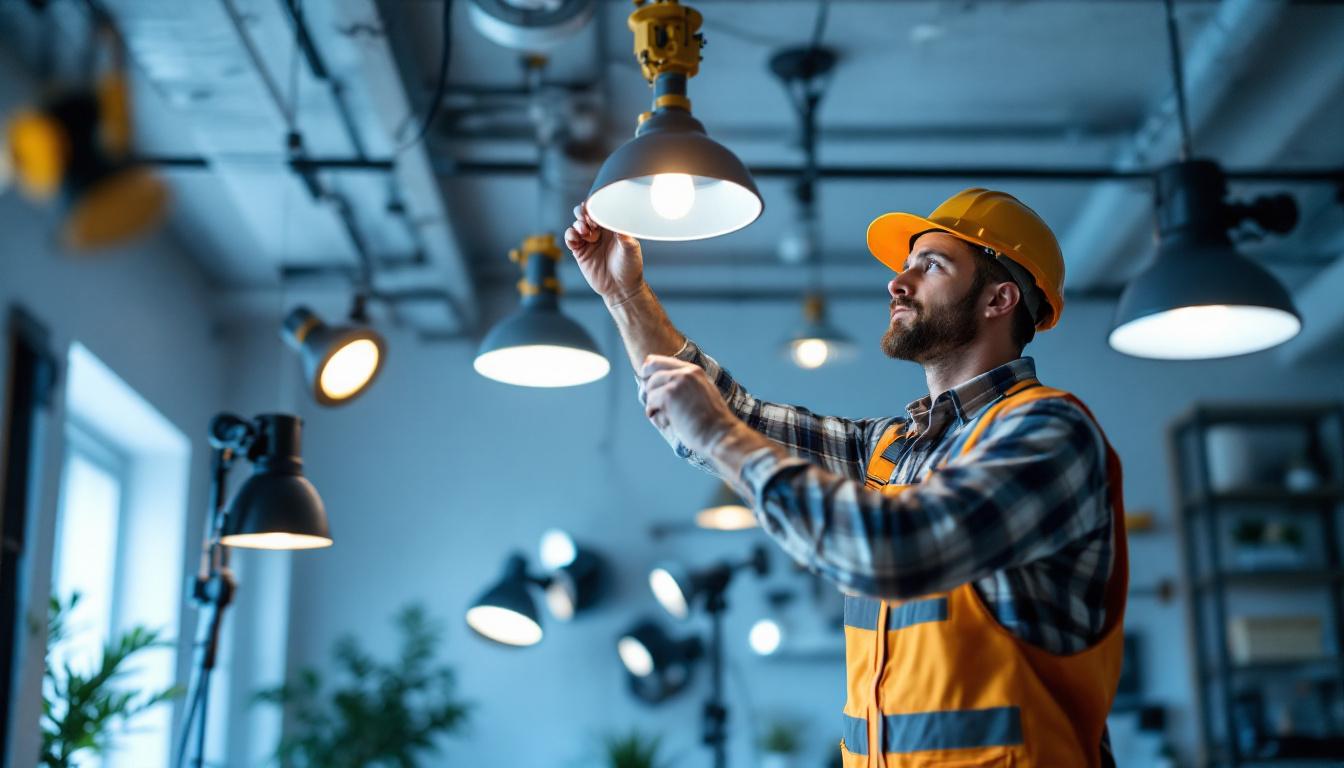
Lighting contractors must evaluate the electrical infrastructure when planning uplight or downlight installations. Uplights sometimes require additional wiring or specialized mounting hardware, especially when integrated into architectural features. Downlights, particularly recessed models, may demand precise ceiling cutouts and insulation considerations to prevent heat buildup.
Ensuring compliance with electrical codes and safety standards is critical. Contractors should also factor in maintenance accessibility, as some uplight fixtures installed in hard-to-reach locations can complicate bulb replacement or repairs.
Client Preferences and Usage Patterns
Ultimately, the choice between uplight and downlight should align with the client’s lifestyle or business operations. For residential clients seeking cozy, relaxing environments, uplighting may be preferable. Commercial clients prioritizing task efficiency and product visibility might lean toward downlighting.
Contractors should conduct thorough consultations to understand how spaces will be used and tailor lighting solutions accordingly. Offering demonstrations or mock-ups can help clients visualize the lighting effects and make informed decisions.
Innovative Applications and Hybrid Approaches
Lighting contractors are increasingly exploring hybrid installations that combine uplights and downlights to maximize benefits. This approach leverages the strengths of both techniques to create dynamic, adaptable environments.
Layered Lighting for Enhanced Ambiance
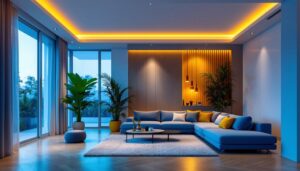
Layering uplights with downlights enables nuanced control over light distribution. For example, uplights can wash walls or ceilings with soft glow, while downlights provide focused illumination on work surfaces or artwork. This layering not only improves visual comfort but also adds depth and dimension to interiors.
Such designs are particularly effective in hospitality venues, galleries, and upscale residential projects where atmosphere and functionality must coexist seamlessly.
Accent and Feature Lighting
Combining uplights and downlights can highlight architectural details, textures, and focal points. Uplights positioned at the base of columns or walls create dramatic shadows and emphasize verticality, while downlights spotlight sculptures, furniture, or signage.
Lighting contractors should select fixtures with adjustable angles and beam widths to fine-tune these effects, enhancing the overall spatial narrative.
Outdoor and Landscape Lighting
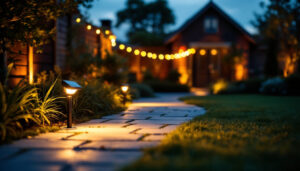
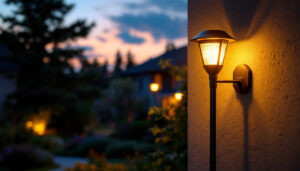
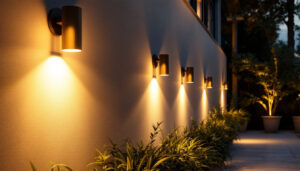
In exterior applications, uplights are commonly used to illuminate trees, facades, and garden features, creating striking nighttime visuals. Downlights, such as pathway lights or recessed step lights, improve safety and guide movement.
Combining these techniques outdoors requires weather-resistant fixtures and careful planning to avoid light pollution or glare. Contractors specializing in landscape lighting must balance aesthetics with environmental considerations and local regulations.
Future Outlook: What Lighting Contractors Should Watch For
The lighting industry continues to innovate rapidly, and contractors who anticipate emerging trends will maintain a competitive edge.
Human-Centric Lighting
Human-centric lighting, which adjusts color temperature and intensity to support circadian rhythms, is gaining momentum. Both uplights and downlights are being designed with tunable white LEDs that mimic natural daylight patterns, promoting wellbeing and productivity.
Contractors should familiarize themselves with these technologies and their integration into smart systems, as demand grows in workplaces, healthcare facilities, and residential settings.
Wireless and Battery-Powered Fixtures
Advancements in wireless controls and battery technology are enabling more flexible lighting installations. Portable uplights and downlights that do not require extensive wiring open new possibilities for temporary setups, renovations, or historic buildings where invasive installation is undesirable.
Understanding these options allows contractors to offer innovative solutions tailored to unique project constraints.
Material and Design Innovations
New materials, such as advanced polymers and composites, are enabling lighter, more durable fixtures with enhanced thermal management. Additionally, minimalist designs are evolving with integrated optics and diffusers that improve light quality and distribution.
Contractors should stay informed about product developments to recommend fixtures that combine performance with aesthetic appeal.
Conclusion
Choosing between uplight and downlight installations is a nuanced decision that impacts the functionality, aesthetics, and energy efficiency of a space. Lighting contractors equipped with a deep understanding of current trends, practical considerations, and emerging technologies can deliver superior lighting solutions that satisfy client expectations and regulatory requirements.
By embracing smart integration, sustainable practices, and innovative design approaches, contractors position themselves as trusted experts in a competitive industry. Staying informed and adaptable ensures that every project benefits from the optimal balance of uplight and downlight, creating environments that are both beautiful and functional.
Illuminate Your Projects with LumenWholesale
Ready to elevate your lighting installations with the latest trends and technologies? At LumenWholesale, we provide lighting contractors with an exceptional range of spec-grade lighting products at wholesale prices that defy the market. Our commitment to quality and affordability ensures that you can access cutting-edge lighting solutions without the burden of inflated costs. Embrace the convenience of free shipping on bulk orders and discover how our products seamlessly integrate into your projects, enhancing both functionality and design. Make your next project shine and experience the best value in wholesale lighting with LumenWholesale.