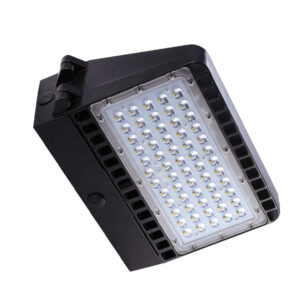
Understanding the Importance of Industrial Wall Lighting
Industrial wall lighting plays a crucial role in ensuring safety, productivity, and efficiency within industrial environments. These lighting systems are designed to withstand harsh conditions such as extreme temperatures, moisture, dust, and vibrations, making them indispensable in warehouses, manufacturing plants, and large-scale facilities. Proper lighting not only illuminates workspaces but also enhances visibility for machinery and personnel, reducing the risk of accidents and improving overall operational flow.
For lighting contractors, selecting and installing the right industrial wall lighting solutions is not only about meeting client expectations but also about optimizing costs without compromising quality or durability. Given the scale and complexity of industrial projects, cost-saving strategies can significantly impact a contractor’s profitability and reputation. Moreover, the ability to provide tailored solutions that address specific client needs can set a contractor apart in a competitive market, fostering long-term relationships and repeat business.
Key Characteristics of Industrial Wall Lighting
Industrial wall lights typically feature robust construction materials like aluminum or stainless steel, high ingress protection (IP) ratings, and energy-efficient technologies such as LED. These characteristics ensure longevity and reduced maintenance costs, which are essential factors for clients aiming to minimize operational disruptions. Additionally, many modern industrial wall lighting systems come equipped with smart technology, allowing for remote control and monitoring, which can further enhance energy efficiency and adaptability in varying operational conditions.
Understanding these features allows contractors to recommend lighting solutions that balance upfront investment with long-term savings, a critical consideration in industrial settings. Furthermore, the integration of advanced lighting controls, such as motion sensors and dimming capabilities, can optimize energy usage, ensuring that lights are only active when necessary. This not only contributes to sustainability efforts but also aligns with the growing trend of green building practices within the industrial sector, making it imperative for contractors to stay informed about the latest innovations in lighting technology.
Choosing Energy-Efficient Fixtures to Reduce Operational Costs
Energy consumption is one of the largest ongoing expenses associated with industrial lighting. Lighting contractors can help clients achieve substantial savings by prioritizing energy-efficient fixtures.
LED Technology: The Industry Standard
LED (Light Emitting Diode) technology has revolutionized industrial lighting by offering superior energy efficiency compared to traditional incandescent or fluorescent lamps. LEDs consume up to 75% less energy and last 25 times longer, translating into significant cost reductions in both electricity bills and replacement labor.
Moreover, LEDs provide consistent brightness and color rendering, enhancing workplace safety and productivity. For contractors, specifying LED industrial wall lights can be a compelling selling point that aligns with growing client demands for sustainability and cost-effectiveness. The versatility of LED fixtures also allows for various designs and applications, making them suitable for diverse environments, from warehouses to manufacturing plants. Additionally, the reduced heat output of LEDs minimizes the load on cooling systems, further contributing to energy savings and improving overall facility comfort.
Smart Lighting Controls and Sensors
Incorporating smart controls such as occupancy sensors, daylight harvesting systems, and programmable timers can further reduce energy usage. These technologies ensure lights operate only when needed, preventing unnecessary power consumption during off-hours or low-activity periods.
Lighting contractors should consider integrating these controls during installation or retrofitting projects. Although there may be an initial cost, the long-term savings and added value to clients often justify the investment. Furthermore, smart lighting systems can be monitored and adjusted remotely, allowing facility managers to optimize lighting conditions based on real-time data and usage patterns. This adaptability not only enhances energy efficiency but also supports a proactive approach to maintenance, as alerts can be set up for potential issues, ensuring that lighting systems remain in peak condition without unexpected downtime.
Optimizing Installation Practices to Minimize Expenses
Installation is a significant component of the overall cost in industrial wall lighting projects. Efficient installation practices not only reduce labor hours but also help avoid costly errors and rework.
Pre-Installation Planning and Site Assessment
Thorough site assessments and planning are essential before commencing installation. Contractors should evaluate the facility’s layout, existing electrical infrastructure, and environmental conditions to determine the optimal placement and type of fixtures.
Using lighting design software can assist in creating accurate layouts that maximize illumination while minimizing the number of fixtures required. This precision reduces material costs and installation time. Moreover, incorporating feedback from facility managers during the planning phase can lead to better alignment of lighting solutions with operational needs, ensuring that the lighting not only meets regulatory standards but also enhances productivity and safety in the workplace.
Modular and Pre-Assembled Fixtures
Choosing modular or pre-assembled lighting fixtures can streamline the installation process. These products often come with standardized mounting systems and pre-wired components, reducing on-site labor and the risk of wiring errors.
Contractors can benefit from faster project completion times and fewer callbacks, which ultimately improves profitability and client satisfaction. Additionally, the use of modular fixtures allows for greater flexibility in design, enabling easy upgrades or reconfigurations in the future without extensive rewiring or structural changes. This adaptability can be particularly advantageous in dynamic industrial environments where operational needs may evolve over time.
Training and Workforce Efficiency
Investing in ongoing training for installation teams ensures that workers are familiar with the latest products, tools, and safety protocols. Skilled technicians can work more efficiently and handle complex installations with confidence, minimizing downtime and mistakes.
Encouraging a culture of continuous improvement and knowledge sharing within the workforce can lead to incremental cost savings across multiple projects. Additionally, implementing mentorship programs where experienced workers guide newcomers can enhance skill transfer and foster a collaborative work environment. This not only boosts morale but also cultivates a more competent workforce, ultimately leading to higher quality installations and reduced long-term maintenance costs.
Leveraging Maintenance Strategies to Extend Fixture Lifespan
Maintenance is often overlooked but is a vital aspect of cost management in industrial lighting. Proper maintenance extends the lifespan of fixtures and reduces the frequency of replacements. This proactive approach not only saves money but also contributes to a more sustainable operation by minimizing waste and the environmental impact associated with manufacturing new fixtures.
Routine Inspections and Cleaning
Regular inspections help identify potential issues such as corrosion, loose connections, or damaged components before they escalate. Cleaning fixtures to remove dust and grime also maintains optimal light output and efficiency. Furthermore, a well-maintained lighting system can enhance workplace safety by ensuring that all areas are adequately illuminated, reducing the risk of accidents and improving overall productivity.
Contractors can offer maintenance contracts to clients, providing a steady revenue stream while ensuring the lighting system remains in peak condition. These contracts can be tailored to include scheduled inspections, emergency services, and even upgrades to newer technologies, thereby fostering long-term relationships and trust between contractors and their clients.
Predictive Maintenance Using IoT Technologies
Emerging IoT (Internet of Things) solutions allow for predictive maintenance by monitoring fixture performance in real-time. Sensors can detect anomalies such as flickering or power surges, alerting maintenance teams to address problems proactively. This data-driven approach not only enhances the reliability of the lighting system but also facilitates better decision-making regarding resource allocation and maintenance scheduling.
Although this technology requires an upfront investment, it helps avoid costly emergency repairs and downtime, making it a valuable addition to industrial lighting systems. Additionally, integrating IoT solutions can lead to energy savings by optimizing lighting usage based on occupancy and natural light levels, further contributing to operational efficiency and sustainability in industrial environments.
Cost-Effective Procurement and Supplier Relationships
Securing quality lighting products at competitive prices is fundamental to controlling project costs. Contractors who develop strong relationships with reliable suppliers can negotiate better deals and access the latest innovations.
Bulk Purchasing and Volume Discounts
For contractors handling multiple projects or large-scale installations, bulk purchasing can lead to significant discounts. Coordinating orders to leverage volume pricing reduces per-unit costs and shipping expenses.
Additionally, maintaining an inventory of commonly used fixtures and components can prevent delays and reduce rush order premiums.
Evaluating Supplier Reliability and Warranty Terms
Choosing suppliers with proven track records for product quality and customer service minimizes risks associated with defective or incompatible products. Comprehensive warranty terms also protect contractors and clients from unexpected expenses related to premature fixture failures.
Contractors should carefully review warranty conditions and ensure they are clearly communicated to clients as part of the value proposition.
Adopting Sustainable Practices to Attract Forward-Thinking Clients
Sustainability is increasingly influencing purchasing decisions in the industrial sector. Lighting contractors who incorporate eco-friendly solutions can differentiate themselves and tap into new market opportunities.
Utilizing Environmentally Friendly Materials and Technologies
Specifying fixtures made from recyclable materials and energy-efficient technologies aligns with corporate social responsibility goals. Many industrial clients seek to reduce their carbon footprint and comply with environmental regulations.
Contractors who demonstrate expertise in sustainable lighting solutions enhance their credibility and appeal to environmentally conscious customers.
Certifications and Incentives
Encouraging clients to pursue certifications such as LEED (Leadership in Energy and Environmental Design) or ENERGY STAR can unlock financial incentives, rebates, and tax credits. Lighting contractors can assist by recommending compliant products and documenting energy savings.
This collaborative approach not only benefits clients financially but also strengthens long-term business relationships.
Conclusion: Integrating Cost-Saving Strategies for Competitive Advantage
For lighting contractors specializing in industrial wall lighting, implementing cost-saving strategies is essential to remain competitive and profitable. By focusing on energy-efficient technologies, optimizing installation practices, leveraging maintenance programs, managing procurement effectively, and embracing sustainability, contractors can deliver superior value to clients.
These approaches not only reduce expenses but also improve project outcomes, client satisfaction, and environmental impact. As industrial facilities continue to evolve, contractors who adopt these strategies will be well-positioned to meet the demands of a dynamic market.
Illuminate Your Projects with LumenWholesale
Ready to enhance your industrial wall lighting projects with cost-saving strategies and superior products? Look no further than LumenWholesale. Our commitment to quality and affordability ensures you have access to spec-grade lighting products at wholesale prices that can’t be beaten. Say goodbye to middleman markups and hello to a vast selection of reliable, high-performance lighting solutions. With the added convenience of free shipping on bulk orders, LumenWholesale is your go-to source for premium lighting at the best value. Elevate your lighting game and explore our collection today to bring efficiency and sustainability to every project.