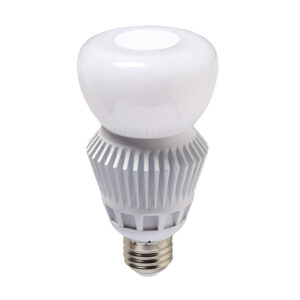
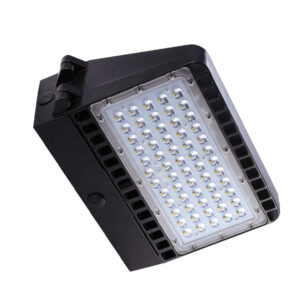
Understanding the LED Lighting Landscape in the USA
The LED lighting market in the United States has witnessed remarkable growth, driven by increasing energy efficiency demands, environmental regulations, and technological advancements. For lighting contractors, navigating this evolving landscape requires a solid grasp of the key players, product innovations, and market trends.
LED lights have become the preferred choice across commercial, residential, and industrial sectors due to their longevity, energy savings, and versatility. According to industry reports, LED lighting accounts for a significant majority of new lighting installations, with adoption rates continuing to rise as costs decrease and performance improves.
For contractors, partnering with reputable LED light manufacturers in the USA not only ensures access to high-quality products but also provides support in design, customization, and compliance with local codes. Understanding the domestic manufacturing ecosystem can simplify procurement and installation processes, ultimately benefiting project timelines and client satisfaction.
Moreover, the rapid evolution of smart lighting technology has further transformed the LED landscape. Smart LEDs, which can be controlled remotely via apps or integrated into home automation systems, are gaining traction among tech-savvy consumers and businesses alike. This integration not only enhances convenience but also allows for advanced features such as dimming, color changes, and energy monitoring, making them an attractive option for modern installations. As a result, contractors who stay abreast of these innovations can offer clients cutting-edge solutions that align with their sustainability goals.
In addition to technological advancements, the regulatory environment surrounding LED lighting is also evolving. The U.S. Department of Energy (DOE) and various state-level initiatives are promoting energy-efficient lighting solutions through incentives and rebates. These programs encourage both consumers and businesses to transition to LED lighting, thereby creating a favorable market for contractors. By understanding these regulations and available incentives, contractors can better advise their clients on cost-effective options while ensuring compliance with energy standards, ultimately enhancing their service offerings and market competitiveness.
Key Advantages of Working with USA-Based LED Light Manufacturers
Quality Assurance and Compliance
One of the primary benefits of sourcing LED products from manufacturers based in the USA is adherence to stringent quality and safety standards. American manufacturers typically comply with certifications such as UL (Underwriters Laboratories), DLC (DesignLights Consortium), and ENERGY STAR, which are critical for ensuring product reliability and eligibility for energy rebates.
For lighting contractors, these certifications reduce the risk of product failure and liability issues. They also facilitate smoother inspections and approvals from regulatory authorities, which is essential in commercial and public projects. Additionally, USA-based manufacturers often engage in rigorous quality control processes, ensuring that each product undergoes thorough testing before reaching the market. This commitment to quality not only enhances the performance of the lighting solutions but also builds trust with clients who prioritize safety and longevity in their investments.
Faster Lead Times and Reliable Supply Chains
Domestic manufacturing offers contractors shorter lead times compared to overseas suppliers, which is crucial for meeting tight project deadlines. The ability to quickly replenish stock or customize orders locally can prevent costly delays and enhance operational efficiency.
Moreover, the USA’s robust logistics infrastructure supports timely delivery, minimizing disruptions caused by international shipping challenges such as tariffs, customs delays, or global supply chain bottlenecks. This reliability is particularly beneficial during peak construction seasons when demand surges. Contractors can rest assured that their lighting needs will be met promptly, allowing them to maintain project schedules and client satisfaction. Furthermore, local sourcing can foster stronger relationships with suppliers, leading to improved collaboration and support throughout the project lifecycle.
Technical Support and Collaboration
Working with local manufacturers often means better access to technical expertise and customer service. Lighting contractors benefit from direct communication channels for troubleshooting, product training, and design assistance.
Manufacturers in the USA frequently collaborate with contractors to develop tailored lighting solutions that meet specific project requirements, such as unique fixture designs, color temperatures, or integration with smart lighting controls. This collaborative approach not only enhances the quality of the final product but also allows contractors to innovate and differentiate their offerings in a competitive market. Additionally, local manufacturers are more attuned to regional preferences and trends, enabling them to provide insights that can further enhance the effectiveness of lighting designs. This synergy between contractors and manufacturers ultimately leads to more successful project outcomes and satisfied clients.
How to Select the Right LED Light Manufacturer
Evaluate Product Range and Innovation
Lighting contractors should assess manufacturers based on the breadth and depth of their product offerings. A diverse portfolio that includes indoor and outdoor fixtures, retrofit kits, and specialty lighting solutions allows contractors to address various client needs efficiently. This versatility is crucial, as it enables contractors to provide tailored solutions that meet specific project requirements, whether it’s a residential space, commercial building, or public infrastructure. Furthermore, having access to a wide range of products means that contractors can stay competitive by offering the latest designs and functionalities that appeal to modern consumers.
Innovation is another key factor. Manufacturers investing in research and development often provide cutting-edge technologies such as tunable white lighting, integrated sensors, and IoT-enabled controls, which can add value to projects and differentiate contractor services. These advancements not only enhance the user experience but also contribute to energy savings and operational efficiency. For instance, tunable white lighting allows users to adjust the color temperature of the light throughout the day, promoting well-being and productivity. By partnering with innovative manufacturers, contractors can position themselves as leaders in the industry, capable of delivering state-of-the-art lighting solutions that meet evolving market demands.
Assess Manufacturing Capabilities and Certifications
Understanding a manufacturer’s production capacity and quality control processes helps ensure consistent product availability and performance. Contractors should verify certifications and compliance with industry standards to guarantee safety and eligibility for rebates or incentives. This diligence not only protects the contractor’s reputation but also builds trust with clients who are increasingly conscious of product quality and safety. Certifications such as UL, CE, or Energy Star can serve as indicators of a manufacturer’s commitment to excellence and reliability.
Additionally, manufacturers with in-house testing facilities and transparent quality assurance protocols provide greater confidence in product durability and warranty support. Such facilities enable rigorous testing under various conditions, ensuring that products can withstand the rigors of real-world applications. Moreover, a manufacturer that openly shares its testing results and quality assurance processes demonstrates accountability and a commitment to customer satisfaction, which can be a significant selling point for contractors when presenting options to clients.
Consider Sustainability and Environmental Impact
As sustainability becomes a priority for many clients, contractors should partner with manufacturers committed to environmentally responsible practices. This includes using recyclable materials, reducing manufacturing waste, and producing energy-efficient products. In addition to benefiting the environment, these practices can lead to cost savings for clients over the product lifecycle, making them an attractive selling point. Contractors who emphasize sustainability can appeal to eco-conscious customers who prioritize green solutions in their purchasing decisions.
Manufacturers with recognized environmental certifications or participation in green building programs can help contractors meet LEED or other sustainability criteria, enhancing project appeal and compliance. Furthermore, many clients are now seeking to align their projects with corporate social responsibility goals, and partnering with sustainable manufacturers can enhance a contractor’s reputation as a socially responsible business. By showcasing a commitment to sustainability, contractors not only contribute to a healthier planet but also position themselves favorably in a competitive market that increasingly values environmental stewardship.
Top Trends in LED Lighting Manufacturing Affecting Contractors
Integration of Smart Lighting Systems
The rise of smart lighting technology is transforming how lighting contractors approach installations. Manufacturers are increasingly offering LED products compatible with wireless controls, sensors, and building automation systems.
This integration enables energy savings through occupancy sensing, daylight harvesting, and customizable lighting scenes, which are attractive features for commercial and institutional clients. Contractors who understand these technologies can provide enhanced value and future-proof solutions.
Customization and Modular Designs
Modern LED manufacturers are focusing on modular and customizable lighting fixtures that simplify installation and maintenance. Features such as adjustable color temperatures, dimming options, and interchangeable components allow contractors to tailor lighting to specific environments without extensive redesigns.
These flexible solutions reduce inventory requirements and support diverse project scopes, from retail spaces to industrial facilities.
Advancements in LED Efficiency and Longevity
Continuous improvements in LED chip technology and thermal management have led to higher luminous efficacy and longer lifespans. Contractors benefit from these advancements through reduced maintenance costs and improved client satisfaction.
Manufacturers offering products with extended warranties and proven field performance provide additional assurance for long-term project success.
Practical Tips for Lighting Contractors When Collaborating with LED Manufacturers
Establish Clear Communication Channels
Effective collaboration starts with transparent and consistent communication. Contractors should establish points of contact within the manufacturer’s team for sales, technical support, and logistics to streamline project coordination.
Regular updates on order status, product availability, and technical specifications help avoid misunderstandings and ensure smooth project execution.
Leverage Manufacturer Resources and Training
Many LED manufacturers offer training sessions, webinars, and technical documentation designed to educate contractors on product features and installation best practices. Taking advantage of these resources enhances contractor expertise and reduces installation errors.
Additionally, manufacturers may provide design assistance or lighting layout tools that simplify project planning and improve outcomes.
Negotiate Flexible Terms and Support Services
Contractors should discuss flexible pricing, volume discounts, and warranty terms with manufacturers to optimize project budgets. Some manufacturers also offer on-site support or expedited delivery options that can be critical for time-sensitive projects.
Building strong relationships with manufacturers can lead to preferential treatment, early access to new products, and collaborative marketing opportunities.
Conclusion: Streamlining Success with Trusted USA LED Manufacturers
For lighting contractors, partnering with reputable LED light manufacturers in the USA offers numerous advantages, including quality assurance, faster delivery, and enhanced technical support. Understanding the evolving market trends and selecting manufacturers aligned with project needs can simplify procurement and installation processes.
By leveraging domestic manufacturing capabilities and embracing innovations such as smart lighting and modular designs, contractors can deliver superior lighting solutions that meet client expectations and regulatory requirements. Ultimately, these partnerships foster efficiency, reliability, and long-term success in the competitive lighting industry.
Get Your Premium Lighting Solutions from LumenWholesale
Ready to elevate your lighting projects with the highest quality LED solutions? Look no further than LumenWholesale. Our commitment to empowering contractors with spec-grade lighting products at unbeatable wholesale prices sets us apart. By choosing us, you eliminate the middleman and enjoy superior lighting products at the best value. With our extensive selection that meets rigorous industry standards, you can be confident in the reliability and performance of your lighting installations. Plus, with the convenience of free shipping on bulk orders, LumenWholesale ensures you get premium lighting without hidden fees or compromises. Don’t miss out on the perfect blend of quality, affordability, and convenience. Wholesale Lighting at the Best Value is just a click away.