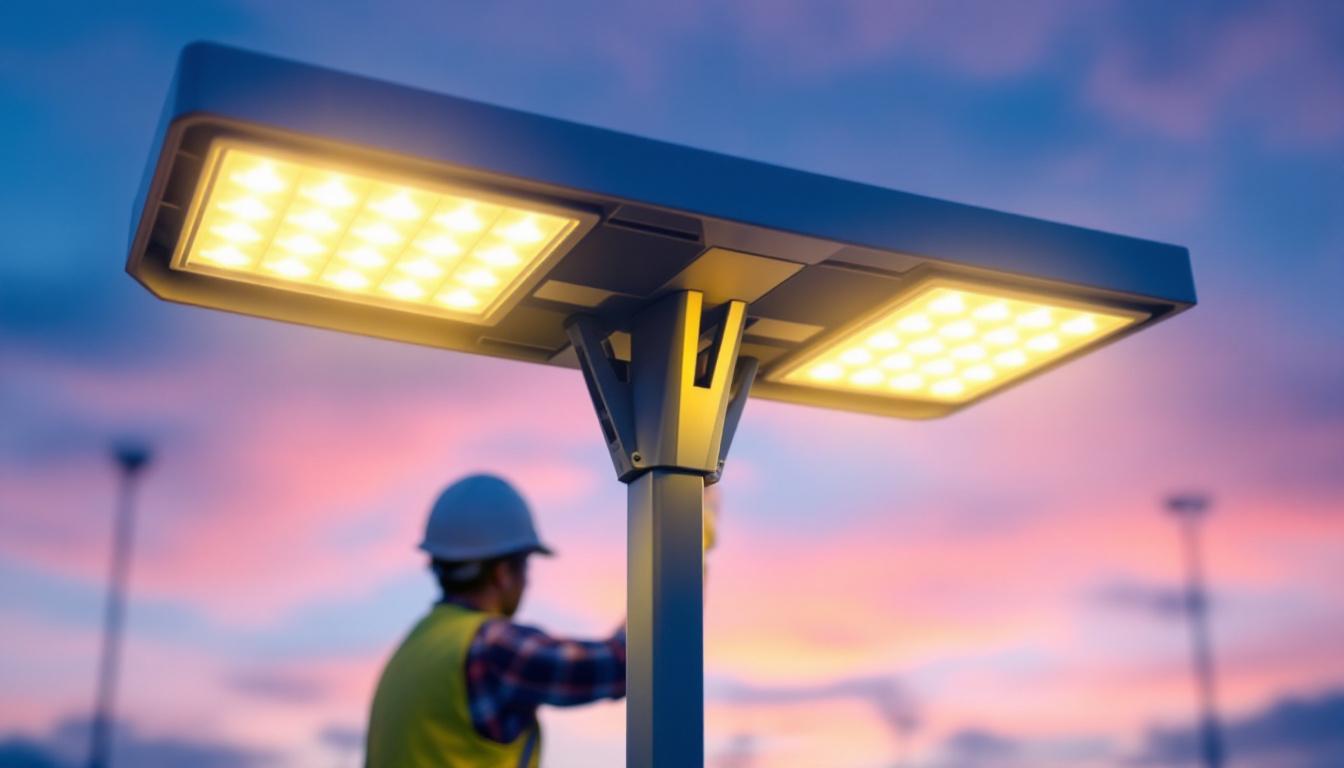
The Evolution of Parking Lights: From Incandescent to LED
Parking lights have long been an essential component of vehicle safety and visibility. Traditionally, incandescent bulbs were the standard, providing sufficient illumination for drivers to signal their presence when parked or in low-light conditions. However, the advent of Light Emitting Diode (LED) technology has revolutionized the landscape, offering numerous advantages over conventional lighting solutions.
For lighting contractors, understanding this evolution is crucial. The shift from incandescent to LED is not merely a trend but a response to the demand for energy efficiency, durability, and enhanced performance. LEDs consume significantly less power, produce less heat, and have a longer operational lifespan, making them an economically and environmentally sound choice.
Moreover, the compact size and directional nature of LEDs allow for innovative design possibilities in parking light assemblies, enabling manufacturers to create more aesthetically pleasing and functional lighting systems. This transition underscores the importance of staying abreast of technological advancements to provide clients with cutting-edge solutions.
In addition to their energy efficiency, LEDs also offer superior brightness and visibility compared to traditional incandescent bulbs. This enhanced illumination not only improves the safety of parked vehicles but also aids pedestrians and other drivers in recognizing stationary vehicles from a greater distance, reducing the likelihood of accidents. Furthermore, many modern LED parking lights come equipped with features such as automatic dimming and adaptive brightness, which adjust the light output based on surrounding conditions, further enhancing their functionality.
The environmental impact of this shift cannot be overlooked either. Incandescent bulbs are notorious for their short lifespan and high energy consumption, leading to increased waste and higher electricity bills for consumers. In contrast, the longevity of LED lights means fewer replacements and less waste in landfills, aligning with the growing global emphasis on sustainability. As cities and municipalities look to reduce their carbon footprints, the adoption of LED technology in public lighting systems, including parking lights, is becoming a standard practice, showcasing a commitment to a greener future.
Fundamental Science of LED Technology
How LEDs Work
At the core of LED technology is the principle of electroluminescence. LEDs are semiconductor devices that emit light when an electric current passes through them. Unlike incandescent bulbs, which generate light by heating a filament, LEDs produce light through the recombination of electrons and holes within the semiconductor material.
This process results in light emission with minimal heat generation, contributing to the high energy efficiency of LEDs. The color of the light emitted depends on the semiconductor material used, allowing for precise control over the light spectrum, which is particularly beneficial in automotive lighting applications. For instance, different combinations of materials can produce a wide range of colors, from deep reds to bright blues, making LEDs versatile for various uses, including decorative lighting and signaling in vehicles.
Moreover, the compact size of LEDs allows for innovative designs in lighting fixtures, enabling manufacturers to create sleeker and more modern aesthetics in automotive design. This adaptability not only enhances the visual appeal of vehicles but also allows for better integration of lighting systems into the overall vehicle architecture, improving functionality and safety.
Energy Efficiency and Heat Management
One of the most significant advantages of LEDs is their superior energy efficiency. LEDs convert a higher percentage of electrical energy into visible light compared to incandescent bulbs, which lose much of their energy as heat. This efficiency translates to lower power consumption, reducing the load on a vehicle’s electrical system and improving overall energy management.
Heat management remains a critical consideration in LED design. Although LEDs generate less heat, the heat produced must be effectively dissipated to maintain performance and longevity. Advanced thermal management techniques, such as heat sinks and thermal interface materials, are integral to LED parking light assemblies, ensuring reliability under various operating conditions. Additionally, the use of materials with high thermal conductivity, such as aluminum, can enhance the heat dissipation process, further extending the lifespan of the LED components.
Furthermore, the integration of smart technology with LED systems is becoming increasingly popular. For example, some modern vehicles utilize sensors to monitor temperature and adjust the brightness of the LEDs accordingly. This not only helps in managing heat but also optimizes energy usage, allowing the vehicle to adapt to different driving conditions and enhance visibility when needed. Such innovations underscore the ongoing evolution of LED technology, making it a cornerstone of modern automotive design and functionality.
Design Considerations for LED Parking Lights
Optical Performance and Beam Patterns
Lighting contractors must appreciate the importance of optical design in LED parking lights. Unlike traditional bulbs that emit light in all directions, LEDs are inherently directional. This characteristic allows for precise beam shaping, enhancing visibility while minimizing glare for other road users.
Effective optical design involves the use of lenses, reflectors, and diffusers to tailor the light output to meet regulatory standards and functional requirements. Proper beam patterns ensure that parking lights provide adequate illumination of the vehicle’s perimeter, improving safety during parking and low-speed maneuvers.
Durability and Environmental Resistance
Parking lights are exposed to a range of environmental stresses, including moisture, temperature fluctuations, vibration, and road debris. LED parking light assemblies must be engineered to withstand these conditions without degradation.
Encapsulation techniques using robust materials protect the LED chips from contaminants and mechanical damage. Additionally, ingress protection (IP) ratings are critical indicators of a product’s resistance to dust and water, which lighting contractors should evaluate when selecting LED parking light solutions.
Regulatory Standards and Compliance
Understanding Legal Requirements
Compliance with automotive lighting regulations is paramount. Parking lights must adhere to standards set by governing bodies such as the Society of Automotive Engineers (SAE) and the Economic Commission for Europe (ECE). These standards dictate parameters including light intensity, color, and positioning.
Lighting contractors must ensure that LED parking lights meet or exceed these requirements to guarantee legality and safety. Non-compliance can result in vehicle inspection failures and potential liability issues. Staying informed about evolving regulations is essential for delivering compliant installations.
Color and Intensity Specifications
Parking lights typically emit amber or white light, depending on regional regulations. LEDs offer precise control over color temperature, enabling manufacturers to produce lights that conform strictly to these specifications. Intensity levels must also be calibrated to provide visibility without causing distraction or glare.
For lighting contractors, verifying that LED parking lights possess the appropriate certifications and test reports can streamline the installation process and reassure clients of product quality and compliance.
Installation Best Practices for Lighting Contractors
Electrical Compatibility and Wiring
LEDs operate on low voltage DC power and require careful consideration of electrical compatibility. Unlike incandescent bulbs, LEDs have different electrical characteristics, including lower current draw and polarity sensitivity. Lighting contractors must ensure proper wiring configurations to prevent issues such as flickering or failure to illuminate.
Incorporating resistors or LED drivers may be necessary to regulate current and voltage. Additionally, attention to connector types and waterproofing measures during installation enhances system reliability and longevity.
Integration with Vehicle Systems
Modern vehicles often feature complex electronic control units (ECUs) that monitor lighting systems. LED parking lights may trigger error codes or warning signals if the vehicle’s system detects lower power consumption compared to traditional bulbs. Lighting contractors should be familiar with solutions such as load resistors or CAN bus adapters to mitigate these issues.
Proper integration ensures seamless operation, maintaining the vehicle’s diagnostic integrity and preventing unnecessary maintenance alerts. This knowledge is vital for contractors aiming to deliver professional and hassle-free installations.
Benefits of LED Parking Lights for Clients
Enhanced Safety and Visibility
LED parking lights provide brighter and more consistent illumination, improving vehicle visibility in low-light scenarios. This enhancement contributes to pedestrian safety and reduces the risk of collisions during parking or roadside stops.
The rapid response time of LEDs also offers advantages in signaling, as they illuminate faster than incandescent bulbs. This feature can be critical in alerting other drivers promptly, enhancing overall road safety.
Cost Savings and Environmental Impact
While the initial investment in LED parking lights may be higher than traditional bulbs, the long-term cost savings are substantial. Extended lifespan reduces replacement frequency, lowering maintenance costs and labor expenses.
Furthermore, the energy efficiency of LEDs translates to reduced fuel consumption in vehicles, contributing to lower greenhouse gas emissions. Lighting contractors can leverage these environmental benefits when advising clients, aligning with growing sustainability priorities.
Future Trends in LED Parking Light Technology
The future of LED parking lights is poised for continued innovation. Advances in semiconductor materials and manufacturing processes are driving improvements in brightness, color rendering, and energy efficiency.
Integration with smart vehicle systems is another emerging trend. Adaptive lighting technologies that adjust intensity and beam patterns based on environmental conditions or driver behavior are becoming feasible, offering enhanced functionality and customization.
For lighting contractors, staying informed about these developments will be essential to maintain a competitive edge and provide clients with state-of-the-art lighting solutions.
Conclusion
Understanding the science behind LED parking lights equips lighting contractors with the knowledge to make informed decisions, ensuring optimal performance, compliance, and client satisfaction. From the fundamental principles of electroluminescence to practical installation considerations, a comprehensive grasp of LED technology is indispensable in today’s automotive lighting landscape.
By embracing LED advancements, contractors can deliver superior lighting solutions that enhance safety, reduce costs, and contribute to environmental sustainability. Keeping pace with regulatory changes and technological innovations will position lighting contractors as trusted experts in the evolving field of vehicle lighting.
Illuminate Your Projects with LumenWholesale
Ready to elevate your lighting installations with the latest LED parking lights? At LumenWholesale, we provide lighting contractors with the highest quality, spec-grade LED solutions at unbeatable wholesale prices. Our extensive selection not only meets but exceeds industry standards, ensuring your projects shine with reliability and high performance. Say goodbye to inflated markups and hello to premium lighting with the convenience of free shipping on bulk orders. Don’t compromise on quality or value—choose LumenWholesale for all your lighting needs. Discover the perfect blend of quality, affordability, and convenience by visiting our website and exploring our offerings. Wholesale Lighting at the Best Value.