Understanding Spotlight Bulbs: Foundations for Lighting Contractors
Spotlight bulbs are a cornerstone in the lighting industry, prized for their ability to direct focused beams of light to highlight architectural features, artwork, retail displays, and outdoor landscapes. For lighting contractors, mastering the nuances of spotlight bulb types is essential to delivering tailored lighting solutions that meet client expectations while optimizing energy efficiency and longevity.
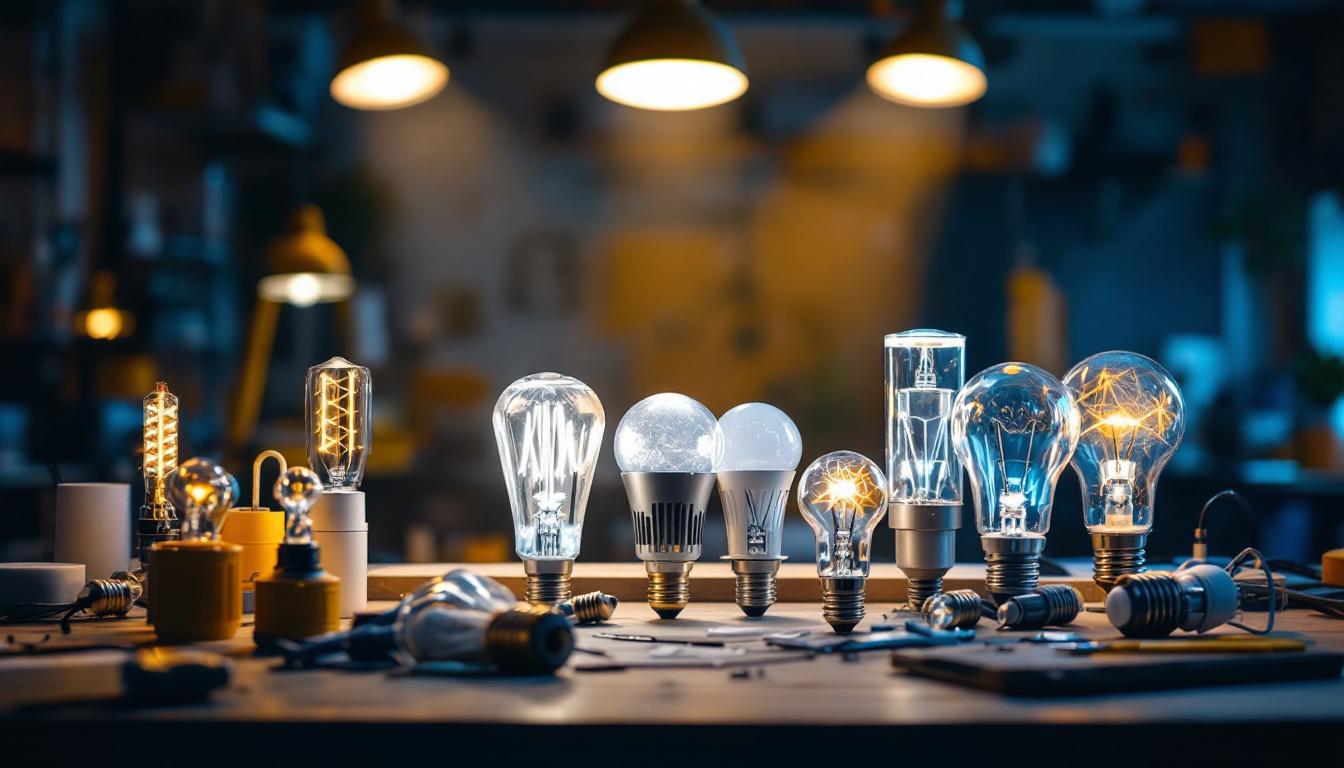
Spotlight bulbs come in various technologies, shapes, and sizes, each suited for specific applications. The key to professional expertise lies in understanding these options, their performance characteristics, and how they integrate with different fixtures and control systems. This foundational knowledge empowers contractors to specify the right bulb for the right job, ensuring both aesthetic appeal and functional excellence.
Why Spotlight Bulb Selection Matters
Choosing the correct spotlight bulb affects not only the quality of illumination but also the overall energy consumption and maintenance costs of a project. For instance, an improperly selected halogen spotlight may generate excessive heat and consume more power, while an LED alternative can offer superior efficiency and lifespan. Lighting contractors must balance factors such as beam angle, color temperature, lumen output, and dimmability to achieve optimal results.
Types of Spotlight Bulbs and Their Applications
Spotlight bulbs are broadly categorized by their light source technology. Each type has distinct advantages and limitations that influence their suitability for various environments and design intents.
Halogen Spotlights
Halogen bulbs have been a traditional choice for spotlights due to their bright, crisp light and excellent color rendering index (CRI). They operate by passing current through a tungsten filament enclosed in a halogen gas environment, which allows for higher operating temperatures and brighter light output compared to standard incandescent bulbs.
Despite their warm light quality and relatively low upfront cost, halogen spotlights are less energy-efficient and produce more heat than modern alternatives. They are often used in retail and hospitality settings where color accuracy and ambiance are priorities, but energy codes and sustainability goals are prompting contractors to consider replacements.
LED Spotlights
Light Emitting Diode (LED) spotlights have revolutionized the lighting industry with their superior energy efficiency, long lifespan, and versatility. LEDs produce light through electroluminescence, which consumes significantly less power and generates minimal heat compared to halogen or incandescent bulbs.
LED spotlights are available in a wide range of beam angles, color temperatures, and lumen outputs, making them adaptable for accent lighting, task lighting, and outdoor applications. Their compatibility with smart controls and dimming systems further enhances their appeal for modern lighting designs. For lighting contractors, understanding LED specifications and manufacturers’ data sheets is critical to matching performance with client needs.
Fluorescent and HID Spotlights
While less common in spotlight applications today, fluorescent and High-Intensity Discharge (HID) bulbs still have niche uses, particularly in industrial or large-scale outdoor lighting. Fluorescent spotlights provide diffuse light and are energy-efficient but lack the focused beam quality typically desired for accent lighting.
HID spotlights, such as metal halide or high-pressure sodium lamps, offer high lumen output suitable for stadiums or warehouses but require specialized fixtures and ballasts. Their warm-up time and color rendering limitations make them less favorable for residential or retail spotlighting.
Key Specifications Lighting Contractors Must Master
To expertly specify and install spotlight bulbs, contractors must be fluent in interpreting technical specifications and understanding how they translate to real-world performance.
Beam Angle and Distribution
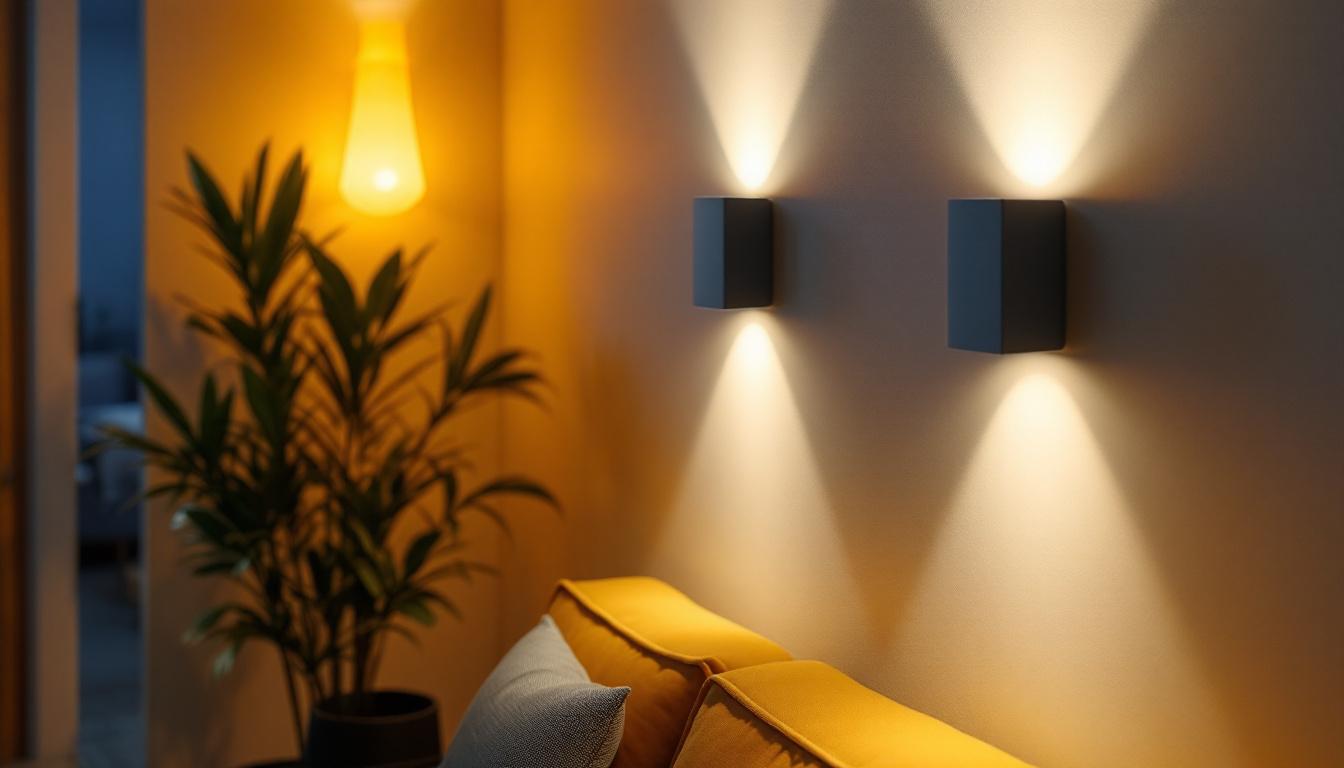
The beam angle defines the width of the light cone emitted by the spotlight bulb. Narrow beam angles (e.g., 10° to 25°) create intense, focused illumination ideal for highlighting artwork or architectural details. Wider beam angles (e.g., 40° to 60°) provide softer, more diffuse lighting suitable for general accent or ambient lighting.
Contractors should consider fixture placement, mounting height, and target area size when selecting beam angles to avoid unwanted shadows or glare. Tools such as photometric charts and lighting simulation software can assist in visualizing beam spread and intensity.
Color Temperature and Color Rendering Index (CRI)
Color temperature, measured in Kelvins (K), influences the mood and appearance of a space. Warm white (2700K–3000K) creates cozy, inviting atmospheres, while cool white (4000K–5000K) enhances alertness and clarity, often preferred in retail or workspaces.
CRI measures a bulb’s ability to accurately render colors compared to natural light, with values above 80 considered good and above 90 excellent. High CRI spotlights are essential in galleries, jewelry stores, and other settings where color fidelity is critical.
Luminous Flux and Efficacy
Luminous flux, expressed in lumens, indicates the total quantity of visible light emitted by the bulb. Luminous efficacy, measured in lumens per watt (lm/W), reflects the efficiency of the bulb in converting electrical power into light.
Lighting contractors should prioritize bulbs with high efficacy to reduce energy consumption without compromising brightness. For example, many LED spotlights now exceed 100 lm/W, significantly outperforming halogen bulbs, which typically range between 15 and 25 lm/W.
Compatibility and Dimming
Ensuring bulb compatibility with existing fixtures and control systems is a critical step. Not all spotlight bulbs are dimmable, and using incompatible dimmers can cause flickering, reduced lifespan, or damage.
Contractors must verify manufacturer specifications and may need to recommend fixture upgrades or specific dimmer models to achieve desired lighting effects. Advanced LED drivers and smart lighting controls offer enhanced dimming capabilities and integration with building automation systems.
Top Resources Lighting Contractors Use to Master Spotlight Bulbs
Continuous learning and access to reliable information are vital for lighting contractors aiming to stay ahead in a rapidly evolving industry. The following resources provide comprehensive knowledge, technical data, and practical tools for mastering spotlight bulb selection and application.
Manufacturer Technical Guides and Specification Sheets
Leading lighting manufacturers provide detailed technical guides and specification sheets that outline bulb performance metrics, installation instructions, and compatibility notes. These documents are invaluable for comparing products and making informed decisions tailored to project requirements.
Manufacturers such as Philips, Osram, and Cree offer online portals where contractors can download datasheets, photometric files, and warranty information. Staying updated with these resources ensures contractors leverage the latest advancements and comply with industry standards.
Industry Standards and Certification Bodies
Organizations like the Illuminating Engineering Society (IES), Underwriters Laboratories (UL), and ENERGY STAR establish standards that define quality, safety, and energy efficiency benchmarks for lighting products. Familiarity with these standards helps contractors specify compliant and reliable bulbs.
For example, ENERGY STAR-certified spotlight bulbs meet stringent efficiency and performance criteria, which can be a selling point for environmentally conscious clients. IES publications provide design guidelines and best practices that enhance lighting quality and occupant comfort.
Lighting Design Software and Simulation Tools
Advanced lighting design software such as DIALux, AGi32, and Relux enable contractors to model lighting layouts, simulate beam patterns, and calculate illuminance levels before installation. These tools incorporate extensive libraries of bulb photometric data, allowing precise visualization of how different spotlight bulbs will perform in a given space.
Using simulation software reduces guesswork, minimizes costly errors, and enhances client presentations by providing realistic renderings of lighting effects. Mastery of these tools is increasingly expected in professional lighting contracting.
Continuing Education and Certification Programs
Professional development programs offered by organizations like the National Association of Lighting Management Companies (NALMCO) and the Lighting Certified (LC) program provide specialized training on lighting technologies, codes, and best practices.
These certifications validate a contractor’s expertise and commitment to quality, often leading to increased client trust and business opportunities. Workshops, webinars, and industry conferences also serve as platforms for networking and learning about emerging trends in spotlight lighting.
Trade Publications and Online Communities
Staying informed about industry trends, new products, and case studies is facilitated by trade magazines such as Lighting Design + Application (LD+A) and Architectural Lighting. These publications offer in-depth articles written by experts, product reviews, and practical installation tips.
Online forums and social media groups dedicated to lighting contractors provide peer support, troubleshooting advice, and real-world insights. Engaging with these communities fosters knowledge exchange and keeps contractors connected to the broader professional network.
Practical Tips for Lighting Contractors When Working with Spotlight Bulbs
Beyond theoretical knowledge, practical considerations often determine the success of spotlight installations. The following tips help contractors optimize outcomes and client satisfaction.
Assessing the Project Environment Thoroughly
Before specifying spotlight bulbs, contractors should conduct a detailed site assessment, noting ceiling heights, surface finishes, ambient light levels, and electrical infrastructure. This information guides bulb selection and fixture placement to achieve balanced and effective illumination.
Testing Samples On-Site
Whenever possible, testing sample bulbs in the actual environment allows contractors and clients to evaluate color temperature, beam spread, and dimming behavior firsthand. This step can prevent costly changes after full installation.
Prioritizing Energy Efficiency and Sustainability
With increasing regulatory pressure and client demand for green building solutions, contractors should advocate for energy-efficient spotlight bulbs such as LEDs and consider integrating lighting controls like occupancy sensors and timers.
Maintaining Clear Documentation
Keeping detailed records of bulb types, specifications, installation dates, and maintenance schedules supports warranty claims and facilitates future upgrades or replacements.
Conclusion: Elevating Lighting Projects Through Spotlight Bulb Mastery
For lighting contractors, mastering the diverse types of spotlight bulbs and their applications is a critical component of professional excellence. By leveraging comprehensive resources—from manufacturer data and industry standards to design software and continuing education—contractors can confidently specify, install, and maintain spotlight lighting solutions that meet the highest standards of performance, efficiency, and aesthetics.
As the lighting industry continues to innovate, staying informed and adaptable ensures contractors remain trusted experts capable of transforming spaces through expertly crafted illumination.
Illuminate Your Projects with LumenWholesale
Ready to elevate your lighting projects with the best spotlight bulbs in the market? Look no further than LumenWholesale, where we provide lighting contractors with top-quality, spec-grade lighting products at unbeatable wholesale prices. Our extensive selection is designed to meet the highest industry standards, ensuring you get reliable, high-performance lighting for every project. Plus, with free shipping on bulk orders, you can enjoy premium lighting at the best value — without hidden fees or compromises. Don’t miss out on the perfect blend of quality, affordability, and convenience. Wholesale Lighting at the Best Value is just a click away!