Understanding the Unique Lighting Needs of Church Sanctuaries
Church sanctuaries are sacred spaces designed to foster reflection, worship, and community gathering. Unlike typical commercial or residential environments, sanctuaries require lighting that balances functionality with ambiance, supporting various activities such as sermons, choir performances, and ceremonies. For lighting contractors, this unique setting presents both challenges and opportunities to optimize lighting solutions that enhance the spiritual atmosphere while promoting energy efficiency.
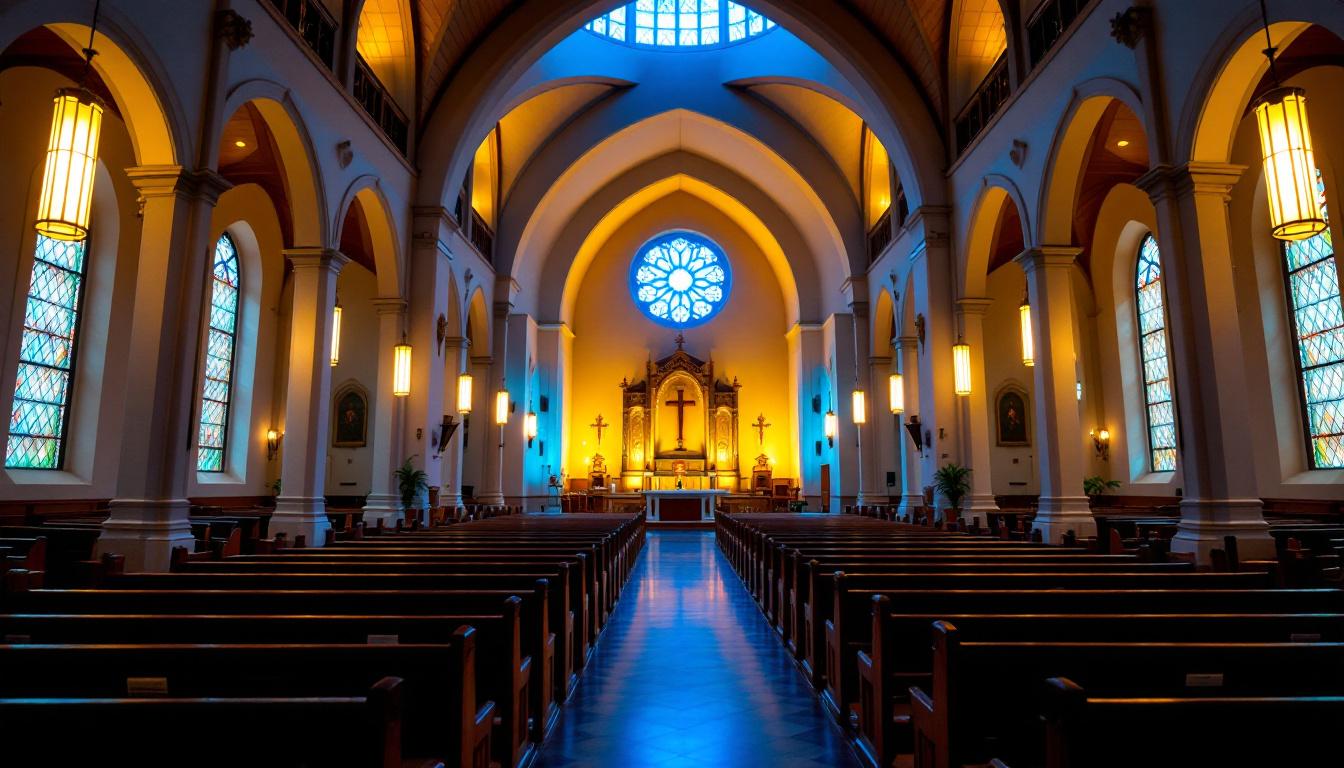
Key considerations include the architectural features of the sanctuary, the types of activities conducted, and the preferences of the congregation. High ceilings, stained glass windows, and ornate decorations often influence lighting design choices. Additionally, lighting must be adaptable to different events, from bright illumination during readings to softer, mood-enhancing light during prayer sessions. The integration of natural light from windows can also play a crucial role, as it not only illuminates the space but also connects the worshippers to the outside world, creating a sense of peace and tranquility.
The Role of Lighting in Enhancing Worship Experience
Proper lighting significantly contributes to the worship experience by highlighting focal points such as the altar, pulpit, and choir loft. It also helps create an inviting and contemplative environment. Lighting that is too harsh or uneven can distract congregants and detract from the solemnity of the space. Conversely, well-designed lighting can draw attention to architectural details and support the emotional tone of services. For instance, the use of warm, dimmable LED fixtures can transform a sanctuary into a serene space during meditation or prayer, while brighter, cooler lights can energize the atmosphere during lively worship sessions.
For contractors, understanding how to balance these aesthetic and functional aspects is essential. This involves selecting fixtures and layouts that provide adequate illumination without overpowering the sanctuary’s natural ambiance. Furthermore, the choice of color temperature and the ability to control lighting levels can greatly influence the mood of the congregation. Incorporating smart lighting systems that allow for easy adjustments can enhance the versatility of the sanctuary, enabling it to seamlessly transition from a formal ceremony to a casual community gathering. Additionally, the strategic placement of uplighting and accent lighting can create dramatic effects that highlight the beauty of the sanctuary’s architecture, making the space not only functional but also visually stunning.
Energy Efficiency Challenges in Church Sanctuary Lighting
Churches often face unique energy efficiency challenges due to their size, usage patterns, and historical building constraints. Many sanctuaries are large spaces with high ceilings, requiring powerful lighting systems that can consume significant energy. Moreover, churches may have limited budgets for upgrades, making cost-effective energy solutions a priority. The architectural beauty of these buildings often comes with the challenge of preserving their historical integrity while implementing modern energy-saving technologies. This balancing act can complicate the decision-making process for church leaders who are keen on reducing energy costs without compromising the aesthetic and historical value of their sanctuaries.
Another challenge is the intermittent but prolonged use of lighting during services, rehearsals, and community events. Lighting systems that are not optimized for energy efficiency can lead to unnecessarily high utility bills and increased environmental impact. Additionally, many churches host a variety of activities throughout the week, from youth group meetings to community outreach programs, which can lead to unpredictable lighting needs. This variability can make it difficult to establish a consistent and efficient lighting strategy that meets all the different requirements of the congregation.
Common Inefficiencies in Traditional Sanctuary Lighting
Traditional lighting in many church sanctuaries often relies on incandescent or halogen bulbs, which are less energy-efficient compared to modern alternatives. These older fixtures generate excessive heat, require frequent replacement, and consume more electricity. Additionally, outdated control systems may lack dimming capabilities or occupancy sensors, leading to lights being on when not needed. The reliance on manual switches can also result in human error, where lights are left on for extended periods, further exacerbating energy waste. This not only impacts the church’s budget but also contributes to a larger carbon footprint, which is increasingly becoming a concern for many faith communities.
Another inefficiency arises from poor lighting design, such as over-illumination in some areas and insufficient light in others, resulting in wasted energy and compromised visual comfort. Many sanctuaries feature intricate architectural details that deserve to be highlighted, yet traditional lighting often fails to achieve this balance. The use of modern lighting techniques, such as LED fixtures and strategically placed accent lighting, can enhance the beauty of the space while improving energy efficiency. Furthermore, incorporating natural light through windows or skylights can significantly reduce the need for artificial lighting during daylight hours, creating a more inviting atmosphere for worshippers while also lowering energy consumption.
Modern Lighting Technologies for Energy-Efficient Sanctuaries
Advancements in lighting technology have opened new avenues for enhancing energy efficiency in church sanctuaries without sacrificing quality or ambiance. Lighting contractors can leverage these innovations to deliver solutions that meet both aesthetic and sustainability goals.
LED Lighting: The Cornerstone of Efficient Sanctuary Illumination
Light Emitting Diode (LED) technology has revolutionized lighting across various sectors, including religious spaces. LEDs offer significant energy savings—often using up to 75% less energy than incandescent bulbs—and have a longer lifespan, reducing maintenance costs. Their versatility allows for a wide range of color temperatures and dimming capabilities, making them ideal for sanctuaries that require adaptable lighting schemes.
Moreover, LEDs produce minimal heat, which can help reduce cooling loads in large spaces. Their directional light output enables precise illumination of architectural features and focal points, enhancing the worship experience while conserving energy.
Smart Lighting Controls and Automation
Integrating smart lighting controls is another effective strategy for improving energy efficiency. Systems equipped with occupancy sensors, daylight harvesting, and programmable schedules ensure that lights operate only when needed and at appropriate levels. For example, daylight sensors can adjust artificial lighting based on the amount of natural light entering through stained glass windows, maintaining consistent illumination while minimizing energy use.
Automation also allows for customized lighting scenes tailored to different services and events, optimizing both energy consumption and ambiance. For contractors, recommending and installing these control systems can provide long-term value to church clients.
Retrofit Solutions for Historic Sanctuaries
Many churches occupy historic buildings where preserving architectural integrity is paramount. In such cases, retrofit lighting solutions that replace inefficient fixtures with modern, energy-saving alternatives without altering the building’s character are essential. LED retrofit kits and discreet control systems can upgrade lighting performance while respecting heritage considerations.
Contractors should collaborate closely with church leadership and preservation experts to design solutions that meet energy goals and maintain the sanctuary’s aesthetic and cultural significance.
Case Studies: Energy Efficiency Improvements in Church Sanctuaries
Examining real-world examples provides valuable insights into how lighting contractors can successfully implement energy-efficient solutions in church sanctuaries.
Case Study 1: LED Upgrade in a Large Urban Church
A large urban church undertook a comprehensive LED retrofit, replacing all incandescent and halogen fixtures with LED alternatives. The project included installing dimmable LED downlights and spotlights to highlight the altar and architectural features. Smart controls with occupancy sensors and daylight harvesting were integrated to optimize usage.
The results were impressive: the church reported a 65% reduction in lighting energy consumption and significantly lower maintenance costs due to the longer lifespan of LEDs. Congregants noted improved lighting quality, enhancing the overall worship experience.
Case Study 2: Smart Lighting Controls in a Mid-Sized Sanctuary
A mid-sized sanctuary implemented a smart lighting control system that allowed for programmable lighting scenes and automated schedules. The system adjusted lighting levels based on the time of day and type of service, reducing energy use during non-peak hours.
This upgrade led to a 40% decrease in lighting-related energy costs. The flexibility of the system also enabled the church to create distinct atmospheres for different events, demonstrating that energy efficiency and ambiance can coexist harmoniously.
Best Practices for Lighting Contractors Working with Churches
To maximize energy efficiency while respecting the unique requirements of church sanctuaries, lighting contractors should adopt a strategic and collaborative approach.
Conduct Thorough Site Assessments
Understanding the sanctuary’s architectural features, existing lighting infrastructure, and usage patterns is critical. Detailed assessments enable contractors to identify inefficiencies and opportunities for improvement tailored to the specific context.
Engage Stakeholders Early
Church leaders, facility managers, and congregation members should be involved in the planning process. Their input helps ensure that lighting solutions align with worship practices, aesthetic preferences, and budget constraints.
Prioritize Flexible and Scalable Solutions
Lighting needs may evolve over time due to changes in services, technology, or congregation size. Designing systems that can be easily adjusted or expanded helps future-proof investments and maintain energy efficiency.
Educate Clients on Energy Savings and Benefits
Providing clear information about potential energy savings, maintenance reductions, and environmental impact builds client confidence and supports informed decision-making.
Conclusion: Lighting as a Catalyst for Sustainable Worship Spaces
Lighting contractors play a pivotal role in shaping the energy efficiency and ambiance of church sanctuaries. By embracing modern technologies such as LED fixtures and smart controls, and by tailoring solutions to the unique needs of sacred spaces, contractors can deliver lighting systems that honor tradition while advancing sustainability goals.
Energy-efficient lighting not only reduces operational costs but also aligns with many churches’ commitments to environmental stewardship. Thoughtful lighting design enhances the worship experience, creating inviting and spiritually uplifting environments that resonate with congregants.
Ultimately, the impact of lighting in church sanctuaries extends beyond illumination—it supports community, reverence, and sustainability in equal measure.
Illuminate Your Sanctuary with LumenWholesale
Ready to enhance your church sanctuary with lighting that embodies both tradition and energy efficiency? At LumenWholesale, we provide lighting contractors with the high-quality, spec-grade lighting products you need to create inviting and sustainable worship spaces. Benefit from our unbeatable wholesale prices and extensive selection that meets rigorous industry standards. Plus, enjoy the convenience of free shipping on bulk orders, ensuring you get the best value without any hidden costs. Elevate your lighting projects with the perfect blend of quality, affordability, and convenience. Wholesale Lighting at the Best Value is just a click away.