Understanding Drop Ceiling LED Lights: Basics and Benefits
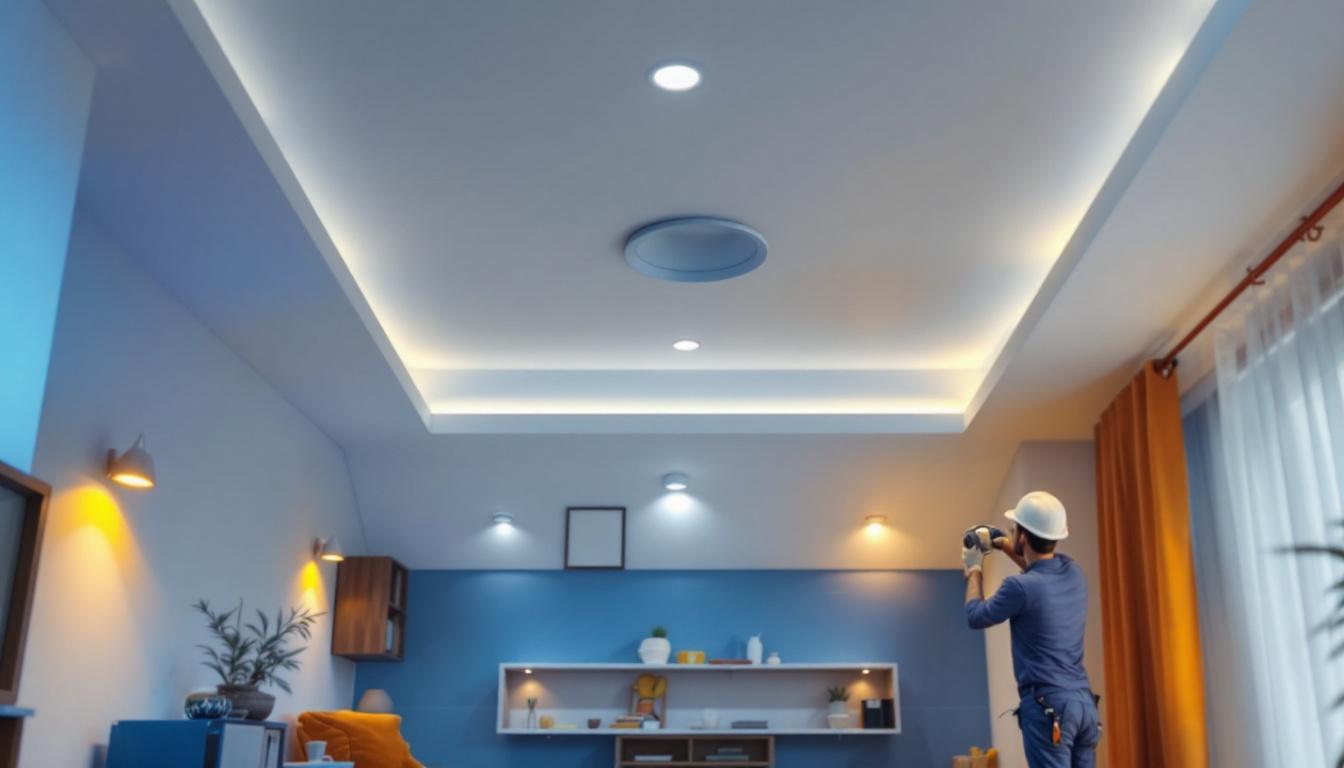
Drop ceiling LED lights have become a staple in commercial and residential lighting projects, offering contractors an efficient and versatile solution for illuminating spaces with suspended ceilings. These fixtures are designed to fit seamlessly into the grid system of drop ceilings, providing uniform light distribution while maintaining a sleek, modern aesthetic.
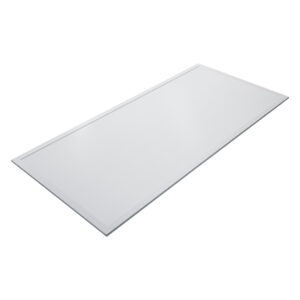
For lighting contractors, understanding the fundamental characteristics of drop ceiling LED lights is essential. These fixtures typically come in panel or troffer styles, with sizes commonly matching standard ceiling tiles—such as 2×2 feet or 2×4 feet dimensions. Their low profile allows for easy installation without interfering with the ceiling’s structure or the space above it, which often houses HVAC, electrical wiring, and other utilities.
The benefits of LED technology in drop ceiling applications are numerous. LEDs consume significantly less energy compared to traditional fluorescent or incandescent fixtures, leading to reduced operational costs and lower environmental impact. They also offer longer lifespans, often exceeding 50,000 hours, which minimizes maintenance frequency and associated labor costs—a critical factor in commercial settings.
Energy Efficiency and Cost Savings
One of the primary advantages that lighting contractors highlight when recommending drop ceiling LED lights is their energy efficiency. LEDs convert a higher percentage of electrical energy into visible light, resulting in less wasted heat. This efficiency can translate into energy savings of up to 50-70% compared to fluorescent lighting, depending on the specific products and usage patterns.
Additionally, many jurisdictions and utility companies offer rebates or incentives for upgrading to LED lighting, which can offset initial installation costs. Lighting contractors should be aware of these programs to provide clients with comprehensive cost-benefit analyses. Furthermore, the reduced energy consumption not only lowers utility bills but also contributes to a smaller carbon footprint, making LED lighting a more sustainable choice for environmentally conscious consumers.
Improved Light Quality and Control
LED drop ceiling lights offer superior light quality, with options for various color temperatures ranging from warm white to daylight. This flexibility allows contractors to tailor lighting schemes to the specific needs of a space, whether it’s an office requiring bright, cool light to enhance productivity or a retail environment aiming for warmer tones to create ambiance.
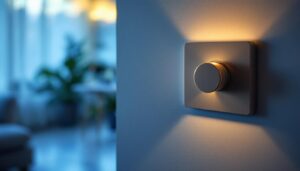
Moreover, many LED fixtures are compatible with dimming controls and smart lighting systems, enabling advanced lighting management. This capability supports energy conservation and enhances user comfort, making it a valuable selling point for contractors. In addition to dimming, some systems allow for programmable settings that can adjust lighting based on time of day or occupancy, further optimizing energy use and ensuring that spaces are well-lit only when needed. This level of control not only improves the overall user experience but also aligns with the growing trend of smart home and building automation, appealing to tech-savvy clients.
Installation Considerations and Best Practices
Installing drop ceiling LED lights requires careful planning and adherence to both electrical codes and manufacturer guidelines. Lighting contractors often encounter questions related to compatibility, mounting methods, and wiring during the installation process.
Compatibility with Existing Ceiling Grids
One common concern is ensuring that the LED fixture fits properly within the existing drop ceiling grid. Since most drop ceiling systems use standardized tile sizes, selecting LED panels or troffers that match these dimensions is crucial. Contractors should verify measurements on-site before ordering to avoid costly adjustments.
In cases where the grid is irregular or non-standard, custom solutions or retrofit kits may be necessary. Some LED manufacturers offer adjustable frames or modular components designed to accommodate such scenarios. Additionally, it’s worth noting that the aesthetic appeal of the installation can be enhanced by choosing fixtures that complement the overall design of the space. For instance, selecting LED lights with a slim profile can provide a modern look while maximizing the available headroom in lower ceilings.
Wiring and Electrical Integration
Drop ceiling LED lights typically operate on standard line voltage (120V or 277V), but it is important for contractors to confirm the fixture’s voltage requirements and compatibility with the building’s electrical system. LED drivers, which regulate power to the LEDs, are often integrated into the fixture, simplifying installation.
Proper wiring practices include ensuring secure connections, using appropriate conduit or cable management, and adhering to National Electrical Code (NEC) standards. Contractors should also consider the location of switches, sensors, or dimmers to optimize functionality. Moreover, implementing smart lighting controls can significantly enhance energy efficiency and user experience, allowing for adjustments based on occupancy or time of day. This not only contributes to sustainability efforts but also provides flexibility in lighting design, catering to various activities and moods within the space.
Safety and Accessibility
Because drop ceilings often conceal mechanical and electrical systems, lighting contractors must maintain accessibility for future maintenance. Installing LED fixtures that can be easily removed or serviced without damaging ceiling tiles is essential. Additionally, ensuring that fixtures do not obstruct access panels or ventilation components is a critical safety consideration.
Furthermore, it is advisable to conduct a thorough assessment of the ceiling’s load-bearing capacity before installation. This is particularly important in commercial settings where additional equipment or fixtures may be added later. Utilizing lightweight LED fixtures can help alleviate potential strain on the ceiling grid, ensuring long-term stability and safety. Regular inspections and maintenance checks should also be scheduled to address any issues promptly, thereby prolonging the lifespan of both the lighting system and the ceiling infrastructure.
Addressing Common Contractor Questions
Throughout the installation and specification process, lighting contractors frequently raise several recurring questions about drop ceiling LED lights. Addressing these concerns thoroughly helps ensure successful project outcomes and client satisfaction.
How Do Drop Ceiling LED Lights Compare to Fluorescent Fixtures?
Fluorescent lighting has long been the standard for drop ceilings, but LEDs offer distinct advantages. LEDs provide instant-on illumination without flickering, improved color rendering, and greater energy efficiency. They also do not contain mercury, making disposal safer and more environmentally friendly.
While the upfront cost of LED fixtures may be higher than fluorescents, the total cost of ownership is typically lower due to energy savings and reduced maintenance. Contractors should prepare to explain these long-term benefits to clients who may be hesitant about initial expenses.
What Are the Best Practices for Achieving Uniform Lighting?
Uniform lighting is critical in commercial spaces to avoid glare, shadows, and uneven brightness. Contractors should consider fixture spacing, mounting height, and beam angle when designing lighting layouts. Using LED panels with diffusers can help distribute light evenly across the ceiling plane.
Additionally, integrating lighting controls such as occupancy sensors or daylight harvesting systems can enhance uniformity by adjusting light levels based on real-time conditions.
Can Drop Ceiling LED Lights Be Used in Damp or Wet Locations?
Not all drop ceiling LED lights are rated for damp or wet environments. Contractors must verify the fixture’s IP (Ingress Protection) rating to ensure suitability for spaces like bathrooms, kitchens, or outdoor covered areas. Fixtures designed for damp locations have seals and materials that resist moisture intrusion, extending their lifespan and maintaining safety.
How Do I Handle Retrofit Projects?
Retrofitting existing drop ceiling lighting with LED fixtures is a common task. Contractors often ask about compatibility with existing wiring, ballast bypass requirements, and minimizing downtime during installation.
Many LED retrofit kits are designed to work with existing fluorescent troffers, either by replacing the entire fixture or by swapping out the lamps and ballasts. It is important to follow manufacturer instructions carefully, particularly regarding ballast bypass or removal, to avoid electrical issues and ensure optimal performance.
Emerging Trends and Innovations in Drop Ceiling LED Lighting
The lighting industry continues to evolve rapidly, and drop ceiling LED lights are no exception. Staying informed about emerging technologies and trends empowers lighting contractors to offer cutting-edge solutions to their clients.
Integration with Smart Building Systems
Smart lighting controls are increasingly integrated into drop ceiling LED fixtures. These systems enable centralized management of lighting, allowing adjustments based on occupancy, daylight levels, or user preferences. For contractors, familiarity with protocols such as DALI, Zigbee, or Bluetooth Mesh is becoming essential.
Smart controls not only improve energy efficiency but also enhance occupant comfort and can contribute to building certification programs like LEED or WELL.
Human-Centric Lighting
Human-centric lighting (HCL) focuses on replicating natural light patterns to support circadian rhythms and improve wellbeing. Advanced drop ceiling LED fixtures can adjust color temperature and intensity throughout the day, promoting alertness during working hours and relaxation in the evening.
Contractors who understand HCL principles can differentiate their services by recommending lighting solutions that contribute to healthier indoor environments.
Sustainability and Environmental Impact
As sustainability becomes a priority for many clients, lighting contractors are increasingly asked about the environmental impact of their products. Drop ceiling LED lights contribute positively by reducing energy consumption and lowering greenhouse gas emissions.
Moreover, many LED fixtures are designed for recyclability, and manufacturers are adopting eco-friendly materials and packaging. Contractors should be prepared to discuss these aspects to support clients’ sustainability goals.
Conclusion: Equipping Lighting Contractors for Success
Drop ceiling LED lights represent a versatile, efficient, and modern lighting solution that meets the demands of today’s commercial and residential projects. For lighting contractors, mastering the technical, practical, and emerging aspects of these fixtures is crucial to delivering high-quality installations and advising clients effectively.
By understanding the benefits, installation considerations, common questions, and future trends associated with drop ceiling LED lighting, contractors can enhance their expertise, streamline project workflows, and provide valuable guidance that aligns with client expectations and regulatory requirements.
Ultimately, this knowledge positions contractors not only as installers but as trusted lighting consultants capable of shaping well-lit, sustainable, and comfortable environments.
Get Your Premium Drop Ceiling LED Lights at LumenWholesale
Ready to elevate your lighting projects with the highest quality drop ceiling LED lights? Look no further than LumenWholesale, where we provide contractors with spec-grade lighting products at unbeatable wholesale prices. Say goodbye to local distributor markups and hello to superior lighting solutions that meet rigorous industry standards. With LumenWholesale, bulk buying is a breeze, thanks to our hassle-free process and free shipping. Don’t compromise on quality or value—click to Wholesale Lighting at the Best Value and make your next lighting project shine with affordability and excellence.