Understanding Frame Drop Ceilings and Their Role in Lighting
Frame drop ceilings, also known as suspended ceilings, are a common architectural feature in commercial and residential buildings. They consist of a metal grid framework suspended below the main structural ceiling, into which ceiling tiles or panels are inserted. This design not only conceals wiring, ductwork, and plumbing but also provides a versatile platform for installing lighting fixtures.
For lighting contractors, understanding the intricacies of frame drop ceilings is essential. The ceiling system directly influences the type, placement, and efficiency of lighting installations. Proper integration of lighting within these ceilings can significantly impact energy consumption, maintenance costs, and overall lighting quality.
Components of Frame Drop Ceilings
The primary components include the main runners, cross tees, wall angles, and ceiling tiles. The grid is typically made from lightweight metal, designed to support the weight of ceiling tiles and integrated fixtures. Ceiling tiles come in various materials, such as mineral fiber, metal, or gypsum, each with different acoustic and thermal properties that can affect lighting performance.
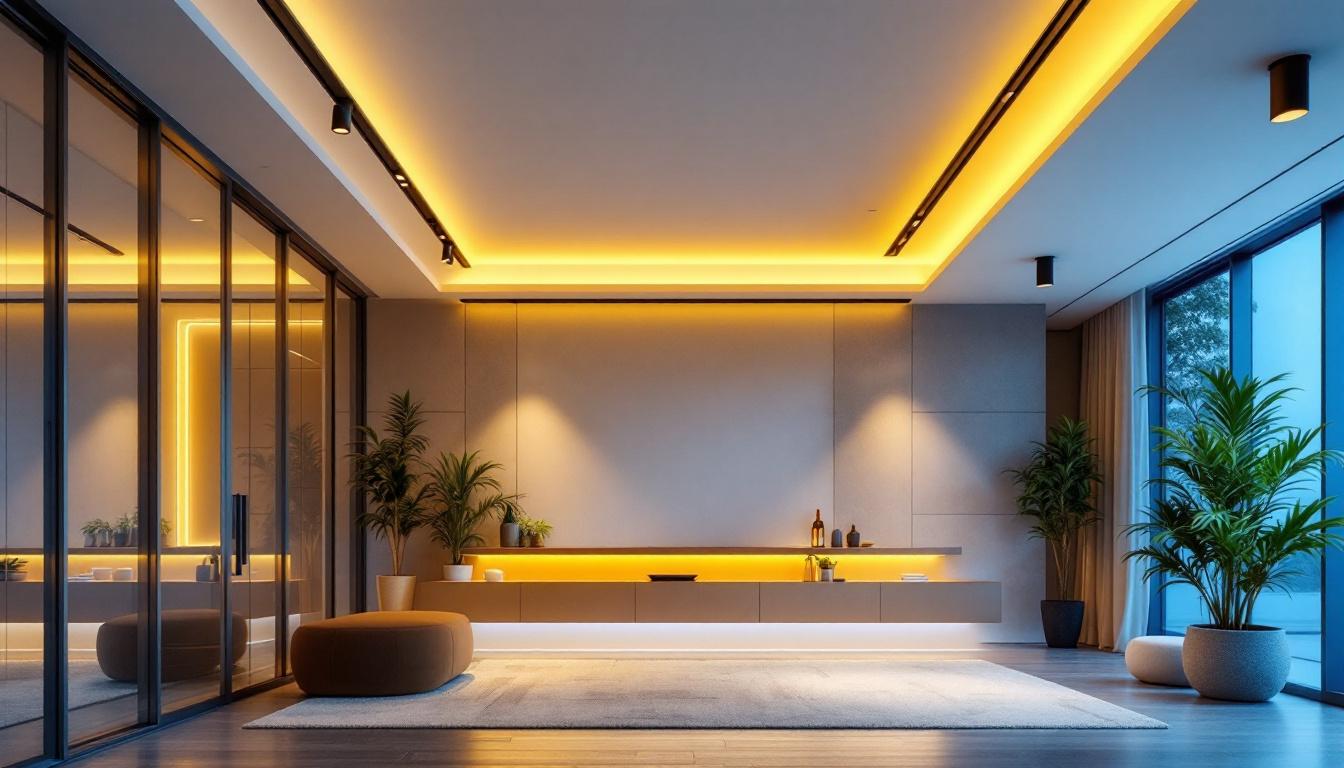
Lighting fixtures designed for drop ceilings often fit flush within the grid, making the ceiling appear seamless. Common fixture types include recessed troffers, LED panels, and downlights, all tailored to work within the constraints of the grid system. The choice of lighting fixture is crucial, as it can enhance the aesthetic appeal of a space while also ensuring optimal illumination. For instance, LED panels not only provide energy efficiency but also offer a sleek, modern look that complements contemporary design trends.
Moreover, the installation of frame drop ceilings can influence the acoustics of a space. The materials used in the ceiling tiles can absorb sound, reducing noise levels and creating a more comfortable environment. This is particularly beneficial in commercial settings, such as offices or schools, where distractions can hinder productivity and focus. By selecting tiles with sound-absorbing properties, designers can create a harmonious balance between functionality and design, ensuring that lighting and acoustics work in tandem to enhance the overall user experience.
Energy Efficiency Considerations in Frame Drop Ceiling Lighting
Energy efficiency is a critical concern for lighting contractors, especially as building codes and environmental standards become more stringent. Frame drop ceilings offer unique opportunities to optimize lighting efficiency through fixture selection, placement, and integration with building systems.
Choosing the Right Lighting Fixtures
LED technology has revolutionized energy-efficient lighting, offering significant reductions in power consumption compared to traditional fluorescent or incandescent bulbs. When selecting fixtures for drop ceilings, contractors should prioritize LED panels and troffers that are designed for high luminous efficacy and low heat output.
Fixtures with integrated controls such as dimmers, occupancy sensors, and daylight harvesting capabilities can further reduce energy use. These controls adjust lighting levels based on room occupancy or natural light availability, ensuring lights are only on when needed. Moreover, the use of smart lighting systems can enhance energy savings by allowing remote monitoring and control, enabling facility managers to optimize lighting schedules based on actual usage patterns.
Optimizing Fixture Placement and Layout
The modular nature of frame drop ceilings allows for flexible lighting layouts. Strategic placement of fixtures can maximize light distribution and minimize the number of fixtures required. For example, spacing LED panels evenly and aligning them with workstations or high-traffic areas enhances both comfort and efficiency.
Additionally, reflective ceiling tiles can improve light distribution by bouncing light deeper into the space, reducing the need for higher wattage fixtures. Selecting tiles with high reflectance ratings complements energy-efficient lighting strategies. It is also beneficial to consider the color temperature of the lighting; warmer tones can create a more inviting atmosphere, while cooler tones can enhance focus and productivity, particularly in office environments. By thoughtfully combining fixture placement, tile selection, and color temperature, contractors can create a well-lit environment that promotes both energy efficiency and user satisfaction.
Installation Best Practices for Lighting in Frame Drop Ceilings
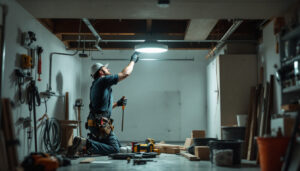
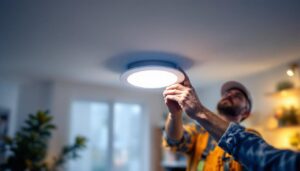
Proper installation is crucial to realizing the full benefits of energy-efficient lighting in frame drop ceilings. Lighting contractors must consider both the physical and electrical aspects of installation to ensure safety, performance, and longevity.
Ensuring Structural Compatibility
Before installation, verify that the ceiling grid can support the weight of the lighting fixtures. Some LED panels are lightweight, but others, especially those with integrated controls or additional features, may require reinforcement or specialized mounting hardware.
Contractors should also ensure that fixture dimensions align precisely with the grid spacing, typically 2×2 or 2×4 feet. Misalignment can lead to gaps, uneven lighting, and aesthetic issues. To avoid these problems, it is advisable to conduct a thorough pre-installation inspection of the grid system, checking for any signs of wear or damage that could compromise the integrity of the installation. Additionally, considering the overall design of the space can help in planning the layout of the fixtures to achieve a harmonious look while maximizing illumination.
Electrical and Thermal Considerations
Wiring must comply with local electrical codes and be routed safely above the ceiling tiles. Using quick-connect wiring systems can simplify installation and maintenance. Additionally, LED fixtures generate less heat than traditional lighting, but adequate ventilation above the ceiling is still necessary to prevent overheating and extend fixture lifespan.
Integrating lighting controls requires coordination with building automation systems or standalone sensors. Proper programming and calibration ensure that energy savings are maximized without compromising occupant comfort. Furthermore, it is beneficial to consider the use of dimmable fixtures and smart lighting solutions that can adapt to the natural light levels in a room, thereby enhancing the overall energy efficiency of the installation. Incorporating user-friendly interfaces for control can also improve the experience for occupants, allowing them to tailor the lighting to their specific needs and preferences.
Maintenance and Upgrades: Sustaining Energy Efficiency Over Time
Maintaining energy-efficient lighting in frame drop ceilings extends beyond initial installation. Lighting contractors play a vital role in ensuring that systems continue to operate optimally through routine maintenance and timely upgrades.
Routine Inspection and Cleaning
Dust and debris accumulation on ceiling tiles and fixtures can reduce light output and efficiency. Regular cleaning schedules help maintain optimal reflectance and fixture performance. Inspecting fixtures for signs of wear or malfunction also prevents energy waste and safety hazards.
Replacing damaged or discolored ceiling tiles with high-reflectance alternatives can revitalize lighting quality without major renovations. In addition, implementing a proactive maintenance strategy that includes checking electrical connections and ensuring that all components are securely fastened can significantly extend the lifespan of the lighting system. This not only enhances safety but also minimizes the likelihood of unexpected failures that can disrupt operations.
Upgrading to Advanced Technologies
As lighting technology evolves, upgrading existing installations can yield substantial energy savings. Retrofitting older fluorescent troffers with LED panels or integrating smart controls can reduce energy use by up to 50% or more.
Lighting contractors should stay informed about emerging technologies such as tunable white lighting, which adjusts color temperature to support occupant well-being, and advanced sensors that provide granular control over lighting zones. These innovations not only improve energy efficiency but also enhance the overall user experience by allowing for personalized lighting settings that can adapt to different tasks or moods. Furthermore, incorporating daylight harvesting systems can optimize natural light usage, reducing reliance on artificial lighting during peak daylight hours, thereby further cutting down energy consumption and costs.
Case Studies: Energy-Efficient Lighting in Frame Drop Ceilings
Real-world examples illustrate the impact of well-executed lighting strategies within frame drop ceilings. Consider a commercial office space that replaced all fluorescent fixtures with LED panels integrated with occupancy sensors. The retrofit resulted in a 40% reduction in lighting energy consumption and improved occupant satisfaction due to better light quality. The use of LED technology not only enhanced the brightness and clarity of the workspace but also provided a longer lifespan for the fixtures, reducing maintenance costs significantly. Employees reported feeling more energized and focused, which contributed to increased productivity levels across the board.
In another case, a school upgraded its drop ceiling tiles to high-reflectance materials and installed daylight harvesting controls. This combination reduced artificial lighting needs during daytime hours, contributing to lower energy bills and a more sustainable learning environment. The high-reflectance tiles worked in tandem with strategically placed windows to maximize natural light, creating a bright and inviting atmosphere for students. Teachers noted that the improved lighting conditions positively influenced student engagement and learning outcomes, as classrooms became more conducive to both teaching and collaboration.
Moreover, a healthcare facility implemented a comprehensive lighting redesign by incorporating tunable white LED fixtures in their drop ceilings. This innovative approach allowed for the adjustment of light color temperature throughout the day, aligning with the natural circadian rhythms of patients and staff. The results were remarkable: patients experienced reduced anxiety levels and improved sleep quality, while healthcare professionals reported enhanced alertness and mood during shifts. This case highlights the multifaceted benefits of energy-efficient lighting, extending beyond mere energy savings to encompass health and well-being.
Lastly, a retail store adopted a unique strategy by combining energy-efficient lighting with smart technology. By integrating motion sensors and smart controls within their drop ceiling lighting, they were able to optimize energy use based on customer foot traffic patterns. This not only led to a significant decrease in energy consumption but also created a dynamic shopping experience that adjusted lighting levels to highlight specific displays and products. The store reported an increase in sales attributed to the enhanced visual merchandising, demonstrating how energy-efficient lighting can drive both sustainability and profitability in the retail sector.
Conclusion: Why Lighting Contractors Must Master Frame Drop Ceiling Installations
For lighting contractors, expertise in frame drop ceiling systems is indispensable for delivering energy-efficient lighting solutions. The ceiling framework not only supports fixtures but also influences lighting performance, energy consumption, and occupant comfort.
By selecting appropriate fixtures, optimizing layout, adhering to installation best practices, and committing to ongoing maintenance and upgrades, contractors can help clients achieve significant energy savings and comply with evolving regulations. Mastery of frame drop ceiling lighting is a competitive advantage that aligns with the growing demand for sustainable building practices.
Illuminate Your Projects with LumenWholesale
Ready to elevate your lighting installations with the most energy-efficient solutions on the market? At LumenWholesale, we specialize in providing lighting contractors like you with the highest quality, spec-grade lighting products at unbeatable wholesale prices. Say goodbye to local distributor markups and hello to a vast selection of premium lighting that meets rigorous industry standards. Plus, with free shipping on bulk orders, you can stock up on everything you need without worrying about extra costs. Don’t miss out on the perfect combination of quality, affordability, and convenience. Take the first step towards more sustainable and cost-effective lighting projects by visiting Wholesale Lighting at the Best Value today.