Understanding the Importance of Proper Lighting for Makeup
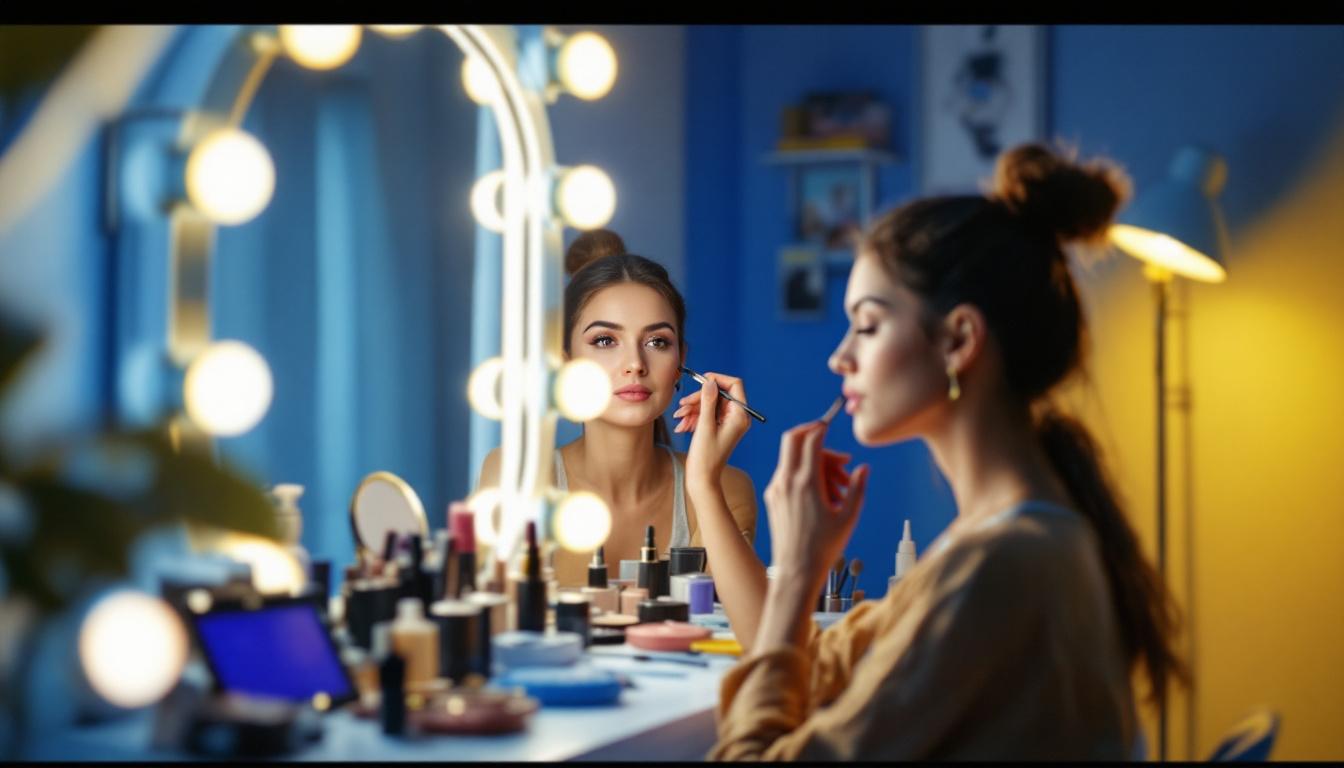
Lighting plays a pivotal role in the makeup application process, influencing not only how makeup looks in real life but also how it photographs and appears under different lighting conditions. For lighting contractors, designing spaces that cater to makeup application requires a nuanced understanding of light quality, color rendering, and placement.
Makeup artists rely heavily on lighting that mimics natural daylight to ensure colors appear true and skin tones are accurately represented. Without the right lighting, even the most skilled makeup application can appear uneven, mismatched, or unflattering. This makes the role of lighting contractors critical in salons, studios, and personal vanity setups.
In addition to natural daylight, the color temperature of the lighting is equally important. A light source that is too warm can distort the appearance of foundation shades, while overly cool lighting can wash out skin tones, making it difficult for artists to achieve the desired look. Many professionals recommend using LED lights with a color rendering index (CRI) of 90 or above, as these lights provide a more accurate representation of colors, allowing for a flawless finish. Furthermore, adjustable lighting options can help artists adapt to different scenarios, such as preparing for a photo shoot or a live event, where lighting conditions may vary significantly.
Moreover, the placement of lighting fixtures can dramatically impact the overall makeup application experience. Overhead lighting can cast unflattering shadows on the face, while strategically placed side lighting can enhance facial features and provide a three-dimensional effect. Many makeup artists opt for ring lights or softbox lights, which create an even spread of illumination, minimizing harsh shadows and highlighting the contours of the face. This attention to detail not only elevates the quality of the makeup application but also contributes to the overall ambiance of the space, making it more inviting and conducive for creativity.
Common Mistakes Lighting Contractors Make When Designing Makeup Lighting
1. Ignoring Color Rendering Index (CRI)
The Color Rendering Index (CRI) is a measure of a light source’s ability to reveal the colors of objects faithfully compared to natural light. For makeup application, a CRI of 90 or above is recommended to ensure that colors are represented accurately.
One of the most frequent mistakes contractors make is selecting light fixtures with low CRI values, often to cut costs or due to lack of awareness. This results in makeup colors appearing distorted, which can lead to poor application choices and dissatisfaction. A low CRI can particularly affect the perception of skin tones, making it challenging for artists to achieve a natural look. Furthermore, clients may leave the makeup application feeling uncertain about their appearance, which could lead to a lack of confidence in their overall look.
2. Overlooking the Importance of Color Temperature
Color temperature, measured in Kelvins (K), significantly affects how makeup looks under lighting. Daylight-balanced lighting, typically around 5000K to 6500K, is ideal for makeup application because it closely resembles natural sunlight.
Contractors sometimes default to warm lighting (2700K to 3000K) to create a cozy atmosphere, but this can cause makeup colors to appear too yellow or orange, misleading both the artist and the client. Conversely, overly cool lighting can wash out skin tones, making it difficult to judge color depth and blending. The right color temperature not only enhances the accuracy of makeup application but also contributes to the overall mood of the space. Properly balanced lighting can uplift the environment, making clients feel more at ease and confident during their makeup sessions.
3. Poor Fixture Placement and Light Distribution
Even with the right type of light, improper placement can create shadows and uneven illumination, which are detrimental to makeup application. Lighting contractors often install overhead lighting without considering the need for balanced, shadow-free light around the face.
Ideal makeup lighting involves multiple light sources positioned at eye level on either side of the face, complemented by soft overhead lighting. This setup minimizes shadows and highlights the face evenly, allowing for precise makeup application. Additionally, incorporating adjustable fixtures can further enhance the setup, allowing for modifications based on the specific needs of the client or the type of makeup being applied. This attention to detail not only improves the application process but also elevates the overall experience for both the artist and the client.
4. Neglecting Dimmability and Control Options
Makeup application environments benefit greatly from adjustable lighting. Contractors sometimes install fixed-intensity lights, which limit the ability to tailor lighting conditions to different needs or times of day.
Dimmable fixtures and smart lighting controls enable users to simulate various lighting scenarios, such as indoor, outdoor, or evening light, ensuring makeup looks appropriate in all settings. Ignoring this flexibility reduces the functionality and user satisfaction of the lighting design. Moreover, having the ability to adjust lighting can be particularly beneficial for makeup artists who work with diverse clients, as different skin tones and makeup styles may require specific lighting adjustments to achieve the best results. This adaptability not only enhances the quality of the makeup application but also fosters a more personalized experience for clients, making them feel valued and understood.
Best Practices for Lighting Contractors When Designing Makeup Spaces
Prioritize High CRI Lighting Fixtures
When selecting lighting for makeup areas, prioritize fixtures with a CRI of 90 or higher. LED technology has advanced to offer affordable, energy-efficient options with excellent color rendering properties.
Investing in high-CRI lighting ensures that makeup colors appear true and skin tones are rendered naturally, which is essential for both professional makeup artists and personal use. The right lighting can make a significant difference in how makeup is applied, allowing for a more precise application that enhances the overall look. Furthermore, high CRI lighting helps in identifying any imperfections or unevenness in makeup application, enabling users to achieve a flawless finish.
Choose Daylight-Balanced Color Temperatures
Opt for lighting in the 5000K to 6500K range to replicate natural daylight. This color temperature provides a neutral white light that reveals makeup colors accurately without warm or cool color bias.
Incorporating lighting with adjustable color temperatures can further enhance versatility, allowing users to switch between daylight and softer lighting depending on their needs. This flexibility is particularly beneficial for makeup artists who may need to adapt their lighting to suit different skin tones and makeup styles. Additionally, having the option to dim the lights or change the color temperature can help in creating the perfect ambiance for various occasions, from casual outings to glamorous events.
Implement Multi-Source Lighting Designs
Design lighting setups that include multiple light sources positioned strategically around the face. Vanity mirrors with integrated side lighting or wall-mounted sconces at eye level are excellent options.
Ensure the lighting is evenly distributed to eliminate shadows and provide consistent illumination across the entire face. Avoid relying solely on overhead lights, which tend to cast unflattering shadows. By incorporating a multi-source approach, you can create a more dynamic lighting environment that enhances the makeup application process. Consider using adjustable fixtures that can be angled to direct light where it’s needed most, allowing for a more tailored lighting experience that can adapt to different makeup techniques and styles.
Incorporate Dimmable and Smart Lighting Controls
Include dimmable fixtures and smart controls to allow users to adjust light intensity and color temperature easily. This adaptability is crucial for makeup artists who work in various environments and lighting conditions.
Smart lighting systems can also be programmed to simulate different times of day or lighting scenarios, providing a comprehensive solution for makeup application needs. For instance, a makeup artist can set their lighting to mimic the warm glow of candlelight for evening looks or bright daylight for daytime applications. This level of control not only enhances the artist’s ability to create stunning looks but also helps clients feel more confident in their appearance, knowing that their makeup will look great in any setting. Additionally, integrating voice-activated controls can streamline the process, allowing artists to focus on their craft without interruption.
Case Studies: Lighting Solutions That Enhance Makeup Application
Salon Vanity Lighting Upgrade
A high-end salon recently upgraded its vanity lighting by replacing outdated fluorescent fixtures with LED lights featuring a CRI of 95 and a color temperature of 5600K. The new lighting setup included side-mounted fixtures at eye level and dimmable controls.
The result was a dramatic improvement in makeup accuracy and client satisfaction. Makeup artists reported better color perception and fewer complaints about makeup fading or mismatching under natural light.
Photography Studio Makeup Area
A photography studio designed a dedicated makeup area with layered lighting: adjustable overhead LEDs, side sconces, and a ring light. All fixtures had a CRI above 90 and color temperatures adjustable between 5000K and 6000K.
This multi-source, controllable lighting environment allowed makeup artists to prepare clients for various shoot conditions, reducing retouching time and improving final images’ quality.
Emerging Trends in Makeup Lighting Technology
Advancements in LED technology and smart lighting controls continue to transform how lighting contractors approach makeup lighting design. Tunable white LEDs that allow seamless adjustment of color temperature are becoming standard, offering unprecedented control and customization.
Additionally, the integration of human-centric lighting principles, which consider circadian rhythms and visual comfort, is gaining traction. These innovations not only enhance makeup application but also improve overall well-being in beauty environments.
Conclusion: Elevating Makeup Lighting Through Informed Design
For lighting contractors, understanding the unique requirements of makeup lighting is essential to delivering functional and aesthetically pleasing solutions. Avoiding common mistakes such as neglecting CRI, color temperature, fixture placement, and control options can significantly enhance the user experience.
By prioritizing high-quality, daylight-balanced, and adjustable lighting systems, contractors can create environments where makeup artists and enthusiasts can work with confidence, knowing their makeup will look its best in any setting.
Illuminate Your Makeup Spaces with LumenWholesale
Ready to elevate your makeup lighting designs with the best in spec-grade lighting products? At LumenWholesale, we provide lighting contractors with the high-quality, daylight-balanced, and adjustable lighting systems needed to create flawless makeup environments. Our extensive selection not only meets but exceeds industry standards, ensuring that every makeup artist and enthusiast can trust the lighting to represent true colors and skin tones. Say goodbye to middleman markups and hello to unbeatable wholesale prices, free shipping, and the convenience you deserve. Make your next project shine and give your clients the confidence that comes with perfect makeup lighting. Discover the value and quality that LumenWholesale has to offer by visiting our collection today: Wholesale Lighting at the Best Value.