Understanding Tube Vanity Lights: An Essential Overview for Lighting Contractors
Tube vanity lights have become a staple in residential and commercial bathroom lighting due to their sleek design, efficient illumination, and versatility. For lighting contractors, mastering the nuances of tube vanity lights is crucial to delivering installations that meet client expectations and comply with industry standards.
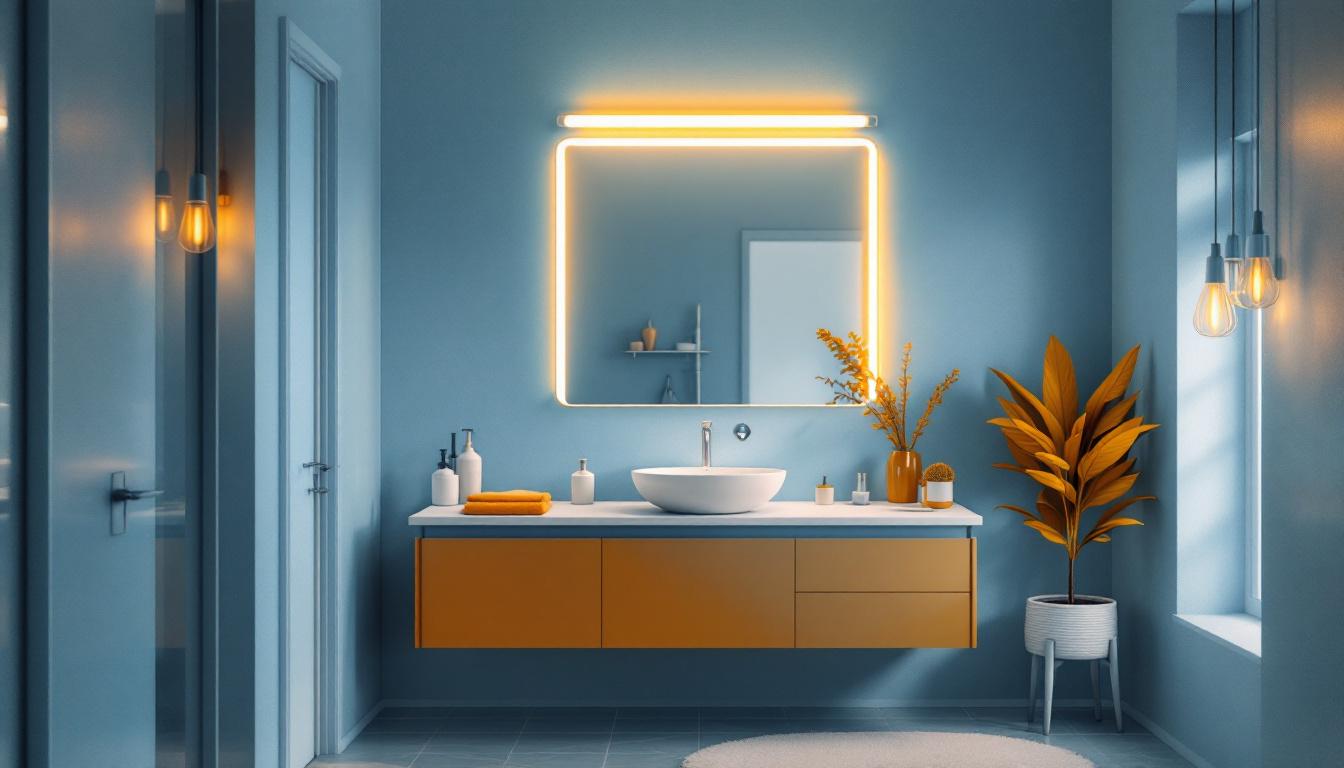
These fixtures typically consist of a linear tube-shaped light source mounted horizontally or vertically around a mirror or vanity area. Their primary function is to provide even, shadow-free lighting that enhances visibility for grooming tasks such as shaving, makeup application, and skincare routines.
Before diving into installation specifics, contractors should understand the various types of tube vanity lights available, including fluorescent tubes, LED tubes, and integrated LED fixtures. Each type presents unique advantages and challenges related to energy consumption, lifespan, color rendering, and installation procedures.
Why Tube Vanity Lights Matter in Bathroom Design
Bathrooms demand lighting solutions that balance aesthetics with functionality. Tube vanity lights excel in this role by offering consistent illumination that minimizes harsh shadows on the face. This is particularly important for tasks requiring precision, making these fixtures indispensable in both residential bathrooms and commercial washrooms in hotels, salons, and healthcare facilities.
Moreover, tube vanity lights often complement modern and minimalist design schemes, appealing to homeowners and designers alike. Their linear form factor allows for flexible placement, whether flanking a mirror vertically or spanning its top edge horizontally.
In addition to their practical benefits, tube vanity lights can also contribute to the overall ambiance of a bathroom. The choice of color temperature plays a significant role in setting the mood; warmer tones can create a cozy, inviting atmosphere, while cooler tones may evoke a more clinical, refreshing feel. Lighting contractors should be well-versed in these options to guide clients in selecting the right hue that aligns with their design vision and functional needs.
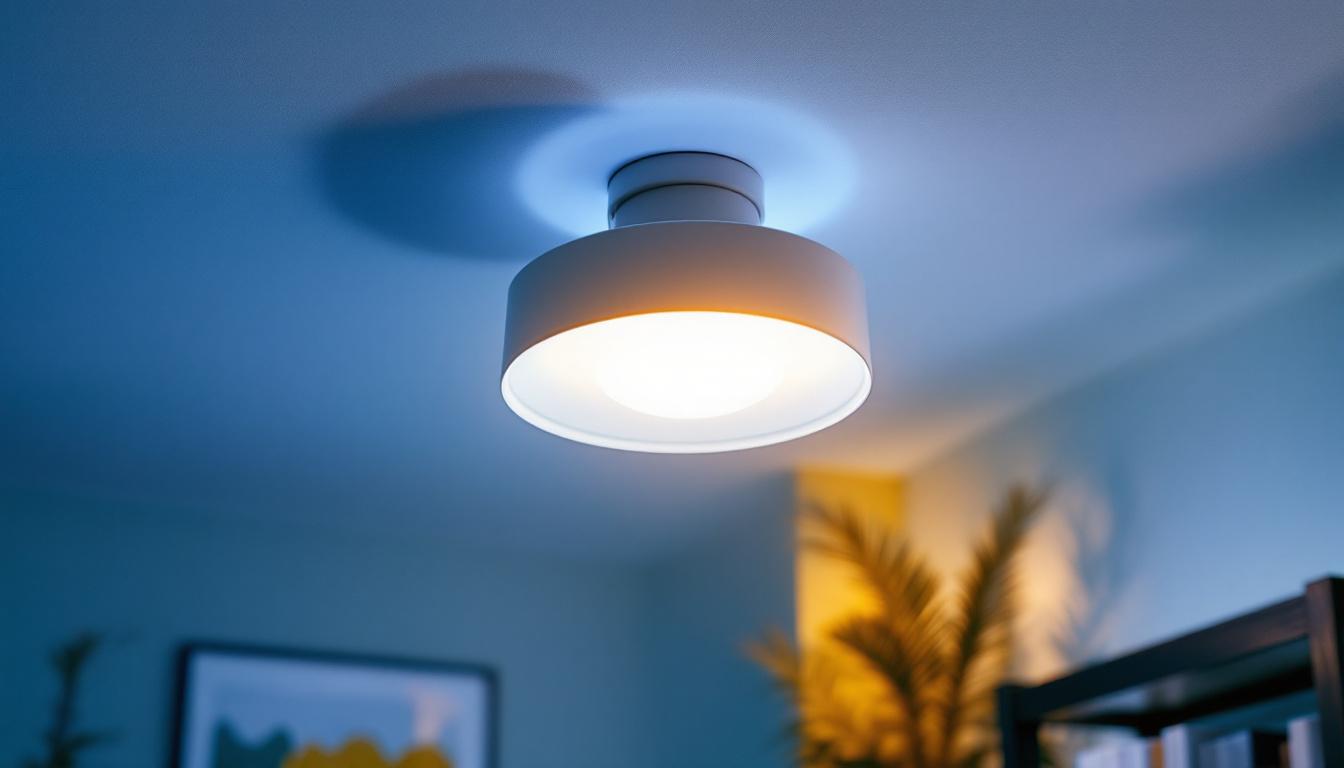
Furthermore, the integration of smart technology into tube vanity lights is an emerging trend that lighting contractors should consider. Many modern fixtures now offer adjustable brightness and color temperature settings, allowing users to customize their lighting experience based on the time of day or specific activities. This adaptability not only enhances user satisfaction but also promotes energy efficiency, making it a win-win for both contractors and clients. As the demand for innovative lighting solutions grows, staying informed about these advancements will be essential for contractors looking to remain competitive in the industry.
Key Specifications and Standards Lighting Contractors Must Know
Successful installation and client satisfaction hinge on a contractor’s familiarity with the technical specifications and regulatory standards governing tube vanity lights. This section outlines the critical factors contractors should evaluate when selecting and installing these fixtures.
Light Output and Color Temperature
Light output, measured in lumens, determines how bright the tube vanity light will be. For bathroom applications, a range of 1500 to 3000 lumens is generally recommended to ensure sufficient illumination without glare. Contractors should assess the size of the vanity area and ambient lighting conditions to select an appropriate lumen output.
Color temperature, measured in Kelvins (K), influences the ambiance and color accuracy of the illuminated area. A color temperature between 2700K and 3500K is ideal for vanity lighting, offering a warm to neutral white light that flatters skin tones and reduces eye strain. Cooler temperatures above 4000K can appear harsh and are typically avoided in vanity settings.
Color Rendering Index (CRI)
CRI measures a light source’s ability to reveal colors accurately compared to natural light. For tube vanity lights, a CRI of 80 or higher is recommended, with 90+ preferred for high-end residential or professional environments such as salons. High CRI lighting ensures makeup colors and skin tones appear true to life, which is critical for user satisfaction.
Energy Efficiency and Lifespan
Energy efficiency is a growing concern for contractors and clients alike. LED tube vanity lights outperform traditional fluorescent tubes by consuming up to 50% less energy while offering longer lifespans—often exceeding 50,000 hours. This translates into reduced maintenance costs and lower utility bills, making LEDs a preferred choice in contemporary installations.
Contractors should also consider the compatibility of LED tubes with existing fixtures or opt for integrated LED vanity lights designed for optimal performance and ease of installation.
Safety and Compliance Standards
Bathroom lighting must comply with safety standards due to the presence of moisture and potential electrical hazards. Contractors should ensure that tube vanity lights have appropriate Ingress Protection (IP) ratings—typically IP44 or higher—to guard against water splashes.
Additionally, fixtures should meet local electrical codes and regulations, including UL or ETL listings for wet or damp locations. Adhering to these standards not only ensures safety but also protects contractors from liability issues.
Installation Best Practices: A Step-by-Step Guide
Proper installation is paramount to maximizing the performance and longevity of tube vanity lights. Lighting contractors should follow a systematic approach to ensure a flawless outcome.
Site Assessment and Preparation
Begin by thoroughly assessing the installation site. Measure the vanity area and mirror dimensions to determine optimal fixture size and placement. Evaluate existing wiring and electrical load capacity to confirm compatibility with the new lighting system.
Consider the height at which the tube vanity lights will be mounted. Typically, vertical fixtures are installed at eye level on either side of the mirror, approximately 60 to 66 inches from the floor, while horizontal fixtures are placed above the mirror at a similar height.
Choosing the Right Mounting Hardware and Accessories
Select mounting brackets, anchors, and screws suitable for the wall material—be it drywall, tile, or concrete. Using appropriate hardware prevents fixture sagging and ensures a secure fit.
For LED tube lights, verify whether a driver or transformer is required and ensure it is installed in an accessible yet discreet location. Proper wiring connectors and junction boxes must also be used to maintain electrical safety.
Wiring and Electrical Connections
Turn off power at the circuit breaker before beginning any electrical work. Use a voltage tester to confirm no live current is present. Follow manufacturer wiring diagrams meticulously, connecting live, neutral, and ground wires correctly.
For retrofit installations replacing fluorescent tubes with LED tubes, be aware of ballast compatibility. Some LED tubes require bypassing or removing the ballast, while others are designed to work with existing ballasts. Incorrect wiring can damage the fixture or pose safety risks.
Mounting and Securing the Fixture
Carefully mount the tube vanity light onto the prepared surface using the selected hardware. Ensure the fixture is level and flush against the wall or mirror frame. Tighten screws adequately but avoid overtightening, which can damage the fixture or wall.
Once mounted, install the tube or integrated LED panel according to the manufacturer’s instructions. Test the fixture by restoring power and verifying consistent illumination without flickering or buzzing.
Final Inspection and Client Walkthrough
Conduct a thorough inspection to confirm all components are securely installed and functioning correctly. Check for any visible wiring, loose parts, or uneven lighting distribution.
Walk the client through the operation of the tube vanity light, explaining features such as dimming controls, color temperature adjustments, or maintenance requirements. Providing this information enhances client satisfaction and reduces service calls.
Maintenance and Troubleshooting Tips for Lighting Contractors
Long-term client relationships often depend on the contractor’s ability to provide ongoing support. Understanding common maintenance needs and troubleshooting techniques for tube vanity lights is essential.
Routine Cleaning and Care
Tube vanity lights, especially in bathrooms, accumulate dust, moisture residue, and cosmetic products that can diminish light quality. Recommend clients regularly clean the fixtures with a soft, damp cloth and mild detergent. Avoid abrasive materials that can scratch lenses or tubes.
For fluorescent tubes, periodic replacement is necessary as brightness diminishes over time. LED tubes require less frequent replacement but should still be inspected for signs of wear or damage.
Addressing Flickering or Dim Lighting
Flickering or dimming can result from loose wiring, ballast failure, or incompatible LED tubes. Contractors should first verify electrical connections and replace faulty components. In retrofit scenarios, switching to compatible LED tubes or upgrading to integrated LED fixtures can resolve persistent issues.
Dealing with Moisture and Corrosion
Bathrooms are high-humidity environments that can cause corrosion or electrical shorts if fixtures are not properly sealed. Inspect IP-rated seals and gaskets during maintenance visits and replace damaged parts promptly.
Educate clients on the importance of adequate ventilation to reduce moisture buildup and extend the life of their lighting fixtures.
Emerging Trends and Innovations in Tube Vanity Lighting
Staying current with industry trends allows lighting contractors to offer cutting-edge solutions that enhance client satisfaction and differentiate their services.
Smart Lighting Integration
Smart tube vanity lights equipped with Wi-Fi or Bluetooth connectivity enable users to control brightness, color temperature, and scheduling via mobile apps or voice assistants. These features add convenience and energy savings, appealing to tech-savvy clients.
Human-Centric Lighting
Advances in LED technology allow for tunable white lighting that mimics natural daylight patterns, supporting circadian rhythms and improving well-being. Incorporating human-centric lighting in vanity areas can enhance user comfort and satisfaction.
Sustainable and Eco-Friendly Options
Environmental considerations drive demand for fixtures made with recyclable materials and low environmental impact manufacturing processes. Contractors can highlight these options to clients seeking green building certifications or sustainable home improvements.
Conclusion: The Lighting Contractor’s Roadmap to Tube Vanity Light Success
Tube vanity lights are more than just functional fixtures; they are integral to creating well-lit, inviting bathroom spaces. For lighting contractors, a comprehensive understanding of product types, technical specifications, installation best practices, and maintenance protocols is essential.
By adhering to the checklist outlined in this article, contractors can ensure safe, efficient, and aesthetically pleasing tube vanity light installations that satisfy clients and stand the test of time. Embracing emerging technologies and sustainability trends further positions contractors as trusted experts in the evolving lighting landscape.
Illuminate Your Projects with LumenWholesale
Ready to elevate your lighting installations with the finest tube vanity lights on the market? Look no further than LumenWholesale, where we offer an exceptional range of spec-grade lighting products at prices that can’t be beaten. Our commitment to quality and affordability ensures that you can provide your clients with reliable, high-performance lighting solutions that fit within their budget. Plus, with the convenience of free shipping on bulk orders, you can stock up on all the lighting essentials you need without any hidden costs. Don’t compromise on quality or value—Wholesale Lighting at the Best Value is just a click away.