Understanding High Lumen LED Light Strips
In the evolving world of lighting technology, LED light strips have emerged as a versatile and energy-efficient solution for a wide range of applications. Among these, high lumen LED light strips stand out for their superior brightness and performance. For lighting contractors, understanding what sets high lumen LED strips apart is crucial for delivering quality installations that meet client expectations and regulatory standards.
High lumen LED light strips are designed to emit more light per unit length compared to standard LED strips. This increased brightness is measured in lumens, which quantifies the total amount of visible light emitted by a source. While traditional LED strips might offer lumens in the range of 300 to 600 per meter, high lumen variants can exceed 1000 lumens per meter, making them ideal for applications requiring intense illumination without compromising on energy efficiency.
The technology behind these strips involves using higher quality LEDs with improved phosphor coatings and optimized circuitry to handle increased power input. This results in brighter light output while maintaining a compact and flexible form factor, which is essential for creative lighting designs and installations in challenging spaces.
Moreover, high lumen LED light strips are not only about brightness; they also offer enhanced color rendering capabilities. With a higher Color Rendering Index (CRI), these strips can accurately reproduce colors, making them perfect for settings such as art galleries, retail spaces, and photography studios where color accuracy is paramount. The ability to choose from a range of color temperatures, from warm white to cool daylight, further increases their versatility, allowing designers to create the desired ambiance for any environment.
In addition to their aesthetic benefits, high lumen LED light strips contribute significantly to energy savings and sustainability. By consuming less power while providing more light output, they reduce electricity bills and lower carbon footprints. Many high lumen options are also designed with longevity in mind, boasting lifespans that can reach up to 50,000 hours or more. This durability not only minimizes the need for frequent replacements but also aligns with the growing demand for environmentally friendly lighting solutions, making them an attractive choice for both residential and commercial projects.
Why Brightness Matters: The Contractor’s Perspective
Meeting Diverse Client Needs
Lighting contractors often work with clients who have varying requirements, from ambient mood lighting to task-specific illumination. High lumen LED light strips provide the flexibility to meet these needs effectively. For instance, in commercial settings like retail stores or offices, bright, uniform lighting is necessary to enhance visibility and create an inviting atmosphere. High lumen strips can achieve this without the bulkiness of traditional fixtures. They can be seamlessly integrated into architectural designs, allowing for creative lighting solutions that enhance the overall aesthetic of the space while ensuring functionality.
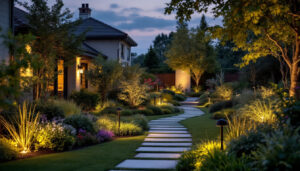
Moreover, residential clients increasingly demand lighting solutions that combine aesthetics with functionality. High lumen LED strips allow contractors to install under-cabinet lighting, accent lighting, or even outdoor illumination that is both visually appealing and sufficiently bright for practical use. The versatility of these strips means they can be used in various applications, from illuminating artwork in a gallery to providing safety lighting along pathways in gardens. This adaptability not only satisfies the immediate needs of clients but also opens up opportunities for innovative design, allowing contractors to showcase their creativity and technical skills.
Compliance with Lighting Standards
Lighting contractors must ensure that their installations comply with local and international lighting standards, which often specify minimum illumination levels for safety and usability. High lumen LED light strips help meet these requirements efficiently. For example, workplace lighting standards typically require a certain lux level on work surfaces; using high lumen strips can achieve these levels without excessive energy consumption or complicated wiring. This is particularly important in environments such as hospitals or schools, where proper lighting is critical for both safety and productivity.
Additionally, many building codes now emphasize energy efficiency and sustainability. High lumen LED strips, with their superior lumen output per watt, align well with these regulations, enabling contractors to offer compliant and future-proof solutions. As more clients become environmentally conscious, the demand for energy-efficient lighting solutions continues to rise. Contractors can leverage this trend by educating clients on the long-term cost savings and environmental benefits of using high lumen LED strips, thus positioning themselves as knowledgeable partners in sustainable building practices. Furthermore, the longevity of these LEDs reduces maintenance costs and the frequency of replacements, making them an attractive option for both commercial and residential projects.
Energy Efficiency and Cost Considerations
Reducing Operational Costs
One of the primary advantages of high lumen LED light strips is their energy efficiency. Compared to traditional lighting options such as incandescent or fluorescent strips, LEDs consume significantly less power for the same or greater light output. This translates into lower electricity bills for clients, an important selling point for contractors during project proposals.
For example, a high lumen LED strip delivering 1000 lumens per meter might consume less than 10 watts per meter, whereas an older lighting technology could require double or triple that power for similar brightness. Over time, these savings accumulate, making LED strips a cost-effective choice for both residential and commercial projects.
Long-Term Maintenance Savings
High lumen LED strips also offer longer lifespans compared to traditional lighting. With rated lifetimes often exceeding 50,000 hours, these strips reduce the frequency of replacements and maintenance visits. For lighting contractors, this means fewer callbacks and warranty claims, enhancing reputation and profitability.
Furthermore, LEDs generate less heat, which minimizes the risk of damage to surrounding materials and reduces cooling costs in enclosed spaces. This aspect is particularly beneficial in sensitive installations such as museums, galleries, or healthcare facilities where temperature control is critical.
Installation Flexibility and Design Advantages
Adaptability to Various Environments
High lumen LED light strips are highly adaptable, making them a favorite among lighting contractors for complex projects. Their slim profile and flexibility allow installation in tight spaces, curved surfaces, and unconventional locations where traditional fixtures would be impractical.
Additionally, many high lumen LED strips come with features such as dimming capabilities, color temperature adjustments, and RGB color mixing. These options enable contractors to tailor lighting schemes to specific client preferences and functional requirements, enhancing the overall user experience.
Enhancing Aesthetic Appeal
Lighting is not just about illumination; it’s a critical element of interior and exterior design. High lumen LED strips provide contractors with the tools to create dramatic effects, highlight architectural features, and influence mood through carefully controlled brightness and color.
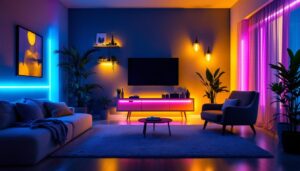
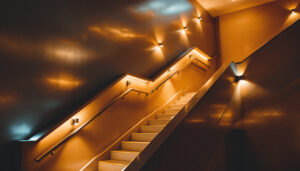
For example, in hospitality environments, strategically placed high lumen LED strips can accentuate bar counters, staircases, or signage, contributing to brand identity and customer engagement. In residential projects, they can be used to create cozy reading nooks or vibrant entertainment areas, demonstrating the contractor’s expertise and creative vision.
Technical Challenges and Best Practices
Managing Heat Dissipation
While high lumen LED strips offer many benefits, they also present technical challenges that contractors must address. One key issue is heat dissipation. Higher brightness levels typically mean increased power consumption and heat generation, which can affect the strip’s longevity and performance if not properly managed.
Contractors should ensure that LED strips are installed on appropriate heat sinks or aluminum profiles that facilitate thermal management. Adequate ventilation and avoiding installation in enclosed or heat-retentive spaces are also critical to maintaining optimal operating conditions.
Ensuring Power Supply Compatibility
Another important consideration is selecting power supplies that can handle the higher current demands of high lumen strips. Undersized or low-quality drivers can lead to flickering, reduced brightness, or premature failure. Lighting contractors must calculate the total wattage and current requirements accurately and choose reliable, compatible power sources.
Additionally, using dimmers and controllers designed specifically for high lumen LED strips ensures smooth operation and prevents electrical issues, enhancing the overall quality of the installation.
Future Trends and Opportunities for Lighting Contractors
Integration with Smart Lighting Systems
The rise of smart home and building automation technologies presents exciting opportunities for lighting contractors. High lumen LED light strips are increasingly compatible with wireless control systems, voice assistants, and programmable lighting scenes. This integration allows contractors to offer advanced solutions that improve energy management, convenience, and user customization.
By staying informed about these trends and mastering the installation of smart LED systems, contractors can differentiate themselves in a competitive market and meet the growing demand for intelligent lighting solutions.
Sustainability and Green Building Initiatives
Environmental sustainability is a major driver in the lighting industry. High lumen LED light strips contribute to green building certifications such as LEED and WELL by reducing energy consumption and minimizing environmental impact. Lighting contractors who emphasize these benefits can appeal to eco-conscious clients and participate in projects with sustainability goals.
Moreover, as regulations tighten and incentives for energy-efficient installations increase, contractors equipped with expertise in high lumen LED technologies will be well-positioned to capitalize on new business opportunities.
Conclusion
High lumen LED light strips represent a significant advancement in lighting technology, offering lighting contractors a powerful tool to meet diverse client needs with efficiency, flexibility, and style. Their superior brightness, energy savings, and adaptability make them ideal for a wide range of applications, from commercial and residential to specialized environments.
By understanding the technical aspects, installation best practices, and emerging trends associated with high lumen LED strips, contractors can enhance their service offerings, ensure compliance with standards, and deliver installations that stand the test of time. Embracing these innovations not only benefits clients but also strengthens the contractor’s position in a dynamic and competitive industry.
Illuminate Your Projects with LumenWholesale
Ready to elevate your lighting installations with high lumen LED light strips that promise efficiency, flexibility, and unmatched style? Look no further than LumenWholesale, where we specialize in providing contractors with superior, spec-grade lighting products at the best wholesale prices. Say goodbye to local distributor markups and hello to our extensive selection that meets the highest industry standards. With free shipping on bulk orders, you can trust that you’re getting premium lighting solutions at the most competitive prices, without any hidden fees. Make your next project shine with the quality, affordability, and convenience of Wholesale Lighting at the Best Value from LumenWholesale.